Palm Oil and Animal Feed: A Hidden Link
Discover the surprising connection between palm oil production and the animal feed industry, and its impact on global ecosystems. Learn more in 5 minutes.
The Overlooked Ingredient in Livestock Diets
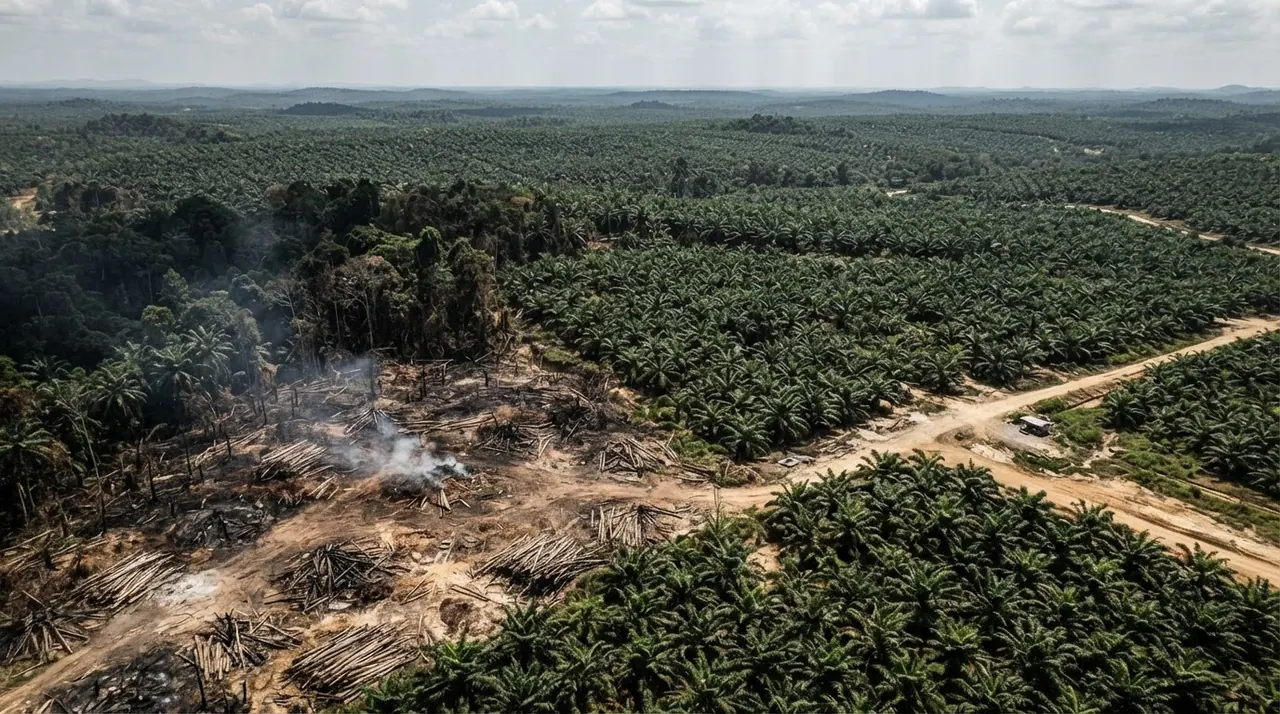
When we consider the environmental footprint of our food, attention often focuses on the direct consumption of animal products. However, a crucial, yet frequently ignored, link exists between the palm oil industry and the vast agricultural machinery that produces meat, dairy, and eggs. Palm oil, a ubiquitous ingredient in many processed foods and cosmetics, also plays a significant role in animal feed. The demand for palm oil, driven by human consumption and industrial uses, indirectly fuels the expansion of plantations, which often come at the expense of vital ecosystems. Understanding this connection is key to grasping the full environmental impact of animal agriculture.
From Plantation to Protein
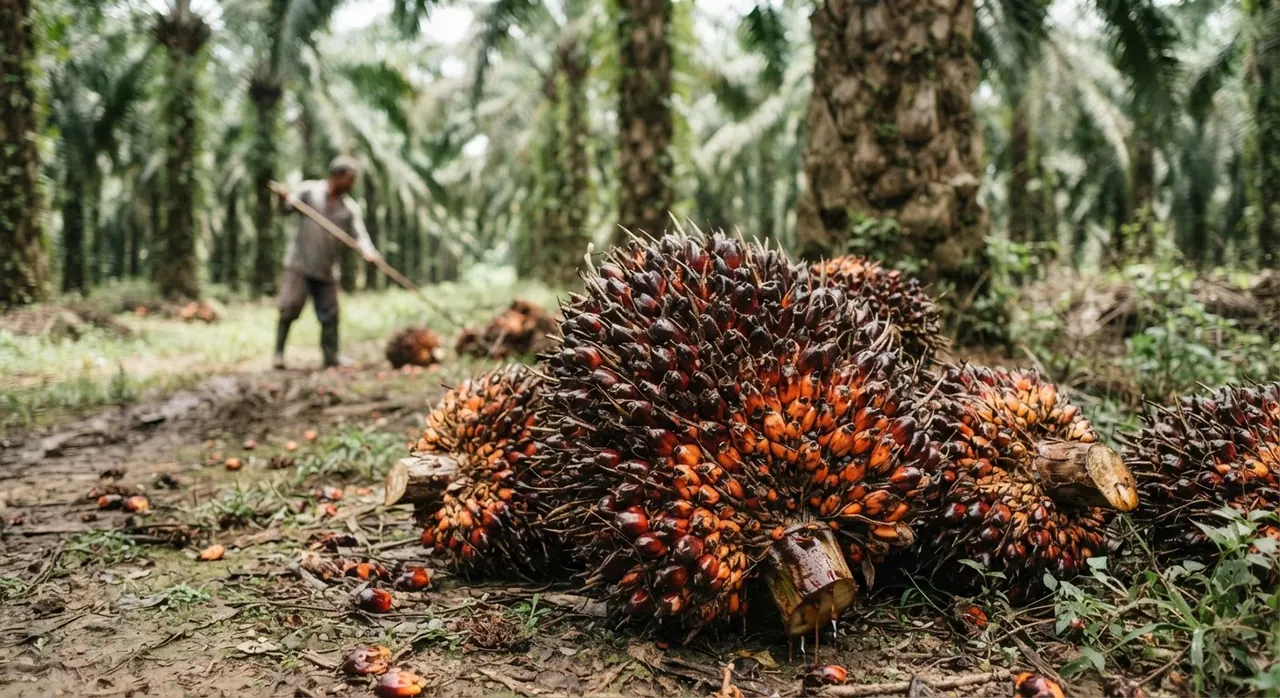
The journey from an oil palm tree to a farm animal's trough is more direct than many realise. While the primary use of palm oil is for edible oils, its derivatives, such as palm kernel meal and palm fatty acids, are valuable components in animal feed. These by-products are rich in energy and nutrients, making them an attractive and cost-effective option for livestock farmers. As the global demand for meat and dairy continues to rise, so does the demand for feed ingredients, including those derived from palm oil. This creates a compounding effect: more palm oil production is needed, leading to further land conversion.
Drivers of Deforestation and Biodiversity Loss
The relentless expansion of oil palm plantations is a primary driver of deforestation in biodiverse regions, particularly in Indonesia and Malaysia. Vast tracts of tropical rainforest, home to critically endangered species like orangutans, tigers, and elephants, are cleared to make way for these monocultures. This habitat destruction not only leads to species extinction but also releases significant amounts of greenhouse gases stored in forest soils and biomass, exacerbating climate change. The demand for palm oil in animal feed adds another layer to this environmental crisis, indirectly contributing to the loss of irreplaceable natural heritage.
Greenhouse Gas Emissions from Land Use Change (Estimated CO2e per hectare)
Data represents estimated emissions from conversion; source: IPCC Special Report on Land Use
Consequences for Ecosystems and Climate
The environmental toll extends beyond deforestation. Monoculture oil palm plantations drastically reduce biodiversity compared to the complex ecosystems they replace. They offer little sustenance or shelter for native wildlife, leading to population declines and local extinctions. Furthermore, the peatlands often cleared for palm oil cultivation store immense amounts of carbon. When drained and burned, these peat soils release vast quantities of carbon dioxide and methane, potent greenhouse gases that contribute significantly to global warming. The IPCC has highlighted land-use change, including for palm oil, as a major source of emissions.
“Tropical rainforests are cleared for oil palm, leading to significant biodiversity loss and greenhouse gas emissions.”
Navigating Towards Sustainable Solutions
Addressing the palm oil-animal feed connection requires a multi-pronged approach. Consumers can make informed choices by reducing their overall consumption of animal products, which indirectly lowers the demand for feed ingredients like palm oil derivatives. For those who consume animal products, looking for certifications that promote sustainable palm oil practices, such as RSPO (Roundtable on Sustainable Palm Oil), can be a step in the right direction, though these certifications have faced criticism for their effectiveness. Transparency in supply chains is also crucial, allowing consumers and regulators to identify and penalise unsustainable practices.
- Reduce overall consumption of animal products.
- Support brands committed to sustainable sourcing.
- Advocate for stronger environmental regulations on palm oil production.
- Educate yourself and others about hidden ingredient links.
The Role of Certification and Policy
Certification schemes like the RSPO attempt to mitigate the negative impacts of palm oil production by setting standards for environmental and social practices. However, the effectiveness and enforcement of these standards are subjects of ongoing debate. Some critics argue that the criteria are not stringent enough, and that 'greenwashing' can occur. Robust policy interventions, including land-use planning, stricter enforcement against illegal deforestation, and incentives for sustainable agriculture, are also vital. International cooperation is essential to ensure that the global demand for palm oil does not continue to devastate critical ecosystems.
Making Informed Choices
The connection between palm oil and animal feed is a complex issue, but understanding it empowers us to make more conscious decisions. By recognising that our food system is interconnected, we can see how choices made far up the supply chain – like the ingredients in animal feed – have profound global consequences. Whether through reducing meat consumption, supporting ethical brands, or advocating for policy change, we can all play a part in fostering a more sustainable and equitable food system for both people and the planet.
Estimated Land Use for Palm Oil Production (Million Hectares)
Estimates for animal feed contribution are based on by-product usage; source: FAOSTAT and industry analysis
Frequently Asked Questions
Sources & further reading
- Our World in Data — ourworldindata.org
- IPCC Special Report on Land Use — ipcc.ch
- Global Forest Watch — globalforestwatch.org
- Roundtable on Sustainable Palm Oil (RSPO) — rspo.org
- FAOSTAT — fao.org