Plant-based road trips with kids in 5 minutes
Effortlessly navigate vegan family travel with this 5-minute guide to stress-free road trips, ensuring delicious, sustainable adventures for everyone.
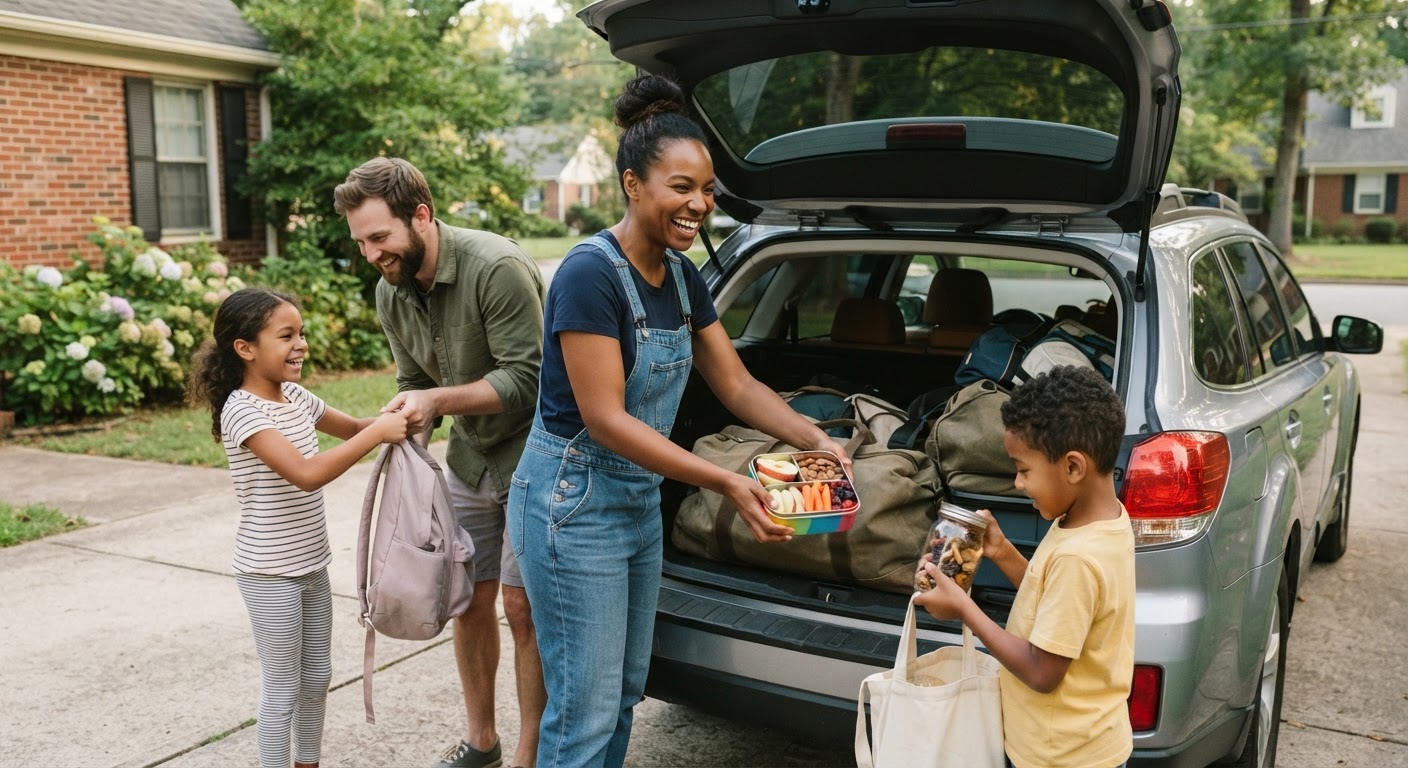
Embarking on a plant-based road trip with children can seem daunting, but with a little preparation, it can be a joyous and enriching experience for the entire family. This guide provides actionable steps to ensure your vegan family adventures are smooth, delicious, and stress-free, no matter your destination. The key to successful plant-based family travel lies in smart planning, engaging children in the process, and embracing the culinary diversity available globally.
What You'll Need for Your Vegan Road Trip
- A cooler bag or portable fridge
- Reusable food containers and snack bags
- Water bottles for each family member
- A small chopping board and knife (optional, for fresh fruit)
- Wet wipes and hand sanitiser
- A printed list of vegan-friendly restaurants or cafes along your route
- Engaging activities for children (books, games, audiobooks)
Step 1: Involve Your Kids in Planning
Make your children active participants in the planning process. Ask them about their favourite vegan snacks and simple meal ideas. This not only ensures you pack foods they'll actually eat but also builds excitement for the trip. For instance, you could present them with a few options for trail mix ingredients or ask them to choose between making homemade vegan energy balls or packing fruit leather. This shared ownership fosters a sense of responsibility and anticipation, making them more invested in the journey's success. A 2022 study by the University of Bristol highlighted that involving children in food choices can lead to greater acceptance of those foods.
Kid-Approved Vegan Snack Ideas
- Fresh fruit (apples, bananas, oranges, grapes)
- Vegetable sticks (carrots, cucumber, bell peppers) with hummus
- Rice cakes or corn thins with nut butter
- Trail mix (nuts, seeds, dried fruit, vegan chocolate chips)
- Homemade vegan cookies or muffins
- Fruit leather or dried fruit
- Plant-based yogurt pouches
Step 2: Pack Smart with Portable Vegan Meals and Snacks
The cornerstone of a successful plant-based road trip is a well-stocked cooler or insulated bag. Focus on foods that travel well and don't require extensive preparation. Sandwiches or wraps filled with hummus, vegetables, and plant-based deli slices are excellent options. Pre-made pasta salads or grain bowls can also be great for lunch stops. For snacks, prioritize items that are less prone to spoilage and mess. Nuts, seeds, dried fruits, and whole fruits like apples and oranges are ideal. Consider packing some non-perishable pantry staples like crackers, peanut butter, and fruit pouches for emergencies. The Food and Agriculture Organization of the United Nations (FAO) reports that reducing food waste is a critical component of sustainable food systems, and packing efficiently helps achieve this.
Step 3: Navigate with Vegan-Friendly Eateries
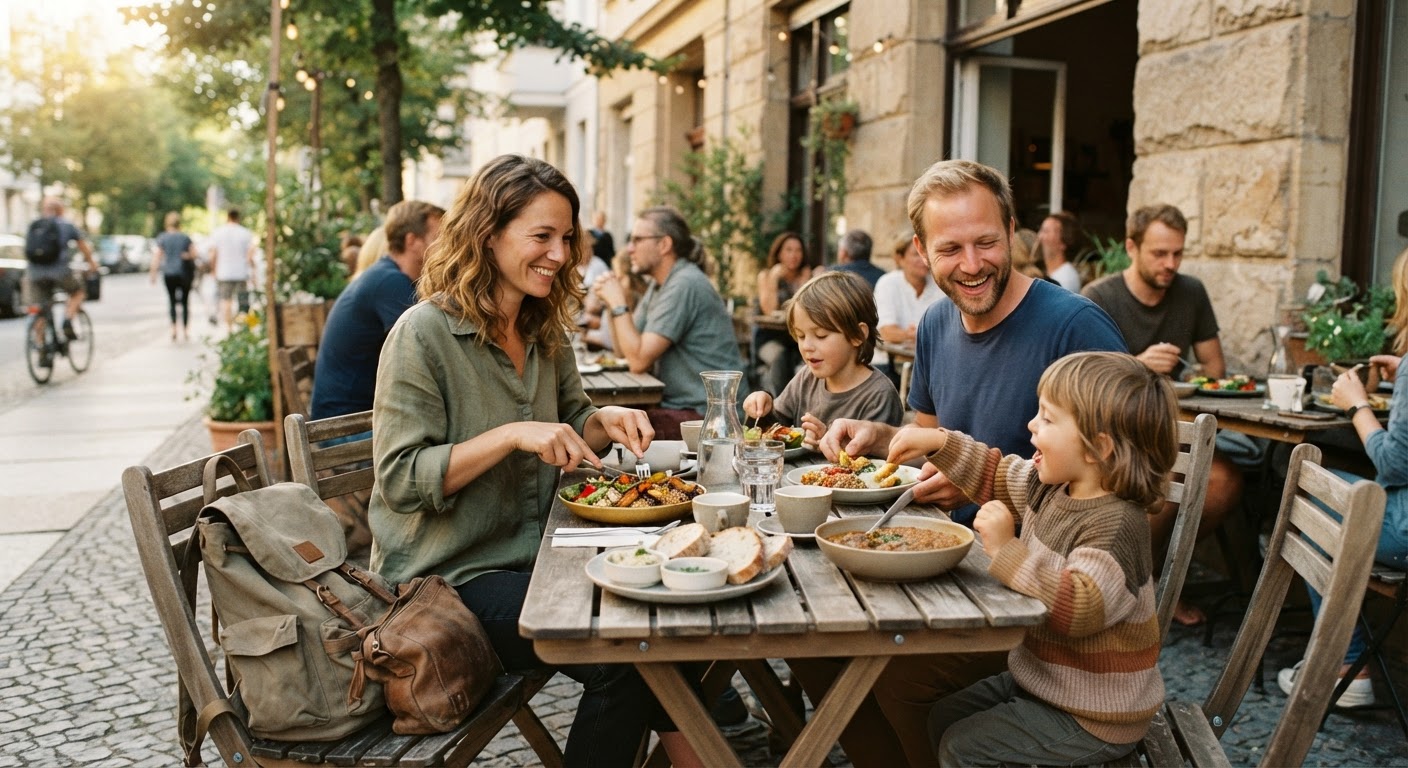
Before you set off, research vegan and vegetarian-friendly restaurants, cafes, and even supermarkets along your planned route. Apps like HappyCow or VegGuide are invaluable resources for finding plant-based options worldwide. Look for establishments that explicitly cater to vegans or have clear vegetarian options that can be made vegan. Many countries now have a growing number of dedicated vegan establishments. For example, major cities across Europe and Australasia boast an increasing number of entirely plant-based eateries. Having a list of potential stops can alleviate the stress of finding food on the go and ensure everyone enjoys their meals. A 2023 report by the EAT-Lancet Commission emphasizes the growing availability and demand for plant-based foods globally.
Tips for Eating Out
- Call ahead to confirm vegan options.
- Don't hesitate to ask for modifications (e.g., no cheese, no butter).
- Look for cuisines that naturally lend themselves to vegan dishes (e.g., Indian, Thai, Ethiopian).
- Check supermarket deli counters for pre-made vegan salads or sandwiches.
- Carry a small stash of emergency snacks.
Step 4: Embrace Reusables and Sustainability
A plant-based lifestyle often goes hand-in-hand with a commitment to sustainability. Pack reusable water bottles and encourage everyone to refill them whenever possible. Utilise reusable containers for snacks and leftovers to minimise packaging waste. This not only aligns with vegan principles but also saves money and reduces your environmental impact. Many service stations and cafes offer water refill stations. Consider packing a small reusable bag for any purchases or market finds. The Ellen MacArthur Foundation's New Plastics Economy report highlights the urgent need to reduce single-use plastics, and a road trip is an excellent opportunity to practice this.
Step 5: Plan for Downtime and Activities
Road trips with children often involve long stretches of driving. Break up the journey with planned stops at parks, playgrounds, or child-friendly attractions. Nature-based activities, like visiting a national park or going for a short hike, require minimal food provisions and offer a chance for everyone to stretch their legs and connect with the environment. Pack simple, engaging activities for the car, such as audiobooks, travel games, or drawing supplies. This proactive approach to entertainment can significantly reduce backseat fuss and make the travel time more enjoyable for everyone. The World Health Organization (WHO) recommends at least 60 minutes of moderate-to-vigorous physical activity daily for children and adolescents, and road trip stops are perfect opportunities.
Average Greenhouse Gas Emissions by Food Type (kg CO2e per kg)
Source: Poore & Nemecek, Science (2021) - updated Our World in Data
Step 6: Be Flexible and Enjoy the Journey
Despite the best planning, road trips can present unexpected challenges. Maintain a flexible attitude and be prepared to adapt your plans. Sometimes the most memorable moments come from spontaneous detours or discovering a hidden gem of a cafe. If a planned restaurant is unexpectedly closed, or a child is having an off day, take a deep breath and adjust. Focusing on the shared experience and the joy of discovery, rather than rigid adherence to a schedule, will make the trip more enjoyable. Remember, the goal is to create positive memories and foster a love for exploration and plant-based eating. As the popular saying goes, 'It's not about the destination, it's about the journey'.
“The key to successful plant-based family travel lies in smart planning, engaging children, and embracing culinary diversity.”
Troubleshooting Common Road Trip Challenges
- Picky Eaters: Always pack a few 'safe' snacks they love, even if they're not the most nutritious. Offer variety but don't force it.
- Limited Options: Have a backup plan. Pack extra non-perishable snacks or be prepared to make a simple meal from supermarket ingredients.
- Food Spoilage: Invest in a good cooler or ice packs. Pack items that are less likely to spoil quickly if left out for short periods.
- Car Mess: Keep wet wipes and a small rubbish bag handy. Encourage children to eat over a tray or napkin.
- Sickness: Pack remedies for travel sickness and ensure easy access to water and bland snacks if needed.
Final Thoughts for a Delicious Journey
Planning a plant-based road trip with kids is an opportunity to teach them about healthy eating, sustainability, and the joy of exploring new places and cuisines. By following these simple steps—involving children, packing wisely, researching dining options, embracing reusables, and staying flexible—you can transform potential stress into a memorable and enjoyable family adventure. Happy travels!
Frequently asked questions
What are the best vegan snacks for a long car ride with kids?
How do I find vegan food on a road trip?
Can I do a plant-based road trip without a cooler?
How do I keep my kids from getting bored on a vegan road trip?
What if there are no vegan restaurants where we're going?
Are vegan road trips more expensive than non-vegan ones?
What are the best vegan-friendly fast-food chains for kids?
How do I handle picky eaters on a plant-based road trip?
Sources & further reading
- Nature Food — nature.com/natfood
- Science — science.org
- Food and Agriculture Organization of the United Nations (FAO) — fao.org
- World Health Organization (WHO) — who.int
- EAT-Lancet Commission — eatforum.org
- WRAP (Waste & Resources Action Programme) — wrap.org.uk