Plant Milk vs. Dairy Milk: A Healthier Choice?
Explore the growing debate on plant-based milks versus traditional dairy, examining nutritional profiles, environmental impacts, and health benefits for a balanced perspective.
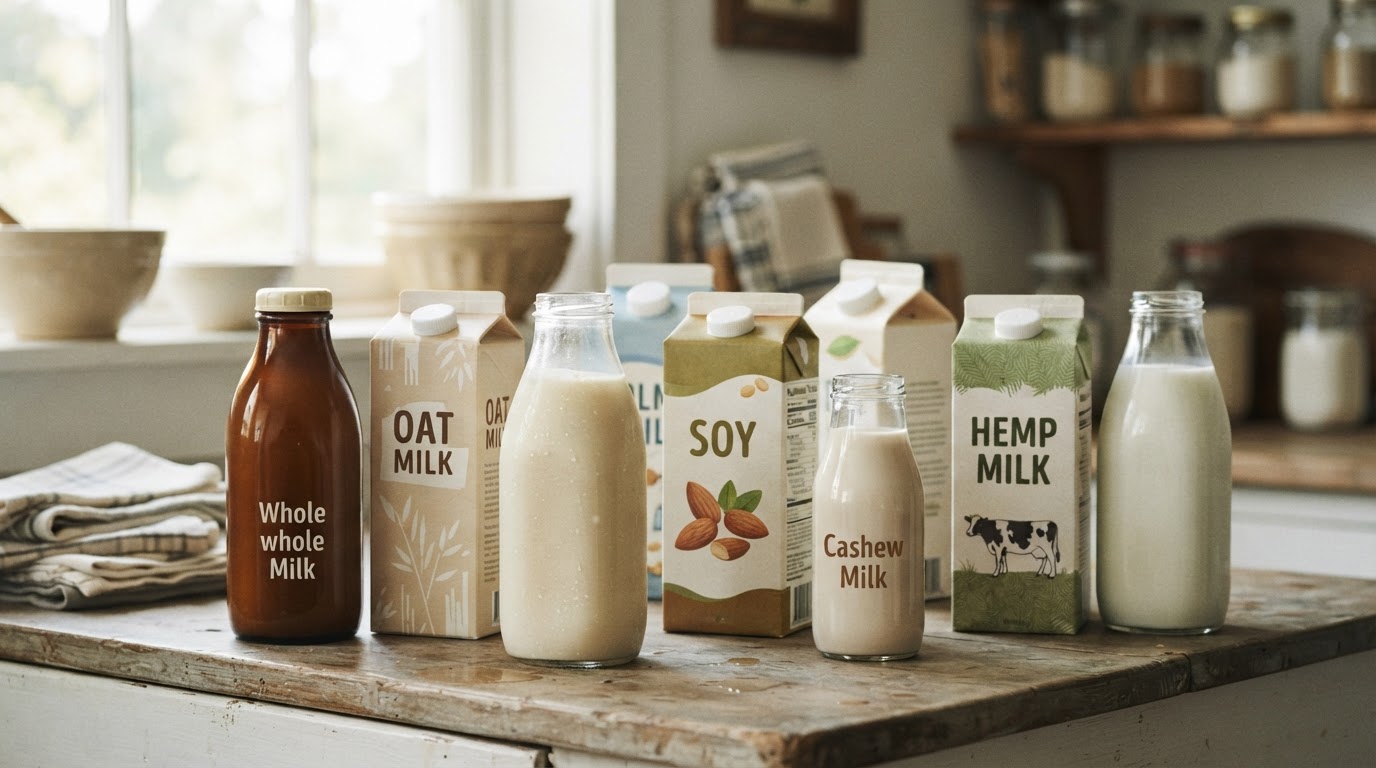
The global shift towards more sustainable and health-conscious diets has put plant-based milks in the spotlight, increasingly challenging the long-held dominance of dairy milk. For many consumers, the question is no longer if they should switch, but which plant-based alternative best suits their needs. This comparison delves into the nutritional nuances, environmental considerations, and health implications of choosing between plant milk and traditional dairy, aiming to provide clarity for conscious consumers worldwide.
The Case for Plant Milks
Plant milks, derived from sources like soy, almonds, oats, rice, and coconuts, have surged in popularity due to a confluence of factors. For a significant portion of the global population, lactose intolerance presents a compelling reason to avoid dairy. Symptoms can range from mild digestive discomfort to severe distress, making plant-based options a necessity for comfortable consumption. Beyond digestive ease, many find plant milks to be a more appealing choice for ethical and environmental reasons. The agricultural footprint of dairy production, including land use, water consumption, and greenhouse gas emissions, is considerably larger than that of most plant milk alternatives, as highlighted by numerous lifecycle assessments.
- Reduced allergen risk (lactose, dairy proteins).
- Lower environmental impact (GHG emissions, land use).
- Suitable for vegan and flexitarian diets.
- Wide variety of flavours and textures available.
Nutritionally, the landscape is complex but increasingly favourable for plant milks. While historically lower in protein and certain micronutrients, advancements in processing and fortification have closed the gap considerably. Many commercially available plant milks are now fortified with calcium, vitamin D, and vitamin B12, nutrients commonly associated with dairy. Oat milk, for instance, is often lauded for its creamy texture and natural sweetness, while soy milk remains a protein powerhouse, comparable to cow's milk. Almond milk offers a low-calorie option, though it's typically lower in protein unless fortified. The key lies in reading labels carefully, as added sugars and thickeners can vary significantly between brands and types.

The Case for Dairy Milk
Dairy milk has been a dietary staple for millennia, valued for its rich nutritional profile and cultural significance in many societies. It is a natural source of high-quality protein, essential amino acids, calcium, vitamin D (often fortified), vitamin B12, potassium, and phosphorus. These nutrients play crucial roles in bone health, muscle development, and overall bodily function. For many, the taste and texture of dairy milk are irreplaceable in cooking, baking, and beverages like tea and coffee. The dairy industry also plays a significant role in rural economies, supporting farming communities and agricultural landscapes.
Despite its nutritional density, dairy milk is not without its drawbacks. Lactose intolerance affects an estimated 65-70% of the world's population, a figure that rises significantly in certain ethnic groups, particularly those of East Asian, West African, and Indigenous American descent. Dairy allergies, distinct from intolerance, are also a concern for a smaller but significant population. Furthermore, the environmental impact of dairy farming is a growing concern for many consumers and policymakers. Studies by organisations like Our World in Data consistently show that dairy production has a substantially higher carbon footprint and land-use requirement compared to most plant-based alternatives.

Nutritional Showdown: A Comparative Look
Approximate Nutritional Comparison (per 240ml)
Data compiled from USDA FoodData Central and various brand nutritional information. Values can vary by brand and fortification.
Environmental Impact Comparison (per litre)
Data from Poore & Nemecek (2018), Science. Values represent greenhouse gas emissions and may vary based on farming practices and transport.
Head-to-Head: Key Comparison Criteria
- **Nutritional Equivalence:** Fortified plant milks can match dairy's calcium and vitamin D, but protein content varies greatly. Soy milk is often the closest plant-based protein source.
- **Digestive Health:** Plant milks are free from lactose, a significant benefit for the majority of the global population. Dairy can cause discomfort for many.
- **Environmental Footprint:** Dairy production generally has a much higher impact on greenhouse gas emissions, land use, and water consumption than most plant milks.
- **Allergens:** Dairy allergies are common in children. Plant milks avoid dairy allergens but may contain other allergens like soy or nuts.
- **Added Ingredients:** Some plant milks contain added sugars, thickeners, and emulsifiers that consumers may wish to avoid. Plain, unsweetened varieties are often preferred.
“The environmental advantages of plant milks are substantial, contributing to a lower carbon footprint for consumers.”
Verdict: Making an Informed Choice
Ultimately, both plant-based and dairy milks can be part of a healthy diet. The decision hinges on personal circumstances and priorities. As the market for plant milks continues to innovate, consumers have more choices than ever to align their beverages with their well-being and values. The ongoing research and development in this sector promise even more diverse and nutritious options in the future.
Frequently asked questions
Are plant milks healthier than dairy milk?
Which plant milk is best for protein?
What are the environmental differences between plant and dairy milk?
Can children drink plant milk instead of dairy milk?
What does 'fortified' mean on plant milk labels?
Are there hidden sugars in plant milks?
Sources & further reading
- USDA FoodData Central — https://fdc.nal.usda.gov/
- Our World in Data — https://ourworldindata.org/
- Science Journal — https://www.science.org/
- EAT-Lancet Commission — https://eatforum.org/eat-lancet-commission/