Repair Culture Explained: Why We're Fixing More
Discover the growing repair culture, its environmental benefits, and how fixing items instead of replacing them saves money and resources.
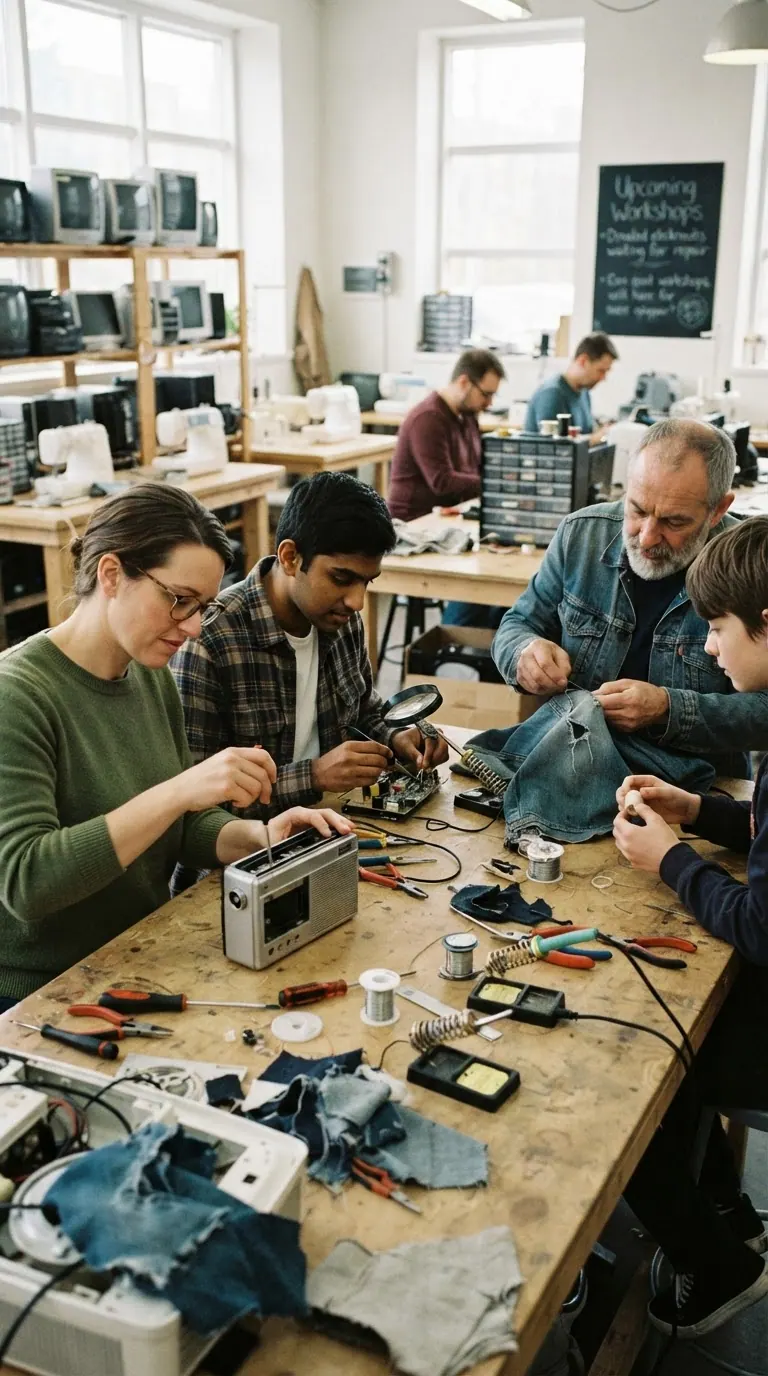
The repair culture is gaining momentum globally, shifting our relationship with consumption from one of disposability to one of durability. At its core, this movement champions the idea of fixing broken items – from toasters and televisions to trousers and chairs – rather than immediately replacing them. This isn't just a nostalgic nod to the past; it's a pragmatic and increasingly necessary response to mounting environmental pressures and economic realities. For many, embracing repair is becoming a cornerstone of a more sustainable lifestyle, directly addressing issues of waste, resource depletion, and the carbon footprint of manufacturing.
What the Research Shows
Material Footprint per Product Category (kg per capita)
Data reflects average annual material extraction per person for manufacturing these product categories. Source: European Environment Agency (EEA)
Research consistently highlights the substantial environmental benefits of extending product lifespans through repair. The manufacturing of new goods, particularly electronics and textiles, is incredibly resource-intensive, often involving mining rare earth metals, extensive water use, and significant energy consumption. Each new smartphone, t-shirt, or sofa we purchase contributes to this cycle. A 2023 report by the European Environmental Bureau (EEB) estimated that if the lifespan of electrical and electronic equipment were extended by just one year, it could save the equivalent of the annual carbon emissions of over 1.5 million cars. Similarly, organisations like the Waste & Resources Action Programme (WRAP) in the UK have quantified the immense potential of textile repair, suggesting that a significant reduction in textile waste could prevent millions of tonnes of carbon dioxide equivalent emissions annually.
How it Works: The Pillars of Repair
The resurgence of repair is built on several interconnected pillars: accessibility, knowledge sharing, and a growing dissatisfaction with planned obsolescence. Manufacturers have historically made it difficult and expensive to repair products, limiting access to spare parts and schematics, and designing items that are hard to disassemble. The 'Right to Repair' movement, gaining traction across Europe and North America, advocates for legislation compelling manufacturers to provide access to these resources for consumers and independent repair technicians. This legal push is crucial for levelling the playing field and enabling genuine repair.
- **Community Repair Workshops:** Local hubs where volunteers with repair skills help fix items for free or a small donation. Think of them as 'fix-it cafes' or 'repair parties'.
- **Online Tutorials and Resources:** Platforms like iFixit, YouTube channels, and specialised forums offer step-by-step guides for a vast array of repairs.
- **Independent Repair Shops:** Small businesses specialising in fixing specific items, from shoes and watches to bicycles and appliances.
- **Product Design for Repairability:** A growing demand for products designed with longevity and repair in mind, often labelled with 'repairability scores'.
Beyond the legislative and community efforts, a cultural shift is underway. Social media and online communities have fostered a culture of sharing knowledge. People are empowered to learn new skills, from sewing a button to replacing a laptop screen, often finding a supportive network online. This DIY ethos, combined with the tangible cost savings and the intrinsic satisfaction of fixing something yourself, is a powerful driver. It’s about reclaiming agency over our possessions and moving away from a passive consumption model.
“Repairing an item isn't just about fixing a fault; it's an act of defiance against a throwaway culture and a vote for a more sustainable future.”
What's Still Uncertain
Despite the positive momentum, significant challenges remain. The economic feasibility of repair versus replacement is still a major hurdle for many consumers, especially when cheap, mass-produced new items are readily available. The global supply chain for spare parts can be complex and unreliable, and the availability of skilled repair technicians for increasingly sophisticated electronics is a growing concern. Furthermore, harmonising 'Right to Repair' legislation across different jurisdictions and ensuring robust enforcement are ongoing tasks. The environmental impact of certain repair processes, such as the energy required for some electronic component replacement, also warrants careful consideration and innovation.
What it Means for You
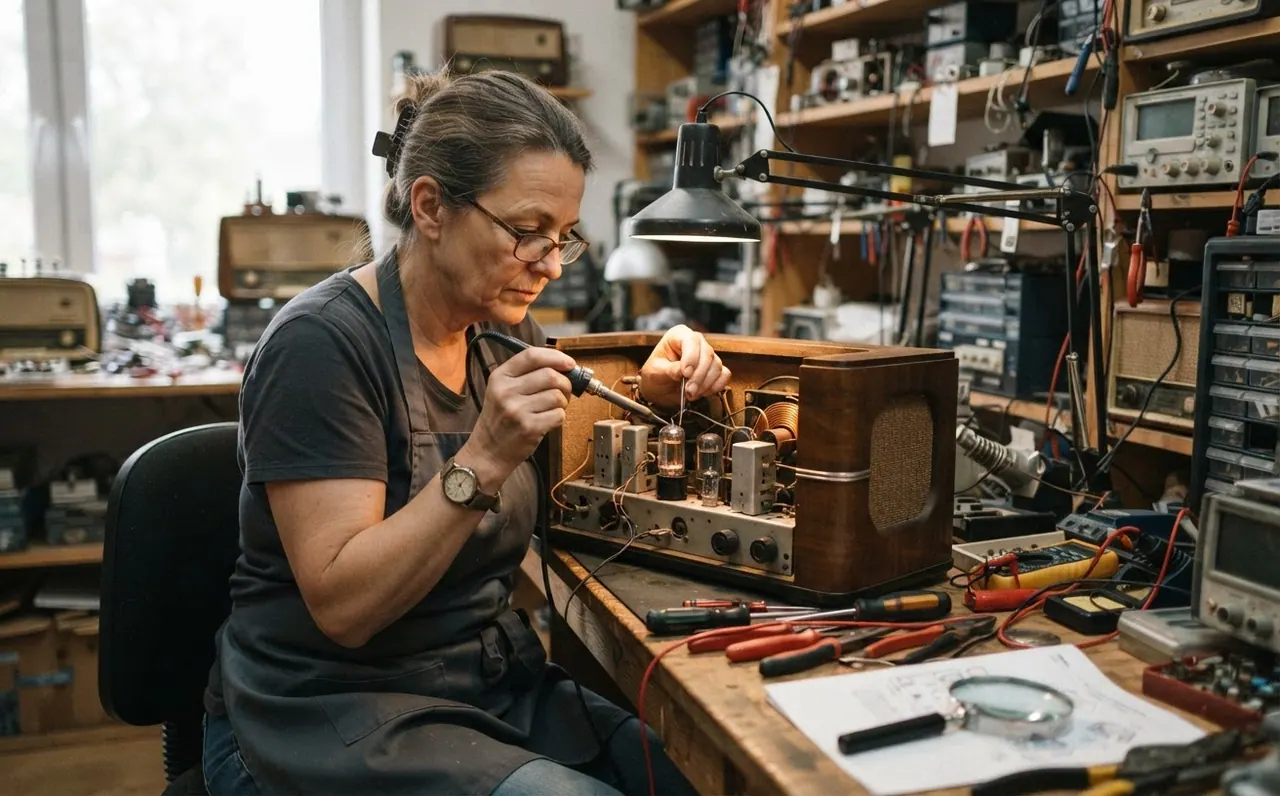
For individuals, the repair culture offers tangible benefits. It means saving money by avoiding unnecessary purchases. It means developing new skills and gaining a deeper understanding of the products we use. It also fosters a sense of community and connection, whether through attending a repair workshop or sharing repair tips online. For those interested in veganism and plant-based living, the repair movement aligns perfectly with a philosophy of reducing harm and waste. Just as we minimise animal exploitation, embracing repair minimises our environmental footprint by reducing the demand for new products that often have significant impacts on ecosystems and animal habitats through their production and disposal.
Consumer Attitudes Towards Repair
Based on surveys of consumers in the EU and North America. Source: European Environmental Agency (EEA)
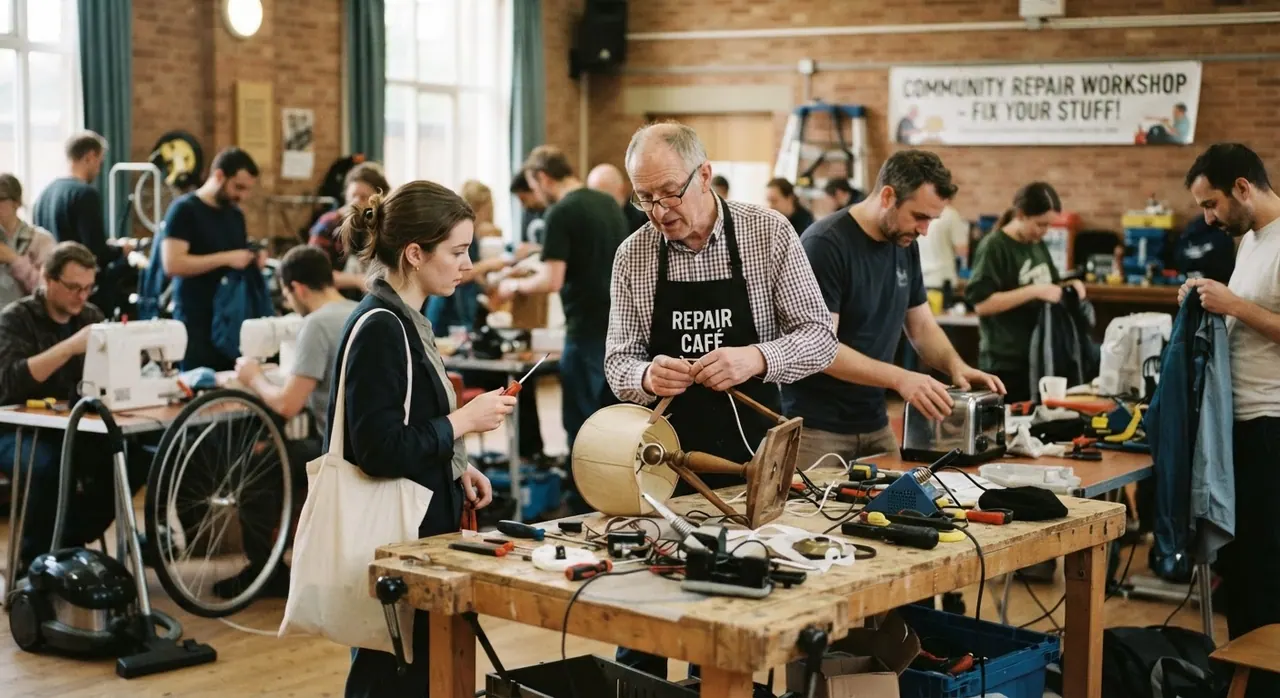
Ultimately, the repair culture is more than just a trend; it's a fundamental shift towards valuing longevity, skill, and resourcefulness. It’s a movement that empowers individuals, strengthens communities, and offers a tangible pathway to a more sustainable and equitable future. By choosing to fix, we choose to reduce waste, save money, and build a world where things are made to last.
Frequently asked questions
What is the main goal of the repair culture?
How can I get involved in the repair movement?
Is repairing items always cheaper than buying new?
What is 'planned obsolescence' and how does repair culture counter it?
Are there specific online resources for learning repair skills?
How does the repair culture relate to environmental sustainability?
Sources & further reading
- European Environmental Bureau (EEB) — eeb.org
- Waste & Resources Action Programme (WRAP) — wrap.org.uk
- European Environment Agency (EEA) — eea.europa.eu
- Consumer Reports — consumerreports.org
- Institute for Local Self-Reliance — ilsr.org