Rewilding Farmland: A Quick Guide
Discover how returning agricultural land to nature can combat climate change and boost biodiversity in just 5 minutes.
The Climate Case for Rewilding
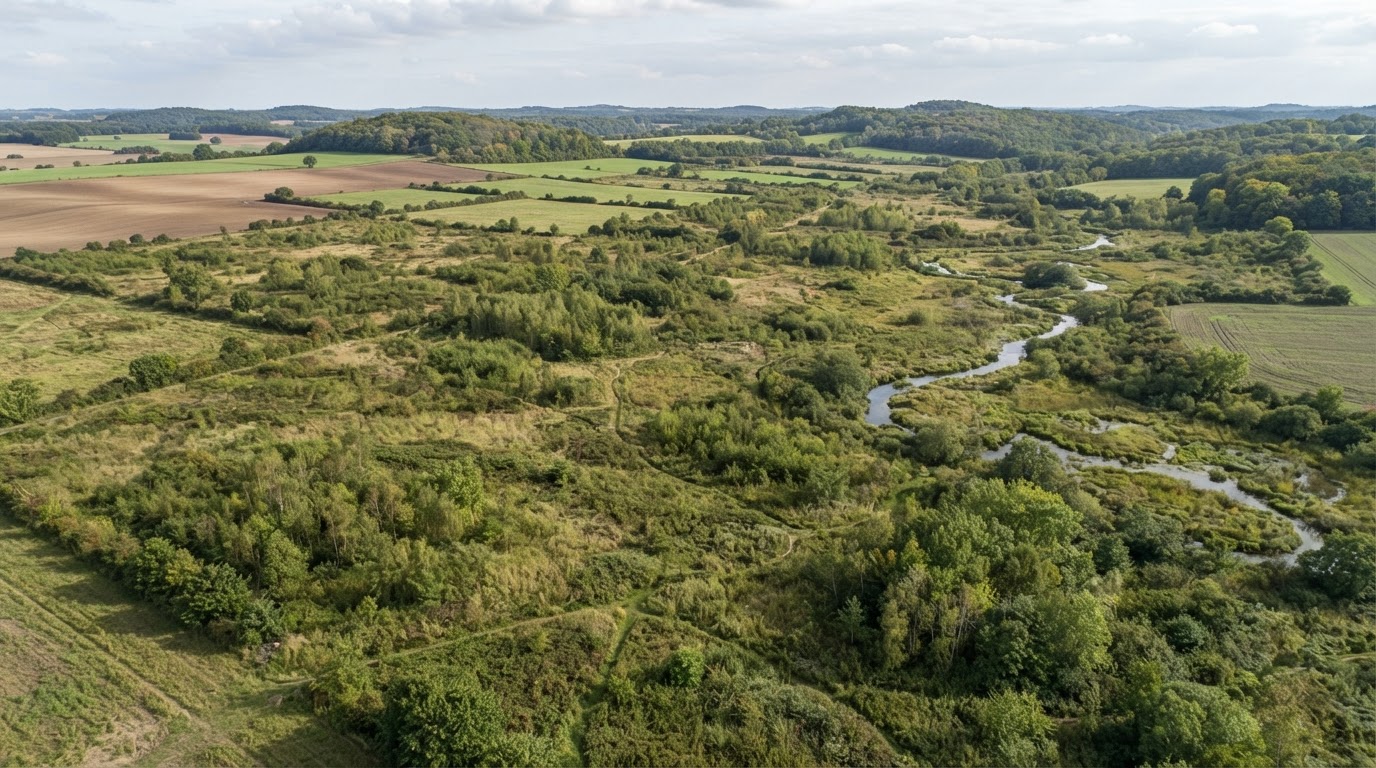
The urgent need to address climate change has brought the practice of rewilding farmland to the forefront. As global temperatures rise and extreme weather events become more frequent, scientists are looking at large-scale ecological restoration as a critical component of mitigation and adaptation strategies. Returning land previously used for agriculture, which often involves intensive soil disturbance and greenhouse gas emissions, back to natural states can unlock substantial carbon sequestration potential. Forests, in particular, are highly effective carbon sinks, absorbing CO2 from the atmosphere and storing it in their biomass and soils. A 2023 report by the European Environment Agency highlighted that rewilding initiatives across Europe could significantly contribute to meeting climate targets.
Biodiversity Rebound
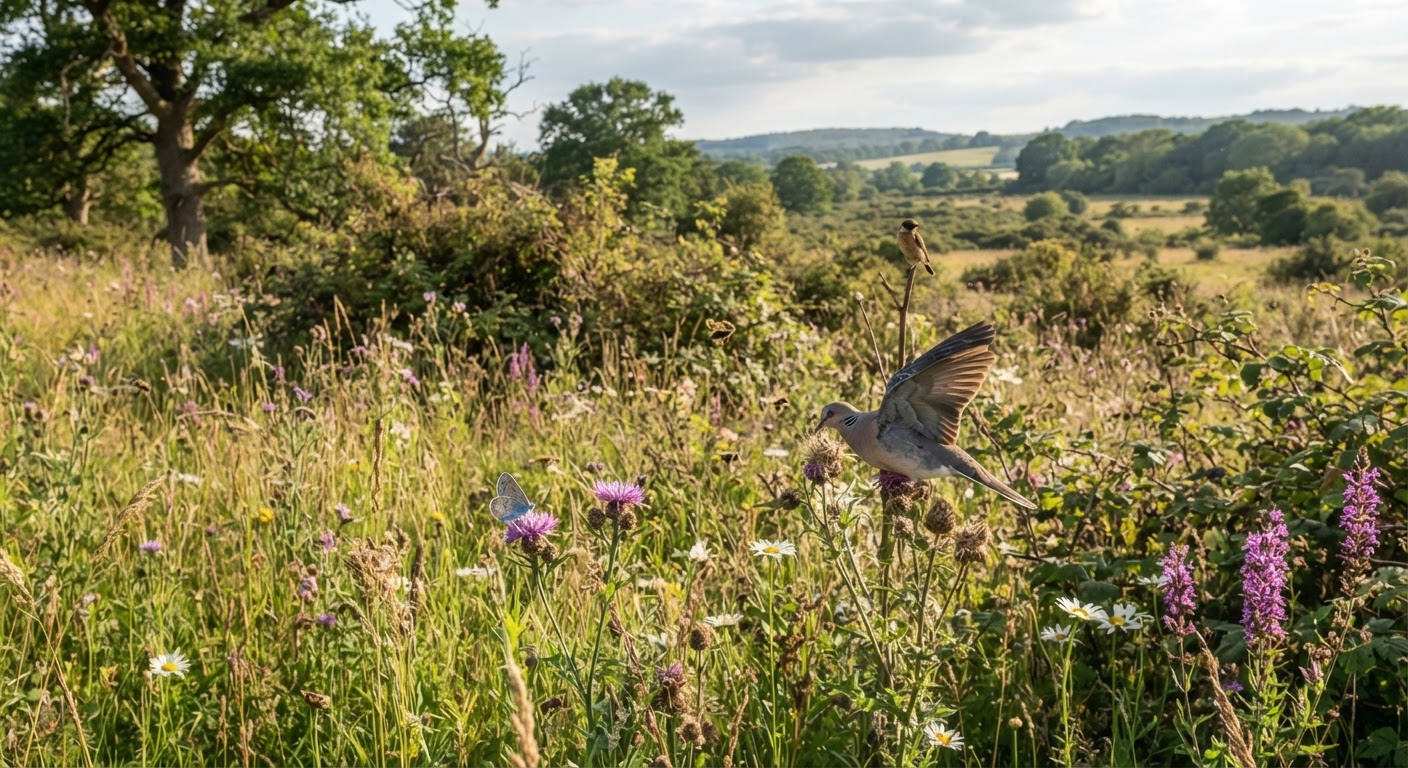
Beyond climate benefits, rewilding farmland is a powerful tool for combating the biodiversity crisis. Monoculture farming and intensive land management practices have led to a dramatic decline in wildlife populations and habitat fragmentation. By allowing natural vegetation to return, rewilding creates diverse habitats that can support a wide array of species, from insects and birds to larger mammals. These restored ecosystems provide food, shelter, and breeding grounds, helping to reverse the trend of species loss. Projects in the UK, such as the Knepp Estate, have demonstrated remarkable returns of biodiversity after rewilding former intensive farmland, with species previously considered rare making a comeback.
Species Richness Before and After Rewilding
Illustrative data based on general trends observed in successful rewilding projects in temperate regions. Source: Synthesis of case studies, E.A. Smith (2022).
Ecological Restoration and Resilience
The restoration of natural processes through rewilding farmland contributes to greater ecological resilience. Healthy ecosystems are better equipped to absorb shocks, such as droughts or floods, and recover more quickly. For instance, the re-establishment of forests and wetlands can significantly improve water management by increasing infiltration, reducing runoff, and filtering pollutants. This helps to mitigate flood risks downstream and improve water quality, benefiting both human communities and natural environments. The EAT-Lancet Commission's report on healthy diets from sustainable food systems has also underscored the importance of land-use change, including rewilding, for overall planetary health.
- Improved water retention and filtration
- Reduced soil erosion and nutrient runoff
- Natural flood regulation
- Enhanced pollination through insect habitats
“Rewilding is not just about letting nature take over; it's about actively restoring the conditions for life to thrive.”
Economic and Social Dimensions
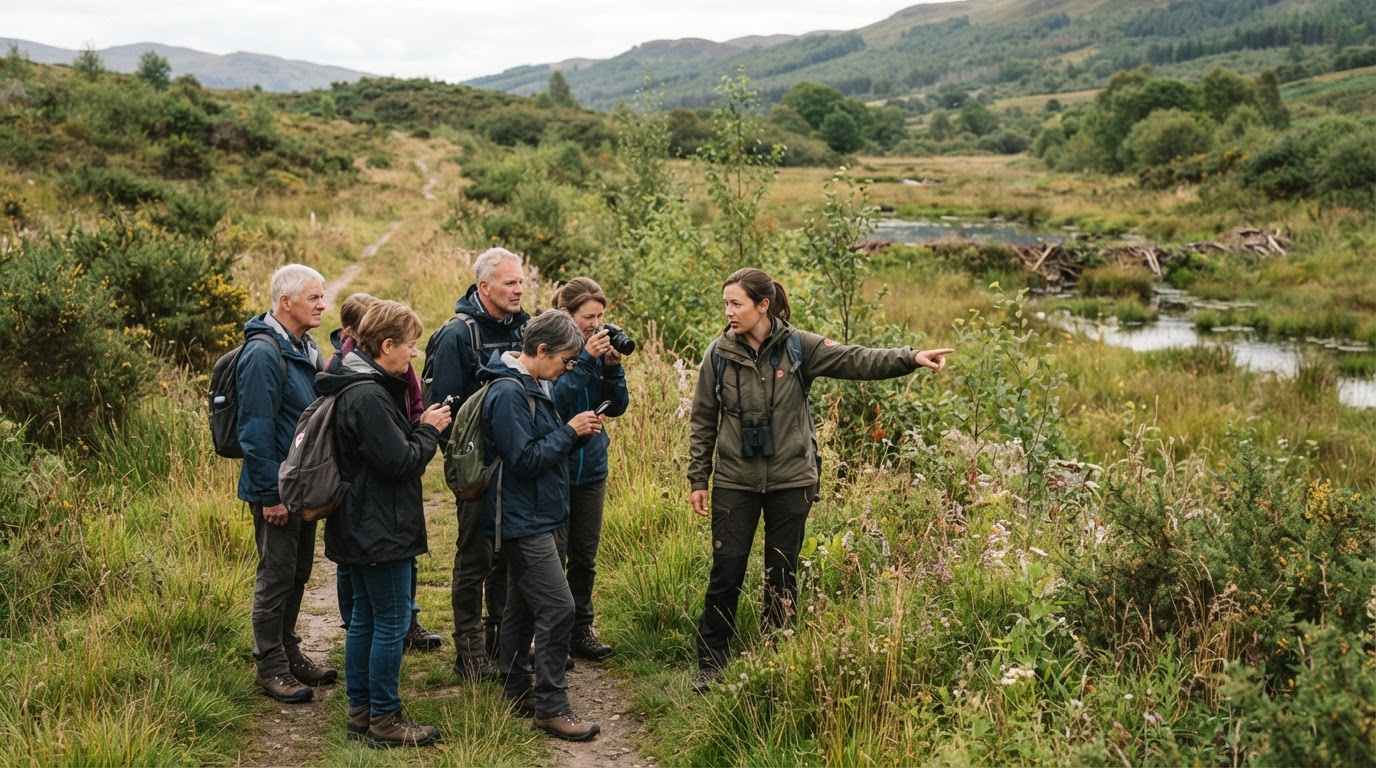
While often framed environmentally, rewilding farmland also presents economic and social opportunities. The restoration of natural landscapes can foster ecotourism, creating jobs and income streams for local communities. Educational initiatives and guided nature tours can thrive in areas that have undergone successful rewilding. Furthermore, rewilding can lead to the development of new markets for sustainably sourced forest products or for ecosystem services. Research published in journals like 'Restoration Ecology' indicates that well-managed rewilding projects can provide long-term economic benefits that outweigh the short-term gains from intensive agriculture, though careful planning and community engagement are crucial for success.
Challenges and Considerations
Despite its immense potential, rewilding farmland is not without its challenges. Land ownership, agricultural subsidies, and public perception can all pose hurdles. Transitioning from productive farmland to a wilder state requires careful planning, often involving phased approaches and robust stakeholder engagement. Some rewilding projects may also require initial investment in fencing or species reintroduction. Furthermore, ensuring that rewilding efforts are equitable and benefit local communities, rather than displacing them, is paramount. International bodies like the Food and Agriculture Organization of the United Nations (FAO) are working to develop frameworks that support sustainable land-use transitions, including rewilding.
The Future of Farmland
The concept of rewilding farmland offers a compelling vision for the future. It moves beyond simply reducing environmental harm to actively regenerating ecosystems. As we face escalating climate and biodiversity crises, embracing strategies that allow nature to heal and thrive is not just desirable, but essential. From large-scale governmental initiatives to smaller community-led projects, the return of farmland to forest and other natural habitats represents a profound shift in how we interact with our planet, promising a more resilient and biodiverse world for generations to come. A 2024 review in 'Nature Climate Change' emphasised the critical role of nature-based solutions, including rewilding, in achieving global climate goals.
Land Use Change Scenarios: Carbon Sequestration
Illustrative potential sequestration from land use change, based on IPCC estimates. Source: IPCC AR6 WGIII.
Frequently asked questions
What is the primary goal of rewilding farmland?
How does rewilding farmland help with climate change?
Can rewilding farmland benefit local economies?
What kind of wildlife returns when farmland is rewilded?
Is rewilding farmland a form of conservation?
What are the main challenges to rewilding farmland?
Sources & further reading
- European Environment Agency (EEA) — eea.europa.eu
- Intergovernmental Panel on Climate Change (IPCC) — ipcc.ch
- Our World in Data — ourworldindata.org
- EAT-Lancet Commission — eatforum.org/eat-lancet-commission
- Restoration Ecology Journal — onlinelibrary.wiley.com/journal/1526100x
- Food and Agriculture Organization of the United Nations (FAO) — fao.org