Why Silk's Animal Origins Demand Consideration
The shimmering threads of silk come at a hidden cost. Rethinking our use of this animal product is vital for a compassionate future.
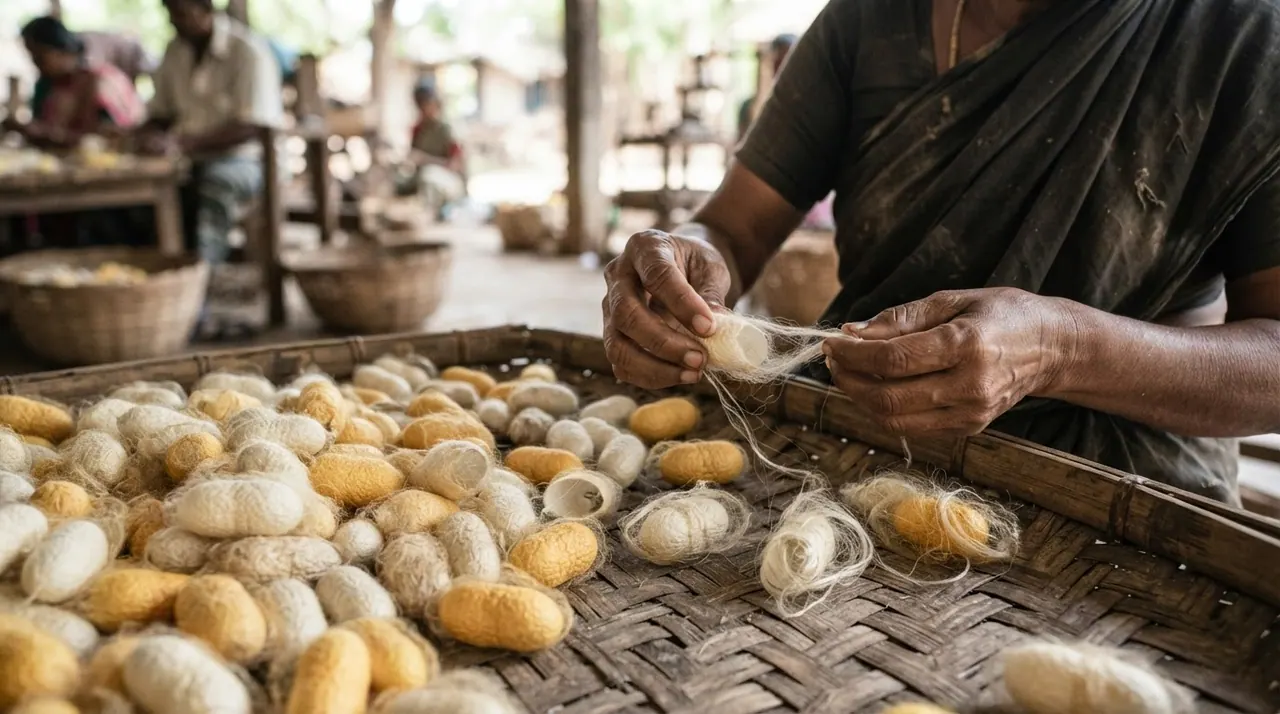
The shimmering allure of silk has captivated cultures for millennia, but the ethical implications of its production are often overlooked. While not as overtly controversial as meat or dairy, silk is unequivocally an animal product, derived from the cocoons of silkworms, primarily the Bombyx mori moth. The traditional method of harvesting silk involves killing the pupa inside the cocoon before it can emerge as a moth. This fundamental aspect of silk production raises significant moral questions for those seeking to minimise harm to sentient beings. Rethinking our reliance on silk acknowledges the inherent value of all life and encourages a deeper consideration of the true cost behind our clothing choices.
The Argument: A Life for a Thread
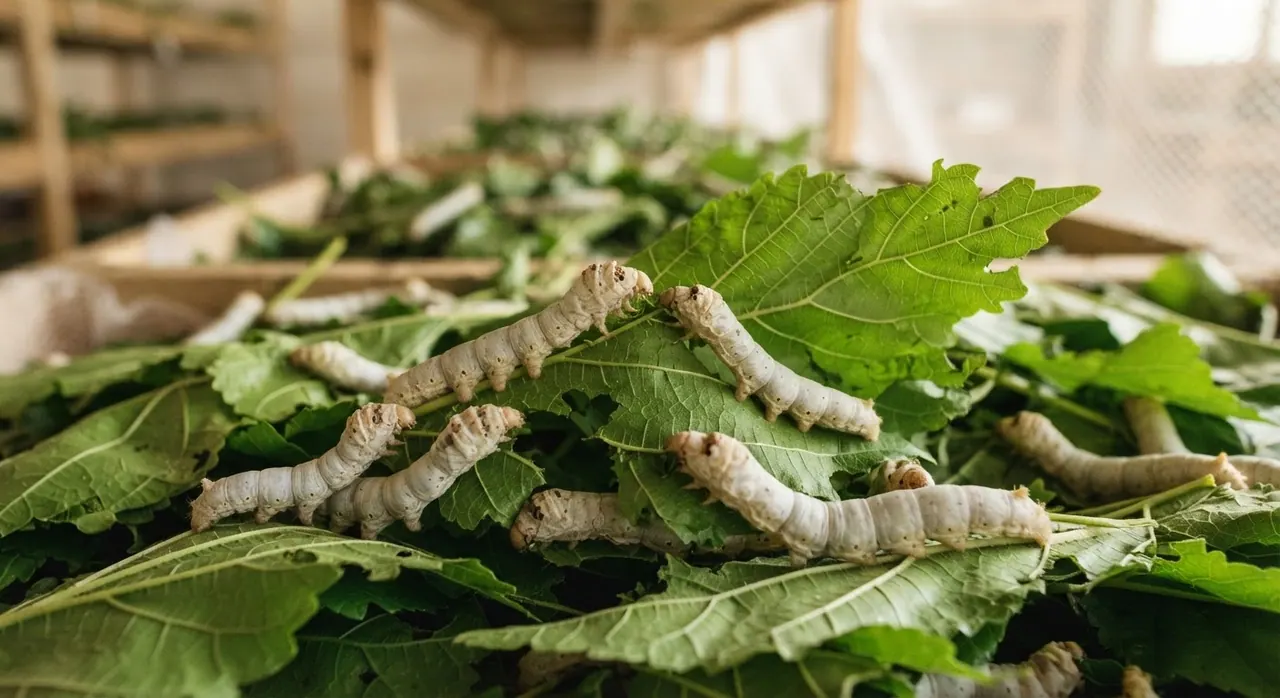
The process begins with silkworms, which are essentially larvae. These creatures are fed mulberry leaves for several weeks, growing and preparing to pupate. They then spin a cocoon around themselves, a protective casing made of a single, continuous thread of raw silk protein. It is at this pupal stage that the silkworm's life is typically ended. To extract the long, unbroken silk filament, the cocoons are boiled or steamed. This kills the pupa inside, preventing it from metamorphosing into a moth and breaking the delicate thread. Without this step, the emerging moth would puncture the cocoon, rendering the silk unusable for fine textiles.
The sheer scale of this operation is staggering. Billions of silkworms are cultivated and killed each year to meet global demand for silk. While some argue that these insects may not possess the same level of consciousness or capacity for suffering as larger animals, scientific understanding of insect sentience is evolving. Research suggests that insects, including moths, exhibit complex behaviours and can react to stimuli in ways that indicate a basic form of awareness. To dismiss their suffering simply because they are small or different from us is a form of speciesism, a prejudice based on species membership that many animal advocates strive to overcome. The question remains: is the aesthetic appeal of silk worth the lives of these creatures?
The Strongest Counter-Argument: Necessity and Tradition
Proponents of silk often point to its historical significance and unique properties. For centuries, silk has been prized for its lustre, strength, and drape, making it a favoured material for high fashion and ceremonial garments. Some argue that the silkworms used are specifically bred for this purpose and would not exist in their current form without human cultivation. Furthermore, they might contend that the economic benefits for communities involved in sericulture (silk farming) are substantial, supporting livelihoods. The argument is that this is a long-established agricultural practice, and the impact on the silkworms, while regrettable, is a necessary trade-off for a valuable and culturally significant material, especially when compared to the more intensive farming practices of other animal products.
Why It Fails: The Rise of Ethical Alternatives
Estimated Global Silk Production (Metric Tons per Year)
Data is an average from recent years, reflecting significant global production. Source: FAOSTAT (Food and Agriculture Organization of the United Nations Statistics Division).
The counter-argument falters when faced with the availability of viable alternatives. The notion that silk is irreplaceable is no longer true. 'Peace silk,' also known as 'Ahimsa silk,' is produced by allowing the silkworm to complete its metamorphosis and emerge from the cocoon before harvesting the silk. While this results in shorter filament lengths and a different fabric texture, it entirely avoids the killing of the pupae. Beyond peace silk, numerous plant-based fibres offer similar luxurious qualities. Tencel (lyocell), derived from wood pulp, can be engineered to have a silky sheen and drape. Bamboo silk, modal, and even certain types of organic cotton can be processed to mimic silk's feel and appearance. The environmental impact of conventional silk production is also a factor; sericulture requires significant water and land use, and the chemicals used in processing can be harmful. The FAO highlights the resource intensity of silk farming, making the ethical and environmental case for alternatives stronger.
What Follows: Embracing Compassionate Textiles
- Educate yourself and others about the realities of silk production.
- Seek out and support brands that offer cruelty-free alternatives like peace silk or plant-based fabrics.
- When purchasing textiles, check labels for material composition and ethical certifications.
- Consider the lifecycle impact of all clothing, not just the aesthetic appeal.
- Advocate for greater transparency in the fashion industry regarding animal welfare.
The Subtle Harm in Shimmer
The journey from silkworm to exquisite fabric is one fraught with ethical compromises. While the fashion industry has made strides in sustainability, the issue of animal-derived materials like silk often remains in the shadows. The gentle unfurling of a silk scarf or the elegant drape of a silk gown can mask the silent suffering of billions of insects. As consumers, we hold the power to shift demand. By making informed choices and embracing the growing array of innovative, cruelty-free textiles, we can weave a future where beauty and compassion are not mutually exclusive.
“The question isn't whether animals can reason, nor whether they can talk, but 'Can they suffer?'”
Considering the Future of Fibres
The ethical landscape of textiles is constantly evolving. As our understanding of animal sentience deepens and technological innovation accelerates, the justifications for using animal products diminish. Silk, with its inherent demand for the termination of insect life, stands at a crossroads. The choice to embrace alternatives is not just a personal one; it's a collective step towards a more humane and sustainable world. The allure of silk is undeniable, but so is the ethical imperative to minimise harm. By prioritising compassion, we can redefine luxury and beauty, ensuring that our choices reflect a deeper respect for all living beings.
Comparison of Water Footprint (Liters per kg)
Water footprint data can vary significantly based on farming and processing methods. Tencel's closed-loop production system is highly efficient. Source: Various environmental impact studies, often cited by sustainable textile organisations.
Frequently asked questions
Is silk an animal product?
How is silk made?
Are silkworms sentient?
What are alternatives to silk?
Does silk production harm the environment?
Why is peace silk different?
How many silkworms are killed for silk?
Sources & further reading
- FAOSTAT — Food and Agriculture Organization of the United Nations Statistics Division
- Nature Food — nature.com/natfood
- Our World in Data — ourworldindata.org
- PETA — peta.org
- Compassion in World Farming — ciwf.org