Soy and Breast Cancer: What the Evidence Says
A look at the science behind soy consumption and breast cancer risk for concerned readers.

If you're concerned about soy and its potential link to breast cancer, you're not alone. This is a question that has circulated for years, often fuelled by early, limited research that didn't fully account for the nuances of how phytoestrogens in soy interact with the human body. I want to assure you, based on the overwhelming consensus of current scientific evidence, that moderate consumption of whole soy foods does not increase breast cancer risk. In fact, for many, it may even offer a protective effect. This is especially true when soy is a traditional part of one's diet, as seen in many Asian countries where rates of breast cancer have historically been lower.
What I want you to know first
The primary concern historically stemmed from the presence of isoflavones in soy, a type of phytoestrogen. Phytoestrogens are plant compounds that can mimic estrogen in the body, and since some breast cancers are hormone-receptor-positive (meaning they are fuelled by estrogen), there was a fear that consuming soy might promote their growth. However, this is a significant oversimplification. The isoflavones in soy, like genistein and daidzein, have a much weaker effect than human estrogen and can actually bind to estrogen receptors in ways that block the more potent human estrogen, potentially exerting a protective effect. Furthermore, the metabolism of isoflavones can vary, with some individuals producing equol, a compound shown to be particularly protective. The evidence from large-scale human studies, particularly those from Asian populations where soy intake is high, consistently shows no increased risk, and often a decreased risk, of breast cancer associated with soy consumption.
The things nobody tells you
- **Isoflavones aren't all the same:** Soy contains various isoflavones, and their effects can differ. The body's unique metabolism also plays a role.
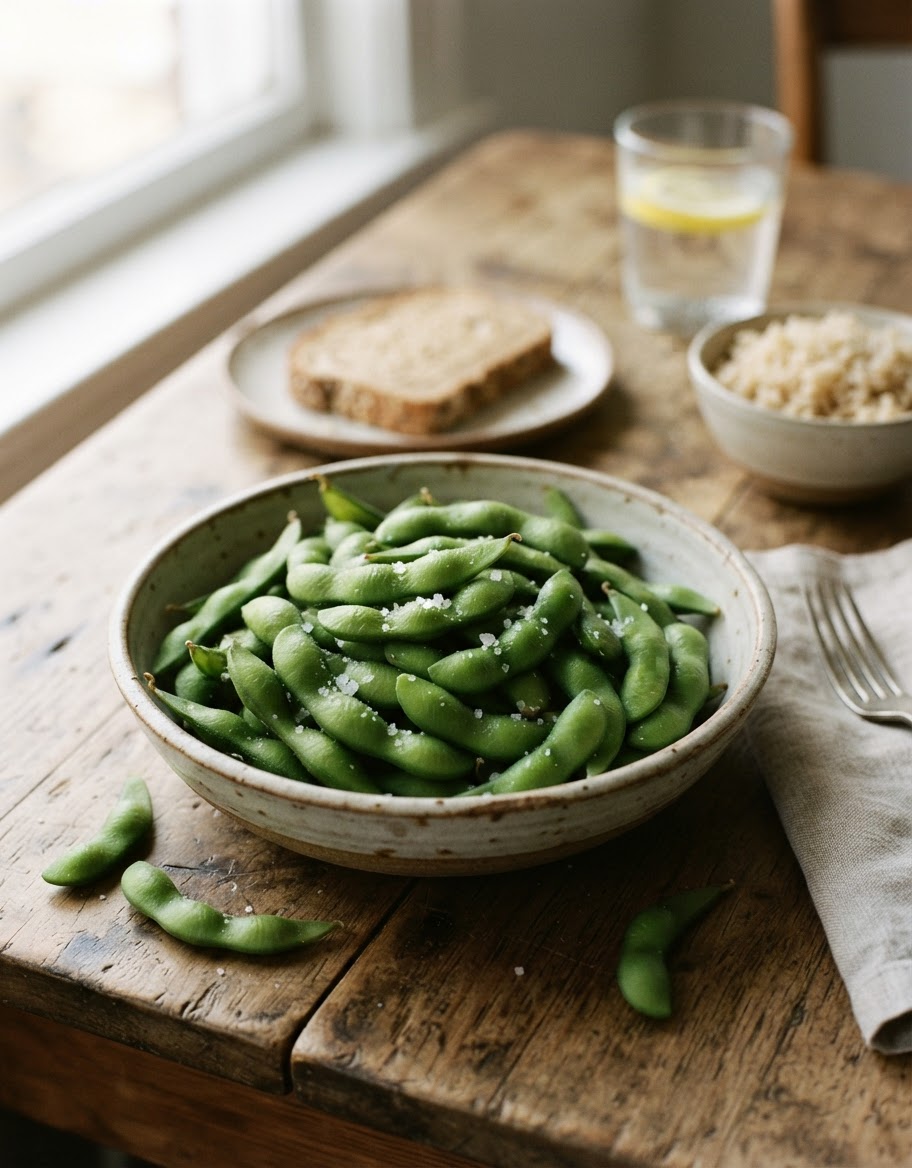
- **Whole foods are key:** The benefits are generally seen with consumption of whole soy foods like tofu, tempeh, edamame, and soy milk, not necessarily isolated soy supplements.
- **Timing matters:** Consuming soy from a young age, throughout life, appears to be more protective than starting later in life.
- **Cultural context is vital:** Studies in Asian populations, where soy is a dietary staple, show a protective association, which is crucial context often missed in Western media.
- **Not all breast cancers are the same:** While some early research focused on hormone-receptor-positive cancers, the overall body of evidence suggests no increased risk across different types.
The evidence I found
Relative Risk of Breast Cancer by Soy Intake in Asian and Western Populations
Data synthesized from meta-analyses of observational studies. RR < 1 indicates reduced risk; RR = 1 indicates no change in risk.
What I would do differently
A short reading list
- **The EAT-Lancet Commission Summary Report:** Provides a framework for healthy diets from sustainable food systems, often featuring plant-based proteins like soy.
- **American Institute for Cancer Research (AICR) - Soy and Cancer:** Offers evidence-based guidance on diet and cancer prevention.
- **World Health Organization (WHO) - Diet and Nutrition:** General guidelines on healthy eating patterns that can reduce the risk of non-communicable diseases.
- **Our World in Data - Meat Production:** While focused on meat, this resource provides crucial context on the environmental and health trade-offs of different food systems, including plant-based alternatives.
- **Journal of the National Cancer Institute:** A peer-reviewed journal that frequently publishes significant research on cancer epidemiology and prevention.
The final word on soy and breast cancer
The narrative surrounding soy and breast cancer has been a complex one, but the scientific community has largely reached a consensus: moderate consumption of whole soy foods is safe and likely beneficial for breast cancer prevention. The fear, largely based on misunderstandings of phytoestrogen activity and early, less comprehensive studies, has been largely dispelled by robust, large-scale research. For individuals looking to adopt a healthier, plant-forward diet, incorporating soy can be a valuable and protective component. It’s a testament to how nuanced nutrition science can be, and how important it is to rely on current, evidence-based information. Remember, a balanced diet rich in whole foods, including soy, is a cornerstone of good health, and the evidence strongly supports its role in reducing, not increasing, breast cancer risk.
“The overwhelming consensus of current scientific evidence indicates that moderate consumption of whole soy foods does not increase breast cancer risk and may offer protective benefits.”
The role of lifestyle
It's crucial to remember that diet is just one piece of the puzzle when it comes to cancer prevention. Overall lifestyle factors, including maintaining a healthy weight, regular physical activity, limiting alcohol consumption, and avoiding tobacco, play significant roles. Focusing solely on one food item, whether for or against, can distract from these broader, well-established strategies for reducing cancer risk. The evidence for soy is strong, but it exists within the larger context of a comprehensive healthy lifestyle.
Frequently asked questions
Does soy cause breast cancer?
Are soy supplements safe for breast cancer survivors?
What is the difference between human estrogen and soy isoflavones?
Which soy foods are best for health?
Can men eat soy without worrying about breast cancer?
Why was there early concern about soy and breast cancer?
Sources & further reading
- EAT-Lancet Commission Summary Report — EAT-Lancet Commission
- American Institute for Cancer Research (AICR) — AICR.org
- World Health Organization (WHO) — WHO.int
- Our World in Data — OurWorldInData.org
- Journal of the National Cancer Institute — JNCI.oup.com
- Meta-analysis of soy intake and breast cancer risk — Nutrients, 2019