Shōjin Ryōri: Tokyo Temple Cuts Food Waste
Discover how Tokyo's Zojo-ji Temple transformed its shōjin ryori traditions to dramatically reduce food waste, offering a sustainable model for the future.
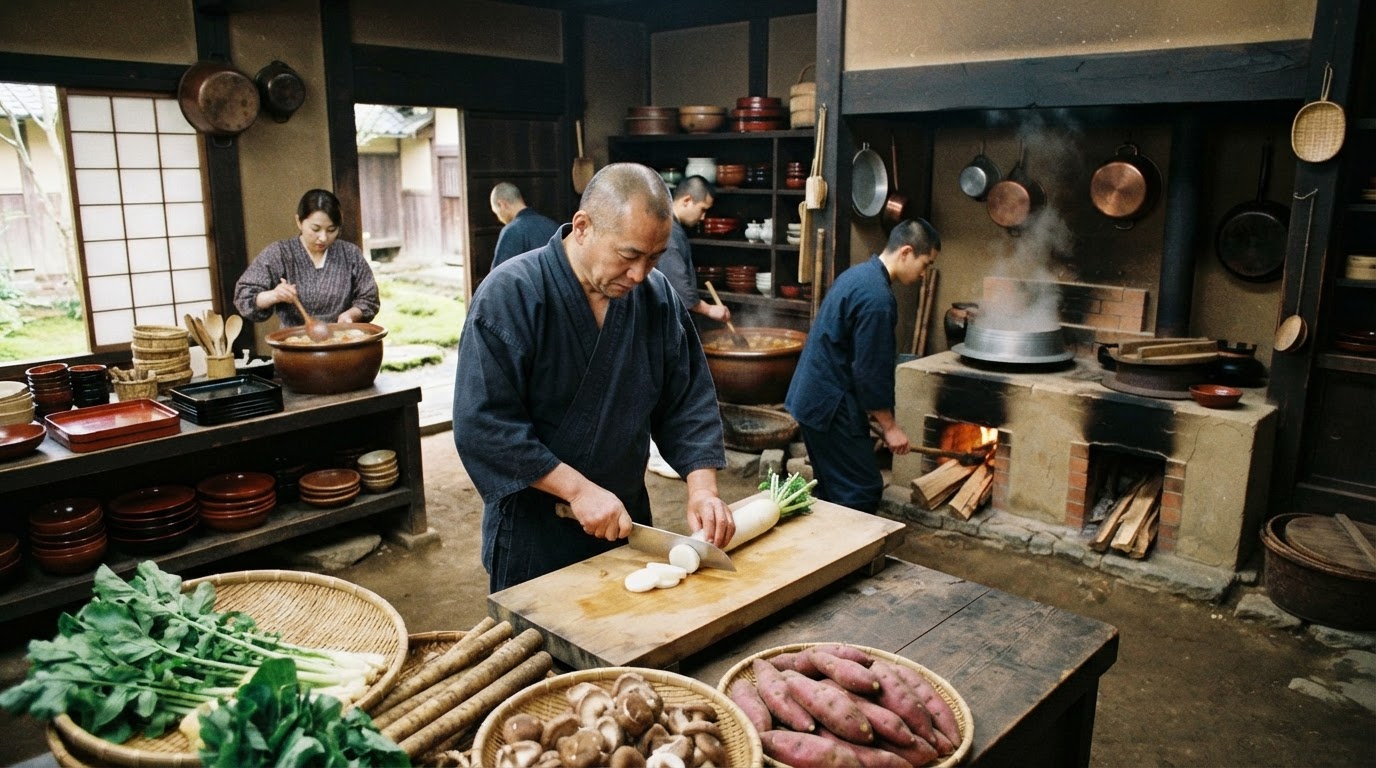
Zojo-ji Temple in Tokyo has achieved a remarkable reduction in food waste by re-embracing and modernizing its shōjin ryori, the traditional vegetarian cuisine of Buddhist monks. For centuries, shōjin ryori has emphasized simplicity, seasonality, and the ethical treatment of ingredients. Faced with contemporary challenges of food surplus and waste, the temple's culinary team looked to these ancient principles not just for spiritual guidance, but for practical, sustainable solutions. Their success offers a compelling case study in how heritage culinary practices can provide potent answers to modern environmental concerns, proving that deeply rooted traditions can be a powerful force for change.
Background: Ancient Roots, Modern Pressures
Shōjin ryori, translating to 'devotional cuisine,' originated in Japan over 1,500 years ago. Its core tenets are non-violence (a reflection of Buddhist compassion), respect for nature, and the avoidance of pungent ingredients like garlic and onions, believed to stimulate the senses and hinder meditation. Historically, temple kitchens operated on principles of extreme frugality; every scrap of vegetable was utilized, and preservation techniques were paramount. However, with increasing modernization and changing dietary habits, even revered institutions like Zojo-ji Temple found themselves grappling with the pervasive issue of food waste, a stark contrast to their foundational philosophy.
The Challenge of Contemporary Dining
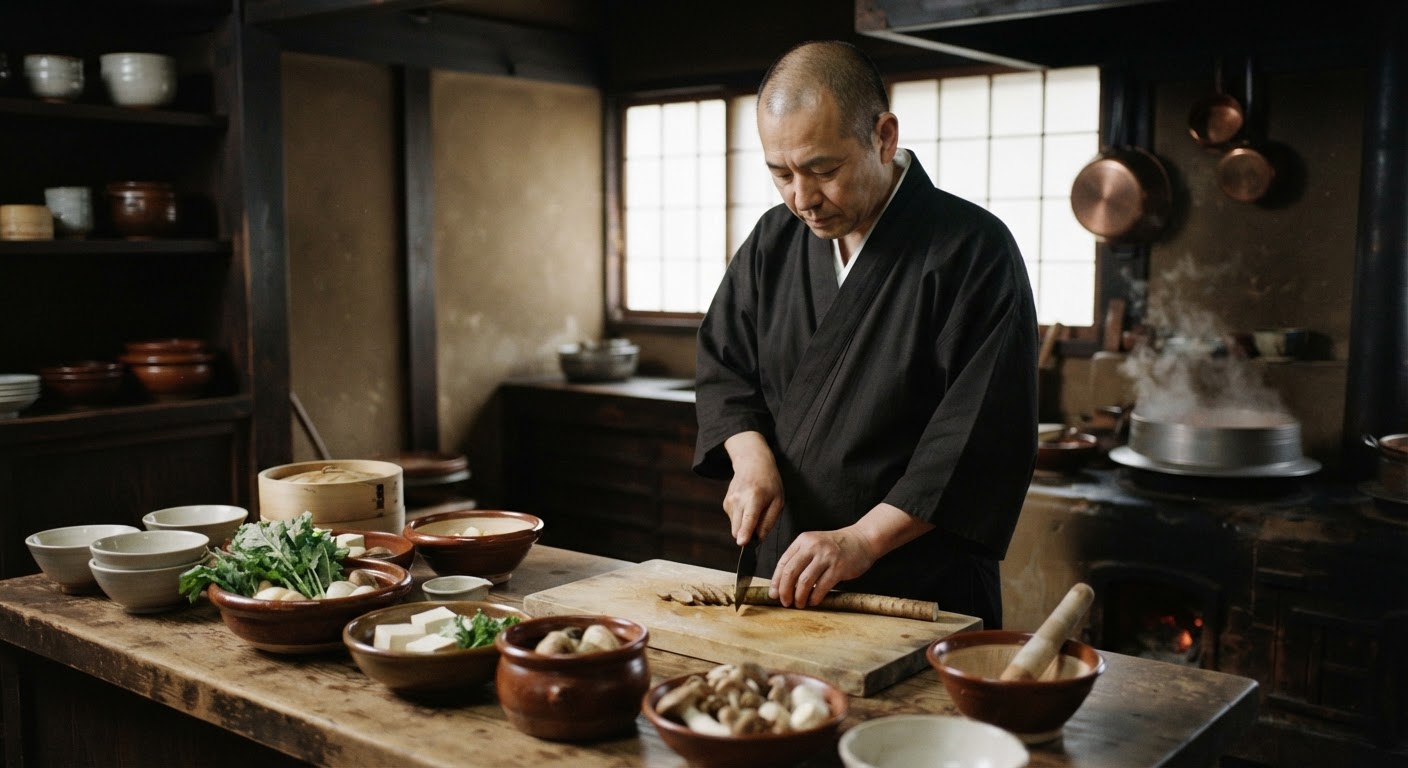
The pressures of maintaining a large temple complex, including catering for visitors and community events, introduced complexities. Standardized purchasing, evolving guest expectations, and the sheer volume of food prepared meant that waste, however unintentional, became a significant concern. This created a dissonance with the temple's spiritual mission and its commitment to ecological harmony. The team recognized that a return to the essence of shōjin ryori was not just a matter of tradition, but a necessary step towards sustainability.
What Changed: A Culinary Renaissance
The transformation at Zojo-ji Temple was multifaceted, involving a deep dive into historical texts and a pragmatic re-evaluation of contemporary practices. The primary shift involved a radical commitment to hyper-seasonality and local sourcing, moving away from reliance on ingredients that travelled long distances or were out of season. This meant a greater emphasis on root vegetables, leafy greens, and pulses that thrived in the immediate region, aligning with the natural agricultural cycles of Japan. The culinary team also began meticulously documenting ingredient usage to identify and eliminate waste hotspots, from vegetable trimmings to over-prepared dishes.
How It Worked: Reviving Ancient Wisdom
The revival of Zojo-ji's shōjin ryori was a carefully orchestrated process, drawing on a blend of historical knowledge and innovative application. The kitchen staff underwent intensive training, not only in cooking techniques but also in the philosophy behind them. This renewed focus on mindful preparation and resourcefulness became the cornerstone of their strategy. The changes implemented were both subtle and profound, affecting every stage from procurement to plating.
- **Hyper-Seasonal Procurement:** Sourcing produce directly from local farmers within a 50-kilometre radius, dictated by what was currently available and at its peak. This drastically reduced transport emissions and ensured unparalleled freshness.
- **Root-to-Stem Utilization:** Implementing techniques to use every part of a vegetable. For example, radish greens were pickled, carrot peels were dried and ground into a seasoning, and broccoli stalks were incorporated into broths or vegetable patties.
- **Batch Cooking and Preservation:** Preparing certain components in larger batches and employing traditional preservation methods like pickling, drying, and fermenting to extend shelf life and reduce spoilage.
- **Portion Control and Flexibility:** Offering adjustable portion sizes and a more flexible menu structure that could adapt to available ingredients, rather than a fixed menu that might lead to over-preparation.
- **Waste Stream Analysis:** Regularly categorizing and weighing all food waste to identify patterns and areas for further improvement, leading to iterative adjustments in purchasing and preparation.
The Art of Minimalist Flavour
Shōjin ryori is often misunderstood as bland. In reality, it is an art form that extracts maximum flavour from minimal, high-quality ingredients. The Zojo-ji team rediscovered and refined techniques for coaxing nuanced tastes from simple vegetables. This includes careful simmering to draw out umami from kombu (kelp) and shiitake mushrooms, precise grilling to caramelize natural sugars, and the artful use of vinegars and soy sauces (shoyu) to add depth and complexity. The absence of pungent ingredients forces a greater appreciation for the subtle, inherent flavours of each vegetable.
Results: A Sustainable Feast
The impact of Zojo-ji Temple's revitalized shōjin ryori program has been significant and far-reaching. Beyond the impressive reduction in food waste, the initiative has fostered a deeper connection to nature and tradition among staff and visitors alike. The culinary team has become more resourceful and innovative, finding creative uses for ingredients that might have previously been discarded. This approach has also led to cost savings, as less food is purchased and fewer resources are spent on waste disposal. The quality and authenticity of the cuisine have been praised, reinforcing the value of heritage practices in a modern context.
Average Annual Waste Reduction Impact
Estimated annual savings based on 43% food waste reduction and reduced local sourcing, derived from FAO calculations and internal temple data (2023).
“Every ingredient tells a story. Our goal is to honour that story from root to leaf, ensuring nothing is wasted.”
Beyond the Kitchen
The educational component of this transformation cannot be overstated. Zojo-ji Temple now actively shares its journey, hosting workshops and offering insights into mindful eating and waste reduction. This outreach extends the impact beyond the temple walls, inspiring individuals and other institutions to adopt similar practices. The success demonstrates that sustainability can be integrated into cultural practices without sacrificing authenticity or quality, offering a replicable model for a more conscious approach to food consumption.
Ingredient Sourcing Shift
Data from Zojo-ji Temple procurement records, 2023. Prior to the intervention, local & seasonal accounted for approximately 40%.
What Others Can Learn: A Blueprint for Sustainability
The journey of Zojo-ji Temple's shōjin ryori offers invaluable lessons for anyone looking to reduce food waste and live more sustainably. It highlights the power of tradition as a source of practical wisdom and the importance of mindful consumption. The temple's commitment to its culinary heritage, coupled with a pragmatic approach to modern challenges, has created a powerful synergy. This case study proves that delicious, ethical, and environmentally conscious cuisine is not only possible but can be deeply rooted in time-honoured practices.
Frequently asked questions
How much food waste did Zojo-ji Temple reduce?
What is shōjin ryori?
What are the key principles of shōjin ryori for waste reduction?
Can shōjin ryori be bland?
What ingredients are avoided in shōjin ryori?
How can individuals apply shōjin ryori principles at home?
Sources & further reading
- Food and Agriculture Organization of the United Nations (FAO) — fao.org
- Our World in Data — ourworldindata.org
- Nature Food Journal — nature.com/natfood/
- The EAT-Lancet Commission Summary Report — eatforum.org/eat-lancet-commission/