The True Cost of Chicken
Beyond the supermarket price, discover the hidden environmental and health expenses of poultry consumption.
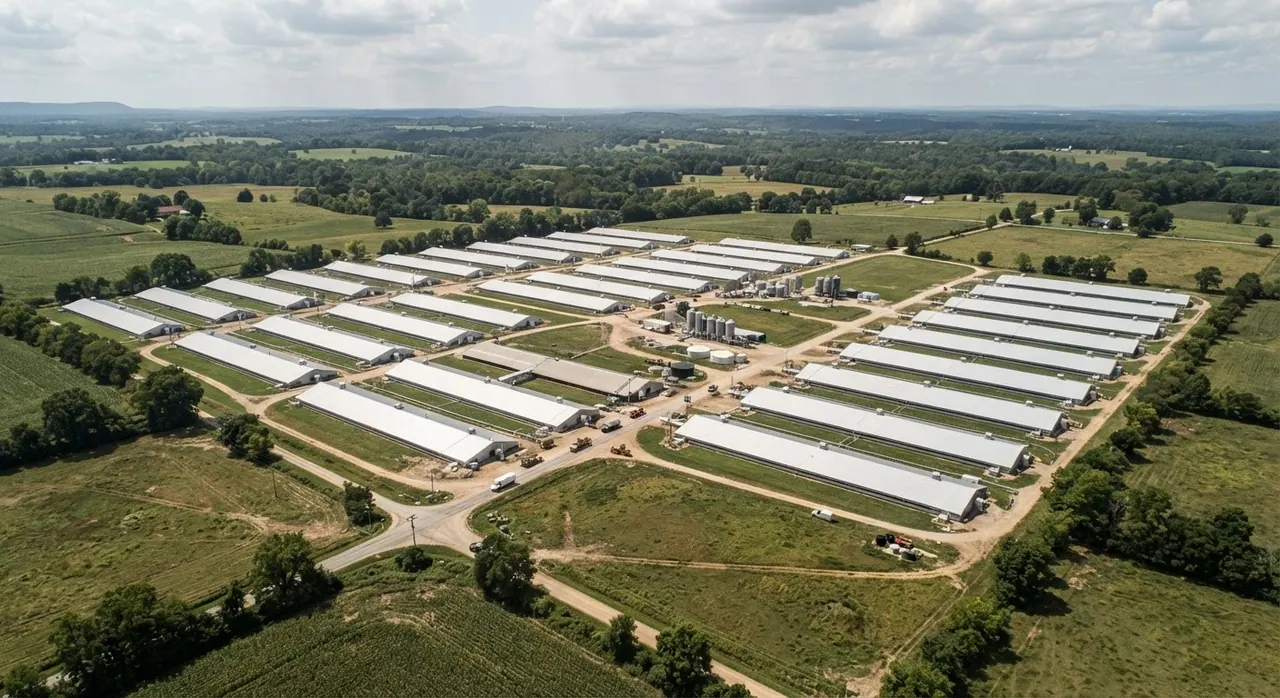
The price tag on a pack of chicken breasts might seem reasonable, often appearing as one of the more affordable animal protein options in grocery stores. However, this figure represents only a fraction of the actual cost associated with its production. When we consider the environmental toll, the strain on public health, and the ethical implications for animal welfare, the true cost of chicken becomes alarmingly high. This article aims to break down these often-invisible expenses, revealing what we truly pay for our poultry consumption.
The sticker price
The hidden costs
Environmental Impact of Chicken Production (per kg)
Data compiled from various life cycle assessments. Source: Our World in Data (2023), Poore & Nemecek (2018)
The industrial-scale farming of chickens, prevalent across much of the globe, places an immense burden on our planet. Vast quantities of feed, primarily soy and corn, must be grown, often leading to deforestation and habitat loss. The production of this feed is resource-intensive, requiring significant water, fertilisers, and energy. Furthermore, the sheer volume of animal waste generated by millions of birds in concentrated areas can pollute waterways, contributing to eutrophication and harming aquatic ecosystems. Ammonia emissions from poultry litter also contribute to air pollution and acid rain. The energy required for housing, heating, ventilation, and transportation further adds to the carbon footprint. A 2023 report by the Food and Agriculture Organization of the United Nations (FAO) highlighted the significant contribution of livestock farming to global greenhouse gas emissions, with poultry playing a notable role.
Water pollution and scarcity
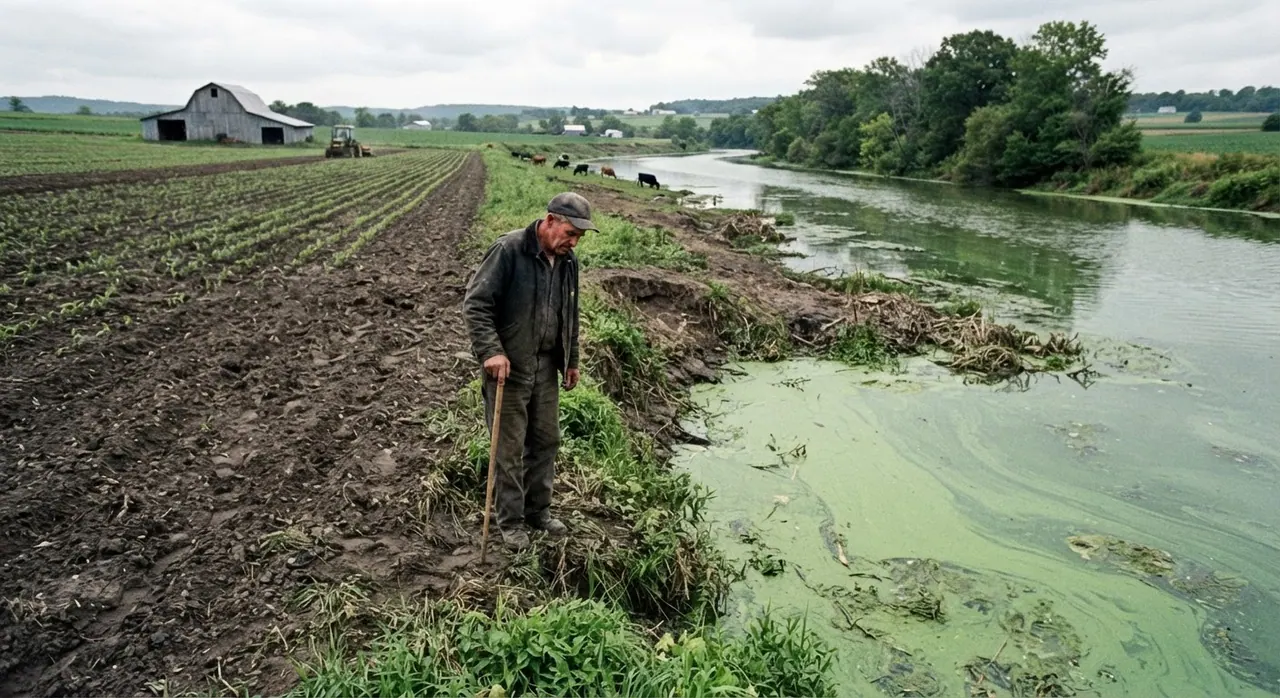
The water footprint of chicken is a complex issue. While the direct water consumption by the birds themselves might seem moderate, the indirect water use associated with growing their feed is substantial. Moreover, waste runoff from farms can contaminate local water sources with nitrates, phosphates, and pathogens, requiring extensive and costly treatment to make water safe for consumption. This pollution can have devastating effects on biodiversity and human health, particularly in regions already facing water stress. The EAT-Lancet Commission's report in 2019 underscored the need for dietary shifts to mitigate agricultural impacts on water resources.
Antibiotic resistance and public health
A significant, though often overlooked, cost of industrial chicken production is its contribution to the rise of antibiotic-resistant bacteria. To cope with the crowded and unsanitary conditions in many factory farms, antibiotics are frequently administered prophylactically. This widespread use creates an environment where bacteria can evolve resistance, posing a serious threat to human health. Infections that were once easily treatable can become life-threatening when bacteria no longer respond to antibiotics. The World Health Organization (WHO) has repeatedly warned about the escalating crisis of antimicrobial resistance (AMR), with agricultural use being a key contributing factor.
Animal welfare concerns
The economic model of industrial chicken farming prioritises speed and volume, often at the expense of animal welfare. Birds are bred for rapid growth, leading to skeletal and organ problems. They are typically housed in crowded conditions with limited space, preventing natural behaviours like foraging, dust bathing, or social interaction. For laying hens, confinement in battery cages or crowded barns is standard. While not always directly reflected in the price, the ethical cost of subjecting sentient beings to such conditions is a significant aspect of the true cost of chicken. Organisations like Compassion in World Farming advocate for higher welfare standards, highlighting the disconnect between consumer expectations and farming realities.
- Rapid growth rates leading to leg problems and organ failure.
- Intensive confinement and lack of space, preventing natural behaviours.
- Poor air quality and high ammonia levels in housing.
- Mutilations like beak trimming (for hens) without anaesthesia.
- Stress and injury due to handling and transportation.
Who pays what
- **Consumers:** Pay the retail price, but not the full cost of environmental cleanup or healthcare for antibiotic-resistant infections.
- **Environment:** Bears the brunt of pollution, habitat destruction, and greenhouse gas emissions.
- **Public Health Systems:** Incur costs treating antibiotic-resistant infections and waterborne illnesses.
- **Future Generations:** Inherit a degraded environment and a world with fewer effective antibiotics.
- **Animals:** Suffer from confinement, stress, and health issues inherent in industrial farming.
The plant-based comparison
Environmental Impact of Plant-Based Proteins (per kg)
Average emissions for common plant-based protein sources. Source: Poore & Nemecek (2018), Our World in Data (2023)
In stark contrast to the hidden costs of chicken, plant-based proteins offer a significantly lower environmental footprint. Legumes like lentils and beans, for instance, require far less land, water, and energy to produce, and generate substantially fewer greenhouse gas emissions. Tofu, derived from soybeans, also presents a more sustainable option than animal agriculture, though its production can be more resource-intensive than legumes due to processing. Research published in journals like Nature Food has consistently shown that plant-based diets are crucial for achieving global climate and sustainability goals. Shifting towards these alternatives not only reduces individual environmental impact but also alleviates the pressure on public health systems and animal welfare.
Reduced health risks
By choosing plant-based proteins, consumers also mitigate risks associated with antibiotic resistance and potential foodborne illnesses linked to animal agriculture. Diets rich in fruits, vegetables, legumes, and whole grains are also associated with numerous health benefits, including lower rates of heart disease, type 2 diabetes, and certain cancers, as evidenced by numerous studies from institutions like the Harvard T.H. Chan School of Public Health.
What changes if we priced honestly
If the true costs of chicken – environmental degradation, public health burdens, and animal suffering – were factored into its retail price, the cost would be substantially higher. This would likely lead to a significant reduction in consumer demand, encouraging a shift towards more sustainable food systems. Policies such as carbon taxes on agricultural emissions or levies to fund antibiotic resistance research could help internalise these externalities. Such changes would not only protect the environment and public health but also foster innovation in plant-based food production and regenerative agriculture. The transition to a more sustainable food future requires a collective understanding that the price at the checkout is rarely the whole story.
“The price of chicken is a fiction, masking the true environmental and health debts we accrue with every purchase.”
The path forward
Moving towards a food system that truly reflects the cost of production requires a multi-faceted approach. Consumers can make informed choices by reducing their consumption of industrially produced chicken and opting for plant-based alternatives. Supporting local, sustainable farms that prioritise animal welfare and environmental stewardship is also vital. Governments and regulatory bodies have a role to play in implementing policies that hold producers accountable for their environmental and social impacts. Ultimately, understanding and acknowledging the hidden costs of chicken is the first step towards building a more equitable, sustainable, and healthier food future for everyone.
Frequently asked questions
What are the main environmental costs of chicken farming?
How does chicken production contribute to antibiotic resistance?
What are the animal welfare concerns in industrial chicken farming?
Are plant-based proteins a more sustainable alternative to chicken?
Who ultimately pays for the hidden costs of chicken?
Can the price of chicken reflect its true cost?
Sources & further reading
- Our World in Data — ourworldindata.org
- Poore & Nemecek (2018) - Science — science.org
- Food and Agriculture Organization of the United Nations (FAO) — fao.org
- World Health Organization (WHO) — who.int
- The Lancet — thelancet.com
- Nature Food — nature.com/natfood