The True Cost of Dairy: Beyond the Milk Carton
Explore the hidden environmental and ethical price tag of dairy production, often overlooked in favour of its sticker price.
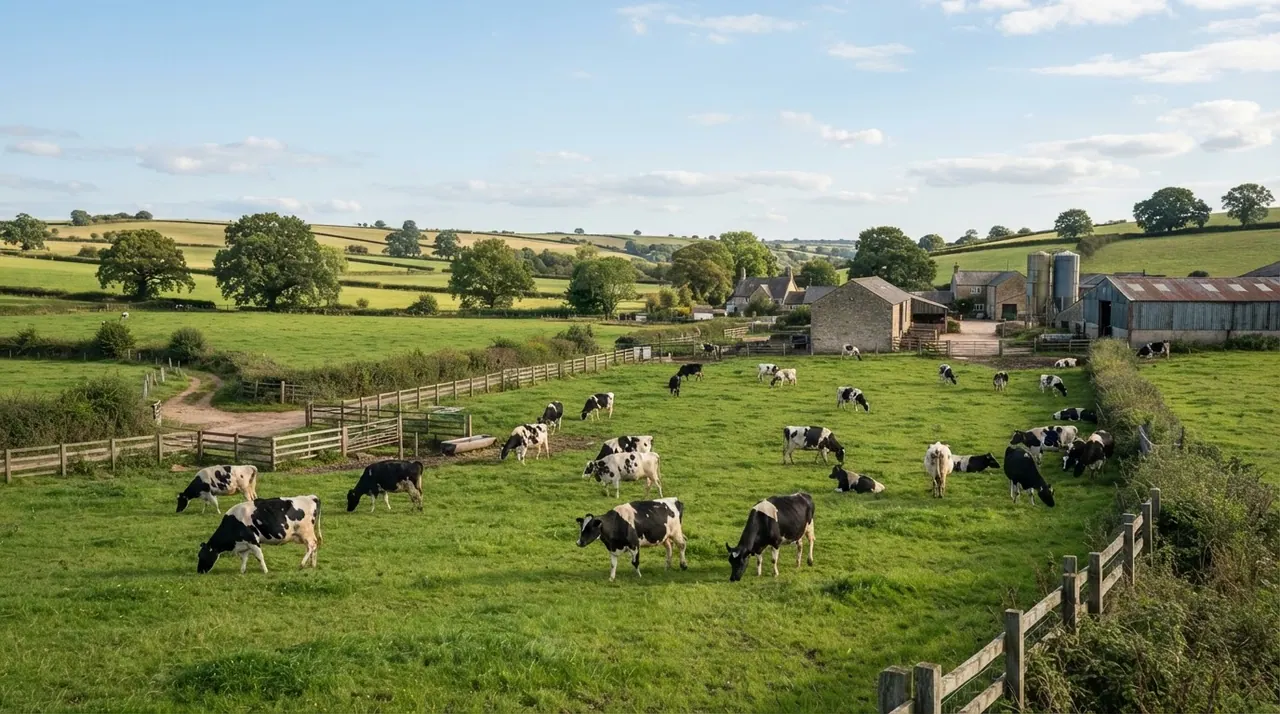
The familiar sight of a dairy farm, with its contented cows grazing in verdant fields, often masks a complex reality. For many, milk, cheese, and butter are staples, their prices seemingly stable and predictable. But what is the real price of a litre of milk or a block of cheddar? This article delves into the true cost of dairy, examining the environmental, ethical, and societal expenses that are not reflected on the supermarket shelf. We will uncover the often-forgotten greenhouse gas emissions, the burden on water resources, and the implications for animal welfare, providing a comprehensive breakdown of dairy's impact.
The sticker price
The hidden costs
Environmental Footprint of Dairy vs. Plant-Based Alternatives (per litre)
Data represents average greenhouse gas emissions. Source: Our World in Data (2023), based on Poore & Nemecek (2018)
The agricultural sector, and dairy farming in particular, carries a substantial environmental burden that is rarely factored into the price consumers pay. One of the most significant, yet often overlooked, externalities is the emission of potent greenhouse gases. Dairy cows are a major source of methane, a greenhouse gas over 80 times more potent than carbon dioxide over a 20-year period. Furthermore, the use of nitrogen fertilisers on pastures and manure management release nitrous oxide, a gas with an even higher global warming potential. These emissions contribute directly to climate change, a global crisis with far-reaching economic and social consequences that are borne by all, not just dairy producers or consumers.
Water pollution and consumption
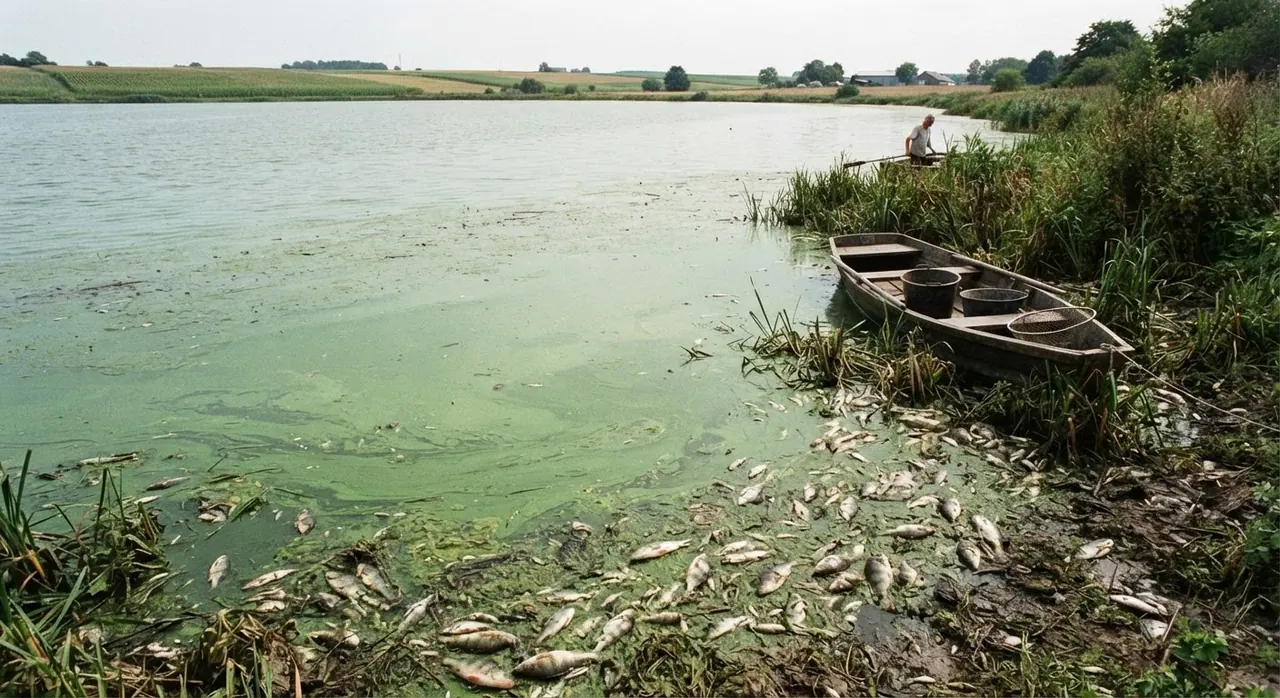
Dairy farming places considerable pressure on water resources. Large herds require vast amounts of water for drinking and sanitation. More critically, the runoff from farms, carrying animal waste, fertilisers, and pesticides, can severely pollute rivers, lakes, and groundwater. This pollution can lead to eutrophication, creating 'dead zones' in aquatic ecosystems where life cannot survive. The cost of treating this polluted water, or the loss of biodiversity and recreational value, is a hidden expense. A 2022 report by the European Environment Agency highlighted agricultural runoff as a primary driver of poor water quality across the continent.
Land use and biodiversity loss
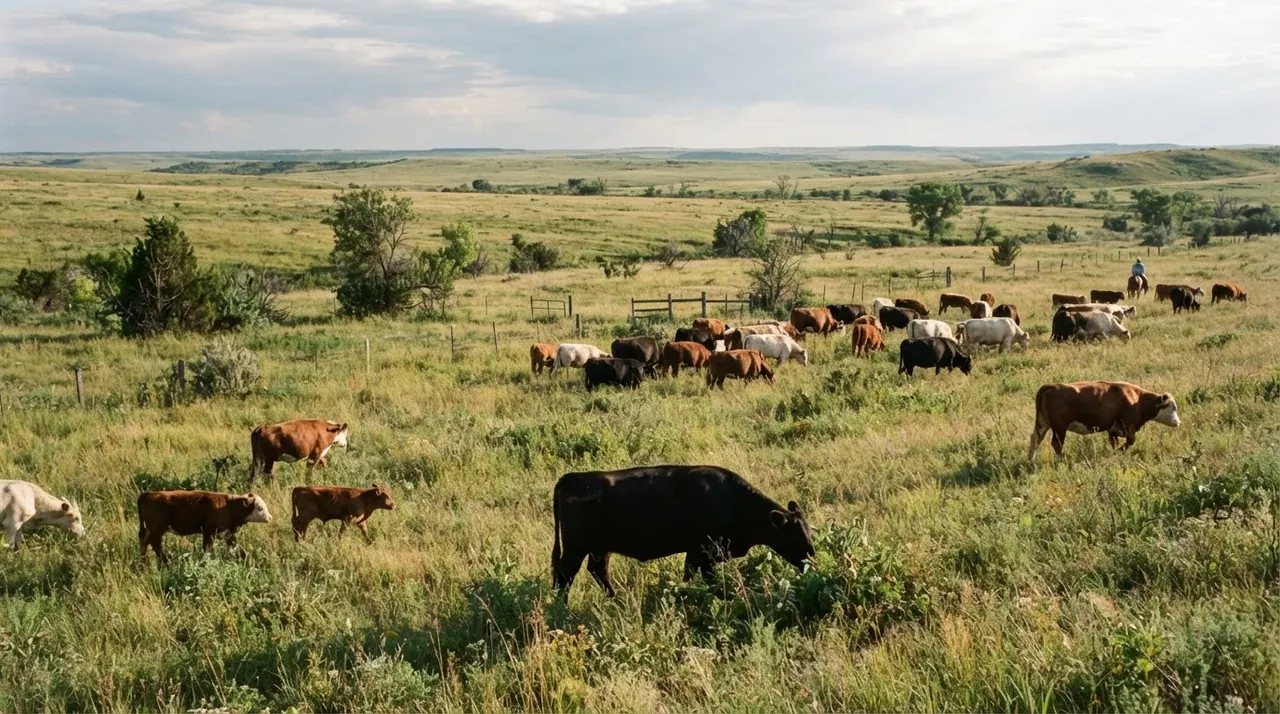
Vast tracts of land are required to grow feed for dairy cows and for grazing. In many regions, this land could otherwise be used for rewilding, carbon sequestration, or growing food for human consumption directly. The conversion of natural habitats into agricultural land for feed production is a significant driver of biodiversity loss. The extensive monocultures of crops like soy and maize, often grown for animal feed, offer little support for local wildlife. This loss of biodiversity weakens ecosystem resilience and has indirect economic costs, such as reduced pollination services and increased vulnerability to pests.
Animal welfare concerns
The intensive nature of modern dairy farming often raises serious ethical questions. Cows are routinely artificially inseminated, have their calves taken away shortly after birth to maximise milk production, and are subjected to procedures like dehorning and hoof trimming, often without pain relief. The lifespan of a dairy cow is significantly shorter than her natural potential, as she is typically culled once her milk production declines. These welfare issues represent a significant ethical cost, which many argue should be reflected in the product's price or considered in consumer choices. Organisations like Compassion in World Farming regularly document these practices.
Who pays what
- **Consumers:** Pay the retail price for dairy products, but not the full environmental or ethical cost.
- **Taxpayers:** Fund water treatment infrastructure, environmental clean-up efforts, and subsidies for agriculture.
- **Future Generations:** Bear the brunt of climate change impacts and biodiversity loss.
- **Animals:** Suffer from intensive farming practices and shortened lifespans.
- **Ecosystems:** Are degraded by pollution, land conversion, and water depletion.
The plant-based comparison
Land Use for Dairy vs. Plant Milks (per litre)
Data represents average land use. Source: Our World in Data (2023), based on Poore & Nemecek (2018)
When comparing the environmental footprint of dairy products with plant-based alternatives, the differences are stark. Plant-based milks, such as oat, soy, and almond, generally require significantly less land and water and produce substantially fewer greenhouse gas emissions per litre. For instance, producing one litre of cow's milk can require nearly 10 square metres of land, whereas producing a litre of oat milk typically requires less than one-tenth of that. This efficiency translates to a much lower environmental impact, making plant-based options a more sustainable choice for consumers concerned about their ecological footprint. The EAT-Lancet Commission report in 2019 highlighted the need for dietary shifts towards more plant-based foods to achieve global sustainability goals.
What changes if we priced honestly
The economic implications of externalities
If dairy products were priced to reflect their true environmental and social costs, their retail price would increase dramatically. This concept, known as 'true cost accounting' or 'full cost accounting', would incorporate externalities like greenhouse gas emissions, water pollution, and land use into the final price. Such a shift would make plant-based alternatives significantly more competitive, potentially driving a rapid transition towards more sustainable food systems. It would also incentivise dairy farmers to adopt more environmentally friendly practices, though the scale of change required is immense. This approach is gaining traction in policy discussions globally, with some advocating for carbon taxes on food products.
Policy and consumer action
Addressing the hidden costs of dairy requires a multi-pronged approach. Governments can implement policies that price in externalities, such as carbon taxes on agricultural emissions or stricter regulations on water pollution. Subsidies could be redirected from intensive animal agriculture towards sustainable, plant-based food production. Consumers, armed with information about the true cost of their food, can make more informed choices. By opting for plant-based alternatives more frequently, consumers directly reduce demand for products with a high environmental and ethical footprint. This collective action can signal to the market that a more sustainable food system is desired. The FAO's 'Pathways to Sustainable Consumption' initiative encourages such informed decision-making.
“The milk we buy at the shop is only a fraction of its real cost. The planet and its inhabitants pay the rest.”
Conclusion: A more transparent future
The true cost of dairy is a complex web of environmental degradation, ethical compromises, and societal burdens that extend far beyond the farm gate. By understanding these hidden expenses, we can begin to appreciate the profound impact of our food choices. The transition to a more sustainable food system requires transparency, informed consumers, and policy changes that ensure the price of food reflects its true impact on our planet and its inhabitants. The growing availability and quality of plant-based alternatives offer a viable and delicious path forward, one that benefits our health, our environment, and our collective future.
Frequently asked questions
What are the main greenhouse gases produced by dairy farming?
How does dairy farming affect water quality?
Why is land use a major issue for dairy?
Are plant-based milks always better for the environment?
What is 'true cost accounting' in food production?
How can I reduce my dairy's environmental impact?
Sources & further reading
- Our World in Data — ourworldindata.org
- The Grocer — thegrocer.co.uk
- European Environment Agency — eea.europa.eu
- EAT-Lancet Commission Summary Report — eatforum.org
- Poore & Nemecek (2018) - Science — science.org