UK Algae Farm Cultivates Sustainable Omega-3s
A UK-based algae farm demonstrates how to produce vital omega-3s with minimal environmental impact, offering a sustainable alternative to traditional sources.
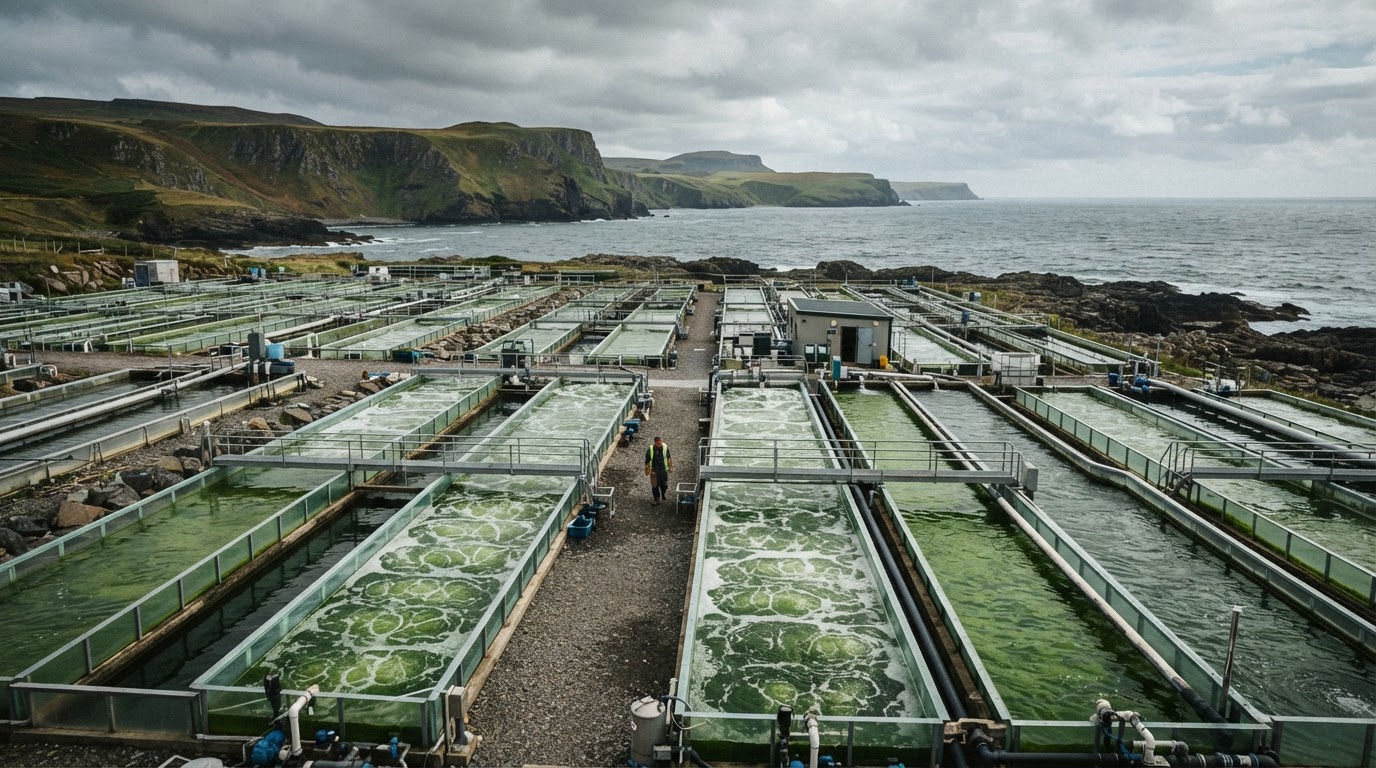
The quest for sustainable, nutrient-dense food sources has led many to look beyond conventional agriculture, and the UK's coastal regions are emerging as pioneers in cultivating algae for essential nutrients, particularly omega-3 fatty acids. A leading farm on the south coast of England has showcased how algae bioreactors can yield high-quality DHA and EPA, vital for human health, with a fraction of the environmental footprint associated with traditional animal-based omega-3 production. This case study explores their journey, the challenges overcome, and the profound implications for a more sustainable global food system.
Background: The Omega-3 Dilemma
Omega-3 fatty acids, specifically eicosapentaenoic acid (EPA) and docosahexaenoic acid (DHA), are crucial for human health, supporting brain function, cardiovascular health, and reducing inflammation. Traditionally, these nutrients have been sourced from oily fish like salmon, mackerel, and sardines. However, this reliance poses significant environmental challenges. Overfishing depletes marine ecosystems, disrupts food webs, and threatens the livelihoods of coastal communities. Furthermore, farmed fish often require feed derived from wild-caught fish, perpetuating the cycle of marine resource depletion. The environmental impact extends to the land and water needed for terrestrial animal agriculture, which is often fortified with omega-3 supplements.
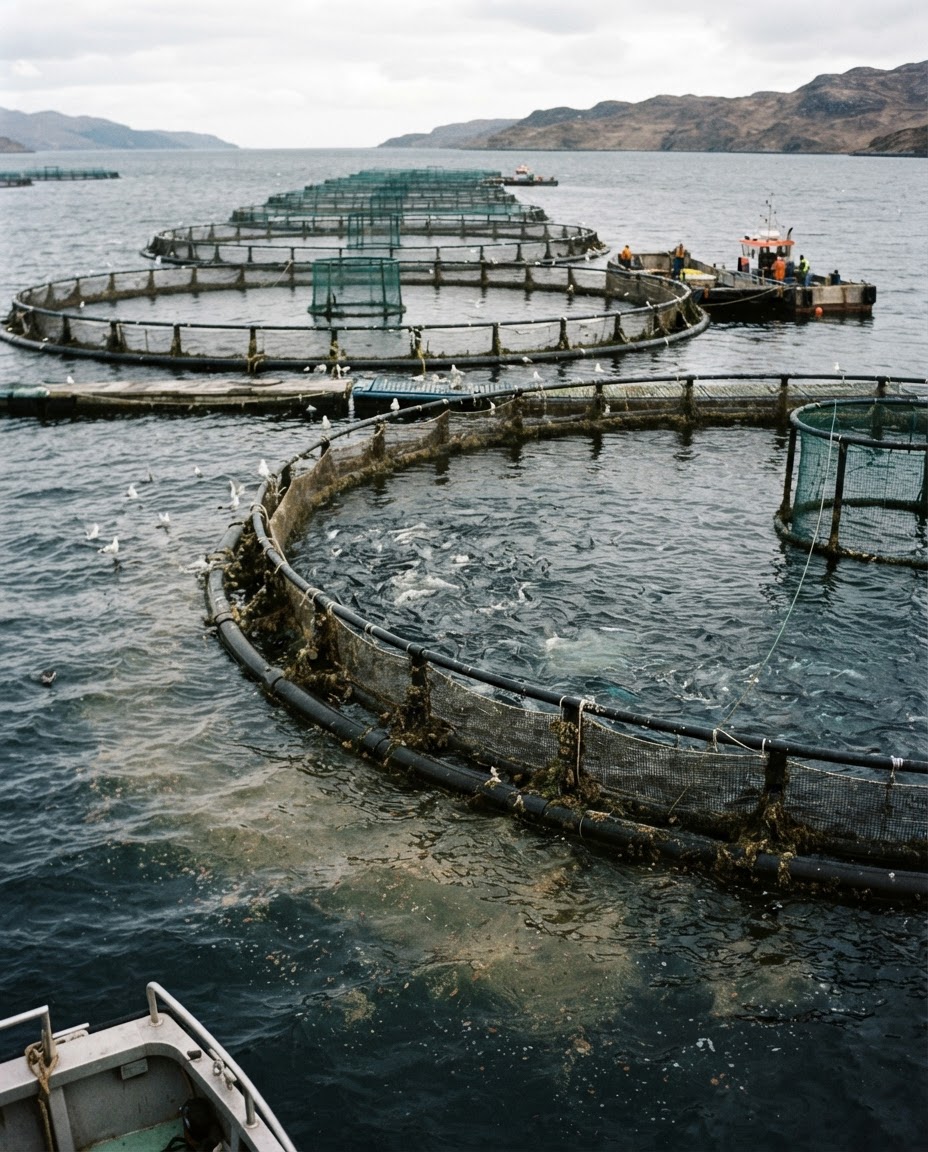
Land and Water Footprint of Traditional Sources
The cultivation of crops for animal feed, including fish feed, requires vast tracts of land, contributing to deforestation and habitat loss. Water is also a major input, both for irrigation and for aquaculture systems. In contrast, algae can be cultivated in controlled environments, often using non-arable land or even offshore locations, and can recycle water, dramatically reducing the strain on these vital resources. A 2021 report by the EAT-Lancet Commission highlighted the need for dietary shifts that reduce reliance on resource-intensive animal products, making algae a compelling alternative.
What Changed: The Rise of the Algae Farm
The UK farm, established in 2018, set out to prove that a commercially viable and environmentally superior method for omega-3 production was possible. By harnessing photobioreactors – closed-loop systems that control light, temperature, and nutrient inputs – they could cultivate specific strains of microalgae known for their high omega-3 content. This shift from wild harvesting or animal agriculture to precision cultivation marked a significant departure in how essential nutrients could be sourced.
Before vs. After: Environmental Metrics
Estimated Greenhouse Gas Emissions per kg EPA/DHA
Data is an estimate based on lifecycle assessments from various sources, including Our World in Data and academic studies on aquaculture and algae cultivation. Actual figures vary significantly by specific production methods.
How It Worked: The Cultivation Process
Results: A Sustainable Omega-3 Future
The success of this UK farm demonstrates that algae-based omega-3s are not just a theoretical alternative but a practical, scalable solution. The oil produced is chemically identical to that found in fish, offering the same health benefits without the associated environmental damage. Consumers can now access potent DHA and EPA through vegan-certified supplements and fortified foods, making it easier to meet dietary needs sustainably. This approach directly addresses concerns about marine depletion and offers a responsible way to consume these vital nutrients.
Nutrient Profile Comparison (per 100g oil)
Typical values for refined algae oil and farmed Atlantic salmon, sourced from USDA FoodData Central and industry reports. Actual values can vary.
“We are proving that vital nutrients can be produced without depleting the planet's natural resources.”
What Others Can Learn: Scaling Up Sustainability
The lessons from this UK farm extend globally. The model of controlled, efficient cultivation can be adapted to various climates and resource availabilities. Partnerships with local industries for CO2 supply, water recycling initiatives, and research into optimizing algae strains are key to widespread adoption. The potential for algae to contribute to food security, human health, and environmental sustainability is immense, offering a bright, green future for nutrient production.
Frequently asked questions
Are algae omega-3s as effective as fish oil?
What are the main environmental benefits of algae omega-3s?
Can algae omega-3s be produced anywhere?
Is algae oil suitable for vegans?
How does algae farming contribute to a circular economy?
What is the cost difference between algae oil and fish oil?
Sources & further reading
- EAT-Lancet Commission Summary Report — eatforum.org
- Our World in Data - Environmental Impacts of Food Production — ourworldindata.org
- FAO Fisheries and Aquaculture Statistics — fao.org
- USDA FoodData Central — fdc.nal.usda.gov