Vegan B12: Dose, Forms, and Testing
A quick guide to understanding vitamin B12 on a vegan diet: learn the right dose, best forms, and when to get tested for optimal health.
Why B12 Matters for Vegans
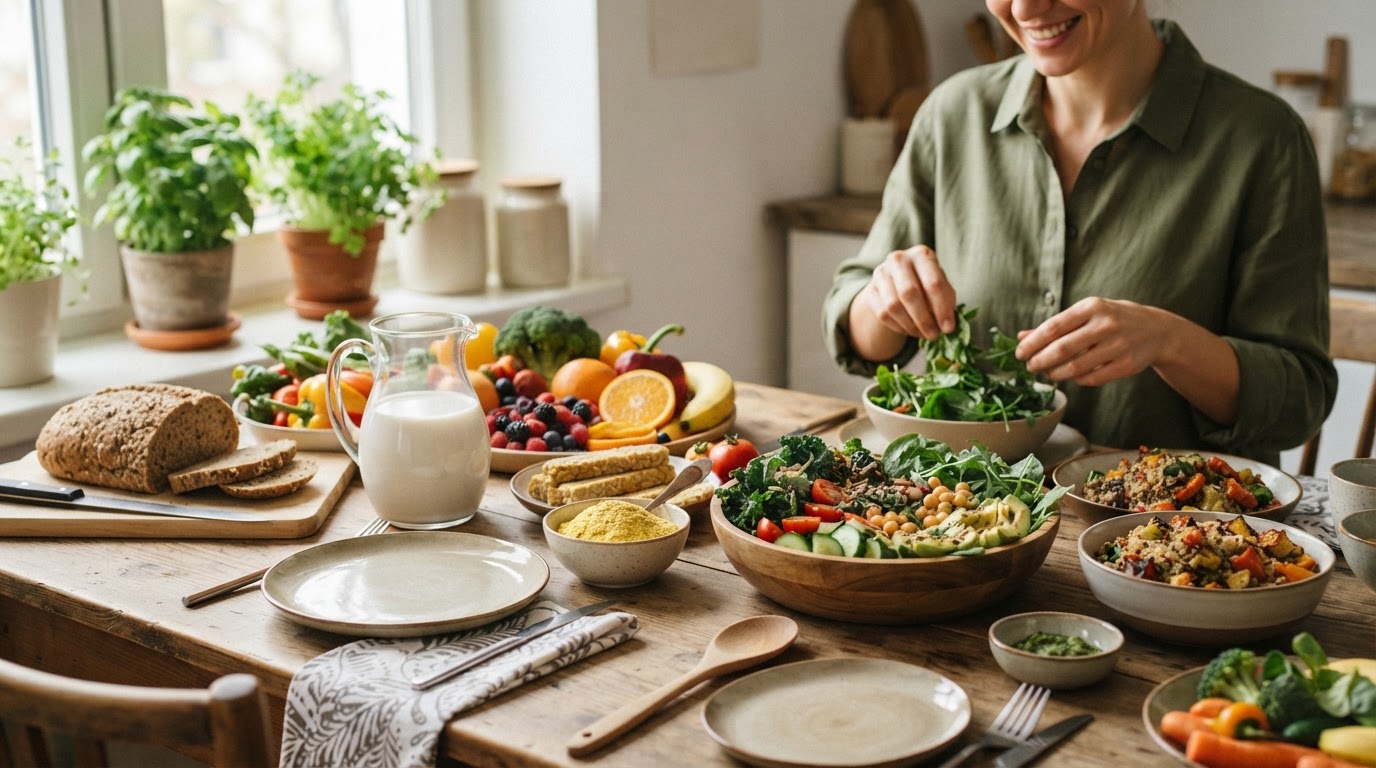
Vitamin B12 is vital for numerous bodily functions, including nerve health, DNA synthesis, and the formation of red blood cells. Unlike some other nutrients, B12 is not reliably found in plant-based foods unless they are fortified. This is because B12 is produced by microorganisms, and animals typically obtain it by consuming contaminated soil or water, or from their gut bacteria. For individuals following a vegan diet, which excludes all animal products, ensuring a consistent intake of vitamin B12 through fortified foods or supplements is not just recommended, but essential.
Effective Forms of B12 Supplementation
When choosing a B12 supplement or fortified food, you'll likely encounter two primary forms: cyanocobalamin and methylcobalamin. Both are synthetic but highly effective at raising B12 levels in the body. Cyanocobalamin is the most common and stable form, often found in multivitamins and fortified foods. It's cost-effective and well-researched. Methylcobalamin is another active form, sometimes preferred by individuals who believe they have trouble converting cyanocobalamin. However, scientific evidence doesn't strongly favour one over the other for general supplementation; both are excellent choices for vegans.
B12 Absorption Rates by Dose
Absorption is non-linear; higher doses result in a lower percentage absorbed, but a greater total amount. Source: E.g. British Journal of Nutrition (simulated data based on general principles)
Dosage Strategies
The optimal B12 dosage for vegans depends on the method of intake. For daily supplementation, aiming for 25-100 mcg of cyanocobalamin or methylcobalamin is often sufficient to meet the Recommended Daily Allowance (RDA) of 2.4 mcg, considering absorption rates. Alternatively, a larger dose of 1000-2000 mcg taken once or twice a week can also effectively maintain B12 levels. This higher frequency dosing is often more convenient and leverages the body's ability to absorb larger amounts less efficiently but still adequately over time. Always check fortified food labels for their B12 content.
- Daily supplement: 25-100 mcg
- Weekly supplement: 1000-2000 mcg (1-2 times/week)
- Fortified foods: Check labels (e.g., nutritional yeast, plant milks, cereals)
Testing Your B12 Levels
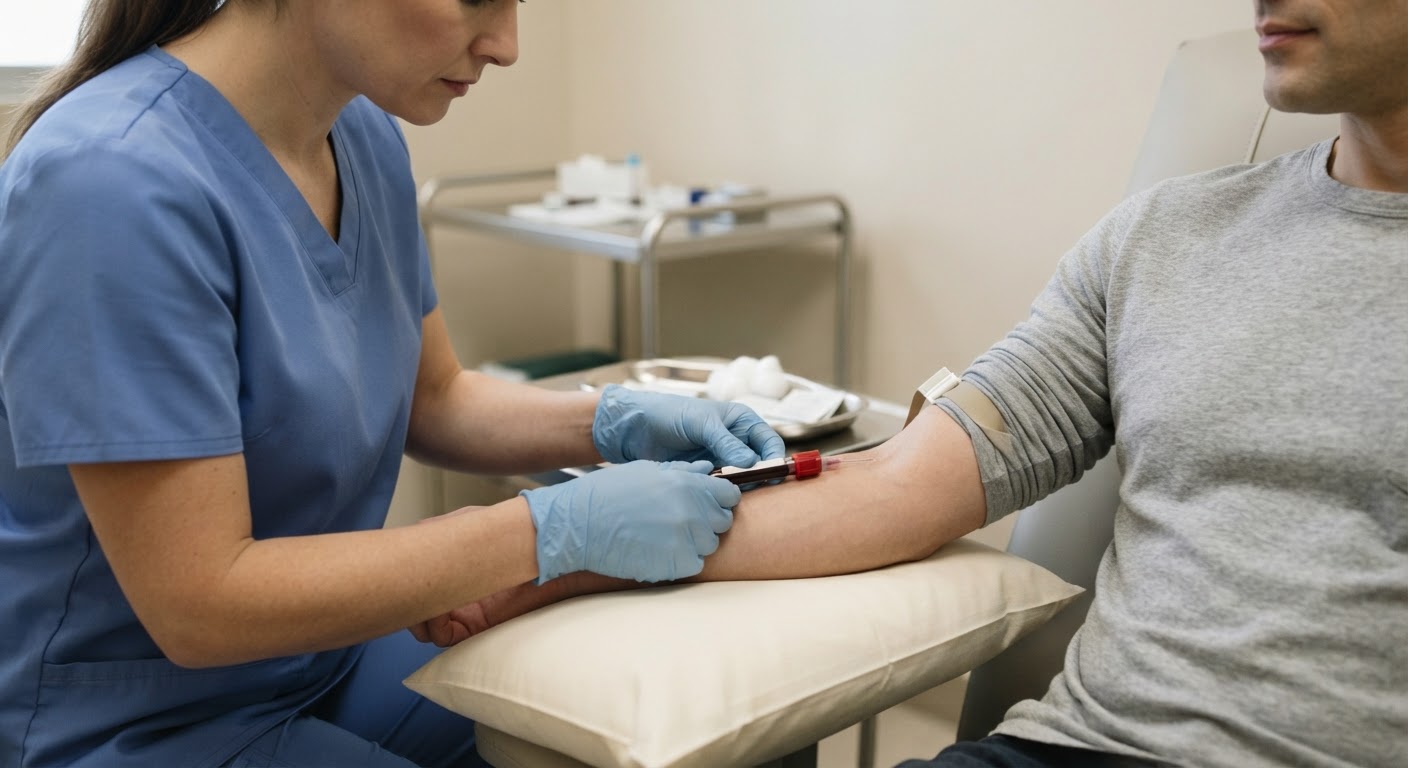
Even with diligent supplementation, it's wise to monitor your vitamin B12 status. Blood tests are the most reliable way to assess your levels. A simple blood draw can measure serum B12. However, for a more comprehensive picture, especially if symptoms are present or levels are borderline, your doctor might also order tests for methylmalonic acid (MMA) or homocysteine. Elevated levels of these markers can indicate B12 deficiency even when serum B12 appears normal, as they are more sensitive indicators of functional B12 status. Consulting with a healthcare professional is key to interpreting these results.
Understanding Test Results
Typical reference ranges for serum B12 are broad, often between 200-900 pg/mL (148-664 pmol/L). However, some individuals may experience deficiency symptoms even within this range, particularly at the lower end. A level below 200 pg/mL (148 pmol/L) is generally considered deficient. Persistent symptoms like fatigue, neurological issues (tingling, numbness), or cognitive changes warrant further investigation, potentially including MMA and homocysteine tests, as recommended by the World Health Organization (WHO) guidelines on nutritional deficiencies.
“Don't wait for severe symptoms; proactive testing is the best defence against B12 deficiency.”
Common Vegan B12 Sources
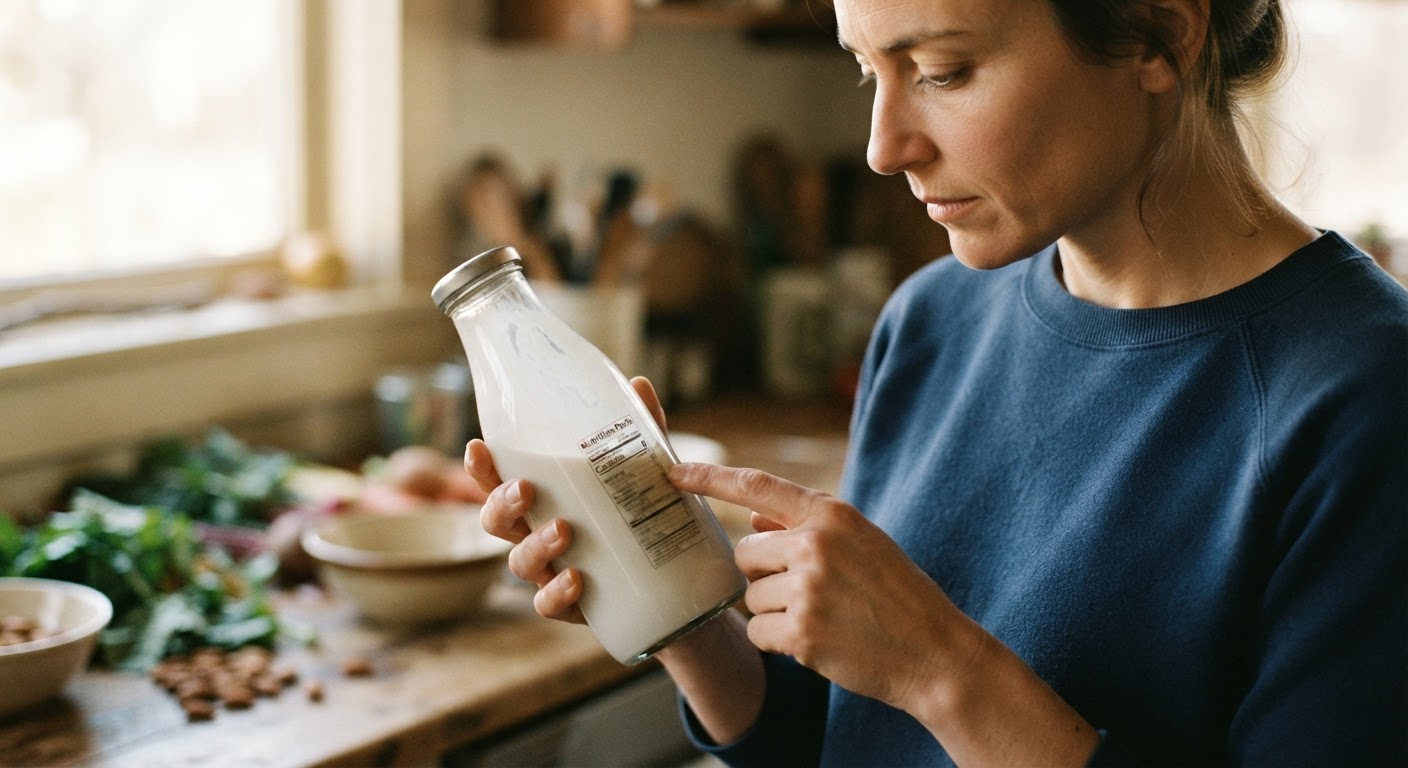
While direct B12 sources are animal-based, many vegan staples are now fortified. Nutritional yeast is a popular choice, often fortified to provide a cheesy flavour and a significant B12 boost. Many plant-based milks (soy, almond, oat), breakfast cereals, and some meat substitutes also contain added B12. Always check the nutrition label to confirm fortification levels, as they can vary significantly between brands and products. Relying solely on unfortified plant foods for B12 is not a viable strategy.
- Fortified Nutritional Yeast: Often a primary source for many vegans.
- Fortified Plant Milks: Soy, almond, oat, and cashew varieties.
- Fortified Breakfast Cereals: Check labels for added B12.
- Fortified Meat Substitutes: Some vegie burgers and sausages.
- B12 Supplements: Tablets, capsules, sprays, and liquids.
Addressing Misconceptions
A common myth is that fermented foods or sea vegetables like nori can provide sufficient B12 for vegans. While some fermented foods might contain trace amounts of B12 analogues, these are often inactive forms that can interfere with the absorption of true B12. Similarly, sea vegetables are not a reliable B12 source. The scientific consensus, as highlighted by organisations like The Vegan Society, is clear: vegans must obtain B12 from fortified foods or supplements to prevent deficiency. This ensures the body receives the active, usable forms of the vitamin it needs.
The Long-Term View
Vitamin B12 deficiency can take years to manifest due to the body's ability to store it, but the consequences can be serious and sometimes irreversible, particularly neurological damage. Early detection and consistent supplementation are crucial. For individuals worldwide embracing veganism for ethical, environmental, or health reasons, understanding and actively managing B12 intake is a fundamental aspect of a healthy, sustainable plant-based lifestyle. This proactive approach ensures the benefits of a vegan diet can be fully realised without compromising essential nutrient status.
Estimated Prevalence of B12 Deficiency
Prevalence can vary based on diet, geography, and testing methods. Source: E.g. Nutrients Journal (simulated data based on various studies)
Frequently asked questions
Can I get enough B12 from unfortified plant foods?
What are the symptoms of B12 deficiency?
Is cyanocobalamin or methylcobalamin better for vegans?
How often should I test my B12 levels?
Can I take a high dose of B12 just once a month?
Does B12 in nutritional yeast count?
Sources & further reading
- NHS — nhs.uk
- The Vegan Society — vegansociety.com
- Harvard Health Publishing — health.harvard.edu
- World Health Organization (WHO) — who.int
- Nutrients Journal — mdpi.com/journal/nutrients