The Complete Swap Guide to Vegan Cheese
Discover delicious vegan cheese swaps that are better for the planet and animals, with easy alternatives for every occasion.
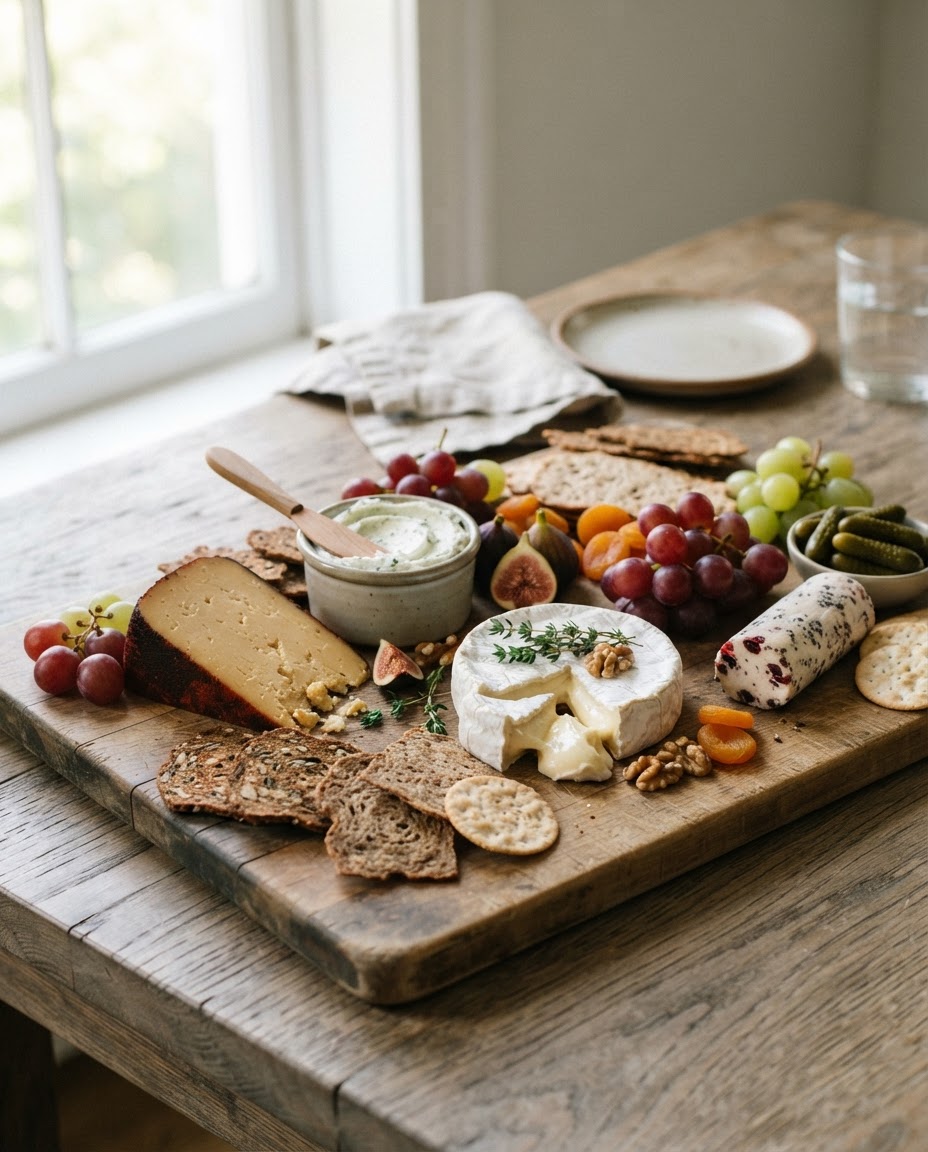
The world of cheese is undergoing a delicious revolution, and for good reason. Dairy cheese production carries a substantial environmental burden and raises significant ethical concerns regarding animal welfare. Fortunately, a vast and exciting array of vegan cheese alternatives now grace supermarket shelves and artisan producers' offerings. This guide is your comprehensive resource for navigating these options, providing simple, satisfying swaps for every dairy cheese need. Embracing vegan cheese is a powerful step towards a more compassionate and sustainable food future, and the good news is, it doesn't mean sacrificing flavour or culinary versatility.
Why Swap Dairy Cheese?
- **Environmental Impact:** Dairy farming is a major contributor to greenhouse gas emissions, land use, and water pollution. A 2023 report by the FAO highlighted the significant environmental footprint of livestock.
- **Animal Welfare:** The dairy industry involves the repeated artificial insemination of cows, separation of calves from their mothers shortly after birth, and eventual slaughter once milk production declines.
- **Health Considerations:** Many people experience lactose intolerance. Furthermore, some studies suggest a link between high dairy consumption and certain health issues.
Swapping Hard Cheeses (Cheddar, Parmesan, Gruyère)
For those moments when you crave a sharp cheddar on a cracker, a salty sprinkle of Parmesan on pasta, or the nutty depth of Gruyère in a gratin, plant-based alternatives have you covered. Many vegan hard cheeses are crafted from nuts like cashews or almonds, or from coconut oil and starches, and are aged to develop complex flavours. Look for brands offering aged, firm styles that grate and melt well for cooking.
- **Instead of:** Dairy Cheddar **Try:** Aged cashew or almond-based cheddar alternatives, often infused with nutritional yeast for a cheesy tang.
- **Instead of:** Dairy Parmesan **Try:** Nut-based 'parmesan' blends (often with nutritional yeast and salt) or firm, aged nut cheeses that can be grated.
- **Instead of:** Dairy Gruyère **Try:** Smoked or aged nut cheeses, or those made with a blend of coconut oil and potato starch, which can offer a similar melting and flavour profile.
Environmental Footprint Comparison: Dairy vs. Vegan Cheese
Estimates based on a 2023 synthesis of lifecycle assessments.
Swapping Soft and Cream Cheeses (Brie, Cream Cheese, Feta)
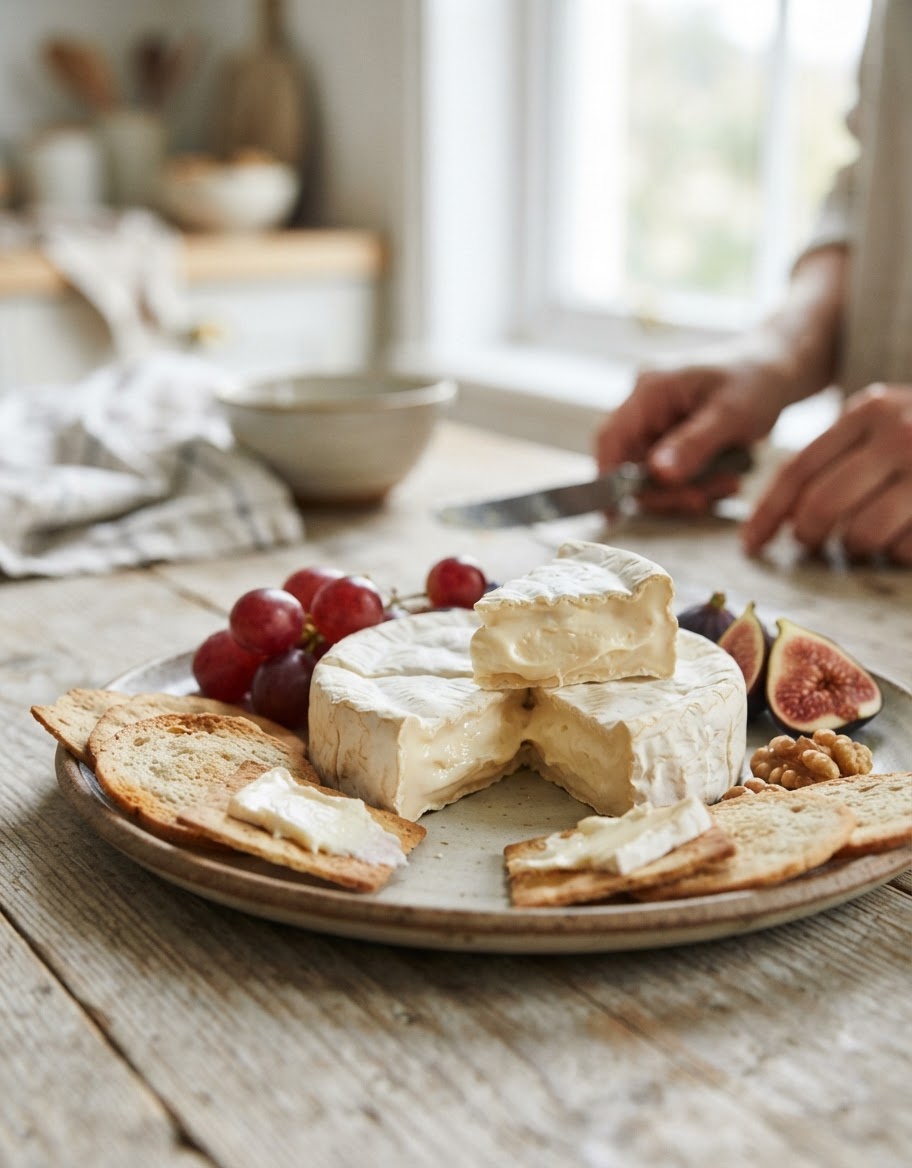
The creamy indulgence of Brie, the versatile spreadability of cream cheese, and the salty tang of feta are all well-represented in the vegan cheese landscape. Creamy cheeses often start with a base of cashews, tofu, or coconut cream, cultured and blended to achieve the desired texture and flavour. Vegan feta, frequently made from tofu or coconut oil, captures that briny, crumbly essence beautifully.
- **Instead of:** Dairy Cream Cheese **Try:** Cashew-based, tofu-based, or coconut cream-based cream cheeses, perfect for bagels, dips, and frosting.
- **Instead of:** Dairy Brie **Try:** Cultured nut-based 'bries' or 'camemberts', often with a bloomy rind, offering a rich, spreadable texture.
- **Instead of:** Dairy Feta **Try:** Marinated tofu or coconut oil-based feta alternatives, which provide a crumbly, salty, and tangy bite for salads and mezes.
DIY Cheeses: A Creative Approach
For the adventurous cook, creating your own vegan cheeses can be incredibly rewarding. Simple recipes for cashew cream cheese, almond ricotta, or sunflower seed feta can be found online and in vegan cookbooks. These often require minimal ingredients and offer a fresh, customisable flavour.
Swapping Mozzarella and Melty Cheeses
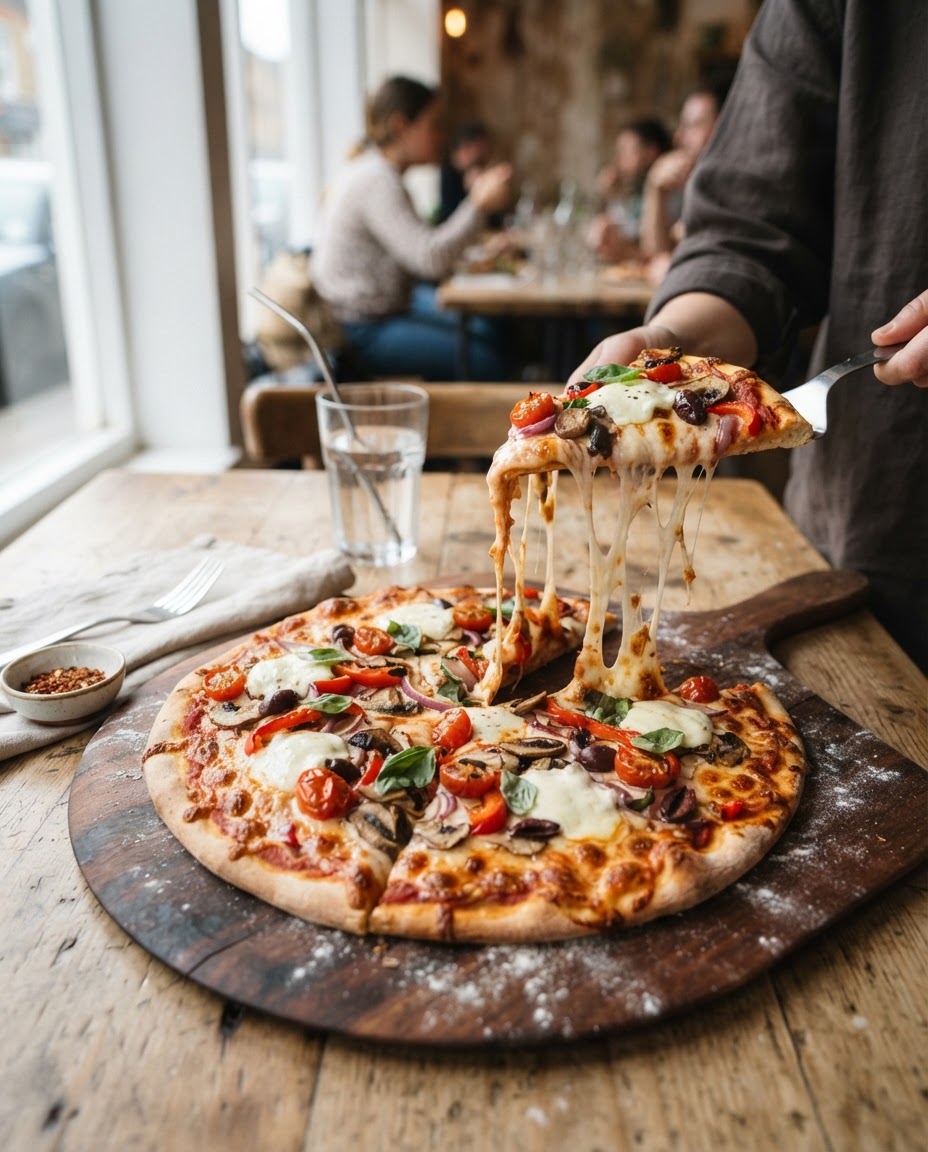
The quest for the perfect melting vegan cheese for pizzas, grilled sandwiches, and quesadillas has led to significant innovation. Modern vegan mozzarellas, often made from coconut oil, starches, and flavourings, now achieve impressive meltability and stretch. Look for specific 'pizza' or 'mozzarella style' varieties.
- **Instead of:** Dairy Mozzarella (on pizza) **Try:** Coconut oil and starch-based mozzarella shreds or blocks designed for high heat and melting.
- **Instead of:** Dairy Provolone (in sandwiches) **Try:** Smoked or unsmoked vegan provolone slices, which offer a satisfying chew and flavour.
- **Instead of:** Dairy Cheddar (for quesadillas) **Try:** Shredded vegan cheddar or a blend of vegan mozzarella and cheddar for excellent melt and colour.
Nutritional Considerations
While the nutritional profiles of vegan cheeses vary greatly by ingredient, many offer comparable or even advantageous nutritional benefits. Nuts and seeds provide healthy fats and protein, while some brands fortify their products with calcium and vitamin B12, essential nutrients often found in dairy. Always check the nutrition label to ensure your chosen cheese meets your dietary needs. A 2022 review in Nature Food discussed the evolving nutritional landscape of plant-based alternatives.
Calcium Content Comparison (per 100g)
Values are typical and can vary significantly by brand and fortification.
Making the Switch: A Gradual Approach
Transitioning to vegan cheese doesn't have to be an all-or-nothing endeavour. Start with simple swaps: try a vegan cream cheese on your morning toast, or a plant-based cheddar on your nachos. As you discover brands and styles you enjoy, you can gradually incorporate more vegan options into your diet. Many restaurants now offer vegan cheese options, making it easier to explore without commitment.
“The innovation in vegan cheese means you can enjoy your favourite cheesy dishes guilt-free.”
Your Vegan Cheese Swap Checklist
- **For Sandwiches & Toast:** Swap dairy cream cheese for cashew or tofu-based alternatives.
- **For Pizza & Pasta:** Use meltable vegan mozzarella or a sprinkle of grated nut-based 'parmesan'.
- **For Salads:** Crumble vegan feta (tofu or coconut oil-based) over your greens.
- **For Snacking:** Enjoy firm, aged vegan cheddars or artisanal nut cheeses with crackers.
- **For Grilling:** Try vegan provolone or cheddar slices for ultimate meltiness.
- **Explore New Flavours:** Don't be afraid to try artisanal brands and unique cheese styles.
The Future is Cheesy (and Vegan!)
The burgeoning field of vegan cheese, driven by consumer demand for ethical and sustainable options, continues to expand. From precision fermentation creating dairy proteins without animals to novel plant-based formulations, the future promises even more delicious and diverse choices. Embracing these swaps is a delicious way to align your plate with your values, supporting a kinder food system for all.
Frequently asked questions
What are the main ingredients in vegan cheese?
Do vegan cheeses melt well?
Are vegan cheeses a good source of protein?
How do vegan cheeses compare nutritionally to dairy cheese?
Is it expensive to switch to vegan cheese?
Where can I find good vegan cheese?
Sources & further reading
- Food and Agriculture Organization of the United Nations (FAO) — fao.org
- Our World in Data — ourworldindata.org
- Nature Food Journal — nature.com/natfood
- EAT-Lancet Commission — eatforum.org/eat-lancet-commission