The Complete Guide to Vegan Diet for Weight Loss
Discover effective strategies and common pitfalls of a vegan diet for weight loss, backed by science. Achieve sustainable results with plant-based eating.
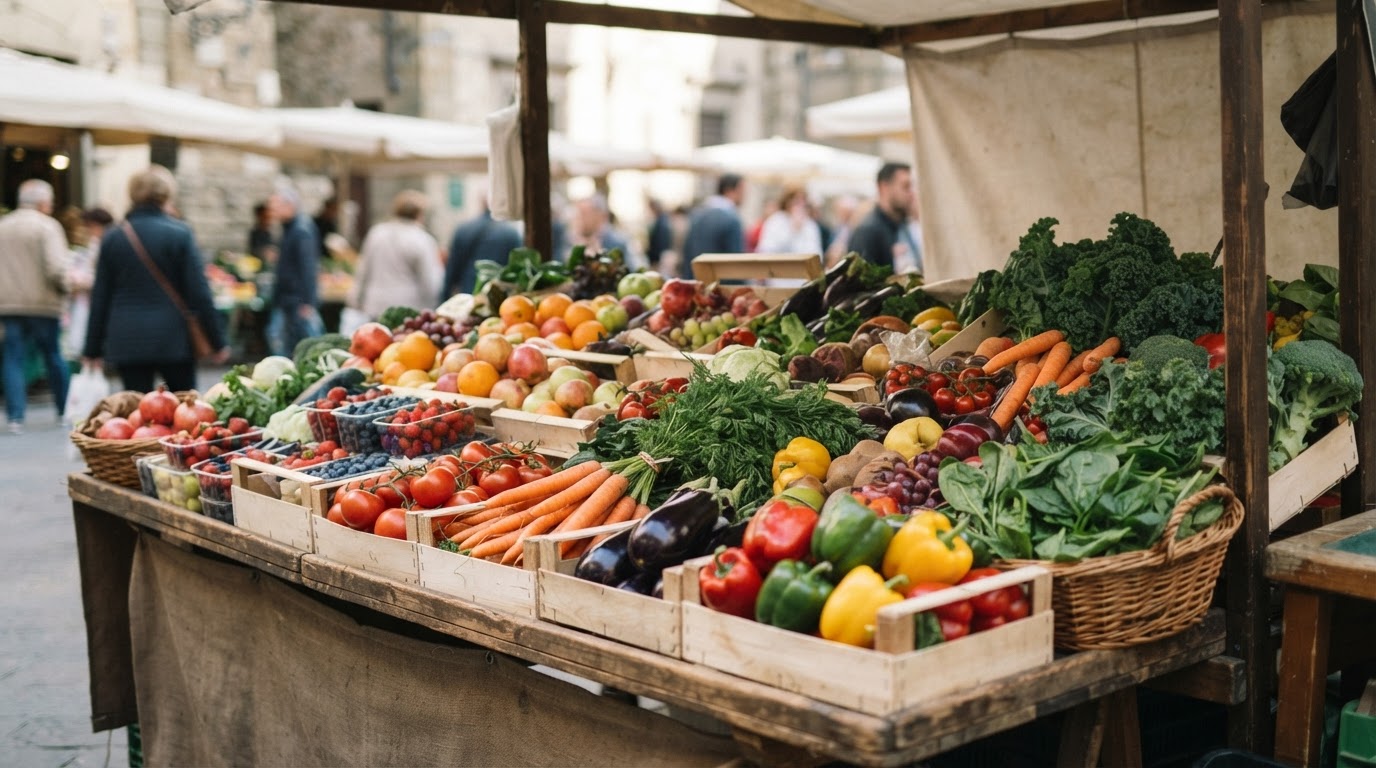
Embarking on a journey to achieve weight loss through a vegan diet can be a powerful and health-promoting choice. The fundamental principle for losing weight, regardless of dietary pattern, remains a consistent calorie deficit – expending more energy than you consume. A vegan diet, when centred around whole, unprocessed plant-based foods, naturally lends itself to this goal due to its typically lower calorie density and higher fibre content, promoting satiety. However, simply cutting out animal products doesn't automatically guarantee weight loss. Understanding the nuances of nutrient density, portion control, and avoiding the pitfalls of processed vegan alternatives is essential for sustainable success.
Table of Contents
- What is a Vegan Diet for Weight Loss?
- How a Vegan Diet Supports Weight Loss
- Effective Vegan Foods for Weight Loss
- Foods to Limit or Avoid
- Sample Meal Planning Strategies
- Common Mistakes and How to Avoid Them
- Frequently Asked Questions
What is a Vegan Diet for Weight Loss?
A vegan diet for weight loss is a dietary approach that excludes all animal products, including meat, poultry, fish, dairy, eggs, and honey. The 'weight loss' aspect refers to the intentional application of this diet to create a calorie deficit, leading to a reduction in body weight. It emphasizes fruits, vegetables, legumes, grains, nuts, and seeds, aiming for nutrient-rich, lower-calorie foods to support health and facilitate fat loss. This approach is not a fad diet but a lifestyle choice that, when properly managed, can offer significant health benefits beyond weight management.
Core Principles
- Exclusion of all animal-derived ingredients.
- Focus on whole, minimally processed foods.
- Creation of a sustainable calorie deficit.
- Prioritisation of nutrient density over calorie density.
How a Vegan Diet Supports Weight Loss
The mechanisms by which a vegan diet aids weight loss are multifaceted. Firstly, plant-based foods are generally less calorically dense than animal products. For example, 100 grams of broccoli contains approximately 34 calories, while 100 grams of chicken breast contains about 165 calories. This means individuals can consume larger volumes of plant-based foods, promoting feelings of fullness and satisfaction without exceeding their calorie targets. Secondly, the high fibre content in fruits, vegetables, and whole grains slows digestion, stabilises blood sugar levels, and further enhances satiety. A study published in the Journal of General Internal Medicine found that participants on a low-fat vegan diet lost more weight than those on a conventional weight-loss diet, even without explicit calorie restriction.
Key Mechanisms
- Lower Caloric Density: More food volume for fewer calories.
- High Fibre Content: Promotes satiety and aids digestion.
- Improved Blood Sugar Control: Reduces cravings and energy slumps.
- Increased Thermic Effect of Food: Body uses more energy to digest plant foods.
Effective Vegan Foods for Weight Loss
To maximise weight loss results and ensure nutritional adequacy on a vegan diet, focus on whole, unprocessed foods. These foods are packed with vitamins, minerals, antioxidants, and fibre, while being naturally lower in calories. Leafy greens like spinach, kale, and Swiss chard are exceptionally low in calories and high in nutrients. Berries, such as blueberries, strawberries, and raspberries, offer sweetness with fewer calories and more fibre than many other fruits. Legumes, including beans, lentils, and chickpeas, are excellent sources of protein and fibre, making them very filling. Whole grains like oats, quinoa, and brown rice provide sustained energy and fibre. Nuts and seeds, in moderation, offer healthy fats and protein, but their calorie density requires mindful portioning.
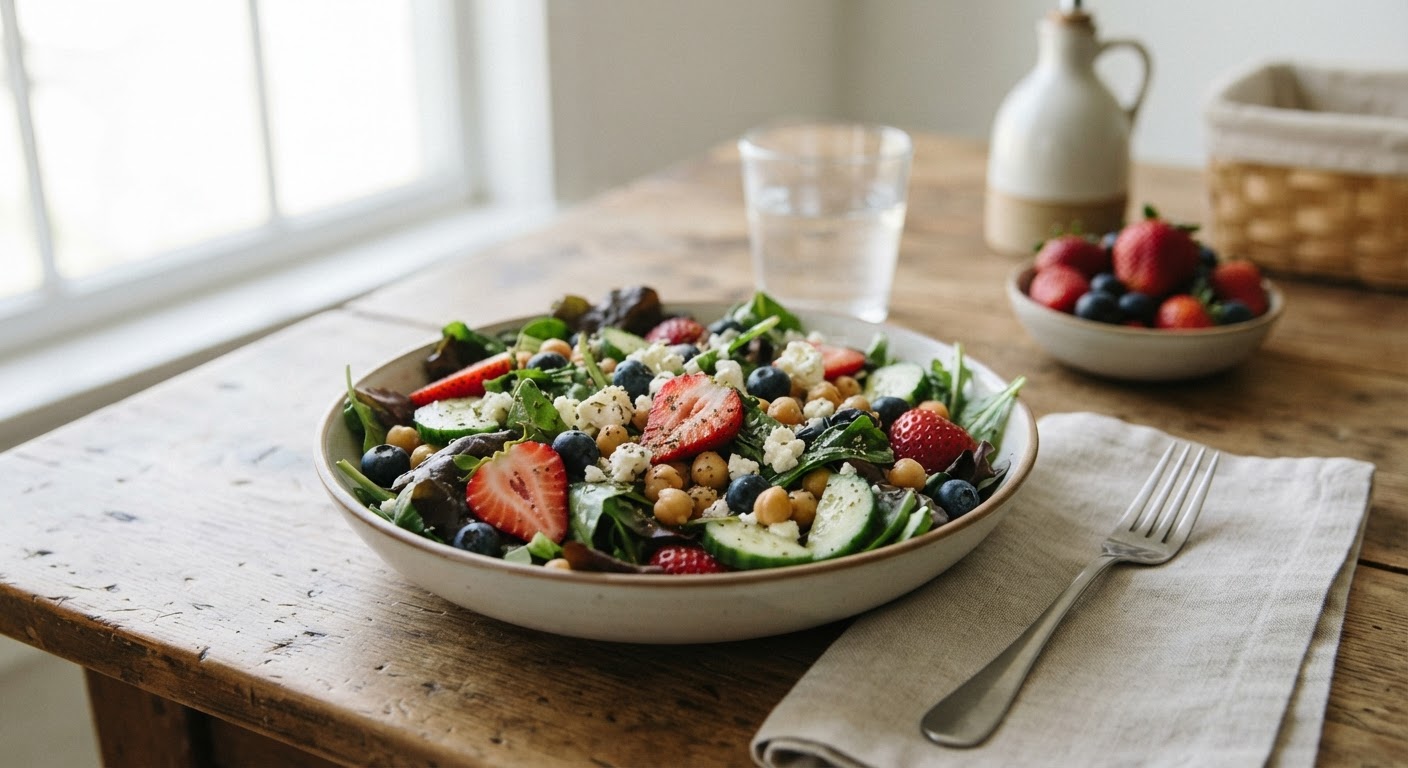
Top Vegan Food Categories for Weight Loss
- Leafy Greens: Spinach, kale, romaine, Swiss chard.
- Berries: Blueberries, raspberries, strawberries, blackberries.
- Cruciferous Vegetables: Broccoli, cauliflower, Brussels sprouts.
- Legumes: Lentils, black beans, chickpeas, kidney beans.
- Whole Grains: Oats, quinoa, brown rice, barley.
- Healthy Fats (in moderation): Avocados, nuts, seeds.
Foods to Limit or Avoid
While a vegan diet inherently excludes many high-calorie, low-nutrient animal products, it's crucial to be aware of processed vegan foods that can sabotage weight loss efforts. Many vegan alternatives to cheese, meat, and desserts are highly processed and can be laden with unhealthy fats, added sugars, and sodium. These products often mimic the taste and texture of their non-vegan counterparts but lack the nutritional benefits of whole foods. Sugary drinks, refined grains (like white bread and pasta), and excessive amounts of added oils should also be minimised. As the EAT-Lancet Commission report highlights, a planetary health diet emphasizes whole plant foods and limits processed foods, which aligns perfectly with weight loss goals.
Common Culprits to Limit
- Vegan cheeses and processed meat alternatives.
- Sugary beverages (soda, sweetened juices, energy drinks).
- Refined grains (white bread, white pasta, most breakfast cereals).
- Fried foods and excessive use of cooking oils.
- Sweets, cakes, cookies, and pastries (vegan versions included).
Sample Meal Planning Strategies
Effective meal planning is key to a successful vegan weight loss journey. The goal is to create balanced meals that are satisfying and nutrient-rich. For breakfast, consider oatmeal topped with berries and a sprinkle of seeds, or a tofu scramble with vegetables. Lunch could be a large salad with mixed greens, legumes, and a light vinaigrette, or a hearty lentil soup with whole-grain bread. Dinners might include a vegetable stir-fry with brown rice and tofu, or a chickpea and vegetable curry. Snacks can include fruit, a small handful of nuts, or vegetable sticks with hummus. Hydration is also vital; aim for plenty of water throughout the day. Consulting a registered dietitian can provide personalised guidance.
Macronutrient Distribution for Weight Loss Vegan Meals
Recommended distribution for balanced vegan weight loss. Source: General nutritional guidelines for weight management.
Sample Daily Meal Plan
- Breakfast: Oatmeal with berries, chia seeds, and a splash of plant milk.
- Lunch: Large mixed green salad with chickpeas, cucumber, tomatoes, bell peppers, and lemon-tahini dressing.
- Snack: Apple slices with a tablespoon of almond butter.
- Dinner: Baked sweet potato topped with black beans, salsa, and avocado.
- Optional Evening Snack: Small bowl of edamame.
Common Mistakes and How to Avoid Them
Several common mistakes can hinder weight loss on a vegan diet. One is the 'vegan halo effect,' where people assume all vegan food is healthy and low in calories, leading to overconsumption of processed vegan treats or large portions of calorie-dense nuts and avocados. Another mistake is not consuming enough protein, which can lead to muscle loss and decreased satiety. Ensuring adequate intake of legumes, tofu, tempeh, and seitan is crucial. Nutrient deficiencies, particularly in vitamin B12, vitamin D, iron, calcium, and omega-3 fatty acids, can also impact overall health and energy levels, indirectly affecting weight loss. Supplementation or careful food choices are necessary. The World Health Organization (WHO) recommends a balanced intake of all essential nutrients for optimal health.
“Don't fall into the trap of 'vegan junk food' counting as healthy weight-loss fuel. Focus on whole, plant-based foods.”
Avoiding Pitfalls
- Mindful portion control for calorie-dense foods (nuts, seeds, oils, avocados).
- Prioritise protein sources at each meal.
- Ensure adequate intake of key nutrients (B12, D, iron, calcium, omega-3s).
- Read food labels to identify hidden sugars, unhealthy fats, and sodium.
- Focus on whole foods rather than solely relying on processed vegan alternatives.
Frequently Asked Questions
The Path to Sustainable Vegan Weight Loss
Achieving sustainable weight loss on a vegan diet is a journey that prioritises health, well-being, and mindful eating. By embracing whole, plant-based foods, understanding the principles of calorie balance, and being vigilant about processed alternatives, you can create a diet that not only supports your weight loss goals but also nourishes your body. Remember that consistency, patience, and a holistic approach encompassing diet, exercise, and adequate sleep are paramount. Consulting with healthcare professionals or registered dietitians can provide tailored support and ensure you meet all your nutritional needs.
Frequently asked questions
Can I lose weight on a vegan diet without counting calories?
What are the best vegan protein sources for weight loss?
Will I get enough nutrients on a vegan diet for weight loss?
How much water should I drink for weight loss on a vegan diet?
Is it safe to lose weight quickly on a vegan diet?
Sources & further reading
- EAT-Lancet Commission Summary Report — eatforum.org
- USDA FoodData Central — fdc.nal.usda.gov
- World Health Organization (WHO) - Healthy Diet — who.int
- Barnard ND, Cohen ND, Jenkins DJ, et al. A low-fat vegan diet and a conventional diabetes diet in type 2 diabetes. Am J Clin Nutr. 2009;89(3):1027-1032. — ajcn.nutrition.org