Vegan for athletes: the ultimate recovery bowl
Mastering plant-based nutrition is simple when you focus on nutrient density. Learn how to craft the perfect vegan for athletes recovery bowl today.
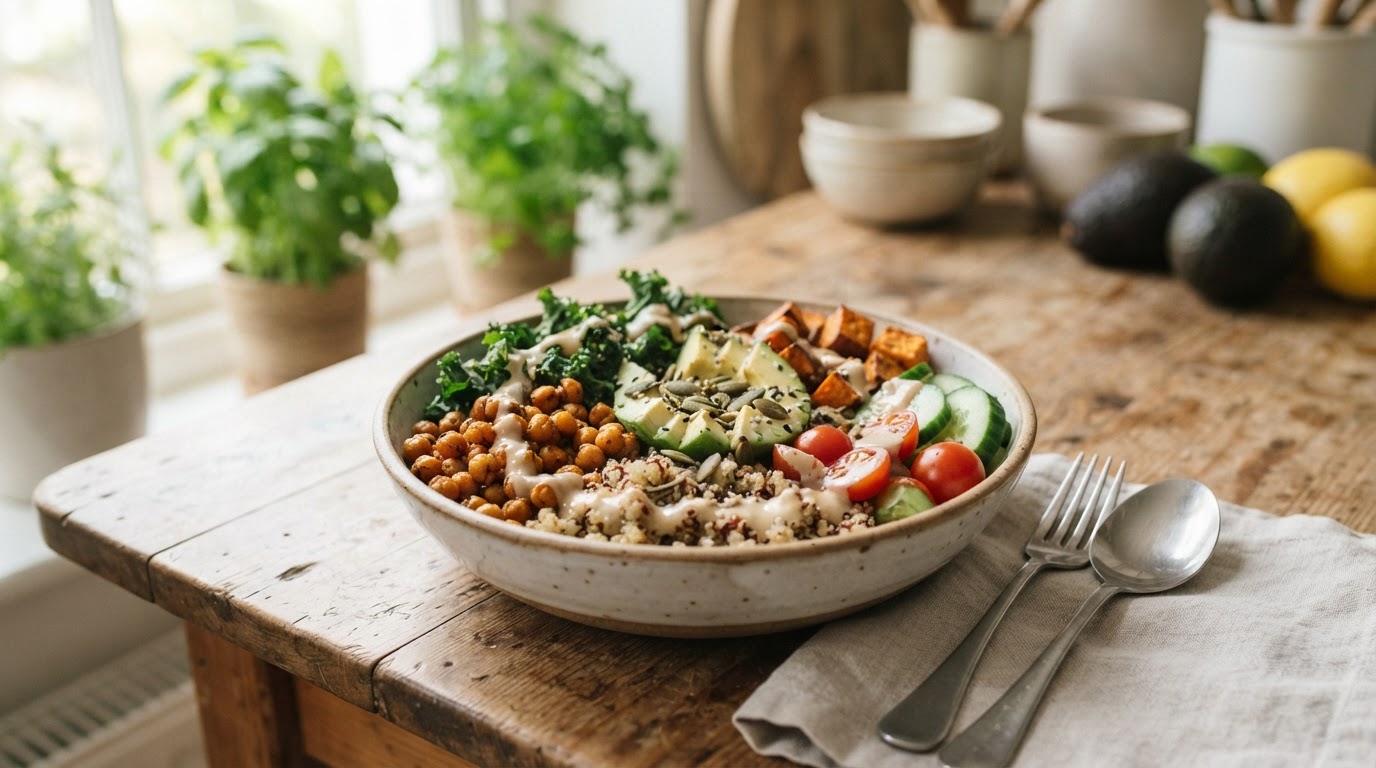
Finding a sustainable approach to being vegan for athletes requires moving beyond simple calorie counting toward a focus on nutrient timing and biochemical recovery. Whether you are training for a marathon in London or a triathlon in Melbourne, your body demands high-quality fuel to rebuild muscle fibers and replenish energy stores. This recovery bowl recipe is designed to bridge the gap between plant-based ethics and elite physiological performance by prioritizing nutrient density over mere volume. When you push your body through high-intensity intervals or long-distance endurance sessions, you deplete intramuscular glycogen stores and induce micro-tears in muscle tissue. To optimize recovery, athletes must synchronize their intake with these metabolic windows, ensuring that the body has the raw materials needed for repair before the next training session begins. According to the International Society of Sports Nutrition, nutrient timing is a critical factor in performance, suggesting that consuming a combination of protein and carbohydrates shortly after exercise can enhance glycogen resynthesis and muscle protein synthesis. By strategically selecting ingredients such as complex grains and legumes, an athlete can ensure that their recovery phase is as disciplined and effective as their actual workout, turning every meal into a functional tool for long-term athletic success.
The ultimate recovery bowl centers on the synergy between macronutrients and micronutrients that support metabolic health. By combining slow-digesting complex carbohydrates with complete plant proteins, you stabilize blood glucose levels, preventing the energy crashes that often follow intense physical exertion. For the busy athlete living in a city like Sydney or New York, this approach provides a practical, time-efficient solution to meal prep. By focusing on whole, unprocessed foods, you naturally increase your intake of antioxidants and phytochemicals, which play a crucial role in mitigating the oxidative stress caused by heavy training loads. According to the WHO, a diet rich in fruits, vegetables, and legumes is essential for maintaining health and preventing chronic disease, principles that translate directly to the accelerated recovery needs of active individuals. This guide will walk you through the essential components of a recovery bowl, demonstrating how to construct a meal that is as functional as it is palatable. By pairing ingredients like iron-rich dark leafy greens with vitamin C-rich citrus dressings, you can enhance the bioavailability of nutrients, ensuring you maintain your training volume without compromising your long-term health or environmental values.
Why this recipe works for the vegan for athletes lifestyle
This dish works because it addresses the three pillars of post-exercise nutrition: glycogen replenishment, protein synthesis, and inflammation reduction. According to a 2021 review in the journal Nutrients, plant-based diets can provide all necessary nutrients for athletic performance provided that caloric intake is sufficient and protein sources are varied. The complex carbohydrates in quinoa provide a steady release of glucose, which is essential for refilling depleted glycogen stores in the liver and muscles. Unlike refined grains, quinoa offers a sustained energy profile that prevents the insulin spikes associated with highly processed recovery snacks. Furthermore, the chickpeas in this bowl offer a robust amino acid profile, including lysine, which is often a point of focus in plant-based athletics. Because lysine is an essential amino acid that the body cannot synthesize, incorporating legumes ensures the building blocks for tissue repair are readily available. Research from the IPCC highlights the lower environmental footprint of legumes compared to animal-derived proteins, making this a choice that supports both your personal physiology and planetary sustainability. By layering these ingredients, you create a complete nutritional profile that supports muscle repair while providing the sustained energy needed for your next session.
When you search for 'vegan for athletes' to optimize your recovery, you are looking for a strategy that transcends simple caloric intake to address the systemic inflammation generated by high-intensity training. This bowl acts as a functional recovery tool by combining complex carbohydrates and plant-based proteins with potent phytonutrients. By incorporating dark leafy greens like kale or spinach alongside hemp and chia seeds, you provide your body with a dense source of alpha-linolenic acid, an essential omega-3 fatty acid, and a broad spectrum of vitamins that bolster immune surveillance. The World Health Organization consistently emphasizes that a diet rich in fruits, vegetables, and legumes is fundamental to maintaining optimal health, and for the athlete, this translates into tangible benefits such as accelerated tissue repair and a noticeable reduction in delayed onset muscle soreness. By layering these ingredients with a tahini-based dressing, you introduce monounsaturated fats that aid in the absorption of fat-soluble vitamins, while the addition of fermented vegetables like sauerkraut or kimchi supports the gut microbiome. Emerging research highlights that a diverse gut flora is a critical, often overlooked factor in athletic performance and systemic recovery. This holistic approach ensures that every calorie serves a specific biological purpose, allowing you to recover efficiently, maintain high training volumes, and sustain your vegan lifestyle throughout your entire athletic career without compromising on nutritional density or satiety.
Ingredients
- 150g cooked quinoa (provides complex carbohydrates and complete protein)
- 120g chickpeas, rinsed (essential plant-based protein and iron source)
- 50g kale, massaged (micronutrients and antioxidants for recovery)
- Half an avocado (healthy fats to aid nutrient absorption)
- 1 tbsp pumpkin seeds (high in magnesium for muscle function)
- 1 tsp turmeric and black pepper dressing (anti-inflammatory support)
Method
- Combine the warm cooked quinoa with the rinsed chickpeas in a large bowl.
- Add the kale and massage it gently with a splash of lemon juice to break down the fibers.
- Top the mixture with sliced avocado and a sprinkle of pumpkin seeds.
- Whisk the turmeric, black pepper, and a dash of olive oil, then drizzle over the bowl.
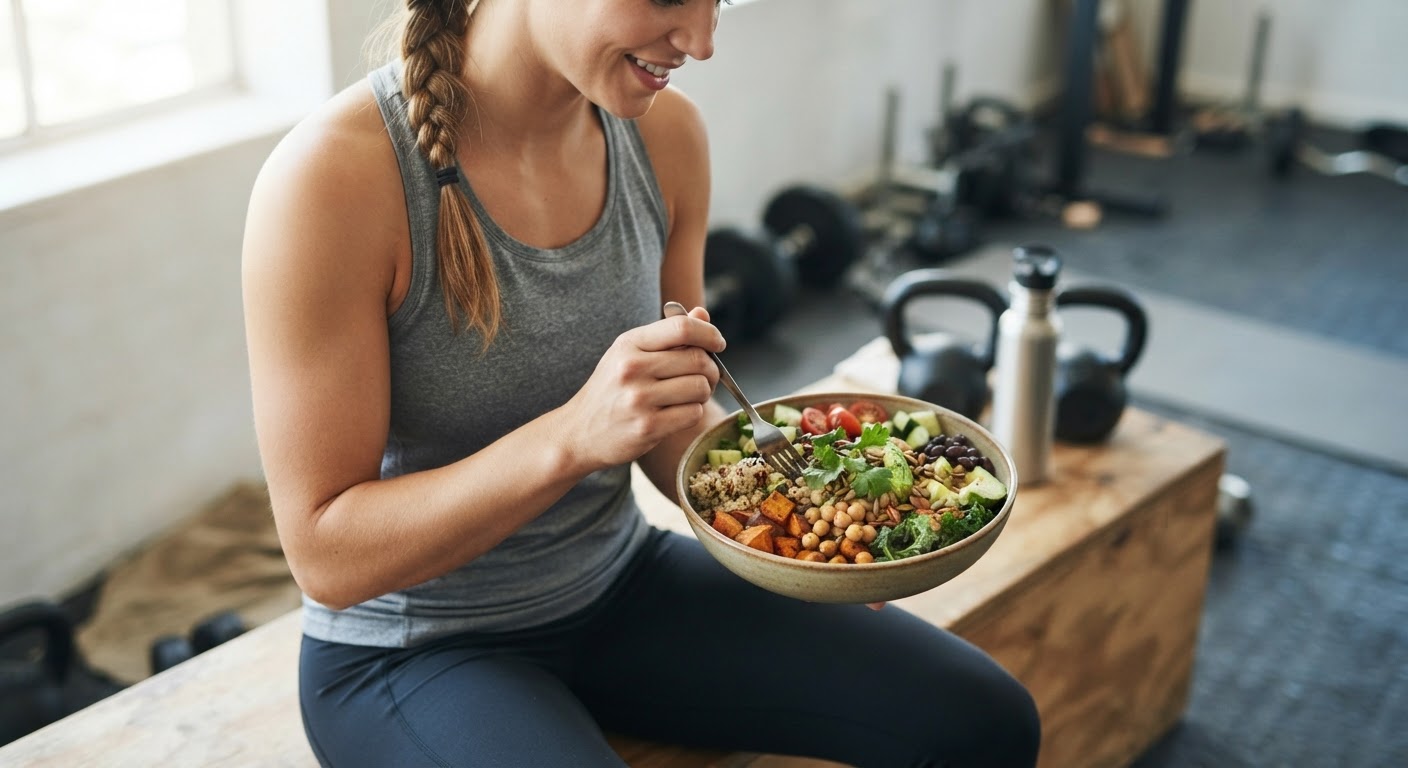
- Serve within 90 minutes of your training session to capitalize on the anabolic window.
Variations
- Swap chickpeas for tempeh if you require a higher protein density per gram.
- Use sweet potato instead of quinoa for faster glycogen replenishment.
- Add hemp seeds to the top for an extra boost of Omega-3 fatty acids.
- Include fermented vegetables like sauerkraut to support gut health and digestion.
Protein Density Comparison (per 100g)
Data based on FAO food composition databases.
Nutrition per serving
“Plant-based diets are associated with improved cardiovascular health, which is a critical factor for long-term athletic longevity and efficient oxygen transport.”
Common mistakes
- Failing to consume enough total calories to match training expenditure.
- Neglecting Vitamin B12, which is critical for energy metabolism and nerve function.
- Delaying the post-workout meal beyond the two-hour mark, missing the peak window for glycogen synthesis.
- Relying solely on processed meat alternatives rather than whole-food protein sources.
Frequently asked questions
Can I get enough protein as a vegan athlete?
What is the best post-workout meal for vegan athletes?
Do I need to take supplements on a vegan diet?
How do I avoid muscle soreness on a plant-based diet?
Is soy safe for athletes?
Sources & further reading
- Nutrients Journal — mdpi.com/journal/nutrients
- FAO Food Composition Database — fao.org
- EAT-Lancet Commission — eatforum.org
- WHO Nutrition Guidelines — who.int