Vegan Meal Prep High Protein: Where the Trends Stand in 2026
A definitive status update on vegan meal prep high protein strategies. Discover how to balance nutrition, time, and budget in your weekly kitchen routine.
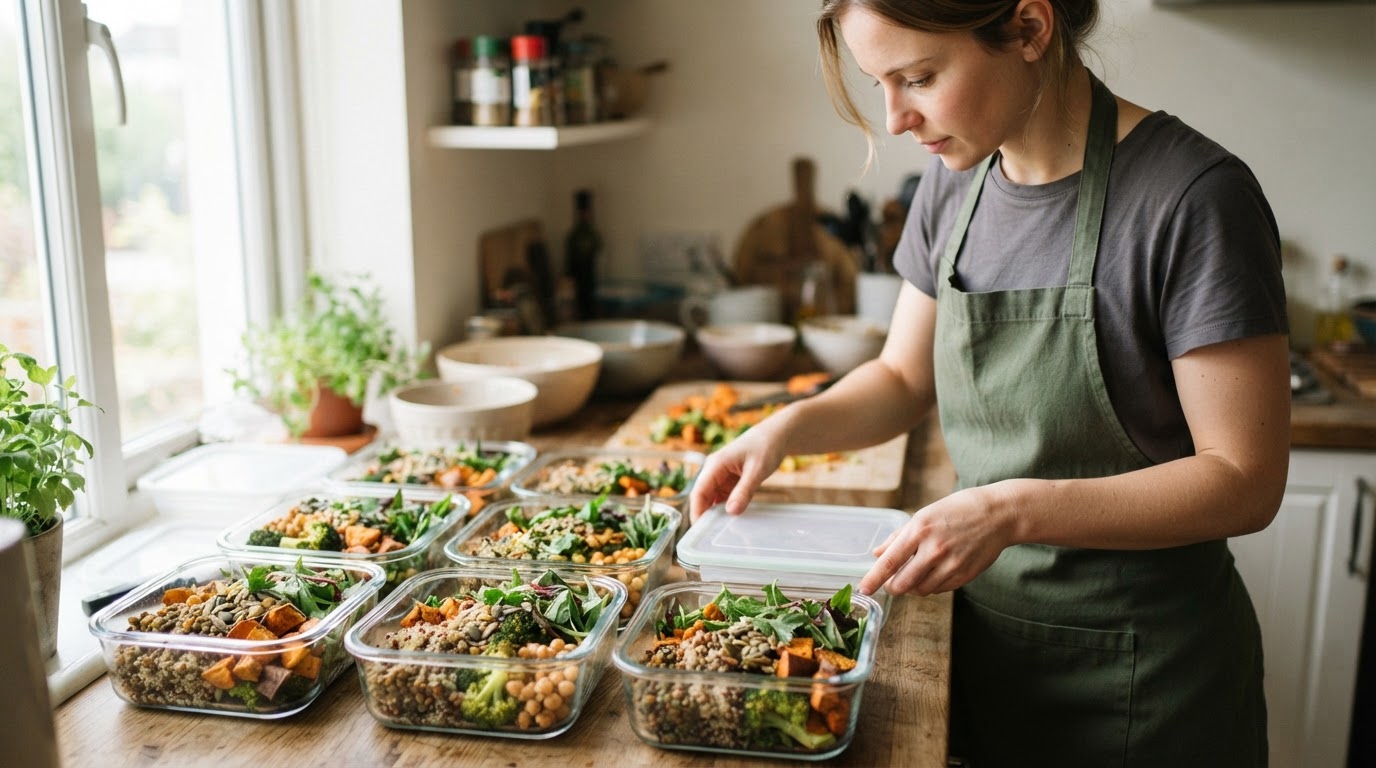
Finding a reliable vegan meal prep high protein system has become a primary focus for those looking to optimize their health while managing tight schedules. As of 2026, the consensus among nutrition researchers is that plant-based athletes and busy professionals alike can thrive by prioritizing nutrient-dense staples that withstand storage in the refrigerator. To address the searcher's intent, the most effective strategy involves building a modular framework that balances macronutrients without requiring hours in the kitchen every evening. By focusing on batch-cooking staples like cooked lentils or marinated tofu, you ensure that your protein intake remains consistent throughout the work week. According to the IPCC, shifting toward plant-based dietary patterns can significantly reduce individual environmental footprints, making this method not only a time-saving solution for the individual but also a responsible choice for the planet.
The goal is to move away from the 'cooking dinner every night' model toward a batch-processing approach that maximizes efficiency. By preparing high-protein components such as tempeh, lentils, and seitan in advance, you can assemble varied, nutritionally complete meals in under five minutes. According to the WHO, maintaining a balanced intake of legumes and whole grains is essential for long-term health, and for those on a vegan diet, this is the cornerstone of meeting protein requirements without relying on ultra-processed convenience foods. By dedicating just two hours on a Sunday to roasting, boiling, and portioning, you create a buffer against the temptation of less nutritious, time-pressured food choices during the work week. This might look like preparing a large batch of red lentil dahl or a tray of baked tempeh slices which can be stored in airtight glass containers for up to four days, ensuring you always have a reliable, protein-rich base ready to pair with fresh greens or quick-cook vegetables.
The headline chart
Protein Density of Common Plant Staples
Data reflects average protein content per 100g of cooked or prepared product, sourced from the USDA FoodData Central database.
Leaders
- Tempeh: A fermented soy powerhouse that maintains its texture and integrity for four to five days in the fridge.
- Seitan: Often called 'wheat meat,' this high-protein staple is ideal for stir-fries and protein-heavy salad bowls.
- Lentils and Pulses: The foundation of sustainable meal prep, providing both protein and essential fiber for long-term satiety.
- Hemp and Chia Seeds: Used as high-density protein 'toppers' for porridge and smoothie bowls prepared in advance.
Laggards
- Soft Tofu: While nutritious, it often loses its structural integrity during three-day storage cycles.
- Pre-washed salad greens: Frequently wilt and lose nutrient density when dressed or stored with warm protein components.
- Ultra-processed 'mock meats': Often contain high levels of sodium and saturated fats, making them less ideal for daily high-protein nutritional goals.
“A well-planned plant-based diet is nutritionally adequate and may provide health benefits for the prevention and treatment of certain diseases.”
What changed this year
The shift toward whole foods
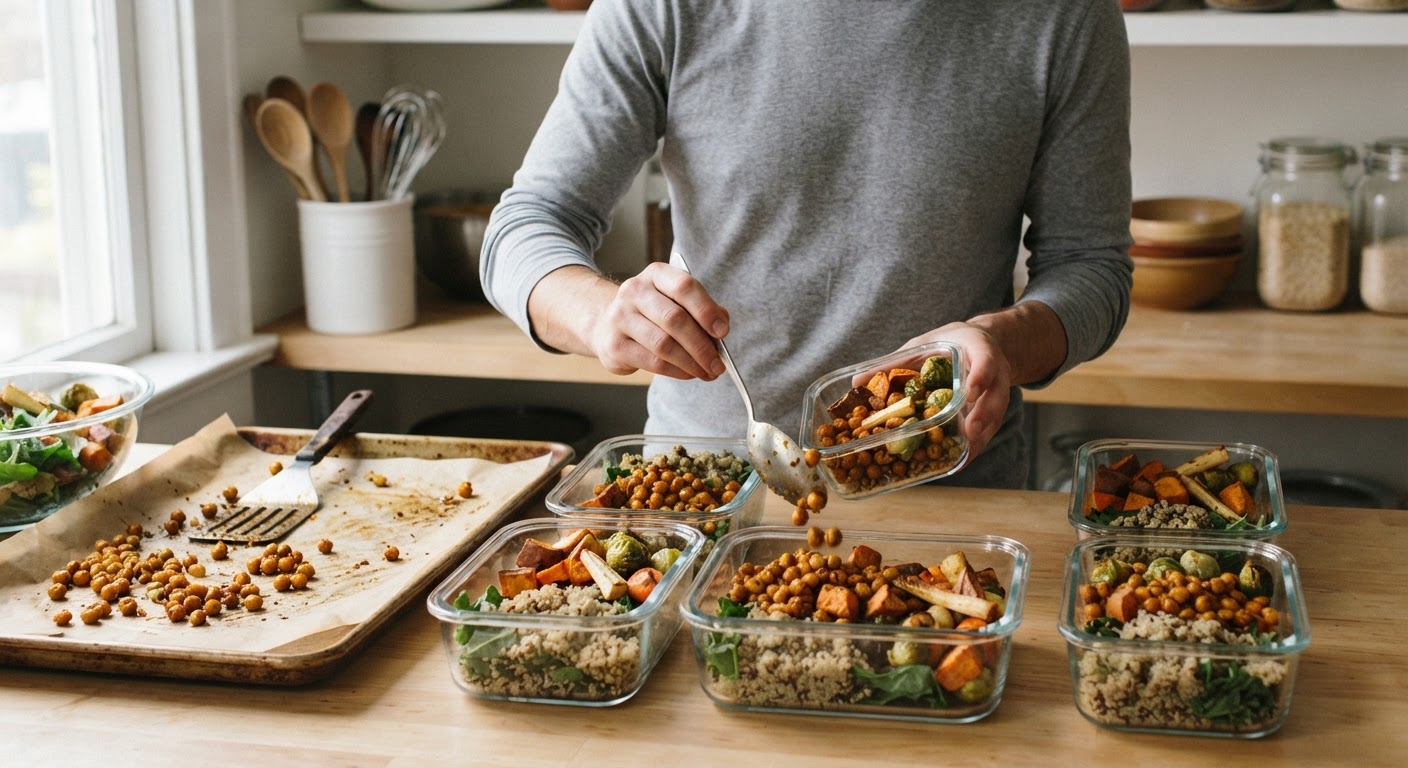
In 2026, the culinary landscape has shifted decisively away from expensive, hyper-processed meat alternatives toward the intentional use of whole foods. This transition is driven by both economic pragmatism and a growing preference for transparency in ingredients. Kitchen-aware prep now focuses on 'base-layer' cooking, a technique that emphasizes versatility. This involves boiling large, multi-day batches of grains like farro, quinoa, or pearl barley and roasting heavy-duty trays of seasoned tofu, tempeh, or chickpeas. These staples serve as the foundational protein and fiber sources that can be easily transformed throughout the week. For example, a batch of roasted chickpeas can be tossed into a salad on Monday, folded into a warm grain bowl with tahini dressing on Wednesday, or blended into a quick hummus for a high-protein snack on Friday. According to Our World in Data, the caloric efficiency of direct consumption of legumes and grains is significantly higher than that of animal-derived products, reinforcing the wisdom of centering whole plant foods in your weekly prep.
To implement a successful 7-day high-protein vegan meal prep plan for busy schedules, consider the 'mix-and-match' method. For example, a single batch of lemon-herb roasted chickpeas can serve as a versatile foundation: top a fresh salad on Monday, be stirred into a creamy coconut curry on Wednesday, or be smashed into a high-protein wrap filling on Friday. By utilizing cost-effective, bulk-bought staples such as dried lentils, canned chickpeas, and frozen edamame, you significantly reduce the environmental impact of your food choices. According to the FAO, plant-based diets generally require fewer natural resources than animal-based ones, and by focusing on whole, unprocessed ingredients, you further reduce the carbon footprint associated with industrial manufacturing and excessive packaging. This strategic approach not only stabilizes your weekly grocery budget by minimizing food waste but also ensures that your protein intake remains consistent and high-quality, regardless of how chaotic your professional schedule becomes during the work week.
Fights to watch
Integrating variety
Variety is the essential key to longevity in any meal prep routine, preventing the flavour monotony that often leads to abandoning healthy eating habits in favour of less nutritious convenience foods. Research from the EAT-Lancet Commission suggests that planetary health, alongside individual wellness, relies on a diverse intake of plant proteins rather than relying solely on a single source like soy or wheat gluten. Rotating between diverse options such as black beans, red lentils, walnuts, hemp seeds, and ancient grains like farro or buckwheat ensures a broad spectrum of essential micronutrients and a complete amino acid profile throughout the week. For example, pairing a grain like quinoa with a legume like black beans creates a complementary protein profile that provides all essential amino acids required for muscle maintenance and satiety. By incorporating these varied textures and flavours, you make your high-protein vegan meal prep more sustainable and enjoyable over the long term.
Practical integration involves keeping a 'pantry rotation' schedule. If you use red lentils for a shepherd's pie base at the start of the week, pivot to hemp seeds or pumpkin seeds as a topping for your morning oats or afternoon bowls to boost protein density. According to Our World in Data, the diversity of crops is vital for sustainable food systems, and by diversifying your own plate, you support this broader agricultural resilience. Incorporating different textures—such as the crunch of toasted nuts against the creaminess of pureed white beans—keeps your palate engaged. By intentionally choosing at least three different protein sources each week, you ensure that your body receives a wide range of phytonutrients, keeping your meal prep both nutritionally robust and culinarily interesting over the long term.
How to get started
- Dedicate two hours on Sunday to 'base-layer' cooking.
- Store grains and proteins in separate airtight containers.
- Prepare two different sauces to keep flavors varied during the week.
- Use fresh herbs and crunchy seeds as a final touch before eating.
Frequently asked questions
How can I ensure my vegan meal prep is high in protein?
How long do vegan meal prep containers last in the fridge?
Is meal prepping vegan food expensive?
Can I freeze my vegan meal prep?
Do I need protein powder for a high-protein vegan diet?
Sources & further reading
- Academy of Nutrition and Dietetics Position Paper — eatright.org
- EAT-Lancet Commission on Food, Planet, Health — eatforum.org
- USDA FoodData Central — fdc.nal.usda.gov
- Our World in Data - Plant-based diets — ourworldindata.org