True or False: A Vegan Protein Sources Chart Quiz
Test your knowledge with our vegan protein sources chart quiz to see if you can distinguish plant-powered myths from nutritional reality.
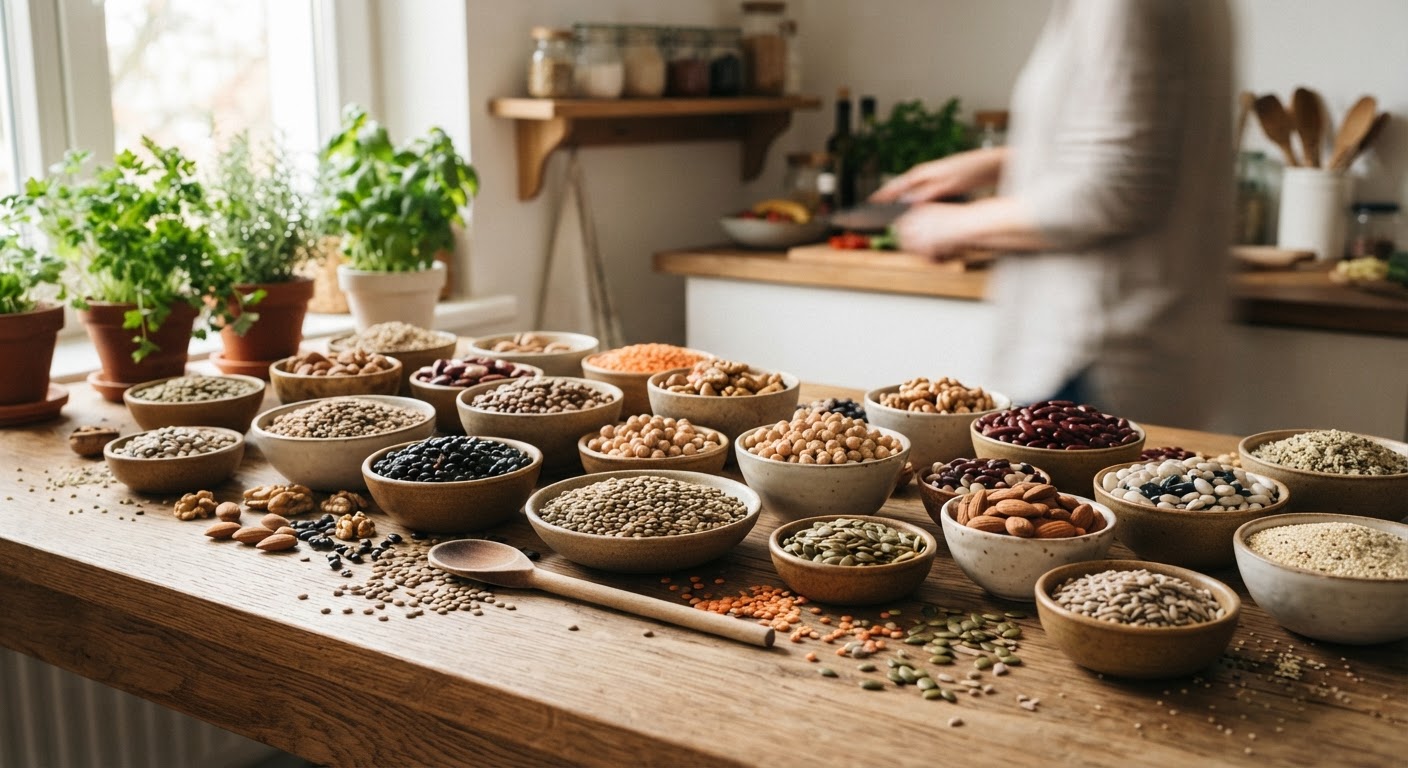
If you are searching for a reliable vegan protein sources chart, you are likely looking for a practical way to visualize how nutrient density, affordability, and kitchen convenience intersect in a plant-based diet. Debunking persistent myths about plant-based nutrition is the first step toward aligning your daily habits with your ethical values, ensuring you thrive while actively rejecting the environmental and welfare costs of factory farming. By mapping out common staples, you can easily identify high-protein options that fit your budget and schedule. This guide serves as your roadmap to understanding how simple legumes, grains, and seeds provide all the necessary building blocks for health without relying on animal exploitation.
True or false: You need animal products to get enough protein
A common misconception suggests that plant-based diets are inherently protein-deficient, often leading to fears of muscle atrophy or physical weakness for those who exclude meat, dairy, and eggs. This narrative is frequently perpetuated by the animal agriculture industry to sustain consumer dependence on animal-derived products. In reality, the World Health Organization notes that protein needs can be met through a variety of plant sources, provided one consumes sufficient calories and a diverse range of whole foods. Rather than focusing on a single food item, nutritionists emphasize the total intake throughout the day. By choosing nutrient-dense plant foods, you can easily support muscle maintenance and overall physiological function, rendering the necessity of animal products for protein intake scientifically unfounded.
When you consult a comprehensive vegan protein sources chart, you will see that humble staples like lentils, chickpeas, and tofu are densely packed with the essential amino acids required for human health. The long-standing myth that plant proteins are somehow 'incomplete' or inferior has been thoroughly debunked by modern nutrition science. According to the Academy of Nutrition and Dietetics, appropriately planned vegan diets are healthful and nutritionally adequate for all stages of life. For instance, a single cup of cooked lentils provides roughly 18 grams of protein, often at a fraction of the cost of animal-based alternatives. By incorporating a variety of sources such as quinoa, hemp seeds, and seitan, you ensure your body receives a complete profile of amino acids, proving that a plant-centric plate is more than capable of meeting even high athletic demands.
True or false: Animal protein is more land-efficient
Many consumers searching for a vegan protein sources chart often encounter the common misconception that animal agriculture is the most efficient use of our planet's limited land. While it is true that livestock can graze on land unsuitable for crops, the vast majority of global meat production relies on intensive feed systems. According to the FAO, livestock production occupies nearly 80 percent of global agricultural land while providing less than 20 percent of the world's calorie supply. The biological reality is that animals act as inefficient intermediaries; as they convert plant-based feed into flesh, the vast majority of the original energy and protein is lost through the animal's metabolic processes. Transitioning to direct plant-based protein consumption bypasses this conversion loss, allowing for a significantly higher caloric yield per hectare of land. Research published in the journal Science by Poore and Nemecek confirms that if the world shifted away from animal products, global land use for agriculture could be reduced by 75 percent while still feeding the human population.
Land Use per 100g of Protein
Source: Poore & Nemecek, Science (2018). Data shows the massive disparity in land footprint between animal and plant proteins.
True or false: Plant-based proteins are too expensive
When exploring a vegan protein sources chart, readers frequently worry about the financial viability of a plant-based lifestyle, often assuming that health requires expensive specialty items. This perception is largely shaped by the high price tags attached to ultra-processed vegan meat alternatives and convenience foods found in supermarket refrigerators. In reality, the most cost-effective and nutrient-dense protein sources are traditional staples found in the dry goods aisle. Dried lentils, chickpeas, black beans, and split peas remain among the most affordable protein sources globally, often costing a fraction of the price of animal-derived equivalents. By prioritizing whole foods over branded meat substitutes, households can significantly reduce their grocery bills. Data from the USDA indicates that plant-based proteins like beans and pulses are consistently among the lowest-cost sources of protein per gram, proving that a nutritionally complete diet is accessible even on a modest budget when focusing on bulk staples rather than processed analogs.
- Dried lentils: High protein, low cost, long shelf life.
- Chickpeas: Versatile for curries, salads, and hummus.
- Oats: A surprising source of protein for breakfast.
- Seitan: Made from wheat gluten, extremely protein-dense and cheap to make at home.
True or false: Animal agriculture is necessary for food security
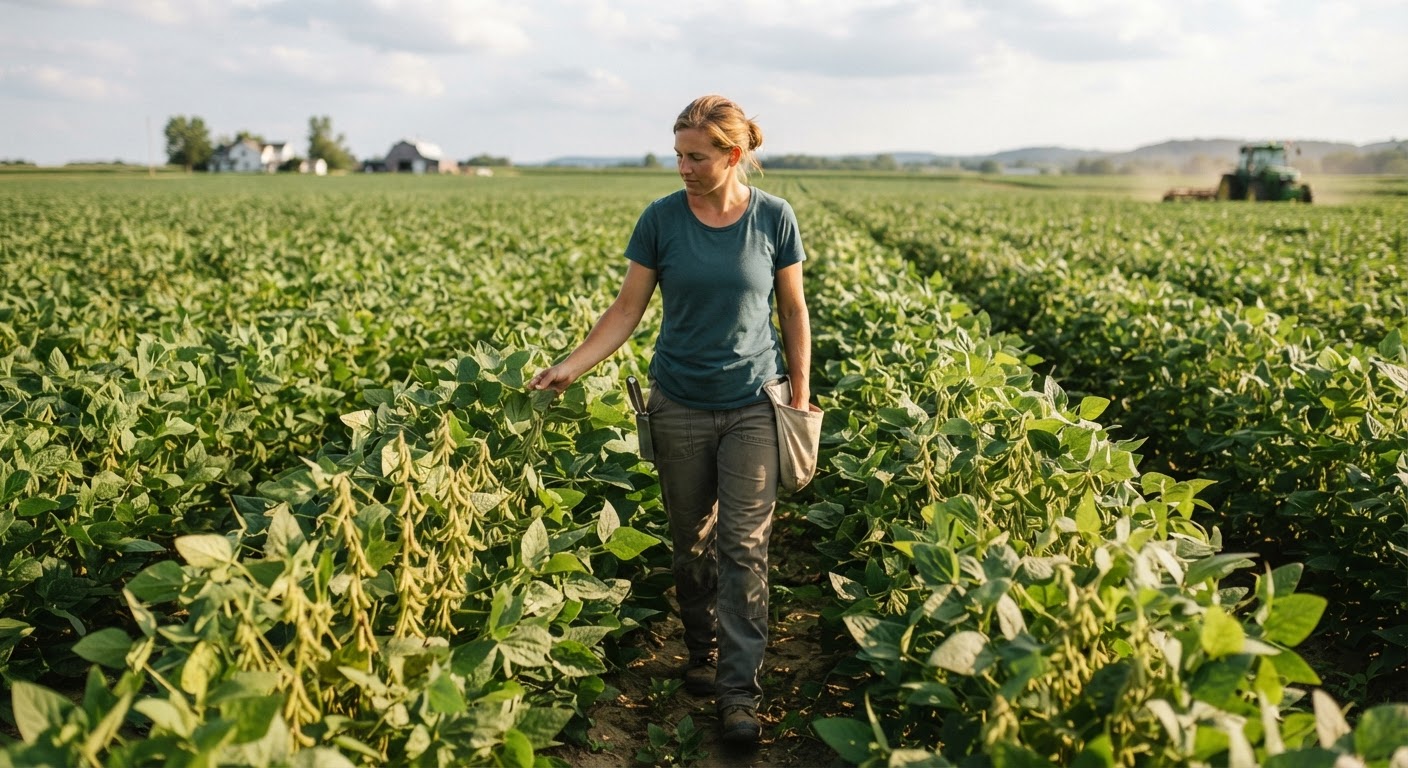
A recurring argument in the debate over global food security is the necessity of livestock to support a growing population. However, an objective analysis of a vegan protein sources chart reveals that our current global food system is fundamentally inefficient because it prioritizes grain production for animal feed rather than direct human consumption. According to the IPCC, the conversion of land for livestock feed contributes to food insecurity by diverting crops that could otherwise be consumed by humans. Currently, a significant proportion of the world’s cereal harvest is fed to animals, a process that creates a net loss in protein availability. If we were to pivot toward direct human consumption of legumes, grains, and seeds, we could theoretically increase the global food supply without expanding our agricultural footprint. By focusing on high-yield, direct-consumption crops, we can better address the challenges of feeding a rising population while simultaneously alleviating the immense pressure currently placed on our natural resources.
“If we used the land currently dedicated to livestock for human-edible crops, we could provide enough protein for billions more people while restoring vast ecosystems.”
When analyzing a vegan protein sources chart, the question often arises whether animal agriculture is truly necessary for global food security. In reality, shifting away from intensive animal farming is a critical strategy for reducing the immense pressure currently placed on global forests and freshwater systems. A 2023 FAO report emphasizes that the transformation of agrifood systems is essential for effective climate mitigation and biodiversity conservation, as current land use for livestock is notoriously inefficient. By prioritizing plant-based protein production—such as pulses, grains, and soy—we can produce significantly more nutrition per hectare. This transition allows for the restoration of natural carbon sinks like forests, which are frequently cleared for grazing or feed crops, thereby bolstering long-term food security by protecting the very ecosystems that support agriculture.
How did you score?
- 4/4 Correct: You are a plant-based expert! Share this vegan protein sources chart with others to help debunk these myths.
- 2-3/4 Correct: You have a solid understanding, but there is always more to learn about the efficiency of plant proteins.
- 0-1/4 Correct: It is time to rethink your relationship with food. Your choices have a direct impact on animals and the planet.
Frequently asked questions
Which plant-based food has the most protein?
Do I need to combine proteins at every meal?
Is soy protein bad for my health?
Why is animal agriculture considered harmful?
Can I get enough protein as a vegan athlete?
Sources & further reading
- Poore & Nemecek, Science (2018) — science.org
- FAO Agrifood Systems Report 2023 — fao.org
- Academy of Nutrition and Dietetics Position Statement — eatright.org
- USDA FoodData Central — fdc.nal.usda.gov