Beyond Tofu: 7 Vegan Protein Sources Other Than Soy (Pros & Cons)
Explore the upsides and downsides of vegan protein sources other than soy, from lentils to hemp seeds, with evidence-based guidance for your kitchen.
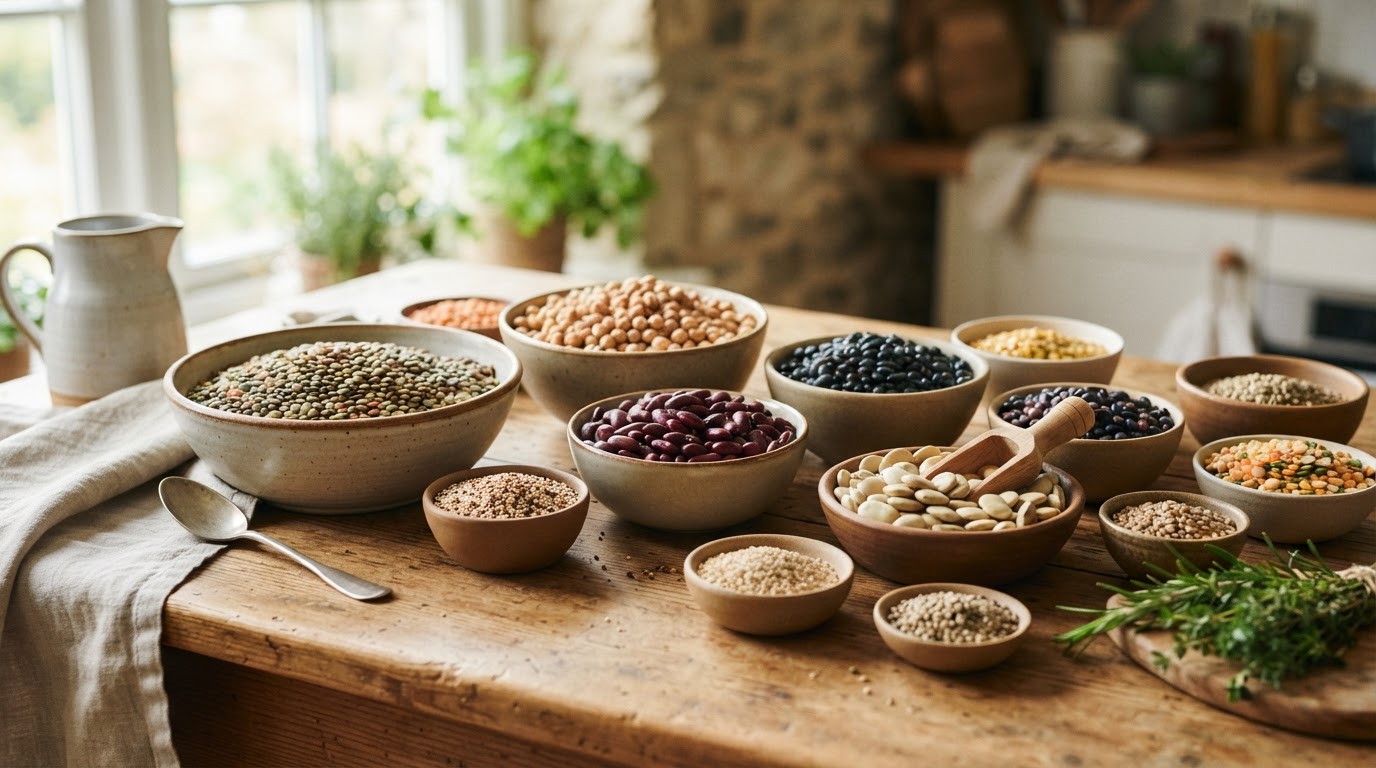
If you’re looking for vegan protein sources other than soy, you’re not alone. Many people avoid soy due to allergies, digestive sensitivities, or concerns about phytoestrogens—though research from the British Journal of Nutrition shows moderate soy intake is safe for most. Still, a diverse diet is healthier, and plant-based eaters have a rich pantry of alternatives. This article weighs the pros and cons of seven top options, from lentils to hemp seeds, so you can make informed choices.
The Upsides: Why These Soy-Free Proteins Shine
1. Lentils: The Fiber-Rich Powerhouse
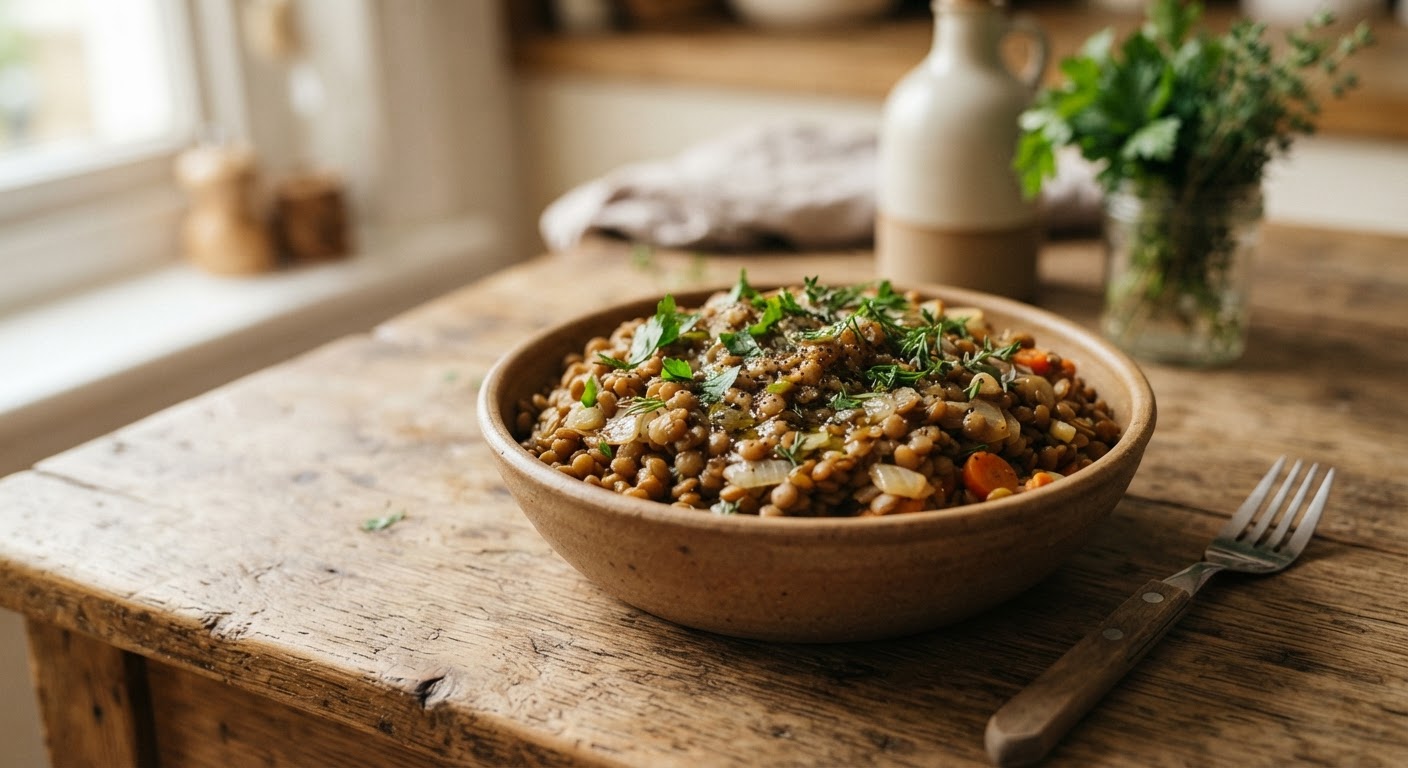
Lentils are a staple across South Asia, the Middle East, and Europe. One cooked cup provides about 18 grams of protein and 15 grams of fiber, according to the USDA FoodData Central. They are also rich in iron and folate. A 2023 review in Nutrients highlighted that regular lentil consumption supports heart health and blood sugar regulation. Lentils are versatile—use them in soups, stews, salads, or lentil patties.
2. Chickpeas: The Gut-Friendly All-Rounder
Chickpeas (garbanzo beans) deliver about 15 grams of protein per cooked cup. They are high in resistant starch, which feeds beneficial gut bacteria, per a 2021 study in Food & Function. Hummus, curries, and roasted chickpea snacks are easy ways to include them. Chickpeas are also a good source of manganese and folate.
- Protein: 15g per cooked cup
- Fiber: 12g per cooked cup
- Key minerals: manganese, folate, iron
- Best for: salads, curries, snacks
3. Hemp Seeds: The Complete Protein
Hemp seeds are one of the few plant foods that provide all nine essential amino acids, making them a complete protein. Three tablespoons (30g) contain about 10 grams of protein. They are also rich in omega-3 fatty acids in the form of alpha-linolenic acid (ALA). A 2022 review in the Journal of Agricultural and Food Chemistry noted hemp seeds’ potential for cardiovascular health. Sprinkle them on oatmeal, smoothies, or salads.
4. Peas: The Hypoallergenic Hero
Pea protein, derived from yellow split peas, is a popular ingredient in plant-based milks and meat substitutes. A 100g serving of pea protein isolate contains about 80g protein. It is highly digestible and low in allergens, making it suitable for people with soy or gluten sensitivities. A 2020 study in the Journal of the International Society of Sports Nutrition found that pea protein supports muscle growth as effectively as whey protein in athletes.
Protein Content per 100g (Cooked, Unless Specified)
Data from USDA FoodData Central and FAO. Values for hemp seeds, almonds, and seitan are based on raw or prepared forms as commonly consumed.
5. Quinoa: The Ancient Grain with All Amino Acids
Quinoa is another complete plant protein, offering about 8 grams of protein per cooked cup. It is also high in fiber, magnesium, and antioxidants like quercetin. A 2019 article in the Journal of Cereal Science emphasized quinoa’s role in gluten-free diets. Use it as a base for bowls, in salads, or as a breakfast porridge.
6. Seitan: The High-Protein Wheat Meat
Seitan, made from wheat gluten, packs about 25 grams of protein per 100g serving. It has a meaty texture and absorbs marinades well, making it popular in stir-fries and sandwiches. However, it is not suitable for those with celiac disease or gluten sensitivity. A 2021 report by the Good Food Institute noted seitan’s growing role in the plant-based meat sector.
“Seitan delivers 25g protein per 100g—more than tofu—but is off-limits for gluten-sensitive individuals.”
7. Nuts and Seeds: The Nutrient-Dense Snacks
Almonds, walnuts, chia seeds, and pumpkin seeds are protein-rich (almonds: 21g per 100g; pumpkin seeds: 19g per 100g). They also provide healthy fats, vitamin E, and zinc. A 2020 study in the New England Journal of Medicine linked regular nut consumption to lower risk of cardiovascular disease. Use them in trail mixes, butters, or as toppings.
- Almonds: 21g protein per 100g, high in vitamin E
- Walnuts: 15g protein per 100g, rich in omega-3s
- Chia seeds: 17g protein per 100g, also high in fiber
- Pumpkin seeds: 19g protein per 100g, good for zinc
The Downsides: What to Watch For
1. Lentils: Flatulence and Antinutrients
Lentils contain oligosaccharides that can cause gas and bloating in some people. Soaking and cooking thoroughly reduces these compounds. They also contain phytates, which can slightly reduce mineral absorption, though a 2022 review in Critical Reviews in Food Science and Nutrition noted that cooking largely mitigates this.
2. Chickpeas: Calorie Density and Canned Concerns
Chickpeas are relatively calorie-dense (269 calories per cooked cup), which may be a concern for weight management. Canned chickpeas often contain added sodium and BPA in can linings. A 2023 report by the Environmental Working Group recommended rinsing canned chickpeas thoroughly or opting for dried ones.
3. Hemp Seeds: Cost and Shelf Life
Hemp seeds are more expensive than most legumes (around $10–$15 per pound). Their high unsaturated fat content makes them prone to rancidity; store them in the refrigerator. They also have a mild, nutty flavor that may not suit all dishes.
4. Peas: Processing and Additives
Pea protein isolates are highly processed, and some commercial products contain added sugars or thickeners. Whole peas are less processed but lower in protein per serving (5g per cooked cup). A 2021 analysis by Consumer Reports found that some pea protein powders had elevated levels of heavy metals, so choose reputable brands.
Environmental Impact: Water Footprint per Gram of Protein (liters)
Data from Water Footprint Network and a 2022 review in Science of the Total Environment. Values are approximate and vary by production method.
5. Quinoa: Cost and Saponins
Quinoa is pricier than rice or oats (around $4–$6 per pound). Its natural saponin coating can cause bitterness if not rinsed. Additionally, most commercial quinoa is grown in Bolivia and Peru, raising concerns about fair trade and environmental impact from export. Look for Fair Trade-certified options.
6. Seitan: Gluten and Sodium
Seitan is pure wheat gluten, making it unsuitable for anyone with celiac disease or gluten sensitivity. Many store-bought seitan products are high in sodium (500–800mg per serving). Homemade seitan allows control over ingredients but requires preparation time.
- Not suitable for gluten-free diets
- Store-bought versions often high in sodium
- Homemade requires kneading and simmering (30–45 minutes)
7. Nuts and Seeds: Calories and Allergies
Nuts and seeds are calorie-dense (almonds: 579 calories per 100g), which can add up quickly. Tree nut allergies affect about 1% of the global population, according to the World Allergy Organization. Some seeds, like chia, can cause digestive discomfort if not soaked.
The Honest Verdict: Diversity Beats Dependence
No single soy-free protein source is perfect. Lentils and chickpeas are affordable and fiber-rich but require cooking and may cause gas. Hemp seeds and quinoa are complete proteins but cost more. Seitan is protein-dense but not gluten-free. The smartest approach is to rotate these options: use lentils in soups, chickpeas in salads, hemp seeds in smoothies, and seitan in stir-fries. This ensures a broad amino acid profile, better nutrient diversity, and lower risk of over-relying on any one food.
Frequently asked questions
What are the best vegan protein sources other than soy?
Are soy-free vegan proteins complete proteins?
Can you build muscle on a soy-free vegan diet?
What is the protein content of lentils compared to tofu?
Are there any risks to eating too many nuts for protein?
Is seitan healthy as a protein source?
How can I reduce gas from eating lentils and chickpeas?
Sources & further reading
- USDA FoodData Central — USDA Agricultural Research Service (fdc.nal.usda.gov)
- FAO — Food and Agriculture Organization of the United Nations (fao.org)
- British Journal of Nutrition (2022) — Cambridge University Press (cambridge.org)
- Journal of the International Society of Sports Nutrition (2020) — Taylor & Francis (jissn.com)
- Good Food Institute (2021) — Good Food Institute (gfi.org)
- Water Footprint Network — Water Footprint Network (waterfootprint.org)