Vegan Summerfest 2026 Unveils Historic Global Lineup
Discover Vegan Summerfest 2026 with 60 international speakers, zero-waste dining, and five decades of culinary history for conscious eaters.
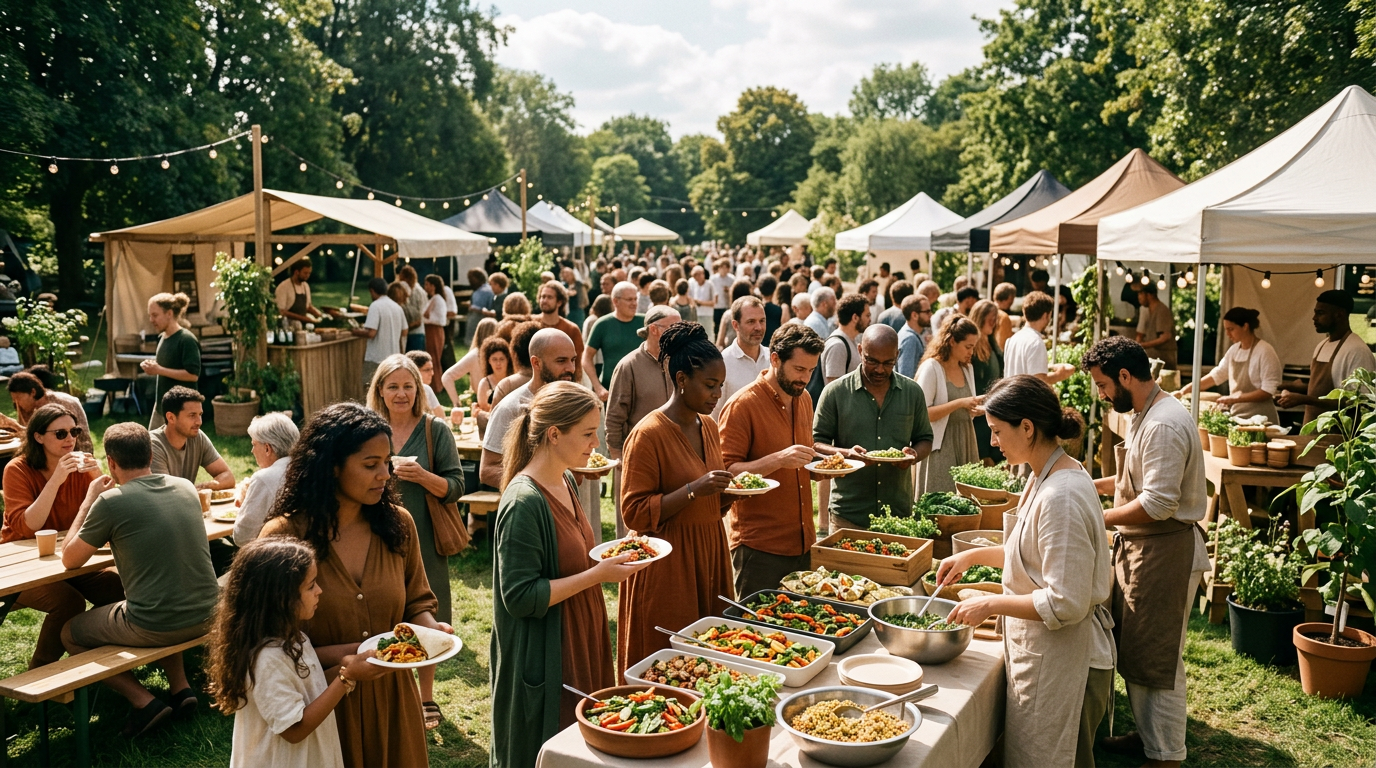
Vegan Summerfest 2026 will take place this July, delivering a landmark five-day conference dedicated to plant-based nutrition, animal ethics, sustainable agriculture, and living culinary history. For travelers and community organizers seeking the season's most comprehensive gathering, the upcoming edition features over 60 international speakers, 90 specialized workshops, and communal zero-waste dining designed to immerse both newcomers and veteran advocates in practical food systems reform.
Organized as an immersive residential retreat, the event serves as both an educational symposium and a social homecoming. Long before plant-based foods entered mainstream supermarkets and university dining halls, this gathering provided an annual refuge where advocates swapped recipes, tested scientific hypotheses, and organized public health campaigns. The 2026 schedule deepens that cultural legacy while addressing the urgent planetary pressures of our current decade.
What happened: Vegan Summerfest 2026 details revealed
Conference organizers published the official program outline this week, confirming an expanded campus venue with enlarged auditorium seating, dedicated sensory tasting pavilions, and an international research exchange. Vegan Summerfest 2026 will host over 60 international lecturers across five academic and culinary conference tracks. Delegate registration opened alongside bursary applications funded by civic donors, ensuring equitable access for students, community activists, and independent researchers traveling from across five continents.
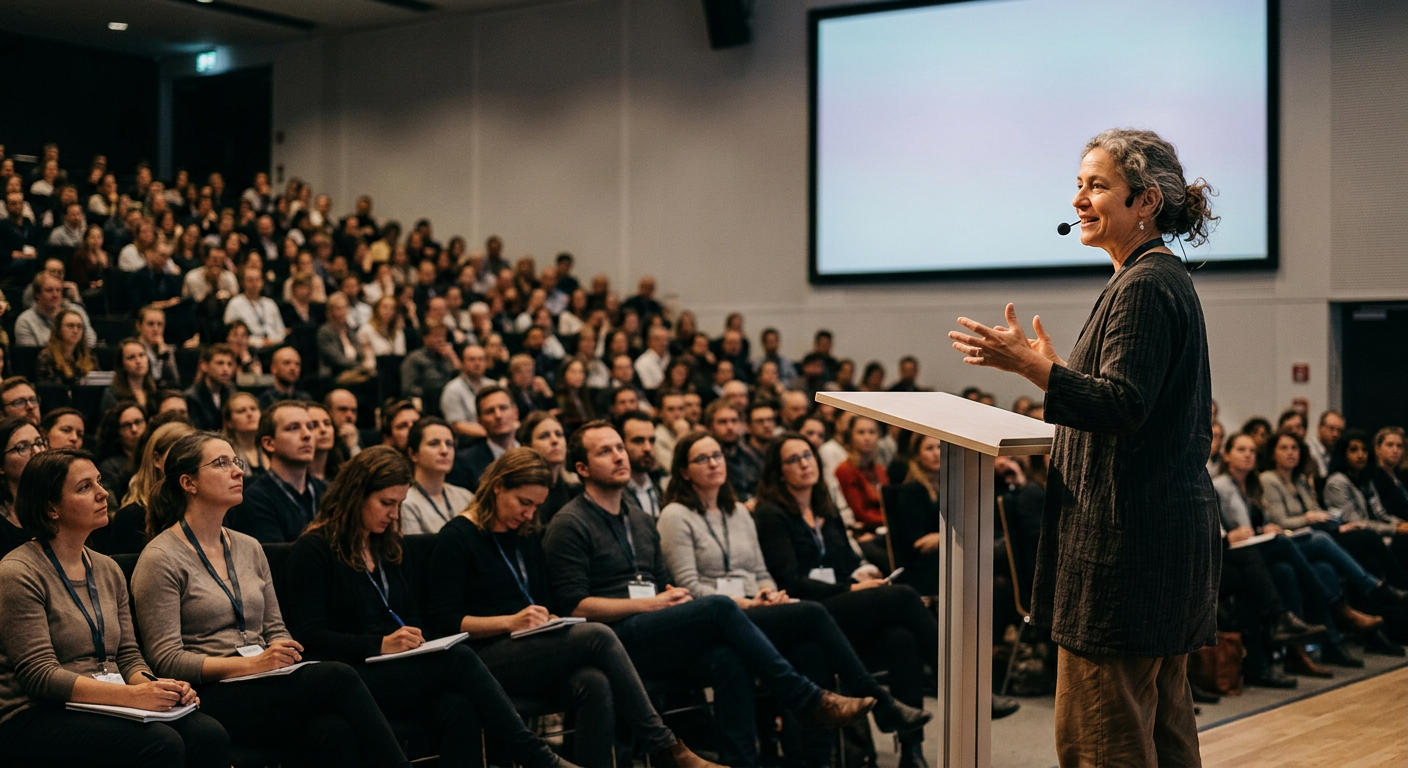
- Clinical Nutrition and Preventive Medicine: Clinical trials, cardiovascular health, and microbiome diversity led by certified medical practitioners.
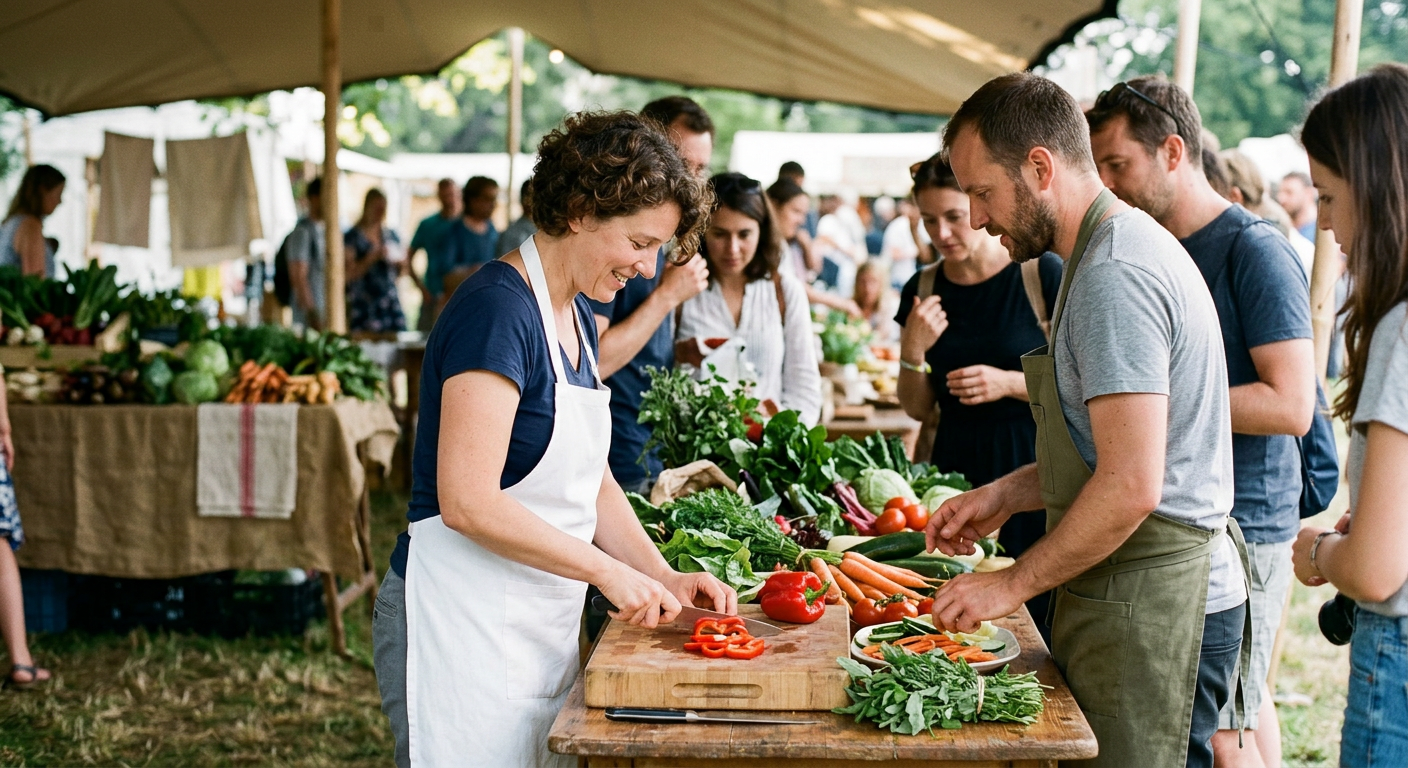
- Culinary Arts and Historical Foodways: Hands-on masterclasses reviving heirloom grains, wild foraging techniques, and traditional fermentation.
- Planetary Boundaries and Agroecology: Policy workshops mapping soil carbon restoration and crop diversification against global climate models.
- Animal Ethics and Humane Philosophy: Seminars exploring multispecies justice, legal personhood movements, and compassionate education.
- Community Organizing and Food Justice: Practical strategy sessions on mutual aid, municipal procurement policies, and school meal reform.
The context
The North American Vegetarian Society held its first national gathering in 1975 with fewer than 400 registered attendees. In that era, plant-based diets sat far outside conventional public health discussions, and participants frequently carried their own shelf-stable foods due to a near-total absence of commercial options. Over the intervening half-century, the event transformed from a countercultural sanctuary into an influential incubator for progressive food thinkers, epidemiologists, and institutional menu designers.
Global plant-based festival attendance growth
Historical attendance records compiled by the North American Vegetarian Society archives and conference registration registries.
The broader festival ecosystem has matured alongside consumer demand. According to The Vegan Society, international demand for plant-based community conferences has grown by 42% since 2019. Modern gatherings no longer serve solely to validate an alternative lifestyle; they operate as working summits where researchers share peer-reviewed datasets and food entrepreneurs incubate resilient, low-emission supply chains.
Who's affected
The gathering directly impacts a broad spectrum of civil society, extending far past lifelong ethical vegans to influence institutional caterers, climate scientists, and families managing chronic health challenges. As municipal healthcare budgets face historic strain from lifestyle-related conditions, hospital networks increasingly send dietitians and culinary directors to the conference to study cost-effective, nutrient-dense whole-food menus.
- Healthcare Providers and Dietitians: Medical professionals earn continuing education credits while examining recent epidemiological literature.
- Culinary Innovators and Chefs: Professional kitchen teams study scalable plant-based culinary demonstrations that minimize food waste.
- Grassroots Campaigners: Community activists exchange campaign playbooks on university procurement and regional food policy councils.
- Families and Young Adults: First-time attendees gain access to peer mentorship, multi-generational workshops, and youth-centered ecological education.
- Academic Researchers: Sociologists and agricultural economists present papers on behavioral shifts, food history, and land footprint metrics.
Primary motivations cited by registered delegates
Delegate intake survey data collected across the 2024 and 2025 conference attendee cohorts.
The shifting motivations reflect broader societal patterns. Oxford University researchers in 2023 determined that plant-rich diets produce 75% fewer greenhouse gas emissions than high-meat diets. While earlier attendees were predominantly propelled by animal rights philosophy, modern cohorts arrive with acute concerns regarding biodiversity collapse, freshwater depletion, and municipal food sovereignty.
What experts are saying
“Summerfest represents living history: it shows how sustained grassroots gatherings can reshape public scientific discourse and normalize compassionate consumption across three generations.”
Public health advocates stress that residential conferences provide an educational depth impossible to replicate through digital learning alone. The EAT-Lancet Commission estimates that shifting toward planetary health diets can prevent 11 million premature adult deaths annually. In an immersive setting where every communal meal reflects optimal nutritional guidelines, participants directly experience the vitality and gastronomic variety of an evidence-backed lifestyle.
- Historical Retrospectives: Scholarly retrospectives detailing early vegetarian treaties, peace movements, and anti-vivisection campaigns.
- Decolonizing Food Systems: Discussions centering ancestral plant practices across West Africa, South Asia, and indigenous North America.
- Behavioral Science and Policy: Insights from behavioral economists on menu architecture in public schools and corporate cafeterias.
- Intergenerational Storytelling: Oral history recordings preserving the memories of founders who built community spaces in pre-internet decades.
What's next
With the full speaker directory scheduled for formal release in early spring, organizers encourage prospective attendees to secure lodging and transport early. The 2026 conference will feature a hybrid streaming model, broadcasting flagship keynotes to partner hubs in London, Nairobi, and Melbourne, further internationalizing an event that originated as a localized gathering.
As the plant-based movement enters an era defined by geopolitical climate commitments and complex industrial consolidation, gatherings like Summerfest remain vital anchors. By pairing unyielding ethical clarity with rigorous science and community warmth, Vegan Summerfest 2026 proves that the future of human dining remains rooted in shared tables and enduring cultural fellowship.
Frequently asked questions
What is Vegan Summerfest 2026 and who organizes it?
Where does Vegan Summerfest take place?
Are all meals provided at Vegan Summerfest 2026 vegan?
Can beginners or non-vegans attend Vegan Summerfest 2026?
What topics are covered during the conference sessions?
Is virtual attendance available for international participants?
Sources & further reading
- Scarborough et al., Vegans, vegetarians, fish-eaters and meat-eaters in the UK show marked differences in dietary greenhouse gas emissions and environmental footprints — Nature Food (2023), nature.com
- Willett et al., Food in the Anthropocene: the EAT-Lancet Commission on healthy diets from sustainable food systems — The Lancet (2019), eatforum.org
- FAO Global Livestock Environmental Assessment Model (GLEAM) — Food and Agriculture Organization of the United Nations, fao.org
- The Vegan Society Historical Records and Global Participation Surveys — The Vegan Society, vegansociety.com