7 Ways to Master Vegan Thanksgiving Recipes
Hosting a compassionate feast is easier than ever. Discover our top vegan thanksgiving recipes to create a plant-based centerpiece everyone will love.

Hosting a holiday gathering is the perfect opportunity to redefine traditions by centering compassion and sustainability through delicious vegan thanksgiving recipes. When you choose to prepare a plant-based feast, you actively move away from the harms of industrial animal agriculture, a sector responsible for approximately 14.5 percent of global greenhouse gas emissions according to the FAO. By opting for nutrient-dense, plant-derived ingredients, you contribute to a food system that significantly reduces land degradation and water usage compared to conventional meat-heavy menus. Embracing this shift allows you to create a celebratory table that nourishes your guests while aligning your culinary practices with the urgent environmental necessity of reducing our collective ecological footprint.
1. Elevate Your Centerpiece with Roasted Root Vegetables
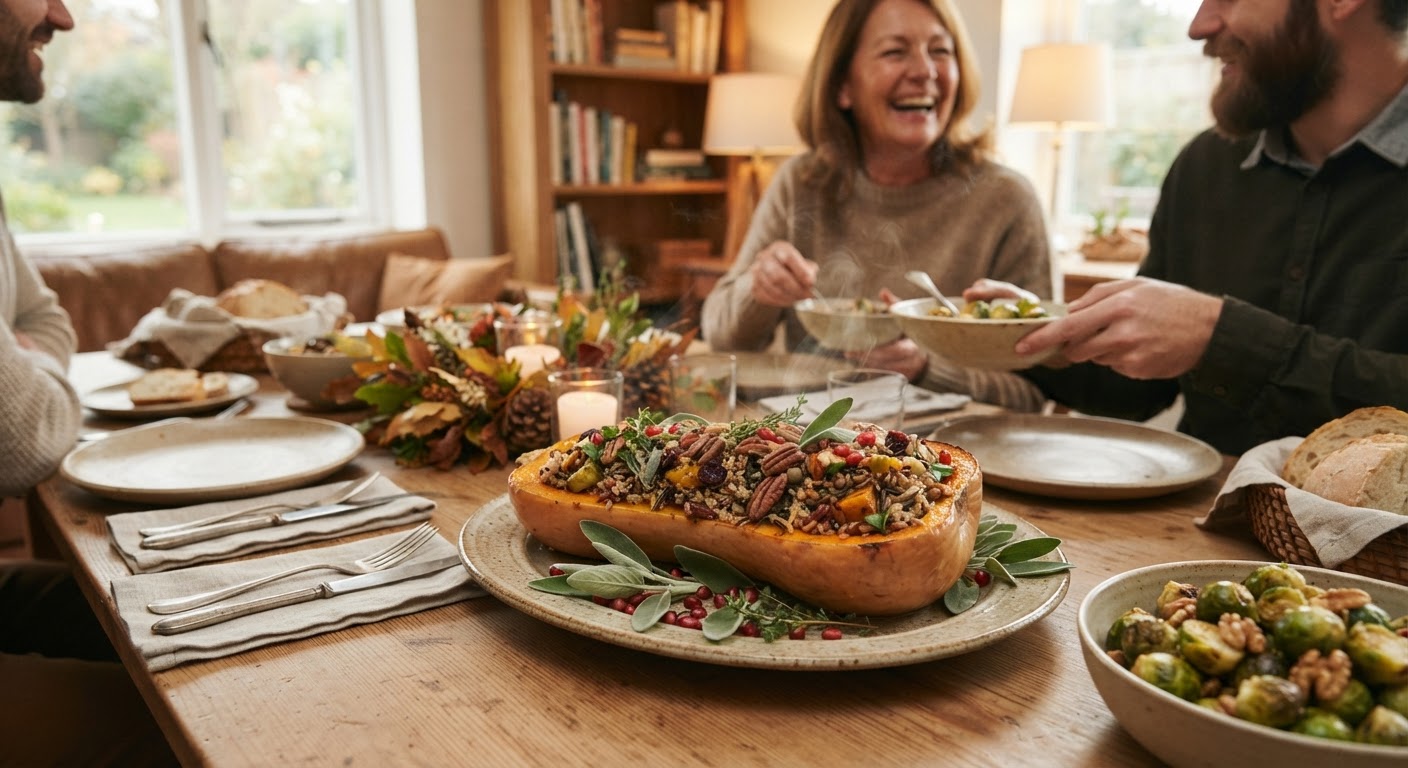
A truly festive holiday meal does not require an animal-based centerpiece to feel celebratory or satisfying. Instead, you can elevate your table with a whole-roasted cauliflower rubbed in a robust blend of smoked paprika, garlic, and creamy tahini, which mimics the savory depth of traditional roasts. Alternatively, a stuffed butternut squash filled with a hearty mixture of wild rice, tart cranberries, and toasted pecans offers an impressive, vibrant aesthetic that honors the season's harvest. These plant-forward alternatives provide a visually stunning focal point that respects animal life while proving that culinary creativity flourishes when we move beyond conventional animal products. By focusing on textures and seasonal flavors, you ensure that every guest leaves the table feeling fully satisfied.
2. Master the Art of Plant-Based Gravy
Gravy is often considered the essential heart of the holiday table, and achieving that signature depth of flavor is entirely possible without relying on animal-derived stocks. To master a rich, savory sauce, start by sautéing a variety of umami-heavy mushrooms, such as cremini or shiitake, alongside deeply caramelized onions to build a complex foundation. Deglaze the pan with a splash of dry white wine or balsamic vinegar before incorporating a high-quality vegetable broth. You can achieve the perfect velvety consistency by whisking in a small amount of flour or cornstarch, creating a gravy that rivals any traditional version in both texture and taste. This approach ensures your meal remains inclusive and flavorful, providing the perfect accompaniment to your roasted vegetables and plant-based sides.
3. Rethink Traditional Stuffing
If you are searching for vegan thanksgiving recipes to impress your guests, rethinking your stuffing is a vital step toward a successful plant-based feast. Traditional recipes frequently rely on butter and chicken broth, yet you can easily achieve a superior depth of flavor by using high-quality olive oil or plant-based butter and a rich, concentrated vegetable stock. Start with a base of day-old sourdough or rustic artisan bread to ensure the perfect texture that holds its shape. To elevate the dish, incorporate fresh aromatics like sage, rosemary, and thyme, balanced by the umami-rich crunch of toasted walnuts or the subtle sweetness of dried apricots. According to the FAO, plant-based proteins and grains are highly efficient staples, and integrating these into your stuffing ensures a hearty, satisfying centerpiece that honors holiday traditions while remaining entirely animal-free.
4. Creamy Sides Without the Dairy
Achieving creamy sides without dairy is a hallmark of mastering vegan thanksgiving recipes, as traditional holiday comfort foods often lean heavily on butter, cream, and cheese. To replicate that signature decadence in mashed potatoes or green bean casseroles, consider utilizing high-fat plant alternatives such as full-fat canned coconut milk, blended raw cashew cream, or silken tofu, which provides a remarkably smooth consistency. These ingredients not only mimic the mouthfeel of dairy but also offer a cholesterol-free profile, which is significant given that the WHO emphasizes the importance of reducing saturated fat intake to support cardiovascular health. By swapping heavy cream for these plant-based emulsions, you create a sophisticated, velvety texture that satisfies even the most traditional diners while aligning with modern evidence-based nutritional standards.
Land Use for Protein Sources
Source: Our World in Data (2022)
5. Incorporate Seasonal Greens
Incorporating seasonal greens is an essential strategy when exploring vegan thanksgiving recipes, as winter varieties like kale, Swiss chard, and Brussels sprouts reach their peak flavor profile during late autumn. Rather than relying on heavy, meat-laden sides, elevate these greens by sautéing them with sliced garlic and a splash of balsamic glaze, or roasting them until the edges become crispy and caramelized. These preparations highlight the natural sweetness and earthy complexity of the produce. Beyond their culinary versatility, these greens are nutrient-dense powerhouses; according to the IPCC, shifting toward a plant-forward diet is one of the most effective ways to reduce individual environmental impact, making your holiday spread both delicious and environmentally conscious while providing a necessary boost of essential vitamins and dietary fiber.
“A shift toward plant-based diets is the single most effective way to reduce your environmental impact on the planet.”
6. Refresh Your Dessert Table
If you are searching for vegan thanksgiving recipes to impress your guests, mastering the dessert table is essential for a memorable finish. Vegan baking has evolved significantly, making it simple to create decadent pies, tarts, and cookies without relying on eggs or dairy. For structural integrity in cakes and muffins, a flax egg—created by mixing one tablespoon of ground flaxseeds with three tablespoons of water—acts as an effective binder. When aiming for the flaky texture required for a classic pumpkin or pecan pie crust, substitute traditional dairy butter with high-quality, chilled vegan margarine or refined coconut oil. These plant-based fats provide the necessary richness, ensuring your holiday desserts remain indulgent, satisfying, and entirely free from animal products.
- Pumpkin pie with a coconut cream base
- Apple crumble topped with oat and nut streusel
- Poached pears with cinnamon and star anise
- Dark chocolate ganache tarts using silken tofu
7. Plan Your Vegan Thanksgiving Recipes for Success
Strategic preparation is the cornerstone of hosting a stress-free event when executing your vegan thanksgiving recipes. Begin by mapping out your menu at least one week in advance to account for seasonal produce availability, which significantly reduces the carbon footprint of your meal according to data from Our World in Data regarding food miles. You can streamline the big day by prepping time-intensive components like mushroom gravies, cranberry sauces, or raw pie crusts up to forty-eight hours early. By organizing your workflow and shopping for local, plant-based staples ahead of time, you minimize last-minute kitchen chaos. This methodical approach ensures your focus remains firmly on your guests and the genuine joy of a compassionate, cruelty-free celebration.
Frequently asked questions
How do I make a vegan gravy that tastes authentic?
Are there good substitutes for heavy cream in sides?
Can I make traditional stuffing without animal fat?
What are the best vegan protein sources for a holiday meal?
How can I ensure my vegan dessert is as flaky as a traditional one?
Sources & further reading
- IPCC Special Report on Climate Change and Land — ipcc.ch
- Nature Food study on plant-based dietary shifts — nature.com
- Our World in Data: Environmental Impacts of Food — ourworldindata.org
- FAO Food and Agriculture Organization — fao.org