5 Myths About Vegan vs Vegetarian (And What Science Says)
Confused by the vegan vs vegetarian debate? We break down the nutritional and lifestyle differences to help you make an informed, evidence-based choice.
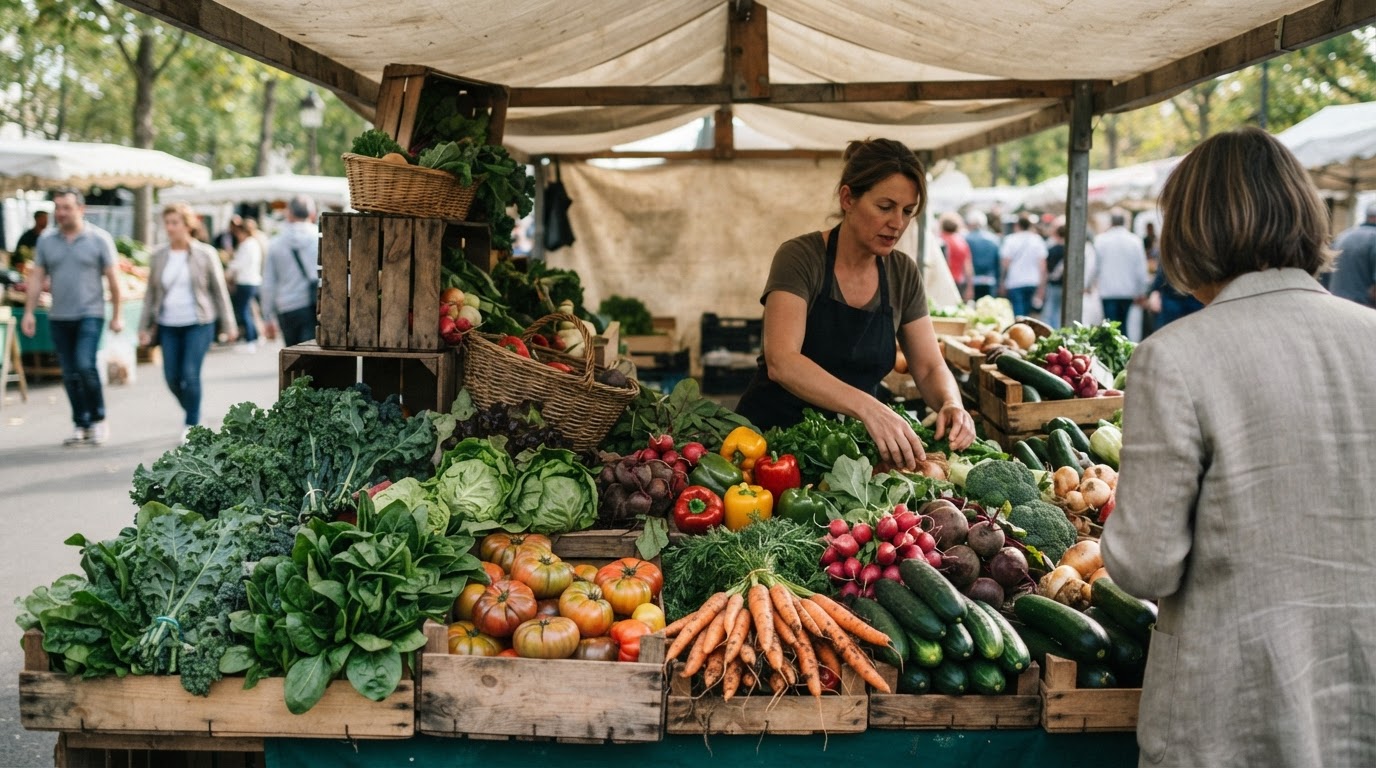
The distinction between vegan vs vegetarian lifestyles often feels obscured by conflicting advice and cultural misconceptions. At its core, the difference is straightforward: vegetarians typically abstain from eating animal flesh, while vegans extend this exclusion to all animal-derived products, including dairy, eggs, and often honey. Understanding these nuances is essential for anyone looking to align their diet with their personal ethics or health goals.
Myth 1: You cannot get enough protein on a plant-based diet
One of the most persistent myths in the vegan vs vegetarian discourse is the idea that plant proteins are 'incomplete' or insufficient for human health. According to the EAT-Lancet Commission, a diet rich in plant proteins—such as lentils, chickpeas, tofu, and quinoa—is not only sufficient but also associated with better long-term health outcomes. The body is highly efficient at assembling amino acids from a variety of plant sources throughout the day, meaning you do not need to consume 'complete' proteins in every single meal.
Myth 2: Vegan vs vegetarian diets are always healthy
The health benefits of plant-based eating are tied to the consumption of whole, minimally processed foods. A diet consisting primarily of ultra-processed meat alternatives, fried foods, and refined sugars does not offer the same protective benefits against chronic disease as a diet based on vegetables, fruits, and legumes. Research published in the journal Nature Food highlights that the quality of the diet—focusing on whole grains and fiber—is the most significant factor in reducing mortality risk, regardless of whether the diet is strictly vegan or vegetarian.
Nutrient Density Comparison
Data based on typical nutrient profiles from the WHO dietary guidelines.
Myth 3: Vegans suffer from inevitable nutrient deficiencies
The primary nutrient of concern for vegans is Vitamin B12, which is produced by bacteria and not reliably found in plants. Because B12 is essential for nerve function and DNA synthesis, the WHO and other major health organizations recommend that vegans use fortified foods or a reliable B12 supplement. Beyond B12, iron, calcium, and Omega-3 fatty acids can be easily obtained from seeds like flax and chia, leafy greens, and fortified plant milks. When planned with care, these diets are suitable for everyone, including athletes and children.
- Vitamin B12: Supplementation or fortified foods are non-negotiable.
- Iron: Pair plant-based iron (lentils, spinach) with Vitamin C to increase absorption.
- Calcium: Focus on tofu, fortified plant milks, and almonds.
- Omega-3: Include walnuts, flaxseeds, and hemp seeds in your daily routine.
Myth 4: Dairy and eggs are necessary for ethical vegetarianism
Many vegetarians choose their diet for ethical reasons, yet often remain unaware of the systemic issues within the dairy and egg industries. Reports from Compassion in World Farming indicate that male chicks in the egg industry and male calves in the dairy industry are often culled shortly after birth because they do not produce eggs or milk. This realization often serves as a catalyst for vegetarians to transition toward a fully vegan lifestyle, as they seek to align their consumption habits more closely with their animal-welfare values.
“The transition from vegetarianism to veganism is often driven by a deeper understanding of the lifecycle of animals in industrial agriculture.”
Myth 5: Plant-based diets are too expensive for most people
The perception that plant-based eating is expensive is largely driven by the marketing of high-end meat alternatives. In reality, the most cost-effective way to eat is to base meals on whole, plant-based staples. According to data from Our World in Data, the cost of calories derived from plant proteins is significantly lower than that of animal-derived proteins. By prioritizing local, seasonal produce and bulk-buying legumes and grains, individuals can significantly reduce their weekly grocery expenditure.
- Buy in bulk: Dried lentils, chickpeas, and brown rice are shelf-stable and cheap.
- Shop seasonally: Local vegetables are cheaper and have a lower carbon footprint.
- Avoid 'specialty' items: You do not need expensive meat substitutes to have a nutritious meal.
- Cook from scratch: Batch-cooking soups and stews saves both time and money.
Summary: Making the right choice
Whether you are comparing vegan vs vegetarian options for health, environmental, or ethical reasons, the most important takeaway is that consistency and quality matter most. Both paths offer a significant reduction in environmental impact compared to a conventional meat-heavy diet. By focusing on whole foods, ensuring adequate B12 intake, and staying informed, you can build a sustainable lifestyle that benefits both your health and the planet.
- Prioritize whole, unprocessed foods over convenience items.
- Consult a healthcare professional if you have specific medical concerns.
- Remember that every plant-based meal makes a positive impact.
- Stay curious and keep learning about nutrition as you evolve your habits.
Frequently asked questions
What is the main difference between vegan and vegetarian?
Is a vegan diet healthier than a vegetarian one?
Do I need to take supplements as a vegan?
Can I build muscle on a plant-based diet?
Is it expensive to be vegan?
Sources & further reading
- EAT-Lancet Commission on Food, Planet, Health — eatforum.org
- World Health Organization (WHO) Healthy Diet Fact Sheet — who.int
- Nature Food Journal — nature.com/natfood
- Our World in Data - Environmental Impacts of Food — ourworldindata.org