True or False: Veganism and Global Food Giants
Test your knowledge on how plant-based diets intersect with the world's largest agricultural traders and their impact.
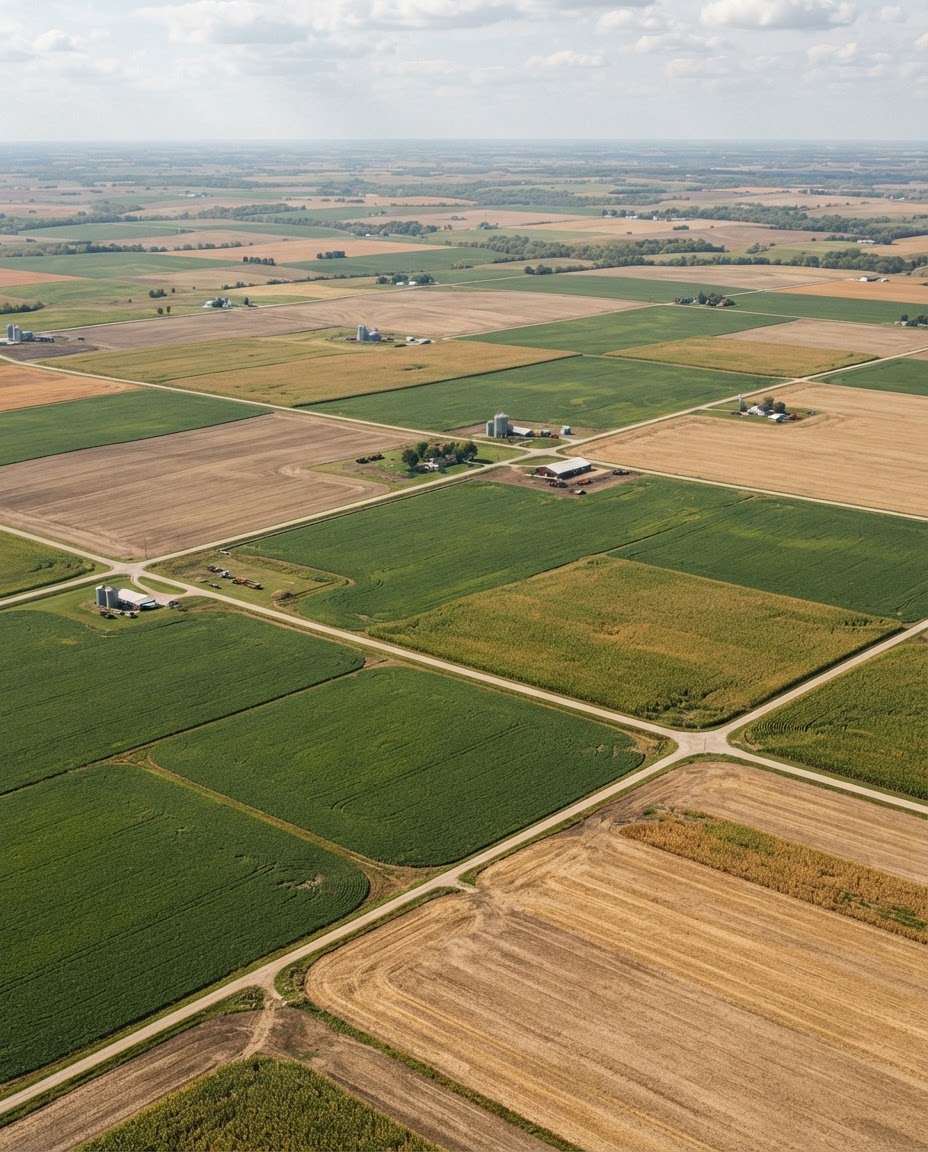
How much do you really know about the complex relationship between the world's largest agricultural commodity traders and the rise of veganism? These multinational corporations, often referred to by the acronym ABCD (ADM, Bunge, Cargill, Louis Dreyfus), are central to how food moves from farm to fork globally. They process and trade grains, oilseeds, and other crops on an enormous scale. But how does the growing plant-based movement fit into their picture? Let's test your understanding with this fact-check quiz.
Question 1: These food giants primarily trade plant-based foods for human consumption.
Most people believe that the core business of companies like Cargill and ADM revolves around processing and selling crops like wheat, corn, and soybeans directly for human food products such as bread, pasta, and tofu. Their massive infrastructure and global reach seem perfectly aligned with feeding the world's population.
It's a common misconception that the ABCD companies are solely focused on feeding humans with plant-based goods. In reality, a vast quantity of the grains and oilseeds they handle—such as corn and soy—are destined for animal agriculture as feed. For instance, Cargill is one of the world's largest producers of animal feed. This dual role means their business is deeply integrated with both plant-based and animal-based food systems, making their impact on land use and resource consumption multifaceted. According to the Food and Agriculture Organization of the United Nations (FAO), livestock feed accounts for a significant portion of global soybean and corn production.
Question 2: The growth of veganism has no significant impact on these large traders.
Many assume that with their immense scale, the increasing consumer shift towards vegan diets is a minor trend that these established giants can easily absorb without changing their core strategies or operations.
While these companies operate on a colossal scale, the economic signals from a growing vegan and flexitarian population are undeniable. Demand for plant-based proteins, meat alternatives, and dairy-free products is rising globally. Companies like ADM and Cargill are actively investing in and acquiring businesses focused on plant-based ingredients and finished products. They are developing new processing technologies and expanding their portfolios to cater to this evolving market. This strategic pivot is not just about capturing new revenue streams; it's about adapting to a changing food landscape and mitigating risks associated with declining demand in traditional animal product sectors. A 2023 report by the EAT-Lancet Commission highlights the economic opportunities in transitioning to more sustainable food systems.
Question 3: These companies are primarily concerned with local food systems.
Given that agriculture is often seen as a local endeavour, some might think that the global food giants are mainly focused on regional supply chains and farming communities.
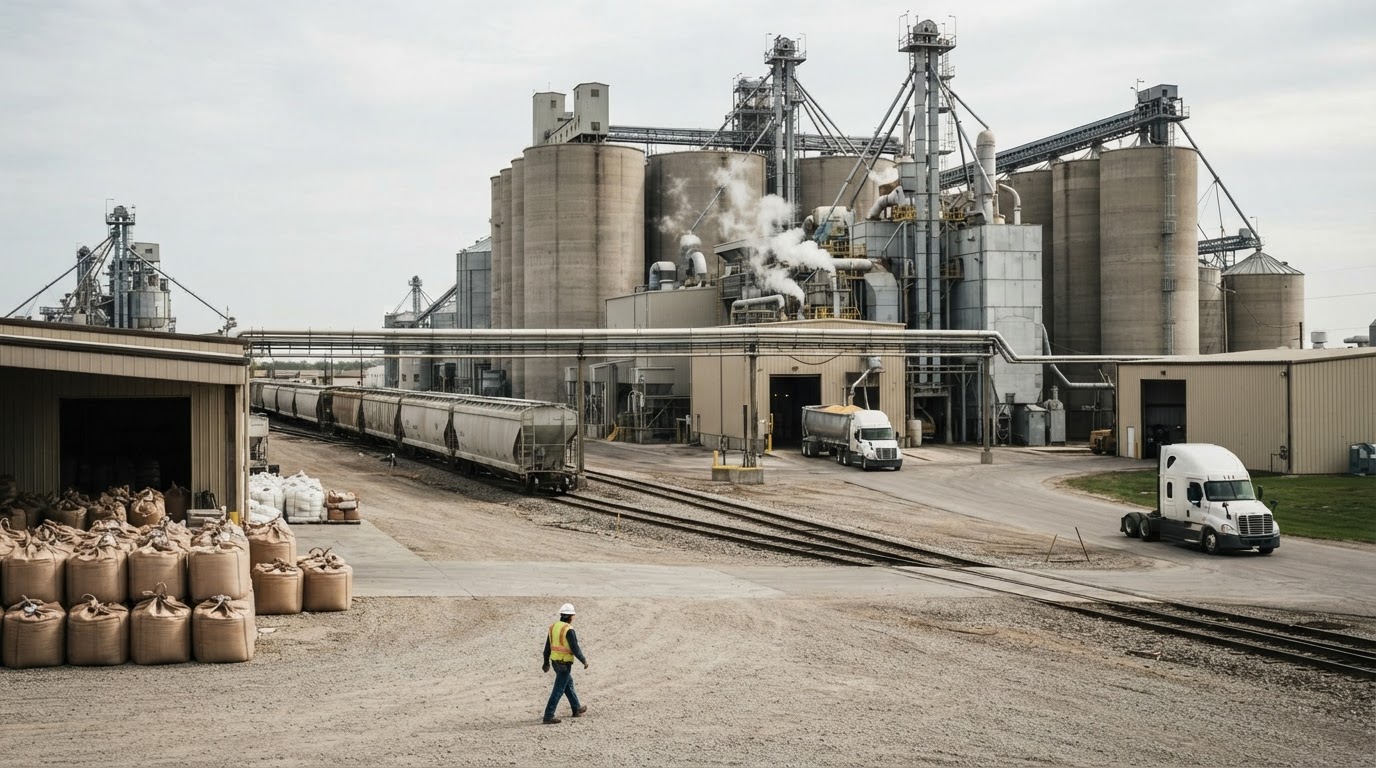
The ABCD companies are quintessential multinational corporations, operating across continents. They source commodities from diverse regions, influencing global prices and agricultural practices. For example, the expansion of soybean cultivation, driven by global demand for both animal feed and plant-based oils, has had profound impacts on ecosystems like the Amazon rainforest and the Cerrado savanna. Their decisions on where to invest in processing facilities, which crops to promote, and how to manage logistics have ripple effects far beyond national borders. Understanding their global footprint is crucial for assessing the environmental and social impacts of our food system, including the sustainability of vegan diets when traced back to their origins. The Intergovernmental Panel on Climate Change (IPCC) has consistently pointed to land-use change driven by agricultural expansion as a major contributor to greenhouse gas emissions.
Global Commodity Trade Flows (Illustrative)
Data represents approximate annual global trade volumes for key commodities. Source: FAOSTAT (2022 data).
Question 4: The environmental impact of these traders is solely due to animal agriculture.
Given the significant role these companies play in animal feed, it's easy to assume that any environmental concerns are exclusively linked to the livestock sector they support.
While the environmental impact of animal agriculture is substantial, the production of staple crops like soy, corn, and palm oil—which these traders handle in massive quantities—also has considerable ecological consequences. Large-scale monoculture farming can lead to biodiversity loss, soil degradation, and significant water usage. The extensive use of pesticides and fertilisers can pollute waterways and harm non-target species. Furthermore, the processing of these crops often requires substantial energy and water. Even plant-based vegan staples, when produced at an industrial scale, can contribute to deforestation and greenhouse gas emissions through land-use change and agricultural practices. A study in *Nature Food* in 2021 detailed the environmental costs associated with intensive crop production.
Question 5: These companies are actively working to promote sustainable vegan agriculture.
With the growing demand for plant-based foods, one might expect these agricultural giants to be at the forefront of promoting and investing in truly sustainable and ethical vegan farming practices.
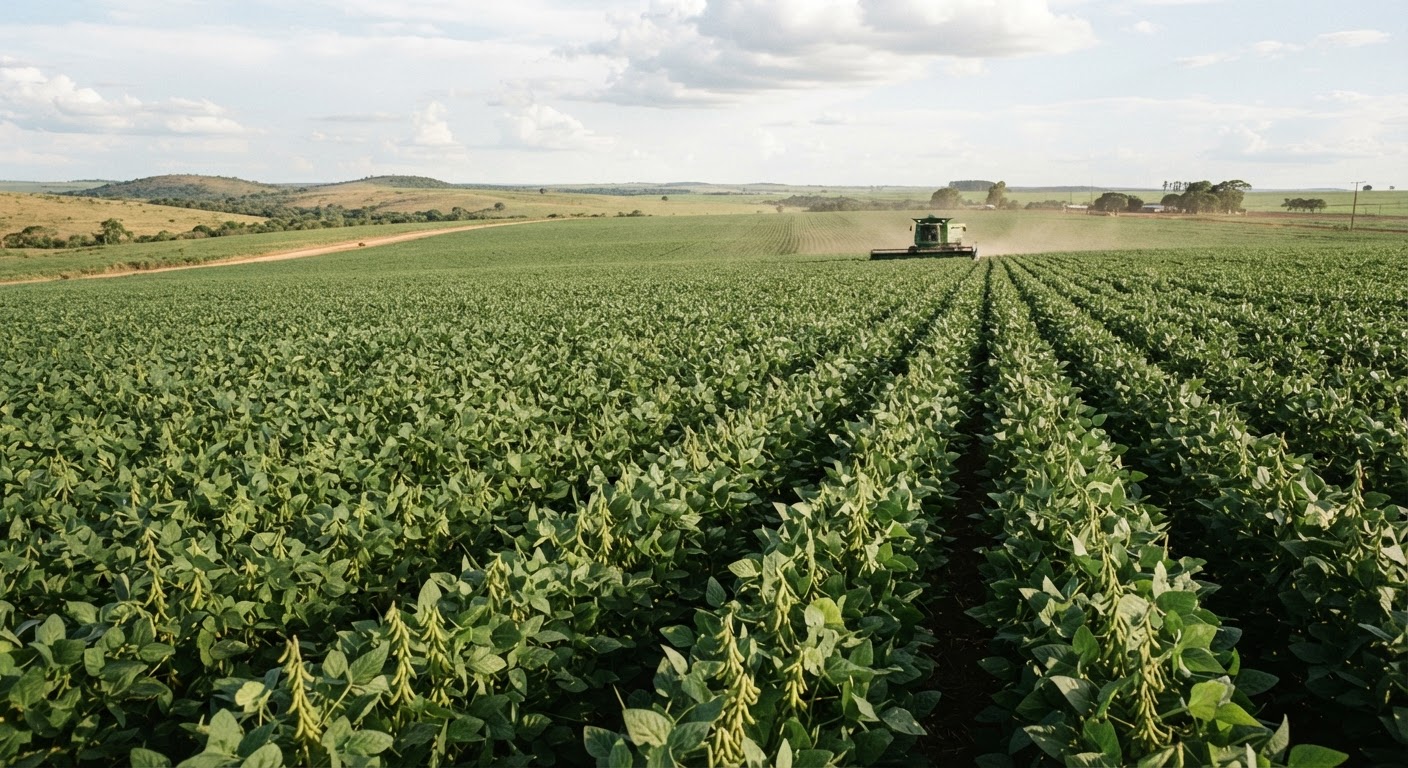
The major traders are increasingly making public commitments to sustainability, including sourcing practices for plant-based crops. Some are investing in regenerative agriculture initiatives, reducing deforestation in their supply chains, and improving water management. Bunge, for example, has initiatives focused on sustainable soy sourcing in South America. However, the sheer scale of their operations and their deep ties to conventional, often intensive, agricultural systems mean that comprehensive, transparent, and universally applied sustainable practices are still a work in progress. Critics argue that the pace of change is insufficient to meet urgent environmental goals. The transition to a truly sustainable global food system, encompassing both plant-based and animal agriculture, requires ongoing scrutiny and pressure from consumers, regulators, and advocacy groups. Compassion in World Farming has highlighted the need for a systemic shift in food production.
“The global food system is undergoing a transformation, and these agricultural giants are key players navigating its complexities.”
How did you score?
- **5/5 Correct:** You have a keen understanding of the intricate links between global food trade, animal agriculture, and plant-based diets. Your insights are sharp!
- **3-4/5 Correct:** You're well-informed about the major forces shaping our food system. You grasp the complexity of these multinational traders.
- **1-2/5 Correct:** This quiz has shed light on some common misconceptions. The global food system is complex, and there's always more to learn!
- **0/5 Correct:** Don't worry! The world of agricultural commodities and veganism is intricate. This is a great starting point for understanding these vital issues.
Looking Ahead: Your Role in the Food System
Frequently asked questions
What does ABCD stand for in the food industry?
Do these companies produce vegan alternatives?
How do these traders impact deforestation?
Are plant-based diets always environmentally friendly with these traders?
What is the role of these companies in animal feed?
Sources & further reading
- Food and Agriculture Organization of the United Nations (FAO) — fao.org
- Our World in Data — ourworldindata.org
- Intergovernmental Panel on Climate Change (IPCC) — ipcc.ch
- Nature Food — nature.com/natfood
- EAT-Lancet Commission — eatforum.org/eat-lancet-commission
- Compassion in World Farming — ciwf.org