Veganism's Transport Emissions: 5 Myths Debunked
Discover the truth about veganism's environmental impact, focusing on transport, and what the science says about food miles and carbon footprints.
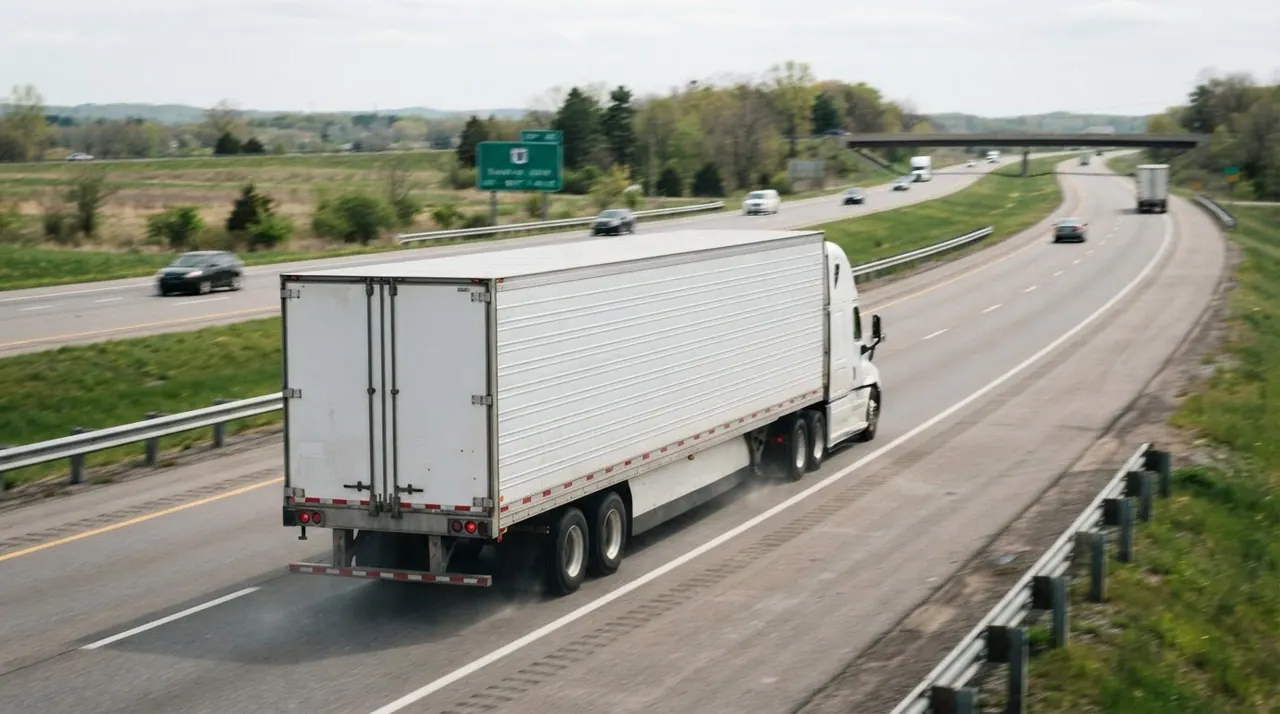
Many people seeking to reduce their environmental impact are shifting towards vegan diets, driven by concerns over greenhouse gas emissions. A common misconception is that veganism's transport emissions, often referred to as 'food miles,' are the primary environmental burden. However, a closer look at comprehensive life cycle assessments reveals that the production phase of food, particularly animal agriculture, accounts for the vast majority of a diet's carbon footprint, dwarfing the contribution from transportation. This article debunks five common myths surrounding veganism and transport emissions, offering a clearer picture based on scientific evidence.
Myth 1: Eating locally grown vegan food eliminates transport emissions.
While sourcing food from nearby farms can reduce 'food miles,' it rarely eliminates transport emissions entirely. Even local produce needs to reach your plate, which can involve lorries, vans, or even trains. More importantly, the energy and resources used to grow the food—fertilizers, water, land use, and machinery—contribute far more to its environmental impact than the distance it travels. A 2021 study in *Nature Food* highlighted that even when considering transport, a plant-based diet typically has a lower carbon footprint than an omnivorous one, largely due to the inherent inefficiencies of animal agriculture production.
Greenhouse Gas Emissions by Food Category (kg CO2e per kg of food)
Data represents average emissions, including land use, feed production, and processing. Transport is a smaller component within these figures. Source: Poore & Nemecek (2018) Science.
Myth 2: Imported vegan foods are always worse than local animal products.
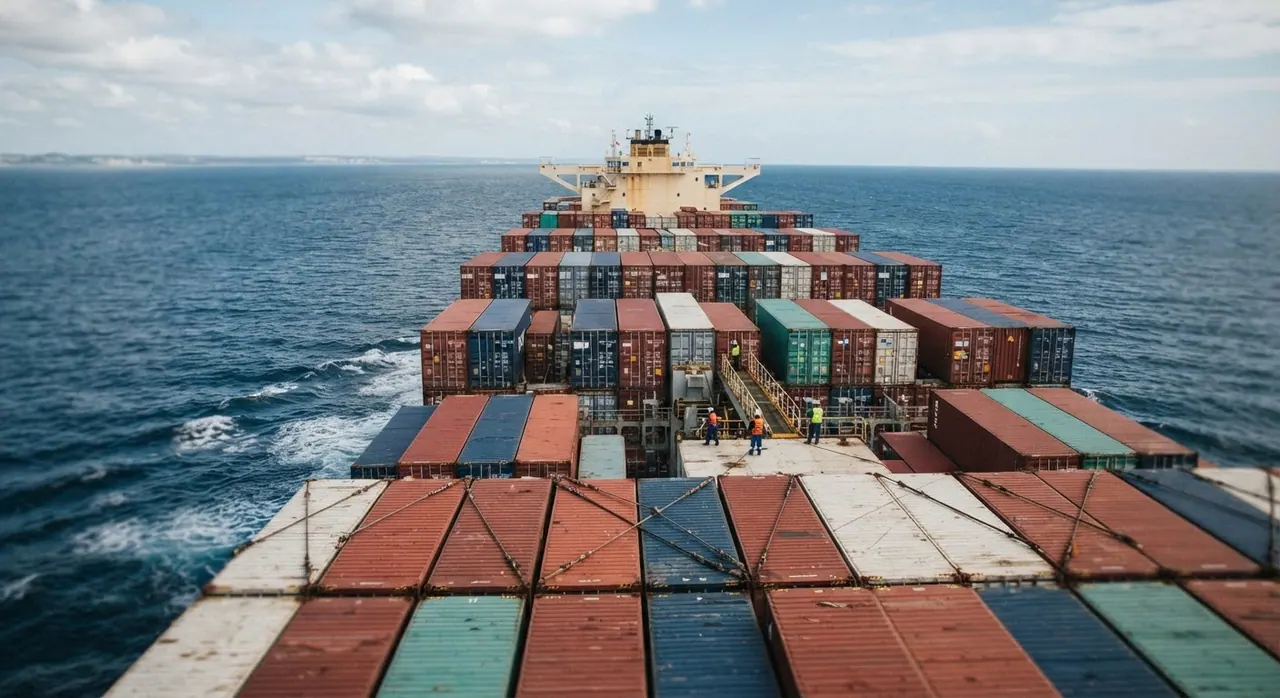
This myth overlooks the staggering emissions associated with animal agriculture. For instance, beef produced in Australia and transported to the UK has a significantly higher total carbon footprint than avocados or bananas imported from elsewhere. A 2022 report by the Food and Agriculture Organization of the United Nations (FAO) indicated that animal agriculture accounts for roughly 14.5% of global greenhouse gas emissions, with transport being a minor contributor to that figure. Even with shipping or air freight, the production emissions of animal products remain the dominant factor.
Myth 3: Air-freighted vegan produce is a major climate concern.
Air freight does indeed have a high carbon footprint per tonne-kilometre. However, the vast majority of food, including vegan produce, travels by sea or land. Studies by organizations like Our World in Data consistently show that only a tiny percentage of global food is transported by air. Therefore, while it's sensible to be aware of air-freighted items, the impact of consuming animal products, which often require intensive farming and feed production, still presents a far greater climate challenge for individuals. A 2020 analysis by the Environmental Working Group noted that even if all food-related transport were eliminated, the emissions from meat and dairy production would still be substantial.
Myth 4: Vegan diets have high transport emissions due to exotic ingredients.
It's true that some popular vegan ingredients like avocados, bananas, and quinoa may be imported. However, their production methods are generally less resource-intensive than raising livestock. For example, producing 1kg of beef can require substantially more land and water than producing 1kg of quinoa. While consuming these items frequently might increase your transport footprint, the overall emissions associated with producing equivalent amounts of animal products—including the feed grown for them, methane from digestion, and land-use change—are considerably higher. A balanced vegan diet, even with occasional imported items, typically remains far more sustainable than a diet including meat and dairy.
- **Production Emissions:** Energy, water, land use, fertilizers, and farming practices.
- **Processing Emissions:** Manufacturing, packaging, and refining.
- **Transport Emissions:** Shipping, trucking, and air freight.
- **Retail Emissions:** Refrigeration and energy at stores.
- **Consumption Emissions:** Cooking and waste.
Myth 5: Focusing on food miles is the best way for vegans to reduce their climate impact.
While mindful consumption and supporting sustainable transport practices are commendable, the evidence overwhelmingly points to production emissions as the primary lever for reducing the environmental impact of food. The Cambridge Declaration on Consciousness, while focused on animal sentience, indirectly supports the ethical imperative to reduce animal agriculture's footprint. For individuals committed to a vegan lifestyle, the most impactful action remains the dietary choice itself. Shifting from a diet high in animal products to one centered on plants, even with some imported components, offers the greatest reduction in greenhouse gas emissions, water use, and land footprint. Focusing solely on food miles can distract from this larger, more critical issue.
“The production of animal products is the dominant driver of food system emissions, far exceeding the impact of transport.”
Understanding the Full Picture
It's crucial to understand that 'veganism' is not a monolithic entity when it comes to environmental impact. The source of ingredients, farming methods, processing, and energy used in production all play significant roles. However, the consistent finding across numerous peer-reviewed studies, including those published in journals like *Global Environmental Change*, is that animal agriculture is inherently more resource-intensive and polluting than plant-based agriculture. Therefore, while reducing food miles is a positive step for anyone, the most profound environmental benefit of a vegan diet stems from the elimination of animal products, not solely from the reduction of transport distances.
Conclusion: Prioritising Production Over Palates
The narrative around veganism and its environmental impact is often simplified, with transport emissions frequently overemphasized. While transport is a factor in any food system, the overwhelming scientific consensus is that the emissions generated during the production of animal-derived foods are the primary contributor to the environmental burden of diets. For individuals aspiring to live more sustainably, embracing a vegan diet is a powerful step. By focusing on reducing consumption of meat, dairy, and eggs, rather than solely on the origin of vegan ingredients, individuals can make the most significant positive impact on the planet. This requires a nuanced understanding, moving beyond simplistic 'food miles' calculations to appreciate the complex life cycle of our food.
Frequently asked questions
What is the biggest source of emissions for a vegan diet?
Are locally grown vegan foods always better for the environment?
How significant are transport emissions for vegan diets compared to meat-eaters?
Do exotic vegan ingredients like avocados and bananas have a large carbon footprint?
Is air-freighted vegan produce a major climate concern?
What is the most effective way for a vegan to reduce their environmental impact?
Sources & further reading
- Poore, J., & Nemecek, T. (2018). Reducing food’s environmental impacts through producers and consumers. Science. — Science
- Food and Agriculture Organization of the United Nations (FAO) - Report on Livestock’s Long Shadow. — fao.org
- Our World in Data - Environmental impacts of food production. — ourworldindata.org
- Springmann, M., et al. (2021). The global dietary transition and its consequences for food production and land use. Nature Food. — Nature Food
- Environmental Working Group (EWG) - Food impacts. — ewg.org