How to Navigate Whale-Safe Shipping Lanes
Reduce whale strikes by understanding and supporting whale-safe shipping lanes, protecting marine life globally. Learn how to contribute.
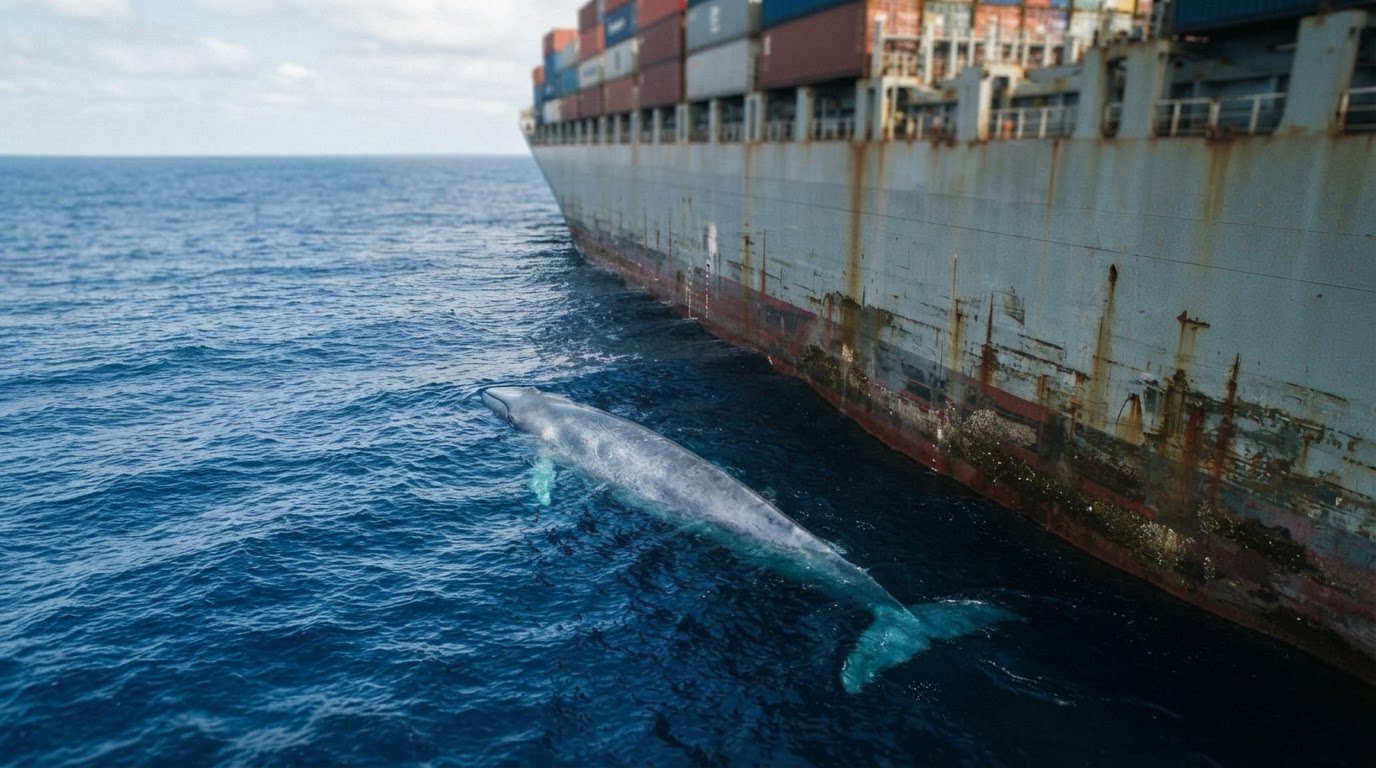
The vast ocean highways that connect continents are increasingly becoming dangerous territories for some of the planet's largest and most magnificent creatures. Whale strikes – collisions between ships and whales – pose a critical threat to whale populations globally, contributing to injuries and fatalities for species already facing numerous pressures. Fortunately, a growing movement is dedicated to mitigating this danger by establishing and promoting whale-safe shipping lanes. These initiatives aim to reroute maritime traffic away from areas where whales are known to congregate, feed, or migrate, offering a vital lifeline to these endangered marine mammals. Understanding how these lanes work and how you can support them is the first step towards safeguarding these ocean giants for future generations.
What You'll Need to Support Whale-Safe Shipping
- Awareness of current whale migration routes and critical habitats.
- Knowledge of existing and proposed whale-safe shipping lane initiatives.
- Information on relevant governmental and non-governmental organizations working on marine conservation.
- Access to communication channels to voice support and advocate for policy changes.
- Understanding of the economic and ecological benefits of whale-safe shipping.
Understanding the Threat of Whale Strikes
Whale strikes are not a new phenomenon, but with the dramatic increase in global shipping traffic, the problem has intensified. Large vessels, travelling at considerable speeds, often cannot manoeuvre quickly enough to avoid a collision, especially with whales that may be at the surface or just below it. The impact can be devastating, causing severe internal injuries, broken bones, and often leading to the whale's death. Certain species, like the North Atlantic right whale, are particularly vulnerable due to their slow swimming speed, large size, and tendency to inhabit coastal waters that are also heavily trafficked by ships. A 2023 report by the International Whaling Commission highlighted that hundreds of whale deaths annually are attributed to ship strikes.
Impact on Marine Ecosystems
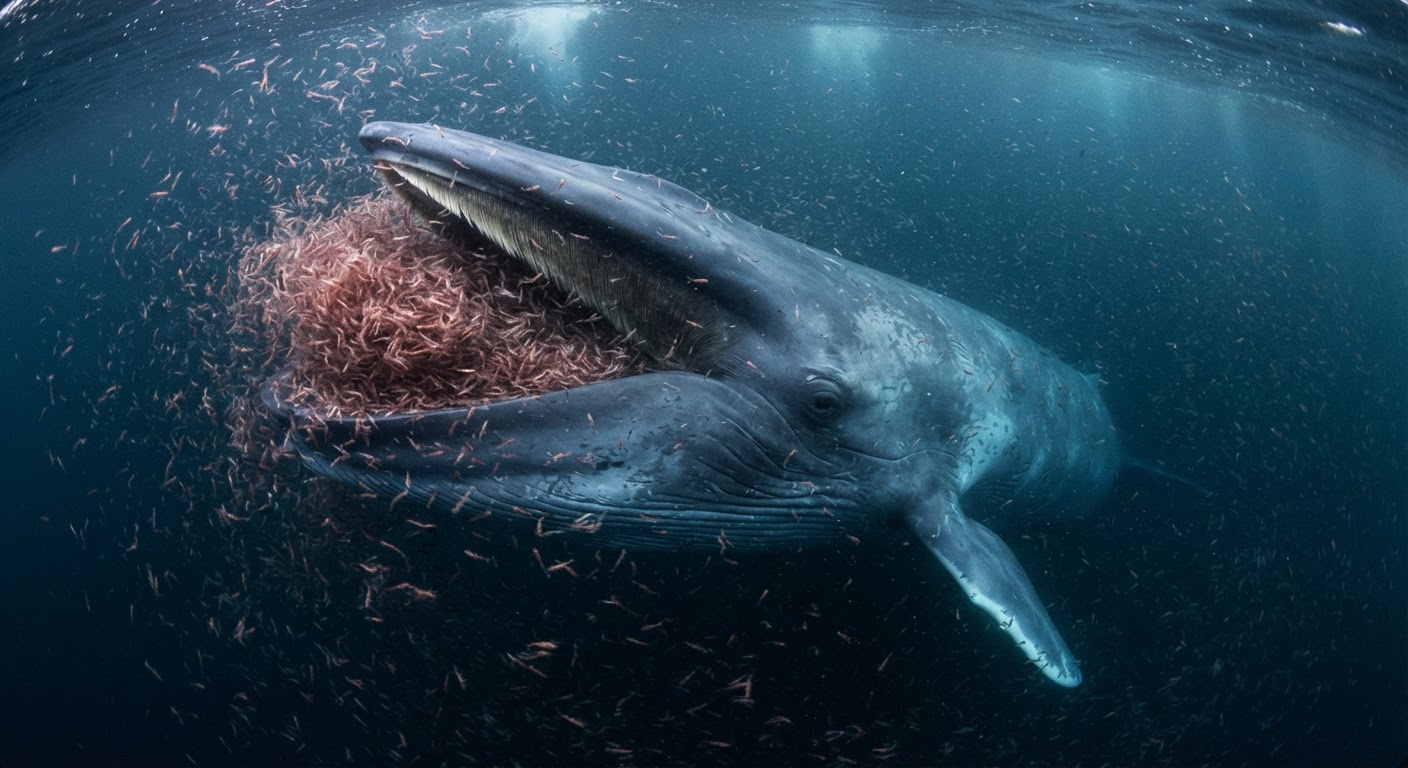
The decline of whale populations has cascading effects throughout marine ecosystems. Whales play a crucial role in ocean health, from nutrient cycling to supporting biodiversity. Their movements distribute nutrients from the deep ocean to the surface, fertilizing phytoplankton blooms, which form the base of the marine food web and absorb significant amounts of carbon dioxide. The loss of these keystone species can disrupt these vital processes, impacting fisheries and the overall health of the ocean. Protecting whales through whale-safe shipping lanes is therefore not just about animal welfare; it's about preserving the delicate balance of our marine environments.
Establishing Whale-Safe Shipping Lanes: The Process
Creating effective whale-safe shipping lanes is a multi-faceted process that involves scientific research, technological innovation, and international collaboration. It typically begins with identifying areas of high whale activity, such as feeding grounds, breeding areas, and migration corridors. Scientists use data from whale sightings, acoustic monitoring, and tagging to map these critical zones. Once identified, proposals are made to the relevant maritime authorities and international bodies, such as the International Maritime Organization (IMO), to establish voluntary or mandatory speed restrictions or rerouting measures for vessels passing through these areas. The goal is to create 'quiet zones' or 'slow zones' where the risk of collision is significantly reduced.
Technological Advancements in Whale Detection
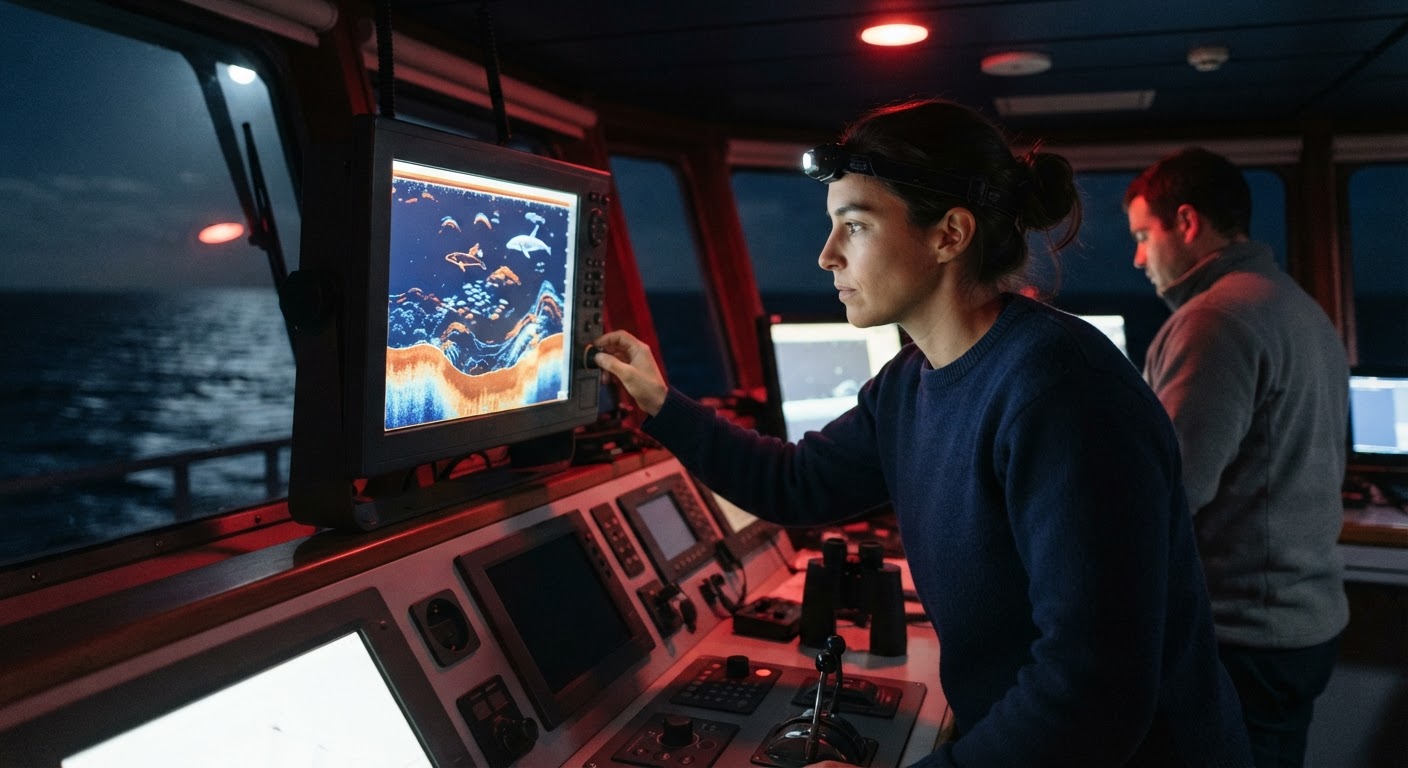
Technology plays an increasingly vital role in making shipping safer for whales. Sophisticated acoustic monitoring systems can detect the calls of whales, alerting ships to their presence. Real-time tracking and visual observation, often aided by trained spotters and advanced software, also contribute to situational awareness. Some initiatives are exploring the use of AI-powered detection systems that can identify whales from shipboard sensors or even satellite imagery. These tools can provide crucial warnings, allowing vessels to slow down or alter course to avoid a collision. The development and widespread adoption of these technologies are key components of effective whale-safe shipping strategies.
Supporting and Advocating for Whale-Safe Shipping
As a global community, we can actively contribute to the expansion and success of whale-safe shipping lanes. This involves more than just acknowledging the problem; it requires informed action. Supporting organizations that conduct vital research and advocate for policy changes is a powerful way to make a difference. These groups often work directly with governments and shipping companies to implement and enforce protective measures. Furthermore, raising public awareness through social media, community events, and educational initiatives helps build broader support for these crucial conservation efforts. Every voice raised can contribute to the momentum needed to protect these magnificent creatures.
“Our oceans are shared spaces. Ensuring safe passage for marine life is a responsibility we all bear.”
How You Can Take Action
- **Educate Yourself:** Learn about the specific whale populations at risk in your region or along major shipping routes.
- **Support Conservation Groups:** Donate to or volunteer with reputable marine conservation organizations.
- **Advocate for Policy:** Contact your local and national representatives to express support for marine protection policies and whale-safe shipping initiatives.
- **Choose Sustainable Tourism:** If you engage in marine tourism, select operators committed to responsible wildlife viewing practices.
- **Spread the Word:** Share information about whale-safe shipping lanes and the threats whales face with your friends, family, and social networks.
Global Efforts and Future Outlook
The concept of whale-safe shipping is gaining traction globally. Regions like the North Atlantic, the Pacific Northwest, and parts of Australia have seen successful implementation of various protective measures, including speed restrictions and rerouting. The International Maritime Organization (IMO) plays a crucial role in coordinating international efforts, but much of the implementation relies on national governments and regional agreements. Challenges remain, including the cost of rerouting and the need for more comprehensive data on whale distribution. However, the growing recognition of whales' ecological importance and the success of pilot programs offer a hopeful outlook for the future of whale-safe shipping lanes.
Impact of Speed Restrictions on Whale Strike Risk
Data based on modelling by the National Oceanic and Atmospheric Administration (NOAA).
Troubleshooting Common Concerns
- **Economic Impact:** While rerouting may add minor time or fuel costs, the long-term economic benefits of healthy marine ecosystems, including fisheries and tourism, far outweigh these. Furthermore, technological solutions are becoming more cost-effective.
- **Enforcement Challenges:** Effective enforcement requires collaboration between national authorities, shipping companies, and international bodies. Continuous monitoring and clear penalties for non-compliance are essential.
- **Data Gaps:** Ongoing research and improved data collection methods are crucial for accurately mapping whale habitats and refining shipping lane adjustments.
- **Species-Specific Needs:** Different whale species have varying behaviours and habitat use, requiring tailored approaches to protection in different regions.
Conclusion: A Shared Ocean, A Shared Responsibility
The movement towards whale-safe shipping lanes represents a crucial step in our collective effort to coexist with marine wildlife. By understanding the threats, supporting innovative solutions, and actively advocating for change, we can help ensure that the world's oceans remain safe havens for whales and all marine life. These vital corridors are not just about navigation; they are about conscientious stewardship of our shared planet.
Frequently asked questions
What is the main goal of whale-safe shipping lanes?
How do shipping lanes become whale-safe?
Are whale-safe shipping lanes mandatory or voluntary?
What technologies help make shipping safer for whales?
How do whale strikes affect whale populations?
What can an individual do to support whale-safe shipping?
Sources & further reading
- International Whaling Commission — iwc.int
- NOAA Fisheries — fisheries.noaa.gov
- International Maritime Organization (IMO) — imo.org
- Nature Ecology & Evolution — nature.com/nat_eco_evol