Air Protein vs. Soy: The Future of Sustainable Protein?
Compare air protein and soy in carbon footprint, land use, and nutrition. Discover which sustainable protein source wins for your diet and the planet.
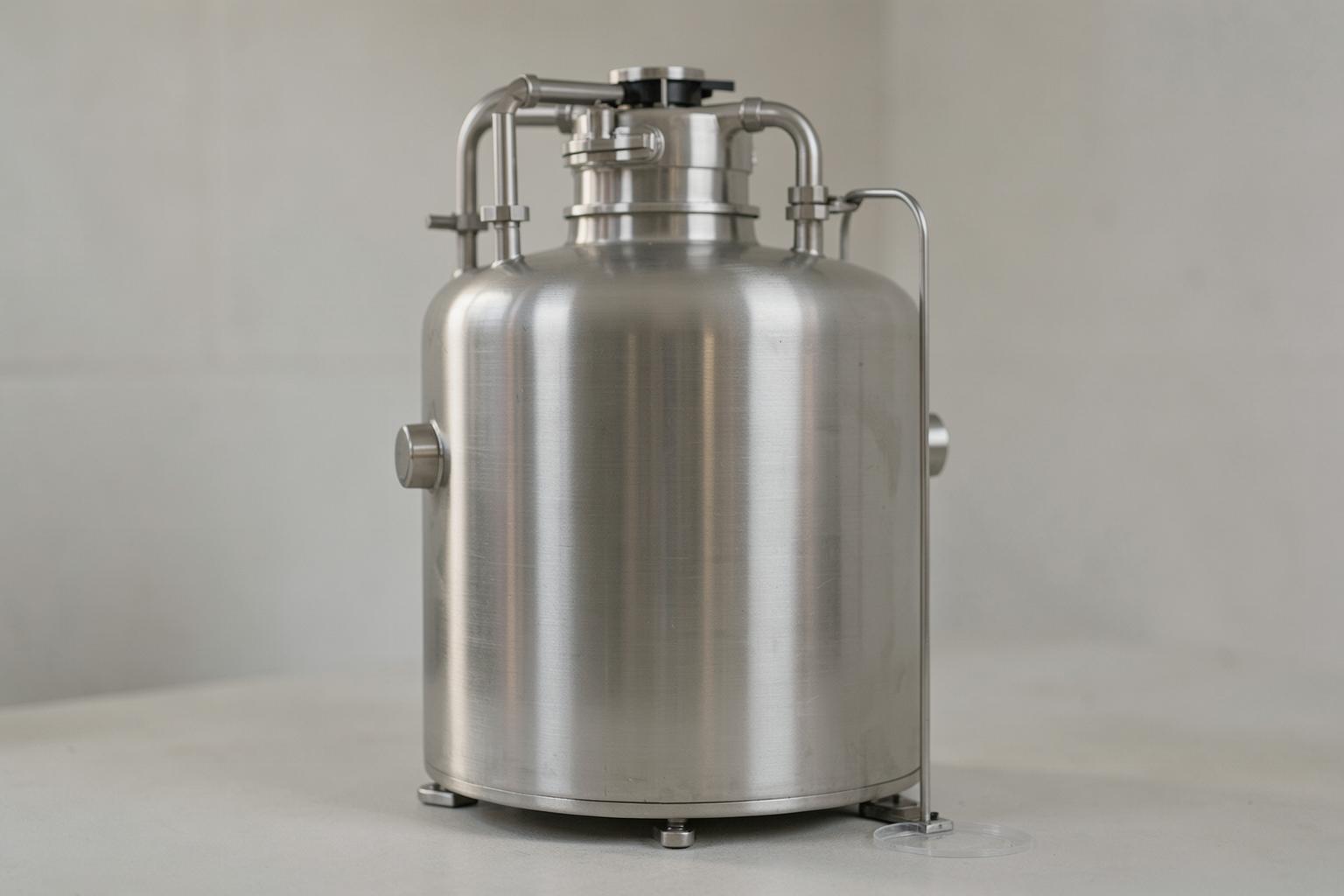
Which protein source should you choose for a sustainable future: air protein or soy? Air protein, made by fermenting microbes on carbon dioxide, and soy, a staple plant protein, both offer low-carbon alternatives to animal agriculture. But they differ dramatically in land use, cost, and nutritional profile. This comparison helps you understand the trade-offs.
The Case for Air Protein
Air protein is produced by hydrogen-oxidizing bacteria that consume CO2 and hydrogen from water electrolysis. The process, developed by companies like Solar Foods and Air Protein, yields a protein-rich biomass with minimal land. A 2023 study in Nature Food estimated that air protein requires 99% less land than soy and emits 90% fewer greenhouse gases per gram of protein.
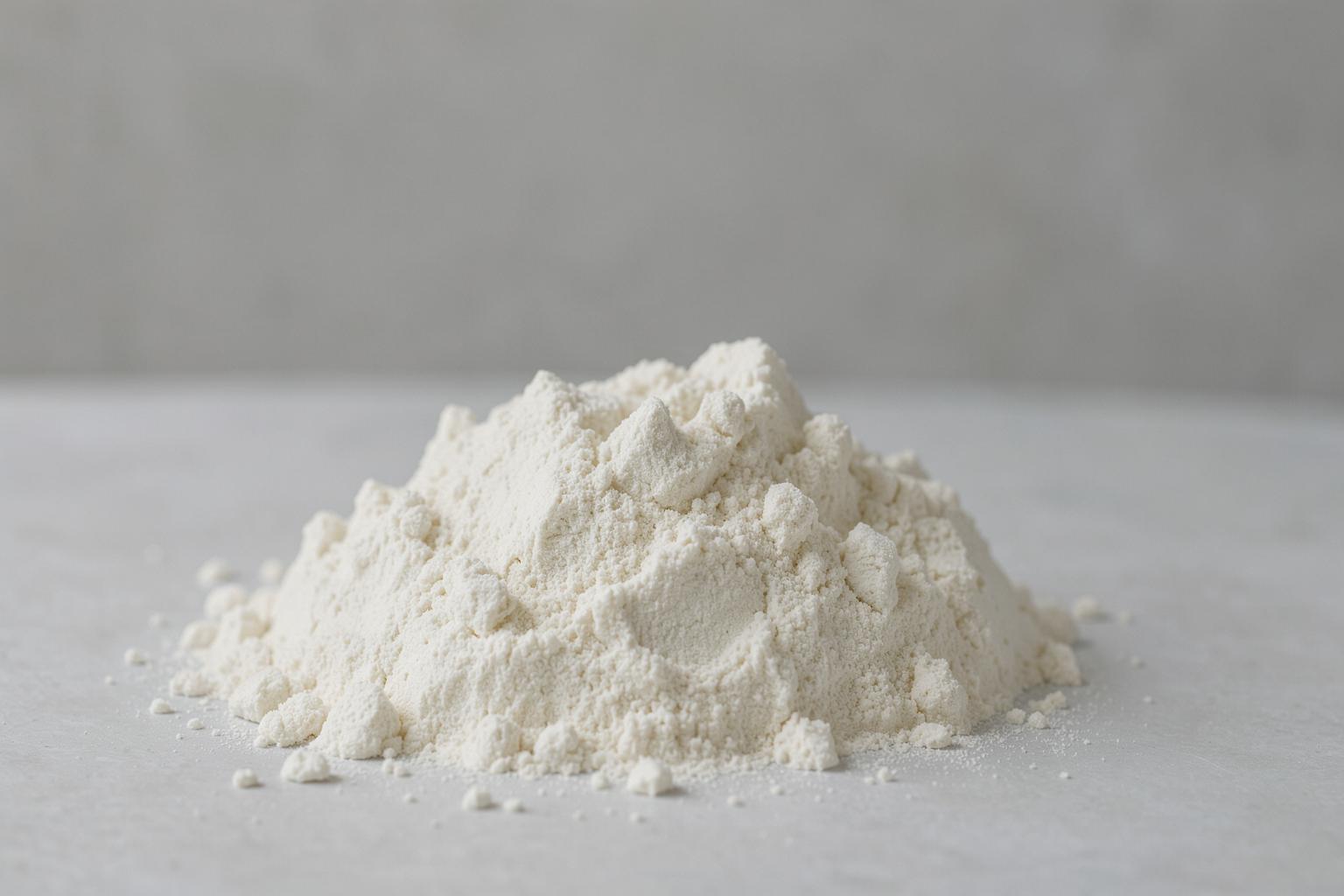
Air protein's scalability is its greatest strength. It can be produced anywhere with renewable electricity and CO2 capture, decoupling food from agriculture. The European Commission has classified it as a novel food, and Singapore approved Solar Foods' Solein in 2022. However, current production costs are high—around $10 per kilogram—due to energy and infrastructure needs.
The Case for Soy
Soy is the world's most widely consumed plant protein, providing a complete amino acid profile when combined with grains. It has a relatively low environmental footprint compared to meat: the FAO reports that soy production emits about 2.5 kg CO2e per kg of protein, using 2.5 m² of land. Soy is also affordable, costing around $2 per kg, and is culturally embedded in diets from tofu to tempeh.
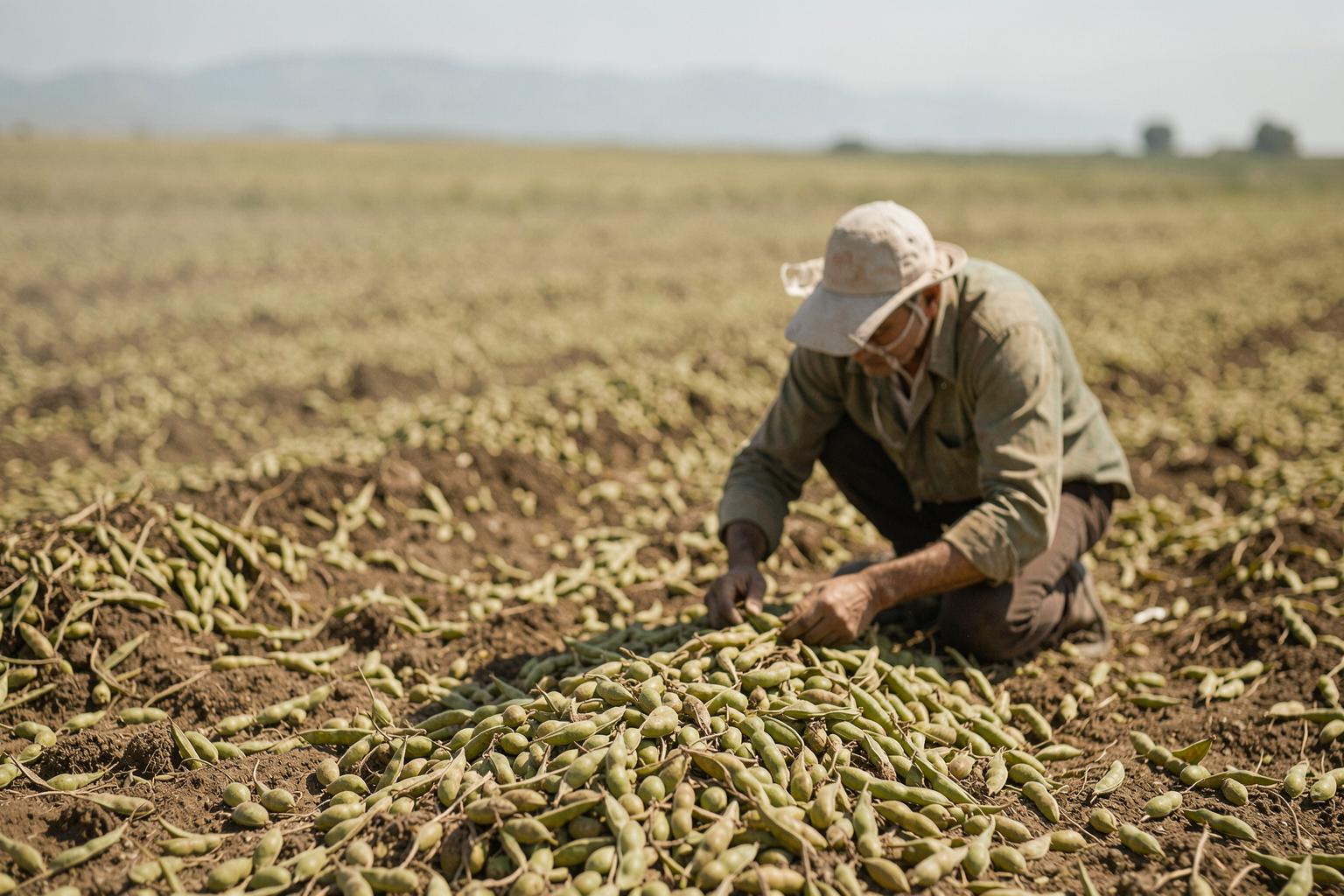
Soy also provides fiber, isoflavones, and healthy fats—nutrients absent from air protein. A 2022 review in the Journal of Nutrition highlighted soy's role in reducing heart disease risk. Yet, soy's land use remains orders of magnitude higher than air protein's, and monoculture farming can degrade soil.
Land Use per kg Protein: Air Protein vs. Soy
Data from Nature Food, 2023. Air protein uses 99% less land.
Greenhouse Gas Emissions per kg Protein
Source: Nature Food, 2023. Air protein emits 84% less GHGs.
Head-to-Head Criteria
- Land use: Air protein uses 99% less land than soy.
- Carbon footprint: Air protein emits 84% fewer GHGs.
- Cost: Soy is 5x cheaper today; air protein prices will fall.
- Nutrition: Soy offers complete protein plus fiber; air protein is protein-only.
- Scalability: Air protein can be made anywhere; soy requires arable land.
- Regulatory status: Soy is globally approved; air protein is novel food in some regions.
Verdict
“Air protein decouples food from land—a paradigm shift for sustainability.”
- Soy is a complete protein with fiber and isoflavones.
- Air protein is a pure protein powder, ideal for fortification.
- Both can reduce reliance on animal proteins.
- Consumer acceptance is higher for soy; air protein needs education.
Frequently asked questions
What is air protein made from?
How does air protein compare to soy in terms of environmental impact?
Is air protein safe to eat?
Can air protein replace soy entirely?
How much does air protein cost compared to soy?
Is air protein vegan?
What are the main companies producing air protein?
Does air protein contain allergens?
Sources & further reading
- Nature Food, 2023 — Nature Food, 2023 - https://www.nature.com/natfood/
- FAO, 2022 — FAO, 2022 - https://www.fao.org/
- Good Food Institute, 2024 — Good Food Institute, 2024 - https://gfi.org/
- World Wildlife Fund, 2023 — World Wildlife Fund, 2023 - https://www.worldwildlife.org/
- Journal of Nutrition, 2022 — Journal of Nutrition, 2022 - https://academic.oup.com/jn/
- Solar Foods, 2022 — Solar Foods, 2022 - https://www.solarfoods.com/