Vitamin B12
Non-negotiable on any vegan diet. 250 µg daily or 2500 µg weekly, cyanocobalamin form. Deficiency mimics depression and fatigue.
What the science actually says about plant-based eating, mood, anxiety and cognition — plus the six nutrients that quietly shape how you feel.
Non-negotiable on any vegan diet. 250 µg daily or 2500 µg weekly, cyanocobalamin form. Deficiency mimics depression and fatigue.
Aim for 25(OH)D above 30 ng/mL. 1000–2000 IU daily D3 (lichen-derived) covers most latitudes in winter.
Algae oil 250–500 mg combined DHA+EPA daily. Chia, flax and walnuts alone don't reliably convert to enough DHA.
Combine legumes and whole grains with vitamin C sources; check ferritin annually. Low iron is a top cause of low mood in menstruating people.
150 µg iodine (iodised salt or a multi) supports thyroid and mood. Zinc from beans, seeds, tempeh keeps neurotransmitters humming.
Under-eating flattens mood fastest. Vegans need slightly more protein per kg — see the calculator below.
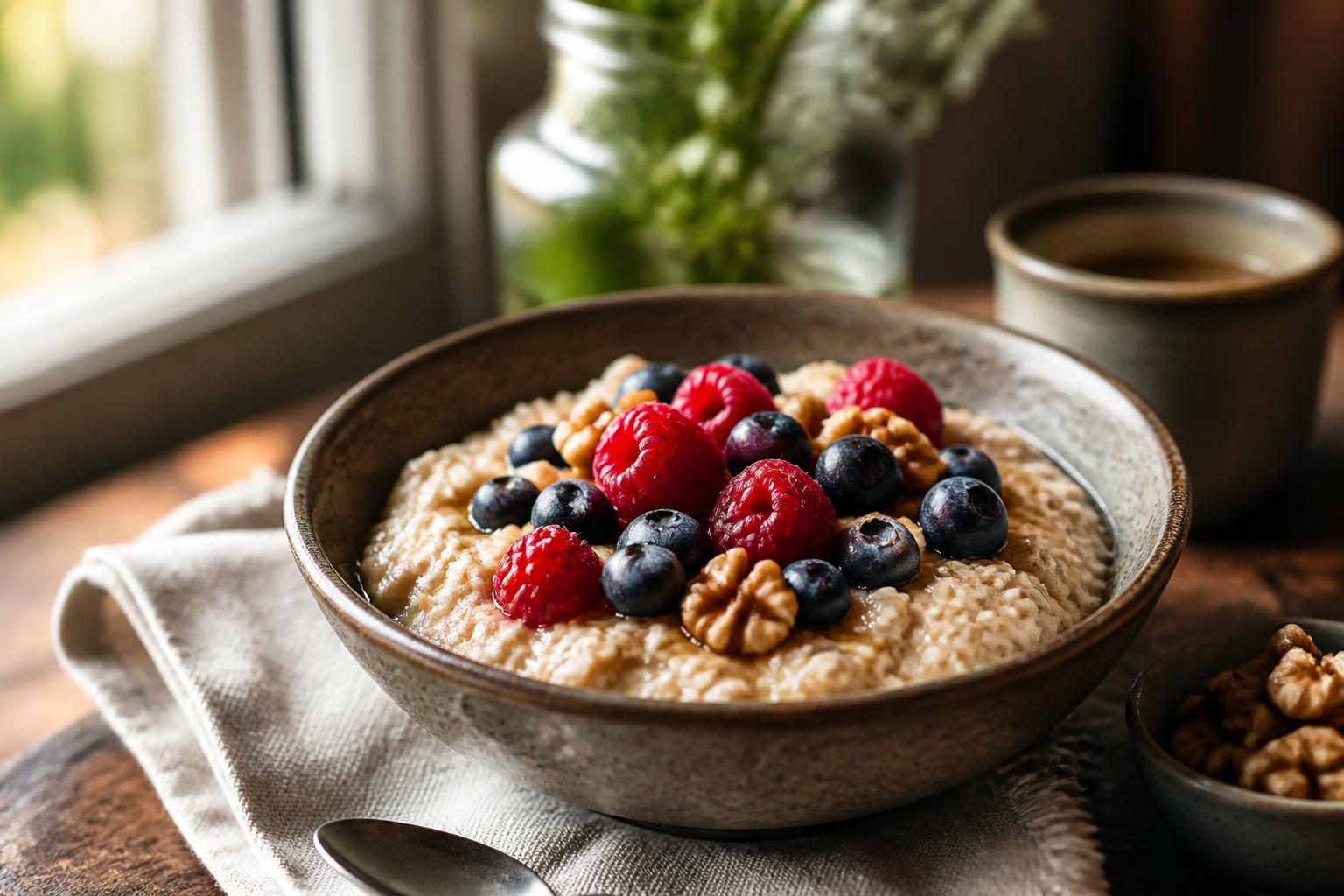
About 90% of serotonin is produced in the gut. Diets rich in fibre and polyphenols (fruit, vegetables, legumes, whole grains, nuts) feed a more diverse microbiome, which is linked to lower anxiety and depressive symptoms in randomised trials. Plant-based diets are the most fibre-dense pattern studied — 40–60 g/day is common versus a Western average of 15 g.
No. Recent meta-analyses find no consistent link between well-planned plant-based diets and higher depression risk; some cohorts show modest improvements in mood when overall diet quality rises. Symptoms occasionally attributed to “going vegan” usually track under-eating, low B12, low omega-3 or iron deficiency — all fixable with basic planning.
Vitamin B12 (from a supplement), long-chain omega-3s (algae DHA/EPA), iron, iodine, zinc, vitamin D, and enough total calories and protein. Deficiencies in any of these — vegan or not — can flatten mood, memory and energy.
No. Algae oil delivers DHA and EPA directly, without the mercury, PCBs or overfishing concerns tied to fish oil. Aim for 250–500 mg combined DHA+EPA per day.
Randomised trials of Mediterranean and plant-forward diets show reductions in anxiety and depressive symptoms, largely mediated by fibre, polyphenols and improved gut microbiome diversity.
Typical contribution to daily needs from one everyday plant serving.
Composite of USDA FoodData Central entries; values vary by product and portion.
The research here is young and mostly observational, so read it as direction rather than prescription.
Most of the bacteria in the large intestine live on fibre that human enzymes cannot digest. When those bacteria ferment fibre they release short-chain fatty acids such as butyrate, which feed the cells lining the gut and influence inflammation and vagus-nerve signalling. Diets built on beans, whole grains, vegetables and fruit reliably raise short-chain fatty acid production; diets built on refined starch, sugar and animal fat reliably lower it.
Randomised trials of Mediterranean-style diets in people with moderate depression have shown meaningful symptom improvement over social-support control groups. Those diets are mostly plants with olive oil and some fish. Trials of fully plant-based diets are smaller and shorter, so honest framing is: the plant-forward pattern is supported, the strictly vegan version is plausible and not yet proven at that level.
Low B12 and low vitamin D both show up as fatigue and low mood, and both are common regardless of diet. Iron deficiency, especially in menstruating people, produces exactly the tiredness and brain fog people often blame on going vegan. A simple blood panel once a year answers most of these questions; supplementing B12 daily and DHA/EPA from algae oil covers the two that a plant-based diet genuinely does not supply.
People often report that aligning food with values reduces a low-grade discomfort they had learned to ignore. The flip side is real too: paying attention to animal agriculture can bring grief and anger. Rationing exposure to graphic material, focusing on concrete action, and staying connected to other people doing the same work all help keep that engagement sustainable.
Plant-based diets cause depression.
Cohort studies disagree with each other and the direction of cause is unclear — people already struggling sometimes change diet. Nutrient gaps, not plants, are the mechanism worth watching.
You need fish for brain health.
The active omega-3s DHA and EPA originate in algae; fish accumulate them. Algae oil delivers the same molecules directly.
Soy affects mood through hormones.
Isoflavones are not human oestrogen. Intervention studies at normal intakes show no effect on testosterone or oestrogen in men or women.
Small, checkable steps beat a total overhaul.
Nutrient repletion (iron, B12, vitamin D) can take 4–12 weeks to show up as energy. Gut-microbiome shifts start within days but stabilise over weeks.
No. Never change psychiatric medication because of a diet change. Talk to your prescriber; diet is an addition, not a substitution.
It is not diet-specific, but heavy afternoon caffeine reliably degrades sleep, and poor sleep degrades mood more than most food choices improve it.