01
جانور
ہر سال خوراک کے لیے 80 ارب سے زیادہ زمینی جانوروں کو ہلاک کیا جاتا ہے۔ ہر جانور اپنی زندگی جینے کی خواہش رکھنے والا ایک فرد ہے۔ ہم پر کم از کم اتنا تو فرض ہے کہ ہم اس عمل میں حصہ لینے سے انکار کریں۔
چار وجوہات جو ایک انتخاب میں اکٹھی ہوتی ہیں۔ ویگن ازم کا معاملہ ایک دلیل نہیں ہے — یہ کئی ہیں، ایک دوسرے کو تقویت دیتی ہیں۔
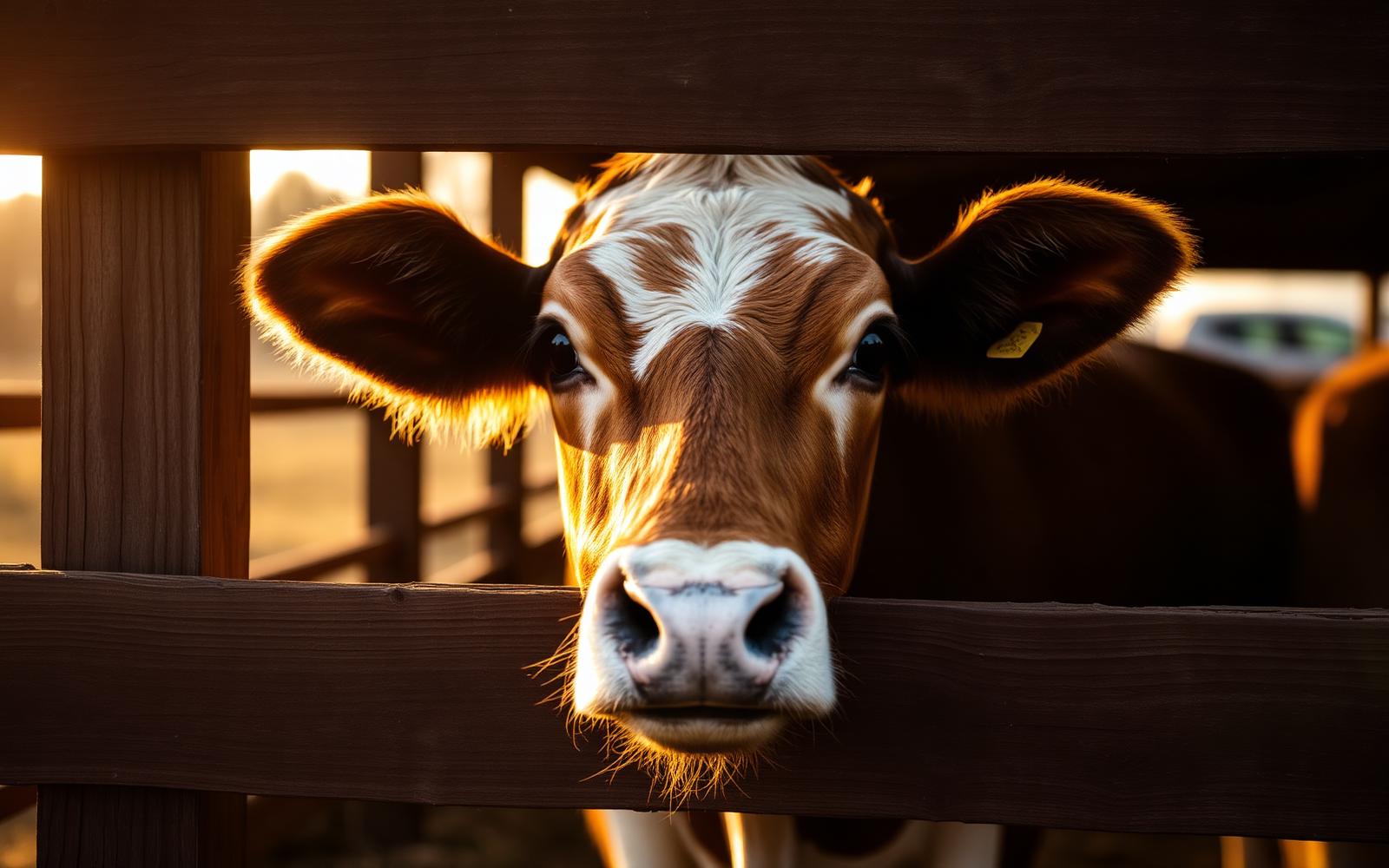
ہر سال خوراک کے لیے 80 ارب سے زیادہ زمینی جانوروں کو ہلاک کیا جاتا ہے۔ ہر جانور اپنی زندگی جینے کی خواہش رکھنے والا ایک فرد ہے۔ ہم پر کم از کم اتنا تو فرض ہے کہ ہم اس عمل میں حصہ لینے سے انکار کریں۔
جانوروں کی زراعت جنگلات کی کٹائی، حیاتیاتی تنوع کے نقصان اور سمندری ڈیڈ زونز کی ایک بڑی وجہ ہے، اور یہ تازہ پانی کا بھی بہت زیادہ استعمال کرتی ہے۔ پودوں پر مبنی خوراک کی طرف منتقل ہونا ان بڑے اقدامات میں سے ایک ہے جو ایک فرد اپنے ماحولیاتی اثرات کو کم کرنے کے لیے اٹھا سکتا ہے۔
پودوں پر مبنی مکمل غذاؤں کا استعمال دل کی بیماری، ٹائپ-2 ذیابیطس اور کچھ کینسر کے کم خطرات سے منسلک ہے — جو خاص طور پر ان جگہوں پر اہم ہے جہاں صحت کی سہولیات تک رسائی سب سے کم ہے۔
موسمیاتی تبدیلی کو پہلے اور بدترین محسوس کرنے والی برادریاں وہی ہیں جو اس کی سب سے کم ذمہ دار ہیں۔
یہ کوئی استثنائی صورتحال یا غیر قانونی کام کرنے والے نہیں ہیں۔ یہ زمین کی چار بڑی حیوانی مصنوعات کی صنعتوں میں رائج، آڈٹ شدہ اور باقاعدہ طریقہ کار ہے۔
صاف سپر مارکیٹ لیبل کے پیچھے انسانی تاریخ کا سب سے بڑا، سب سے زیادہ چھپا ہوا جانوروں کی تکلیف کا نظام ہے۔
چوزے صنعتی انکیوبیٹرز میں نکلتے ہیں اور کبھی اپنی ماؤں سے نہیں ملتے؛ خنزیر کے بچوں کو عام طور پر تین سے چار ہفتوں میں دودھ چھڑا دیا جاتا ہے۔ زیادہ تر انتہائی حد تک پالے جانے والے جانور کبھی گھاس، سورج کی روشنی یا کھلی ہوا محسوس نہیں کرتے، اور انتخابی افزائش نسل نے بہت سے جانوروں کو ان کی فعال صحت سے آگے دھکیل دیا ہے۔
سینگ کاٹنا، برانڈنگ، خصی کرنا، چونچ کاٹنا، دم کاٹنا — اکثر درد سے نجات کے بغیر کیا جاتا ہے۔ یہ برے عناصر کی زیادتی نہیں ہے۔ یہ صنعت کا معیاری طریقہ کار ہے۔
مویشی تمام گرین ہاؤس اخراج کا تقریباً 12–15% بنتے ہیں — جو پوری عالمی ٹرانسپورٹ سیکٹر کے اخراج کے برابر ہے۔ یہ اشنکٹبندیی جنگلات کی کٹائی کی اہم وجہ اور سمندری مردہ زونز کی ایک بڑی وجہ ہے۔
پروسیس شدہ گوشت کو WHO کی طرف سے گروپ 1 کارسنجن کے طور پر درجہ بندی کیا گیا ہے — تمباکو کے زمرے کے برابر ثبوت، حالانکہ خطرے کی سطح وہی نہیں ہے۔ سلاٹر ہاؤس کے کام میں کسی بھی صنعت کے مقابلے میں چوٹ کی شرح سب سے زیادہ ہے۔
دودھ ممالیہ کا دودھ ہے۔ صنعتی پیمانے پر پیدا کرنے کے لیے زبردستی تولید اور خاندانی علیحدگی کا نظام درکار ہے۔
ڈیری گایوں کو ہر سال مصنوعی طور پر حاملہ کیا جاتا ہے۔ ان کے بچھڑوں کو گھنٹوں کے اندر لے لیا جاتا ہے تاکہ ان کے لیے مختص دودھ فروخت کیا جا سکے۔ مادہ بچھڑے اسی چکر میں داخل ہو جاتے ہیں۔ نر بچھڑوں کو ویل (بچھڑے کا گوشت) یا بیف کے لیے فروخت کر دیا جاتا ہے، اور کچھ ممالک میں پیدائش کے فوراً بعد مار دیا جاتا ہے۔
قدرتی عمر 20 سال ہے۔ دودھ والی گائیں 4-5 سال میں ذبح کی جاتی ہیں۔
دودھ دنیا کے سب سے زیادہ پانی اور زمین استعمال کرنے والی غذاؤں میں سے ایک ہے۔
دنیا بھر میں تقریباً دو تہائی بالغ افراد لییکٹوز کو مکمل طور پر ہضم نہیں کر پاتے — یہ انسانی حالت ہے۔ کیلشیم کی ضروریات کو فورٹیفائیڈ پلانٹ ڈرنکس، کیلشیم سیٹ ٹوفو، کم آکسالیٹ والی سبزیاں جیسے کیل اور بوک چوائے، اور پھلیاں کے ذریعے پورا کیا جا سکتا ہے۔
حتیٰ کہ 'فری رینج' انڈے بھی معمول کی ہلاکت پر بنے نظام سے آتے ہیں۔
انڈے دینے والی نسلوں کے نر چوزے انڈے نہیں دے سکتے اور گوشت کے لیے بہت آہستہ بڑھتے ہیں۔ ہر سال اندازاً 6–7 بلین چوزوں کو انڈے سے نکلنے کے چند گھنٹوں کے اندر زندہ پیس دیا جاتا ہے یا گیس دی جاتی ہے۔
دنیا بھر میں انڈے دینے والی زیادہ تر مرغیاں اب بھی پنجروں میں ہیں؛ ایک روایتی بیٹری کیج ہر مرغی کو کاغذ کی ایک شیٹ سے کم جگہ دیتا ہے۔ 'کیج فری' کا عام طور پر مطلب یہ ہے کہ ہزاروں پرندے ایک شیڈ میں ٹھونسے ہوئے ہیں۔
انڈوں کی پیداوار کم ہونے پر، مرغیوں کو تقریباً 18 ماہ سے دو سال کی عمر میں ذبح کرنے کے لیے بھیج دیا جاتا ہے۔ ان کی قدرتی عمر آٹھ سال ہے۔ انہیں سال میں تقریباً 300 انڈے دینے کے لیے پالا گیا ہے — ان کے جنگلی آباؤ اجداد 10 سے 15 دیتے تھے۔
بھولے ہوئے جانور — اور زمین پر جانوروں کی موت کا سب سے بڑا ذریعہ۔
تقریباً کوئی فلاحی قانون مچھلیوں کا احاطہ نہیں کرتا۔ انہیں اتنی تیزی سے گہرائی سے نکالا جاتا ہے کہ ان کے تیراکی کے مثانے پھٹ جاتے ہیں، ڈیک پر زندہ ہوتے ہوئے ہی ان کی آنتیں نکال دی جاتی ہیں؛ کیکڑے اور لابسٹر اکثر زندہ ابالے جاتے ہیں۔
مچھلیوں کے زیرِ مطالعہ جنگلی ذخائر کا ایک تہائی سے زیادہ حصہ ضرورت سے زیادہ استعمال شدہ ہے۔ نیچے ٹرالرز سمندری فرش کو کھنگالتے ہیں اور ان رہائش گاہوں کو تباہ کر سکتے ہیں، جیسے گہرے سمندر کے مونگے، جنہیں بننے میں صدیاں لگیں۔
فارم کی مچھلیاں بیماری سے بھرے پنجروں میں رکھی جاتی ہیں۔
Most people who change how they eat do so because of one reason that reaches them personally — and only later encounter the others. All four pillars are real. You don't need to believe all of them to act on any one of them.
More than 80 billion land animals are killed for food each year. Each is a sentient individual capable of fear, pain, preference, and relationship. The question of whether to cause that suffering at industrial scale is the most direct ethical question the food system raises. It does not require any environmental or health argument to be answered.
Livestock agrifood systems accounted for around 12% of human-caused greenhouse gas emissions in 2015 (FAO, 2023). Grazing and feed production occupy most agricultural land while animal foods supply a much smaller share of calories. Livestock production also contributes to deforestation, biodiversity loss, water use, and nutrient pollution. No climate strategy that ignores food is complete.
The Academy of Nutrition and Dietetics states that appropriately planned vegetarian and vegan diets can be nutritionally adequate for adults and offer cardiometabolic health benefits. Advice for pregnancy and childhood requires particular care: professional bodies differ in their recommendations, and evidence for vegan children remains limited. Food quality, supplementation, and individual needs matter.
Factory farming concentrates its harms on communities without political power: slaughterhouse workers — disproportionately migrants and low-income workers — living near feedlots, small farmers undercut by subsidised industrial competitors, and communities in the Global South bearing the worst of climate and land-use impacts they did not cause. The system is not neutral.
The word 'cruelty' in the context of animal agriculture is sometimes used to mean exceptional, rogue behaviour. It is not. The practices described below are standard, audited, and legal in most of the world's largest food-producing nations. They are not the result of bad actors; they are the result of systems optimised for throughput.
Understanding this matters because it means the problem is not fixable by better enforcement of existing rules. The practices are the rules. The solution, where one is available, lies in the structure of demand — which is why food choices are one of the few levers that individuals, families, and institutions can pull directly.
Battery cages for laying hens give each bird roughly the area of an A4 sheet of paper for its entire life. Gestation crates for breeding sows are too narrow for the animal to turn around. These are not outliers — they house the majority of egg-laying hens and breeding pigs in many countries.
On many dairy farms, calves are removed from their mothers within hours of birth and reared separately. Separation can cause distress, including increased calling, with responses influenced by the duration of contact and the separation method. Some commercial farms maintain longer cow–calf contact, so practices vary.
Beak trimming in chickens, tail docking in pigs, and castration of male piglets and calves are painful procedures whose use and pain-relief requirements vary by country. Beak trimming and tail docking aim to reduce injurious pecking and tail biting; castration serves other production purposes. Better housing and management can reduce some of these interventions.
Broiler chickens are selectively bred to reach slaughter weight in 35–42 days — a rate so fast that many cannot support their own body weight. Heart failure, leg deformities, and difficulty walking are common. The birds that arrive at slaughter already live in chronic discomfort.
A 47-minute documentary showing the standard practices of UK animal agriculture — including the so-called "high welfare" farms.
 YouTube
A major meta-analysis covering 38,700 farms, 40 food products, and 119 countries. Estimated that animal products use 83% of farmland while providing 18% of calories, and found that even lower-impact animal products typically have greater impacts than vegetable substitutes.
The UN Food and Agriculture Organization's primary analyses of livestock's contribution to greenhouse gas emissions, land use, and water. The 2013 update estimated livestock at 14.5% of global GHG emissions.
The Academy's current position states that appropriately planned vegetarian and vegan dietary patterns can be nutritionally adequate for adults and offer long-term cardiometabolic health benefits.
The International Agency for Research on Cancer classified processed meat as a Group 1 carcinogen and red meat as a Group 2A probable carcinogen, based on review of over 800 studies.
The Intergovernmental Science-Policy Platform on Biodiversity and Ecosystem Services identified land-use change as the greatest direct driver of change in terrestrial and freshwater ecosystems, and direct exploitation as the greatest driver in marine ecosystems.
"ویگنزم کے حق میں کوئی ایک دلیل نہیں ہے۔ یہ بہت سی دلیلیں ہیں — ہر ایک اتنی مضبوط کہ اکیلے کھڑی رہ سکے، اور مل کر اور بھی طاقتور۔"
اپنا 7 دن کا سفر شروع کریںThe clearest case for going vegan — animals, health and planet on one page: