Quick answer
A well-planned plant-based diet covers almost everything from food. The two that genuinely need a decision are vitamin B12 (supplement, always) and iodine (iodised salt or a supplement). Protein, iron, calcium, zinc, omega-3 and vitamin D are all achievable from food, with attention to portions and absorption.
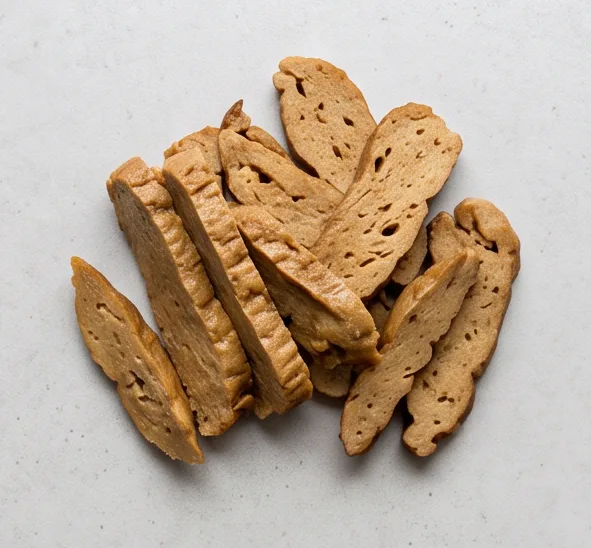
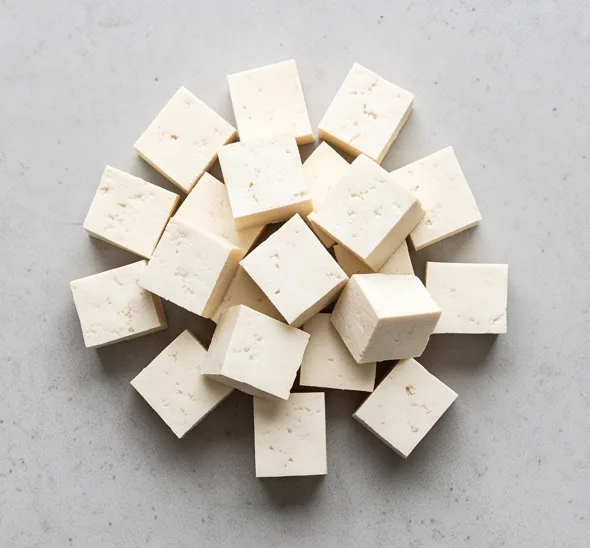
Vegan proteinMost adults need about 0.8 g of protein per kg of body weight per day, and people lifting or training hard do better on 1.2–1.6 g/kg. Legumes, soy foods, seitan, nuts, seeds and whole grains cover that comfortably: 100 g of tempeh, a cup of lentils and 200 g of tofu alone is roughly 60 g. You do not need to combine proteins at each meal — eating a variety of plant proteins across the day supplies every essential amino acid.
Read the guide →Vitamin B12Every vegan needs a reliable B12 source: for healthy adults, a daily cyanocobalamin supplement or at least 2,000 mcg weekly, or fortified foods two or three times daily totalling at least 3 mcg. Check labels carefully. No unfortified plant food is dependable. Deficiency can take years to appear, and some nerve damage can become permanent.
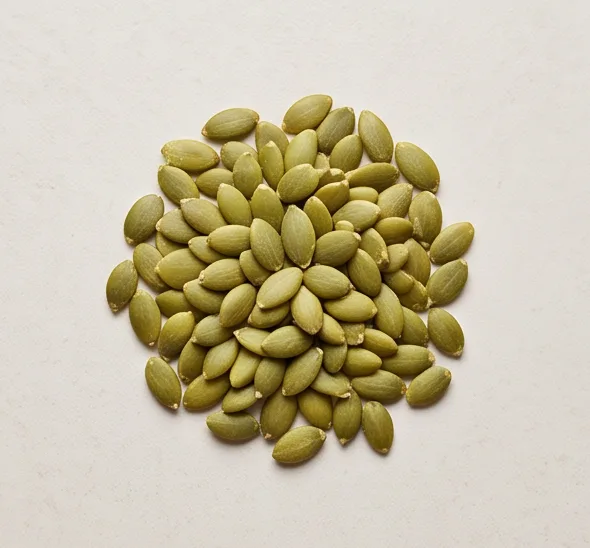
Read the guide →IronPlant foods supply non-haem iron, which is absorbed at roughly 2–20% depending on what else is on the plate, so some guidelines set vegan targets around 1.8 times the standard RDA. Lentils, tofu, pumpkin seeds, tempeh, dark greens and fortified cereals are the workhorses. Pairing them with vitamin C — peppers, citrus, tomatoes — can multiply absorption several-fold, while tea, coffee and calcium supplements taken with the meal cut it sharply.
Read the guide →CalciumAdults need roughly 700–1,000 mg of calcium a day, and vegans hit it with fortified plant milk (about 300 mg per 250 ml), calcium-set tofu, low-oxalate greens like kale and bok choy, tahini, almonds and white beans. Absorption from low-oxalate greens is around 50–60%, higher than from dairy. Bone health also depends on vitamin D, protein, potassium and weight-bearing exercise, not calcium alone.
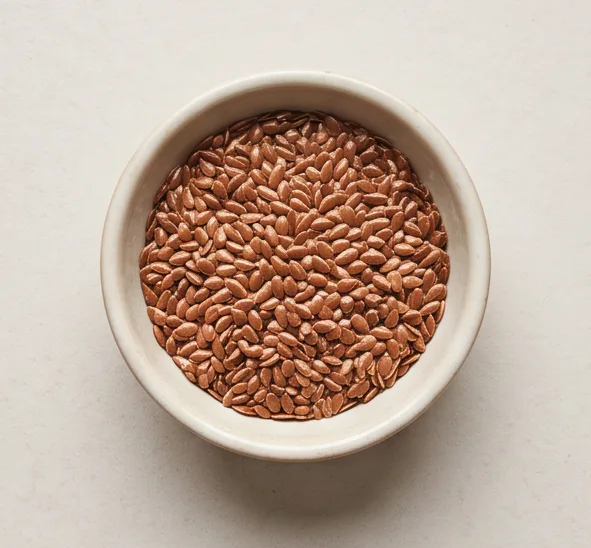
Read the guide →Omega-3Ground flaxseed, chia or a small handful of walnuts can cover the US ALA adequate intake of 1.1–1.6 g/day. ALA conversion to EPA and DHA is limited and variable. Algal oil provides these directly; EFSA sets an adult adequate intake of 250 mg EPA+DHA daily, rather than a few doses each week. Check the active amounts on the label.
Read the guide →Vitamin DVitamin D comes from sunlight, some foods and supplements. In the UK, the NHS advises adults to consider 400 IU (10 mcg) daily in autumn and winter, and year-round for higher-risk groups. The US RDA is 600 IU through age 70 and 800 IU thereafter. Vegan D2 and lichen-derived D3 both work; D3 generally raises blood levels more effectively.
Read the guide →ZincZinc absorption from plant foods is reduced by phytates, so some bodies suggest vegans aim for up to 1.5 times the standard RDA of 11 mg for men and 8 mg for women. Pumpkin seeds, hemp seeds, cashews, lentils, chickpeas, tofu, tempeh, oats and wholegrain bread are the main sources. Soaking, sprouting and sourdough fermentation break down phytates and noticeably improve uptake.
Read the guide →IodineAdults need about 150 mcg of iodine a day, and vegans without iodised salt, a supplement or seaweed frequently fall short. The safest routes are iodised salt or a 150 mcg supplement. Kelp is a poor choice because its iodine content varies enormously between batches and a single serving can deliver thousands of micrograms — enough to disrupt thyroid function.
Read the guide →