Iron for vegans: absorption matters more than the number on the label
Quick answer
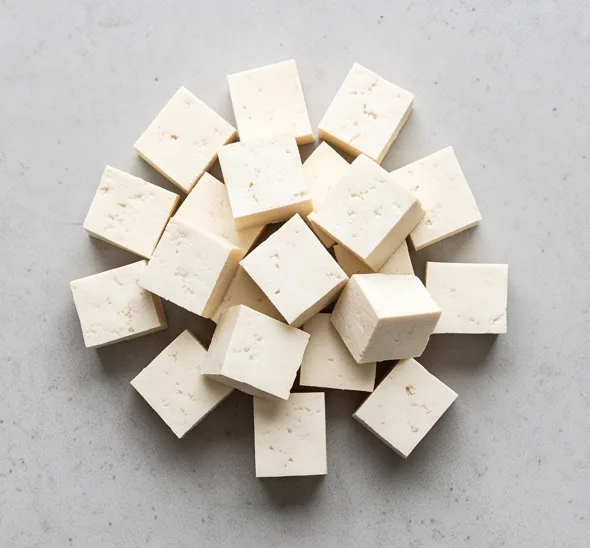
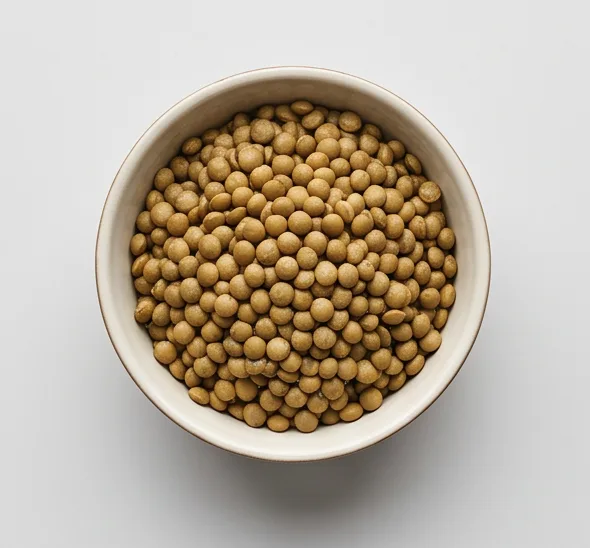
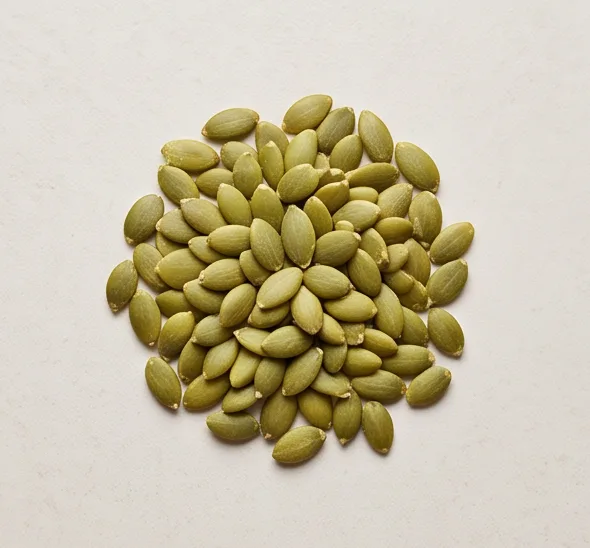
Plant foods supply non-haem iron, which is absorbed at roughly 2–20% depending on what else is on the plate, so some guidelines set vegan targets around 1.8 times the standard RDA. Lentils, tofu, pumpkin seeds, tempeh, dark greens and fortified cereals are the workhorses. Pairing them with vitamin C — peppers, citrus, tomatoes — can multiply absorption several-fold, while tea, coffee and calcium supplements taken with the meal cut it sharply.
Plant-based diets can supply plenty of iron, but vegetarians often have lower ferritin. Anaemia risk varies by population, especially with menstrual blood loss or pregnancy. Both enough dietary iron and meal combinations that aid absorption matter; low stores should be assessed rather than assumed to be harmless adaptation.
Key facts
- Daily target used here
- 18 mg
- Food sources listed
- 13
- Richest source
- Lentils — 6.6 mg
- Supplement
- When to supplement
How much you need
US RDA with the 1.8× plant-diet adjustment
US RDA with the plant-diet adjustment
US RDA — discuss with a midwife or doctor
Losses vary too much for a single figure
Where it comes from
Sort by Iron
Iron per serving in plant foods, with the share of a 18 mg daily target
- Lentils1 cup cooked (200 g)6.6 mg
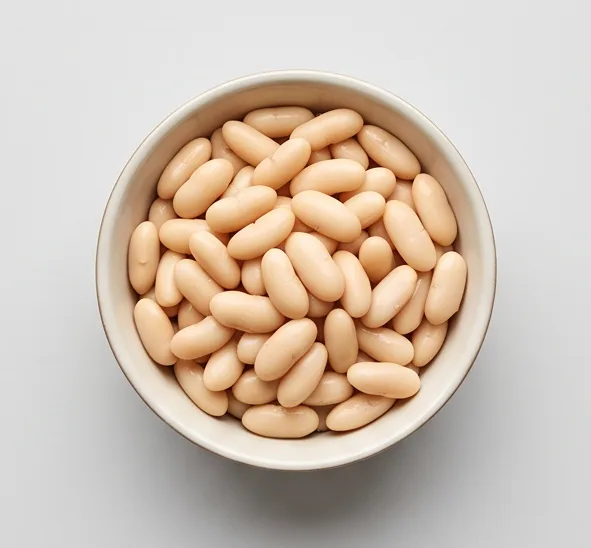
- White beans1 cup cooked6.6 mg
- Firm tofu150 g4 mg
- Pumpkin seeds30 g2.6 mg
NIH ODS — Iron fact sheet
| Food | Serving | mg | % of target |
|---|---|---|---|
| Lentils | 1 cup cooked (200 g) | 6.6 | 37% |
| White beans | 1 cup cooked | 6.6 | 37% |
| Chickpeas | 1 cup cooked | 4.7 | 26% |
| Firm tofu | 150 g | 4 | 22% |
| Fortified breakfast cerealBrand-dependent, sometimes far higher | 40 g | 4 | 22% |
| Spinach, cookedContains non-haem iron; pair with vitamin C | 100 g | 3.6 | 20% |
| Blackstrap molasses | 1 tbsp | 3.5 | 19% |
| Dark chocolate 70%+ | 30 g | 3.4 | 19% |
| Quinoa | 1 cup cooked | 2.8 | 16% |
| Tempeh | 100 g | 2.7 | 15% |
| Pumpkin seeds | 30 g | 2.6 | 14% |
| Cashews | 30 g | 1.9 | 11% |
| Dried apricots | 50 g | 1.6 | 9% |
Getting it absorbed, not just eaten
Vitamin C is the single biggest lever
Vitamin C eaten with a meal improves non-haem iron absorption. Half a red pepper or a small orange can provide around 50 mg; a small squeeze of lemon provides much less. The size of the effect depends on the meal and iron status.
Tea and coffee are the biggest brake
Tea and coffee polyphenols can reduce non-haem iron absorption from a meal. If low iron is a concern, drink them between meals rather than with food; a one-hour gap may help but does not guarantee full recovery of absorption.
Soak, sprout, ferment and use a cast-iron pan
Phytates in legumes and grains bind iron. Soaking overnight, sprouting, sourdough fermentation and long cooking break them down. Cooking acidic foods in cast iron measurably adds iron to the dish.
Separate calcium from iron meals
Calcium supplements and large dairy-alternative doses compete with iron. Take calcium supplements at a different meal.
When to supplement
Use iron supplements on clinical advice after appropriate tests and assessment of the cause. Common treatment regimens use 50–100 mg elemental iron daily; alternate-day dosing may be considered for tolerance. Keep iron away from children. The US adult upper limit is 45 mg/day except for medically supervised treatment.
Signs of running low
- Unusual fatigue and breathlessness on stairs
- Pale inner eyelids and gums
- Cold hands and feet
- Brittle, spoon-shaped nails and hair shedding
- Restless legs at night
- Craving ice, chalk or starch (pica)
What to test
- Ferritin
- The best marker of stores. Note it rises with inflammation, so a normal value during illness can be misleading.
- Full blood count with MCV
- Small, pale red cells point to iron deficiency anaemia — a later stage than low ferritin alone.
- Transferrin saturation
- Useful when ferritin is ambiguous, and to catch iron overload.
- CRP alongside ferritin
- Interprets whether inflammation is inflating the ferritin result.
Common mistakes
Relying on spinach
Spinach contributes iron, but it should be one of several sources. Include lentils, tofu, beans and seeds, and add vitamin C to meals to help non-haem iron absorption.
Drinking tea with every meal
Tea taken with meals can reduce iron absorption. People with low stores may benefit from drinking it between meals instead.
Self-prescribing high-dose iron
Supplementing without a ferritin test can mask other causes of fatigue and cause overload in susceptible people.
Questions people ask
Are vegans more likely to be anaemic?
Vegetarians and vegans often have lower iron stores, but anaemia rates vary between studies and populations. Menstruation, pregnancy and low intake increase risk; seek testing if symptoms or risk factors suggest deficiency.
How much vitamin C do I need with an iron meal?
Vitamin C with an iron-containing meal can help. Try a small orange, half a red pepper or a portion of strawberries; a squeeze of lemon supplies much less vitamin C than these portions.
Does cooking in cast iron really help?
Yes, measurably, especially with acidic foods like tomato sauce. The effect is real but variable, so treat it as a bonus rather than a plan.
Is low ferritin always a problem?
Low ferritin with normal haemoglobin can still cause fatigue and restless legs, and is worth treating. Interpret it with a clinician rather than by threshold alone.
What blocks iron absorption the most?
Tea and coffee polyphenols and phytates can reduce non-haem iron absorption. Vitamin C and food preparation help; take calcium supplements separately if advised. Timing alone does not remove phytate from a meal.
References
Other nutrient guides
Data: NIH ODS — Iron fact sheet · Free to reuse under CC BY 4.0 with a link back.
General information, not medical advice. Talk to a clinician or registered dietitian about your own situation.
Continue explorando
Páginas relacionadas a esta sobre substituições, ingredientes, nutrientes e refeições.