Die Tiere

Sie sind Individuen. Jedes einzelne.

Mehr als 80 Milliarden Landtiere – und Billionen von Fischen – werden jedes Jahr für die Ernährung getötet. Jedes von ihnen ist ein Jemand, kein Etwas. Diese Seite ist ein Verzeichnis darüber, wer sie sind und was ihnen angetan wird.

Sie sind Individuen. Jedes einzelne.
Photo: Slaunger / Wikimedia Commons (CC BY-SA)
01

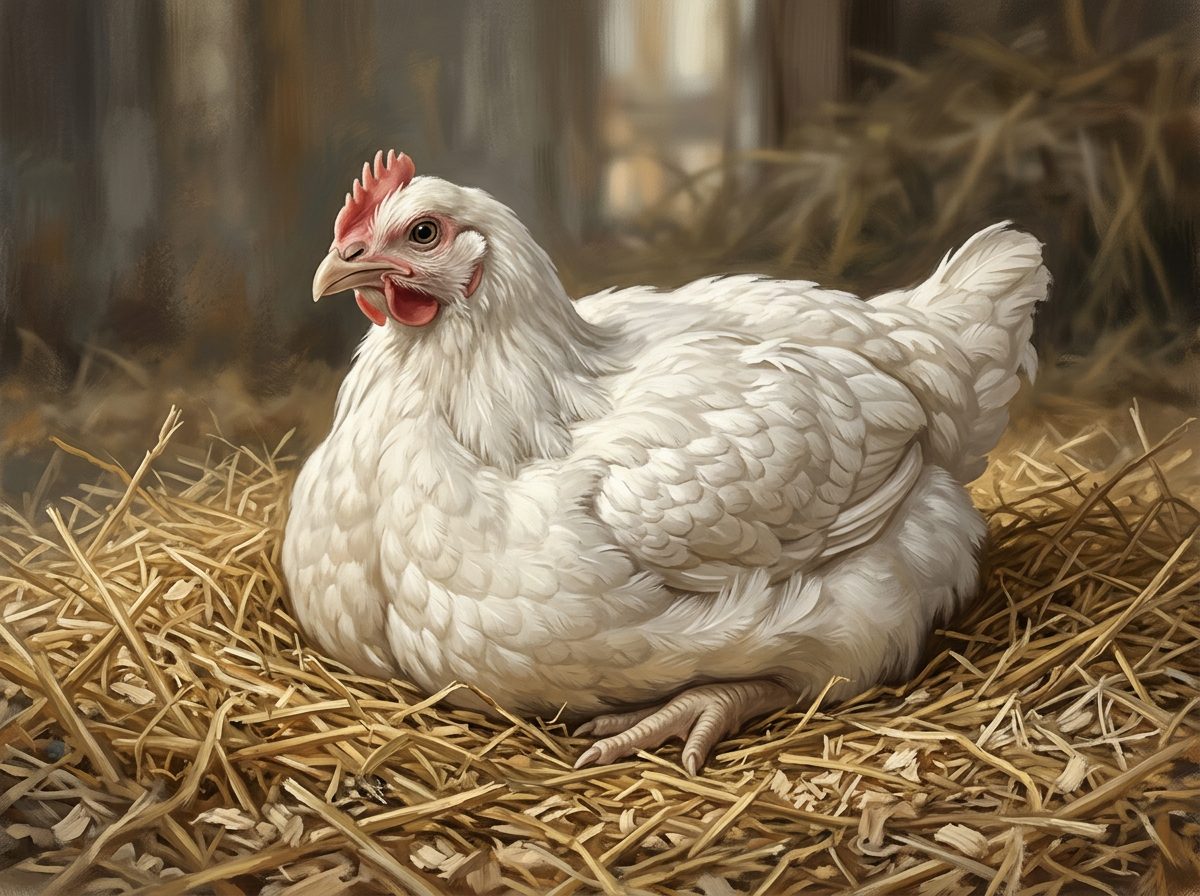
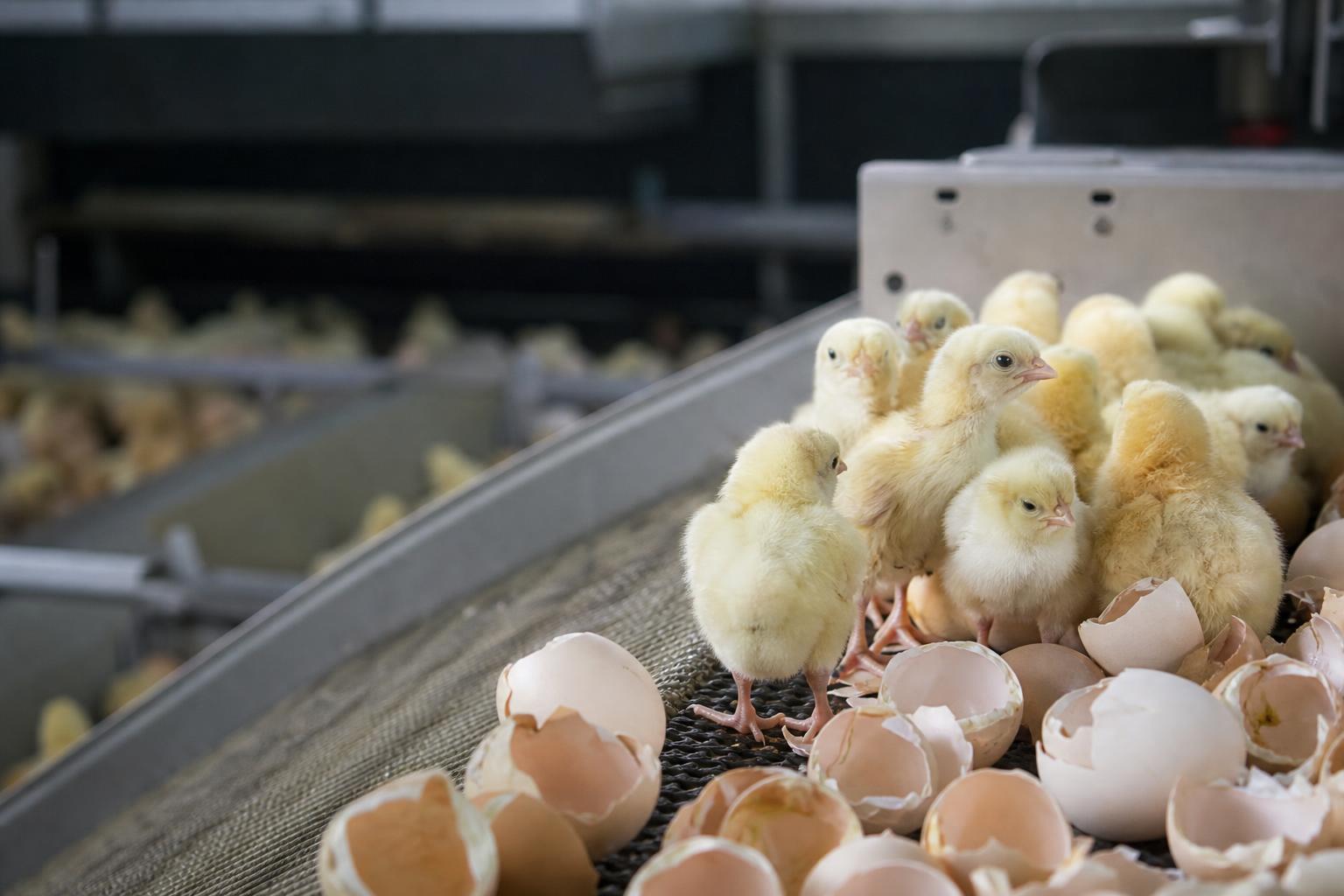
Hühner

Es werden mehr Hühner geschlachtet als alle anderen Landtiere zusammen.

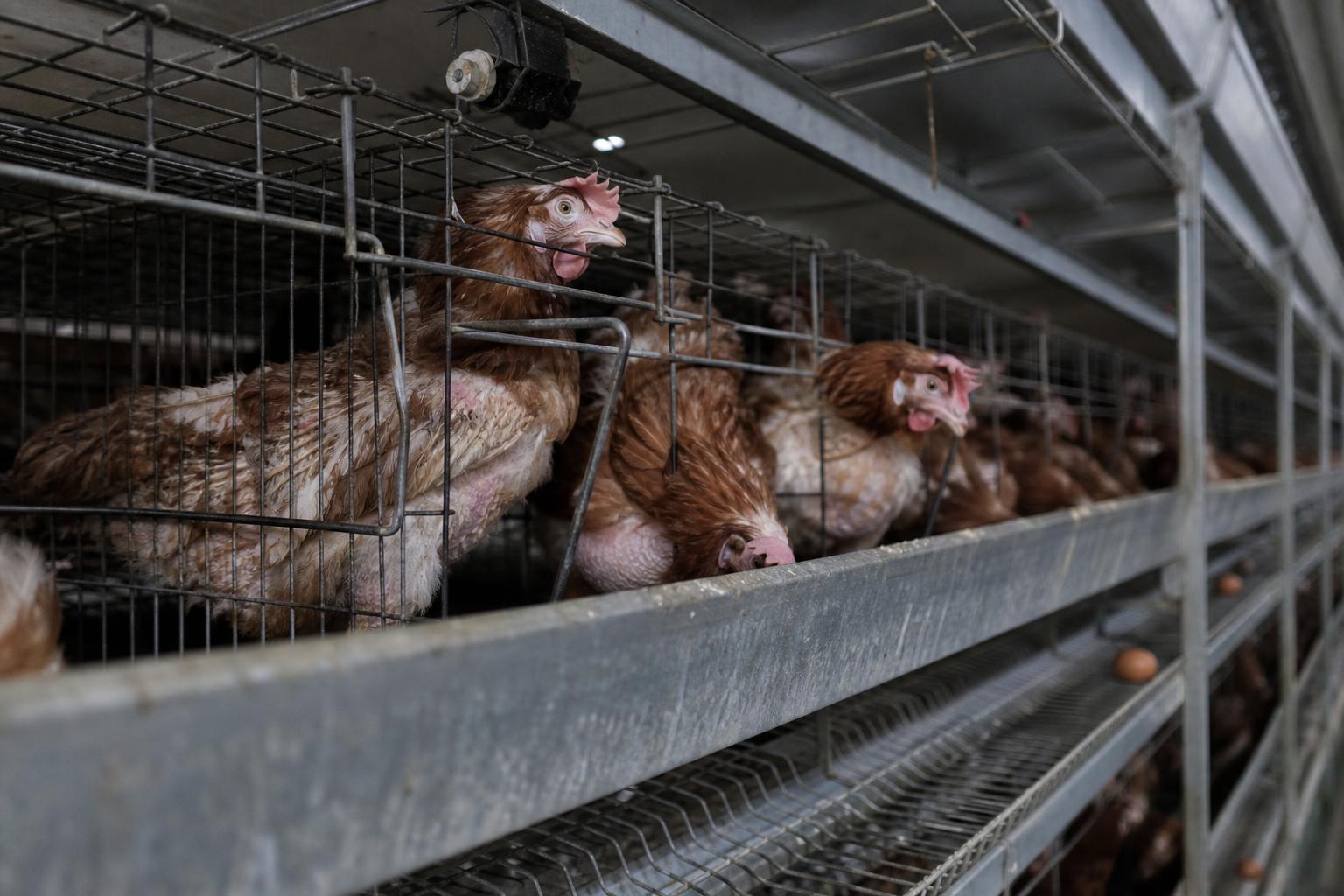
Gezüchtet, um so schnell zu wachsen, dass ihre Herzen und Beine versagen, erreichen Masthühner ihr Schlachtgewicht in sechs Wochen. Legehennen verbringen bis zu zwei Jahre in Käfigen, die kleiner als ein Blatt Papier sind. Männliche Küken von Legerassen werden innerhalb weniger Stunden nach dem Schlüpfen lebendig geschreddert oder vergast.

  • Rund 76 Milliarden Hühner werden jedes Jahr für Fleisch getötet.
  • Schätzungsweise 6–7 Milliarden männliche Küken werden jedes Jahr in der Eierindustrie aussortiert.
  • Hühner erkennen mehr als 100 einzelne Gesichter und bilden dauerhafte soziale Bindungen.
02

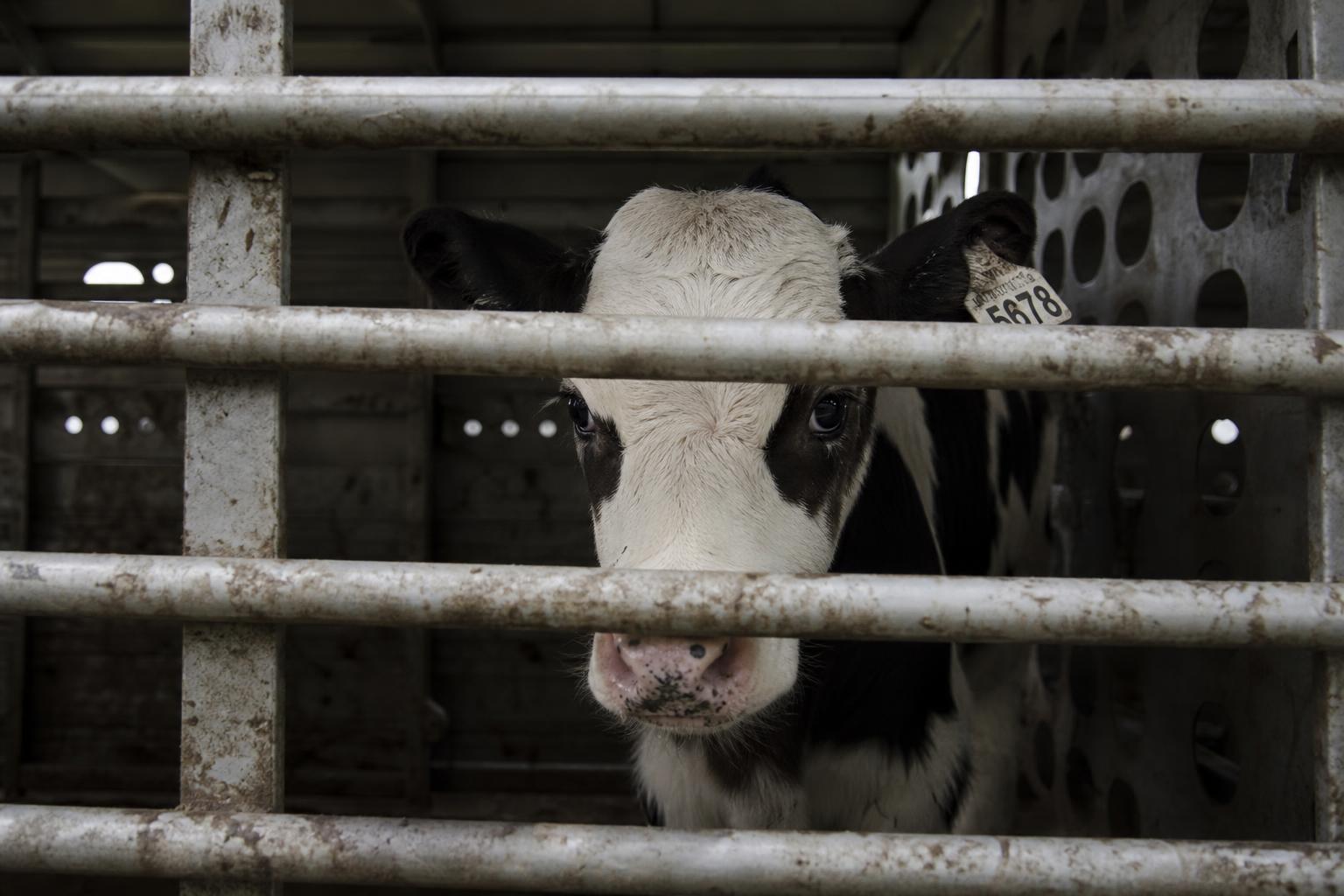
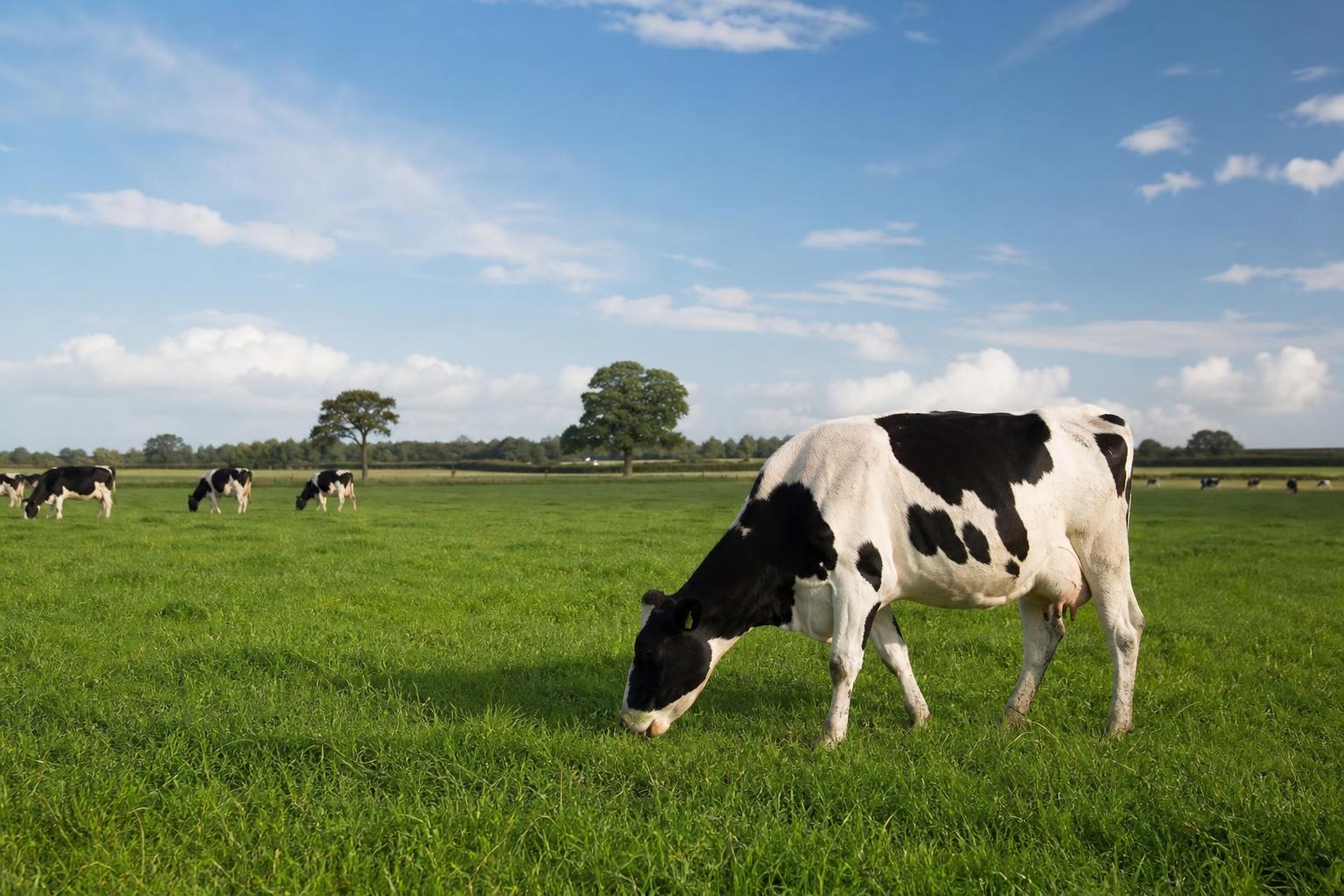
Kühe

Milch ist keine friedliche Alternative zu Rindfleisch — sie ist seine Mutter.

Milchkühe werden jedes Jahr zwangsbesamt. Ihre Kälber werden ihnen innerhalb weniger Stunden nach der Geburt weggenommen — Söhne werden für Kalbfleisch verkauft, Töchter geraten in denselben Kreislauf. Ihre Körper, erschöpft durch selektive Züchtung, werden mit etwa fünf Jahren geschlachtet. Ihre natürliche Lebenserwartung beträgt zwanzig Jahre.

  • Es wurde dokumentiert, dass Mutterkühe tagelang um ihre gestohlenen Kälber trauern und nach ihnen suchen.
  • Enthornung, Brandzeichen und Schwanzkupieren werden routinemäßig ohne Schmerzlinderung durchgeführt.
  • Rindfleisch und Milchprodukte machen zusammen etwa 60 % der Treibhausgasemissionen aus der Viehzucht aus.
03

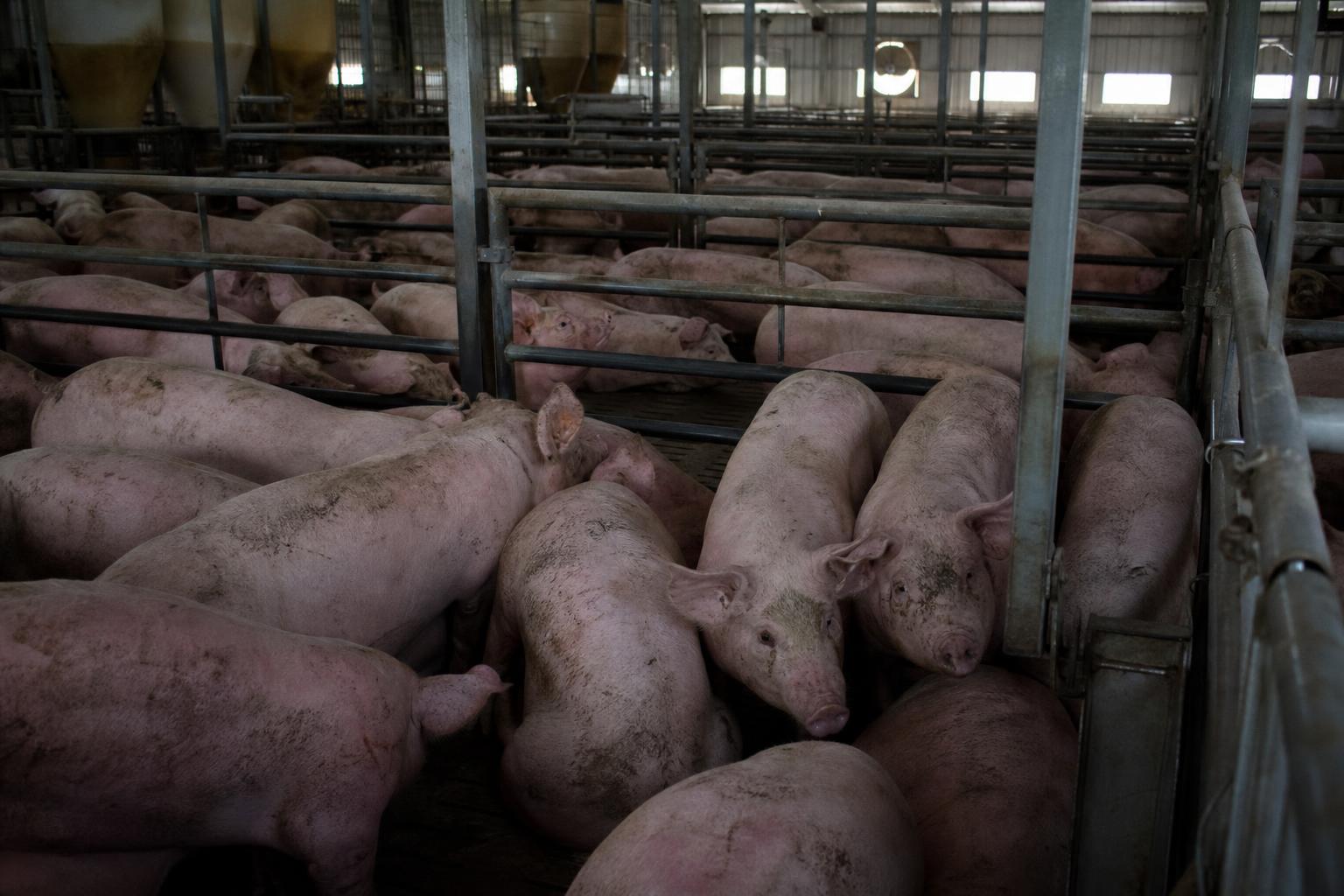
Schweine

Oft in kognitiven Tests mit kleinen Kindern verglichen. Als Einheit behandelt.

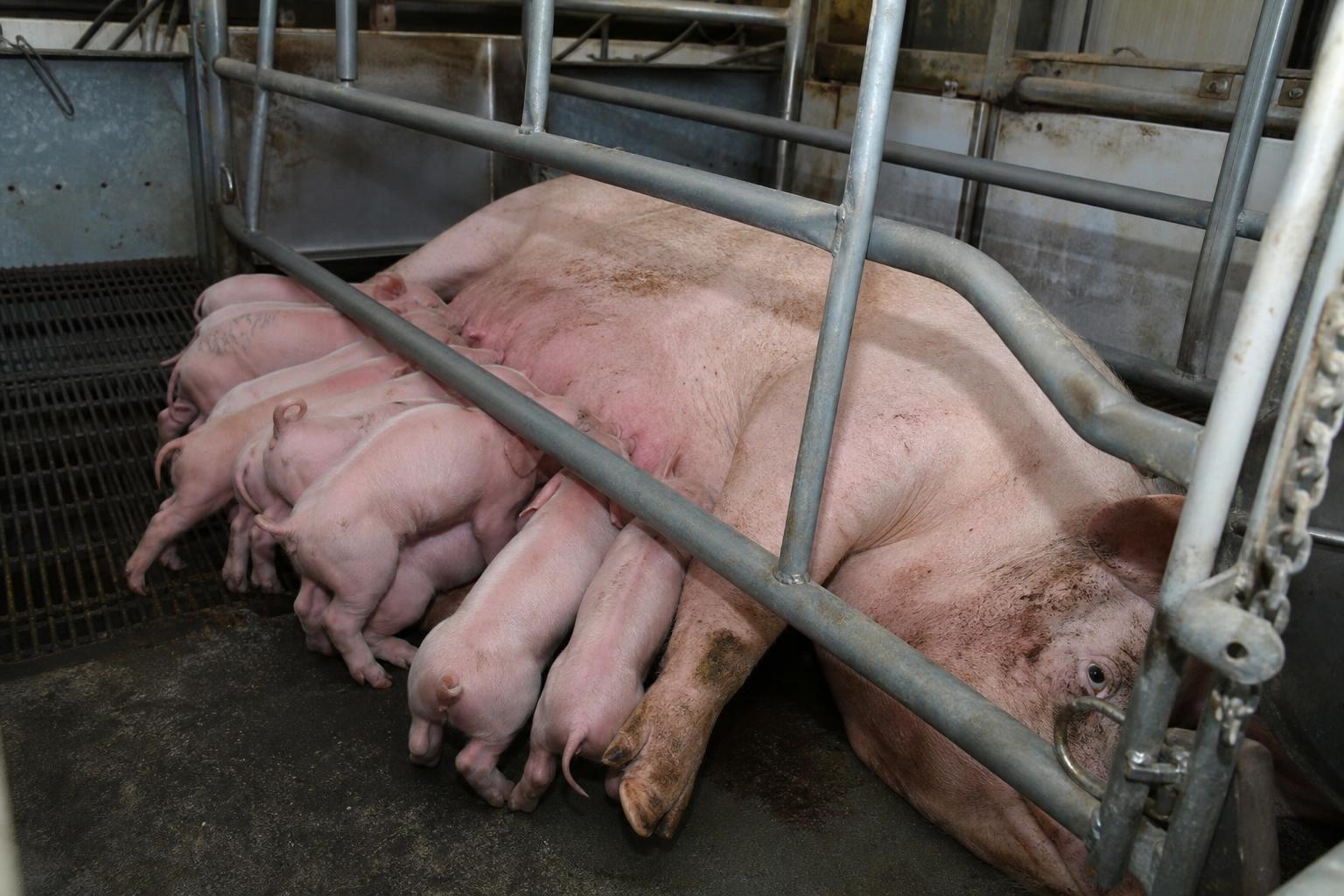
Sauen verbringen den größten Teil ihres erwachsenen Lebens in Kastenständen, die so eng sind, dass sie sich nicht umdrehen können. Ferkel werden ohne Betäubung kastriert, ihre Schwänze kupiert und ihre Zähne abgeschliffen. Die meisten Schweine sehen nie das Tageslicht, bis sie zum Schlachthof transportiert werden.

  • Schweine lösen Rätsel, benutzen Spiegel und spielen mit Spielzeug, wenn sie die Gelegenheit dazu bekommen.
  • Rund 1,4 Milliarden Schweine werden jedes Jahr weltweit für Nahrung getötet.
  • Schweinezuchtbetriebe sind in vielen Regionen die größte Quelle für Ammoniak-Luftverschmutzung.
04

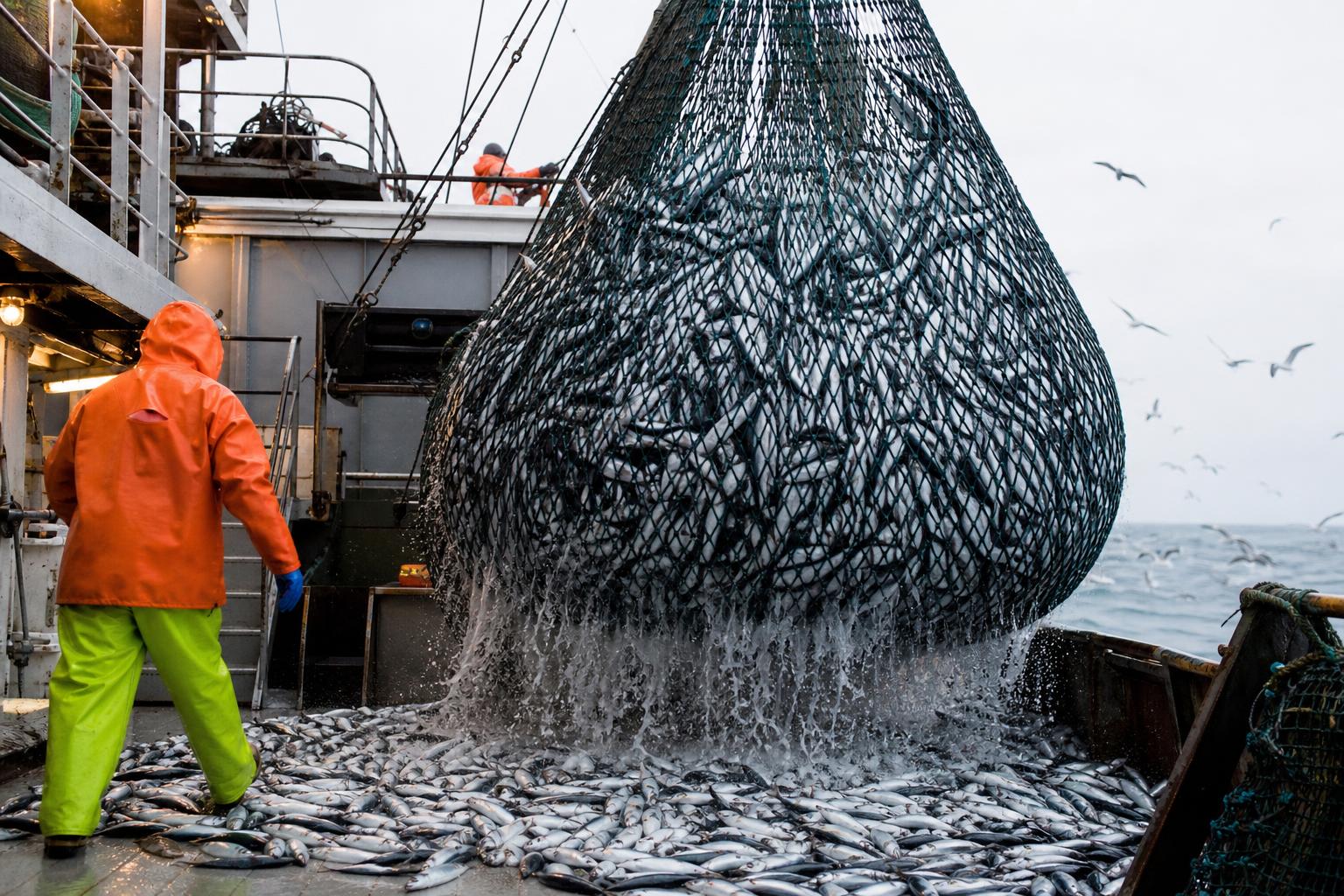
Fische

Die größte, am wenigsten gezählte und am wenigsten geschützte Gruppe von Nutztieren.

Fische empfinden Schmerz. Die Beweise sind seit zwei Jahrzehnten wissenschaftlicher Konsens. Dennoch sterben jedes Jahr Billionen — erstickt an Deck von Trawlern, zerquetscht in Netzen oder in von Krankheiten heimgesuchten Meereskäfigen, wo Parasiten sie bei lebendigem Leibe fressen.

  • Schätzungsweise 1–2,8 Billionen Wildfische werden jedes Jahr für die Ernährung getötet.
  • Etwa jeder sechste Zuchtlachs in Norwegen starb 2023 in den Meeresgehegen.
  • Aquakultur ist der am schnellsten wachsende Lebensmittelsektor — und der mit den geringsten Tierschutzvorschriften.
05

Schafe & Ziegen

Lebendexporte — per LKW und Schiff — sind um ihre Körper herum aufgebaut.

Lämmer werden in der Regel im Alter von drei bis zehn Monaten geschlachtet. Mulesing, Schwanzkupieren und Kastration sind Routine, meist ohne Betäubung. Lebendtransportschiffe befördern jedes Jahr Millionen von Tieren über die Ozeane; Todesfälle durch Hitzestress und Hunger werden dokumentiert, aber als normal angesehen.

  • Hunderte Millionen Schafe und Ziegen werden jedes Jahr für Fleisch geschlachtet.
  • Lebendexporte können mehrere Wochen auf See dauern.
  • Die Nachfrage nach Ziegenmilch führt nun zum gleichen Modell der Trennung bei der Geburt wie in der Kuhmilchindustrie.
06

Wildfische & Schalentiere

Viele Fischbestände werden schneller leergefischt, als sie sich erholen können.

Mehr als ein Drittel der bewerteten Fischbestände sind überfischt. Grundschleppnetze durchkämmen den Meeresboden; Langleinen töten Seevögel, Haie und Schildkröten als Beifang.

  • Der Beifang wird auf bis zu 40% des weltweiten Fischfangs geschätzt.
  • Fischereiausrüstung macht den größten Teil des großen Plastikmülls, gemessen an der Masse, im Great Pacific Garbage Patch aus.
  • Mehr als ein Drittel der bewerteten Fischbestände werden über nachhaltige Grenzen hinaus geerntet.
Species deep dives

Who they are, and what the industry does.

The animals in the food system are individuals with distinct cognitive lives, social needs, and, where studied, demonstrated emotional range. The following profiles draw on peer-reviewed animal behaviour research as well as documented standard industry practices. They are not arguments from sentiment — they are arguments from evidence.

01

Chickens

Cognition

Chickens demonstrate numeracy, self-control, and basic forms of empathy. Studies have shown that hens show distress responses when their chicks are exposed to mild stress — a finding consistent with primitive empathy. They are capable of deception, have distinct personalities, and learn from observation. Their cognitive capacity is substantially higher than cultural assumptions suggest.

Natural life

When given suitable conditions, chickens form social hierarchies, forage, dustbathe, establish roosting sites, and engage in complex vocal communication. Egg production varies greatly with breed and conditions. Broody hens incubate eggs and raise chicks through a period of intensive parental care that typically lasts several weeks.

The industry

Fast-growing broiler chickens are often slaughtered at 35–42 days — long before their potential lifespan of several years. Selection for rapid growth and breast mass increases the risk of cardiovascular and skeletal problems. Laying hens can produce 250–300 eggs per year. Conventional battery cages severely restrict movement; space allowances vary by country and cage type.

02

Pigs

Cognition

Pigs show sophisticated learning, memory, and social behaviour. Experiments have examined spatial problem-solving, individual recognition, and their ability to use information from mirrors to locate food. Their abilities vary with the task and conditions, and research continues to explore the extent of their cognitive capacities.

Natural life

Wild and free-ranging pigs live in matriarchal family groups. They build nests for farrowing, rootle extensively (using their snout to explore and manipulate their environment), form close bonds with individuals they choose, and spend roughly half their waking hours in social activity. Sows are protective, attentive mothers. Piglets begin play behaviour within days of birth.

The industry

Breeding sows in intensive systems spend most of their reproductive lives in gestation crates — metal enclosures approximately 0.6 m wide — where they cannot turn around, rootle, or engage in social behaviour. After farrowing, they move to farrowing crates that similarly restrict movement. Piglets are weaned at 21–28 days (natural weaning occurs at 12–15 weeks), then housed in barren conditions until slaughter weight.

03

Cows

Cognition

Cattle form lasting friendships with individual herd members and show signs of what researchers describe as emotional contagion — their heart rate rises when separated from companions and falls when reunited. They exhibit curiosity (sometimes called 'bovine excitement') when released into novel environments, and remember negative experiences with specific individuals or locations over long periods.

Natural life

Cattle in natural or extensive conditions graze up to eight hours a day, spending the rest of their time ruminating, socialising, and resting. Cows form tight bonds with their calves and maintain complex social relationships across years. Natural lifespan is 15–20 years. The mother-calf bond is among the strongest observed in ungulates.

The industry

Dairy cows are often culled after only a few lactations, well before their potential lifespan of 15–20 years. Reasons include fertility problems, disease, and production economics. Calves are commonly separated soon after birth, although practices vary. Male dairy calves may be raised for beef or veal, while some are killed shortly after birth.

04

Fish

Cognition

Fish cognition is a rapidly advancing research area. Studies have documented social learning, long-term individual recognition, use of tools (wrasse have been observed using rocks to crack shellfish), Machiavellian social strategies in cleaner fish, and responses to noxious stimuli that parallel pain responses in mammals. The assumption that fish do not feel pain is no longer defensible in the scientific literature.

Natural life

Fish species vary widely, but across most, life involves navigation of complex three-dimensional environments, social group dynamics (shoaling, schooling, territorial behaviour), and individual problem-solving. Salmon migrate thousands of kilometres to spawning grounds using magnetic field navigation. Rays play. Groupers cooperate with moray eels to hunt. The diversity of fish cognition and behaviour is poorly represented in public discourse.

The industry

A 2024 study estimated that wild fisheries caught 1.1–2.2 trillion finfish annually on average during 2000–2019, excluding unrecorded catches. In aquaculture, unsuitable stocking densities and poor water quality can cause chronic stress, fin damage, and impaired health. Many farmed fish are slaughtered without effective stunning.

05

Sheep

Cognition

Sheep can remember 50 individual sheep faces for more than two years and can also recognise familiar human faces. They respond to emotional cues and show changes in behaviour under stress. Like cattle, they form strong social bonds and can show measurable physiological stress when separated from companions.

Natural life

Sheep are social animals that graze, rest, and move as cohesive groups. Ewes maintain a close bond with their lambs for several months, recognising them by sight, sound, and smell. In non-intensive systems, sheep have natural lifespans of 10–12 years. They are not as passive as cultural stereotypes suggest — they have been shown to be capable of active decision-making and independent navigation.

The industry

Lambs destined for meat are typically slaughtered at 4–12 months. In mulesing — common in Australian wool production — a section of skin is cut from around the hindquarters without anaesthetic to prevent flystrike. Shearing, while not inherently harmful, routinely causes cuts and abrasions in commercial operations where speed is prioritised. Ewes in intensive dairy production are milked on cycles similar to cattle.

06

Rabbits

Cognition

Rabbits are more cognitively complex than their common treatment suggests. They solve spatial problems, learn from observation, use and understand referential cues from humans, and have individual personalities ranging from bold to cautious. They communicate extensively through body language and show affection through grooming behaviour called allogrooming.

Natural life

Wild rabbits live in social groups centred on shared burrow systems. They spend dawn and dusk foraging and have elaborate social structures with clear individual relationships. They engage in play, particularly when young. Domestic rabbits, when given appropriate space, exhibit the same range of behaviours.

The industry

Many rabbits farmed for meat are kept in conventional wire cages that restrict movement and natural behaviour. Other housing systems include enriched cages, pens, and outdoor systems. The EU has general farm-animal and slaughter protections but no rabbit-specific farming directive. Welfare risks include cramped housing, handling, and ineffective stunning.

Watch

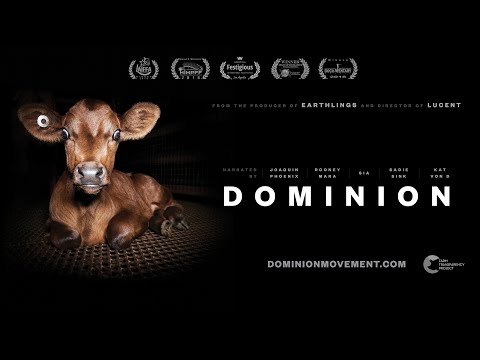
Dominion (2018)

A feature-length documentary that uses drone, hidden and handheld cameras to expose the dark underbelly of modern animal agriculture. Free to watch in full.

Dominion (2018) — full documentaryYouTube
Source: Aussie Farms / Farm Transparency Project (YouTube)
Faces

The individuals behind the numbers

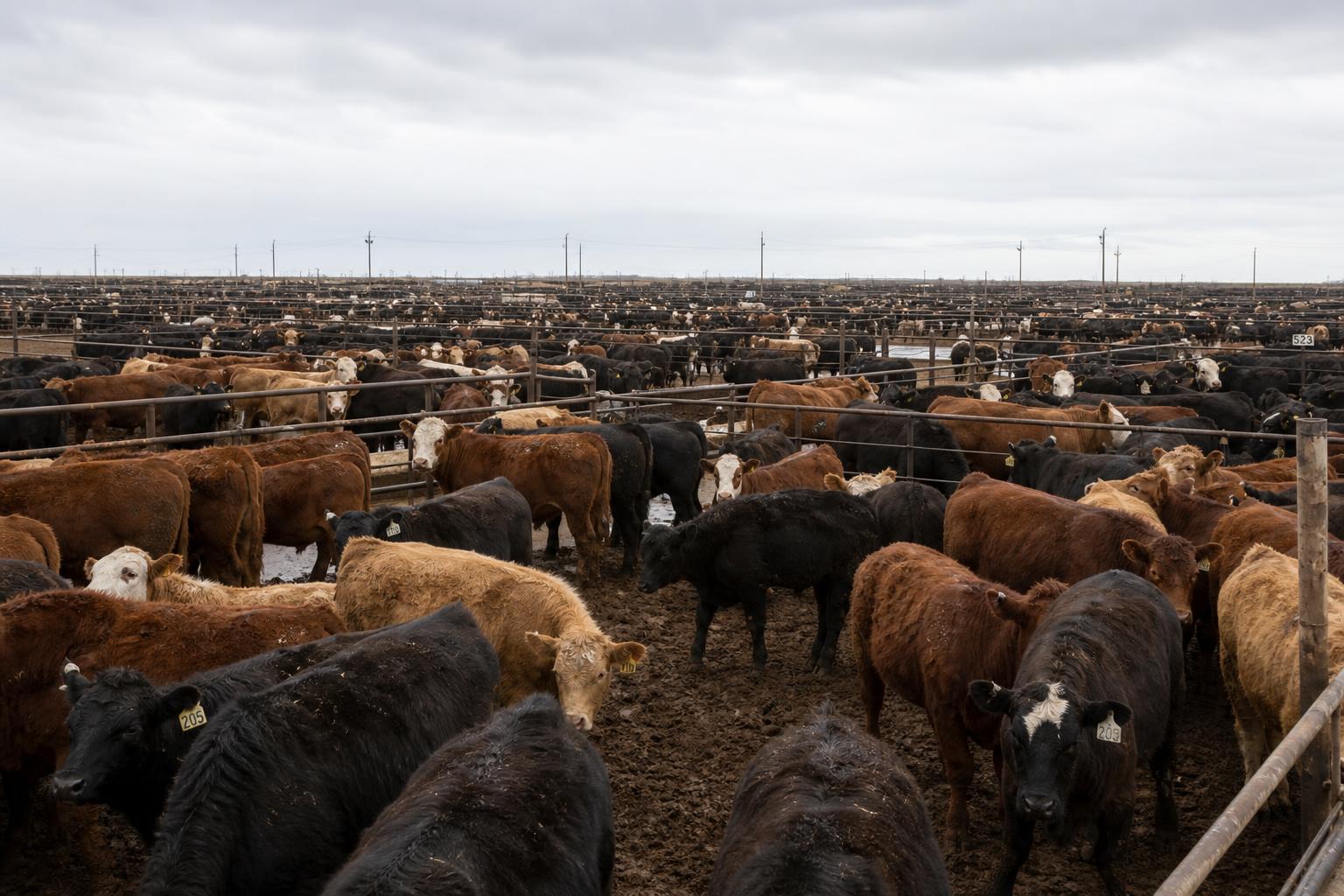
Cows in pasture
Photo illustration
Sow with piglet
Wikimedia Commons
Hens in battery cage
Photo illustration
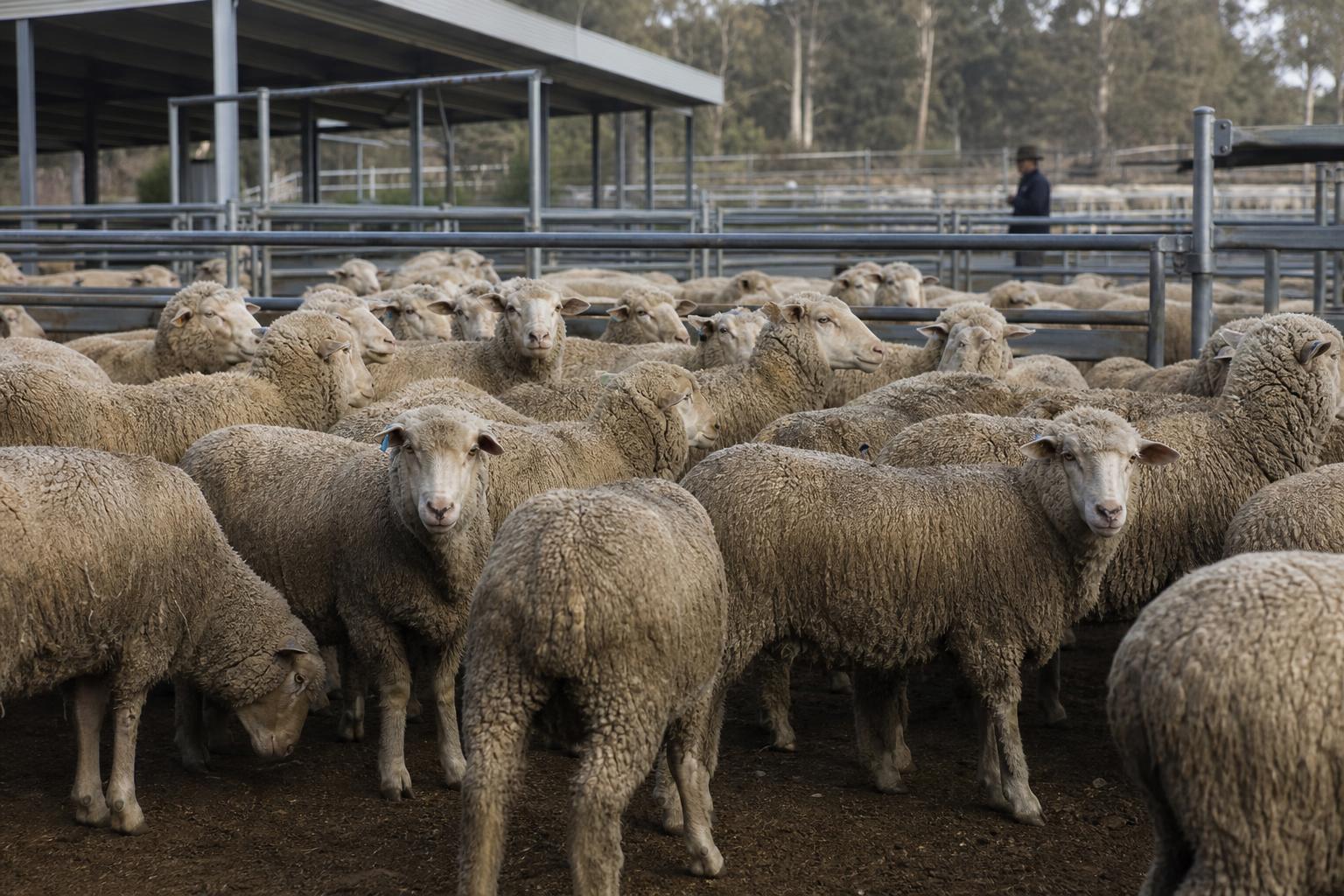
Sheep flock
Photo illustration
Wild-caught fish

The hidden scale of the most uncounted industry.

Wild-caught fish are often missing from discussions of food-system animal deaths. A 2024 study estimated that 1.1–2.2 trillion wild finfish were caught annually on average during 2000–2019, using global landing weights and estimated individual weights. The estimate includes marine and inland fisheries but excludes unrecorded catches. These numbers far exceed recorded slaughter counts for farmed land vertebrates.

Beyond the direct kill, wild fisheries cause enormous bycatch: non-target species caught and discarded dead or dying, including dolphins, turtles, seabirds, and juvenile fish of all species. Bottom trawling — a common method in which a weighted net is dragged across the seafloor — destroys benthic habitat that took decades to develop. The physical destruction of ocean floor ecosystems is among the most underreported environmental impacts of food production.

The simplest way to reduce your contribution to ocean harm is the same as for land animals: eat more plants, eat less fish. For those who continue to eat seafood, smaller oily fish lower in the food chain (sardines, mackerel, anchovies) carry far lower ecosystem costs than large predators like tuna or salmon. Shellfish from certified sustainable operations are among the least environmentally costly animal foods available.

Animals killed for food each year (billions)

Land animals: annual global slaughter; wild finfish: estimated annual catches averaged over 2000–2019, excluding unrecorded capture.

  • Chickens78.5 B
  • Ducks4.2 B
  • Pigs1.5 B
  • Sheep & Goats1.27 B
  • Cows0.3 B
  • Wild finfish (est.)1500 B

FAOSTAT 2024 · Mood & Brooke, Animal Welfare (2024)

The other side of the plate

Every meal has a story. Most are never told.

Six facts, with imagined vignettes illustrating the lives behind food production.

Land animals slaughtered for meat worldwide in 2022.
Veg.ac · AI · Photo illustration
01 — The fact

83B

Land animals slaughtered for meat worldwide in 2022.

That 2022 total averages roughly 2,630 animals per second. It excludes additional deaths not recorded in meat-slaughter statistics.

The life
“A broiler chicken’s potential lifespan extends well beyond slaughter age.”
— Illustration · broiler chicken
Estimated share of US farmed animals living on factory farms.
Mercy For Animals / Wikimedia Commons (CC BY 2.0)
02 — The fact

99%

Estimated share of US farmed animals living on factory farms.

The pastoral image on the carton is a marketing department, not a farm. The reality is steel, concrete, and fluorescent light.

The life
“A sow can learn and recognise familiar people and surroundings.”
— Illustration · breeding sow
When dairy calves are separated from their mothers on many farms.
Wikimedia Commons (CC BY-SA)
03 — The fact

Often within 24 hours

When dairy calves are separated from their mothers on many farms.

Early separation is common in dairy farming. Cows and calves can show behavioural signs of distress, though practices and individual responses vary.

The life
“A cow and calf may call for each other after separation.”
— Illustration · dairy cow
Estimated wild finfish caught annually, averaging 2000–2019.
Ifremer / Wikimedia Commons (CC BY)
04 — The fact

1.1–2.2T

Estimated wild finfish caught annually, averaging 2000–2019.

Official catches are recorded by weight; researchers estimate individual numbers from those totals and fish sizes. The estimate excludes unrecorded capture.

The life
“There is no quiet way to suffocate.”
— Illustration · wild fish
Male chicks estimated culled annually in the egg industry (2023 estimate).
Andrew Skowron / Wikimedia Commons (CC BY 2.0)
05 — The fact

6.5B

Male chicks estimated culled annually in the egg industry (2023 estimate).

Male laying-breed chicks cannot lay eggs and are generally unsuitable for conventional meat production. Culling methods include maceration and gassing; some producers use in-ovo sexing or rear the males.

The life
“He is sorted on a conveyor belt at one day old.”
— Illustration · day-old chick
Share of Amazon deforestation attributed to cattle ranching in a WWF-cited 2008 estimate.
NASA MODIS / Wikimedia Commons (public domain)
06 — The fact

80%

Share of Amazon deforestation attributed to cattle ranching in a WWF-cited 2008 estimate.

Clearing forest for cattle pasture destroys habitat and releases stored carbon. The scale and drivers vary by country and year.

The life
“Where a jaguar walked, a steer now stands.”
— Illustration · cleared cattle pasture
In their words

The case has been made before.

“Tolstoy argued that abstaining from killing animals for food was an important first step in moral self-improvement.”
— Leo Tolstoy · The First Step (paraphrase)
“If slaughterhouses had glass walls, everyone would be vegetarian.”
— Paul McCartney
“Industrial farming is one of the worst crimes in history.”
— Yuval Noah Harari
A statistic has a soul

Behind every number is a face that once turned toward the sun.

The choice to step back from this system is available, three times a day, at the most ordinary moment: the meal.

Inspired by The Other Side of the Plate (onefork.org).

Die Industrien

Vier Industrien. Ein Muster der Ausbeutung.

Die Fleischindustrie

Hinter einem sauberen Supermarkt-Etikett verbirgt sich das größte und am meisten verdeckte System Tierleids in der Geschichte der Menschheit.

  • · Ins Leiden hineingeboren
  • · Schmerzhafte, normalisierte Prozeduren
  • · Ökologischer Fußabdruck
  • · Was es mit den Menschen macht

Die Milchindustrie

Milch ist die Milch eines Säugetiers. Ihre Herstellung im industriellen Maßstab erfordert ein System der Zwangsfotpflanzung und Familientrennung.

  • · Ein Kreislauf erzwungener Mutterschaft
  • · Auf ein Fünftel verkürzte Leben
  • · Umweltbelastung
  • · Ehrlichkeit in Sachen Gesundheit

Die Eierindustrie

Sogar 'Freiland-' und 'Bodenhaltungseier' stammen aus einem System, das auf routinemäßigem Töten aufgebaut ist.

  • · Das Töten männlicher Küken
  • · In Käfigen oder überfüllt
  • · Verbraucht mit zwei Jahren

Die Fischereiindustrie

Die vergessenen Tiere des Lebensmittelsystems — und die größte Quelle des Tiertodes auf der Erde.

  • · Kein rechtlicher Schutz
  • · Leere Ozeane
  • · Aquakultur ist nicht die Antwort

Slaughtered each year, worldwide

1.1–2.2 T
Wild finfish
annual average, 2000–2019
79B
Chickens
FAOSTAT 2024
1.5B
Pigs
typical slaughter age: 6 months
300M
Cattle
natural lifespan: 20 years

Natural vs. industrial lifespan

SpeciesPotential lifespan (approx.)Typical slaughter age
Chicken (broiler)8 years42 days
Pig15 years6 months
Dairy cow20 years5–6 years
Beef cattle20 years18 months
Atlantic salmon (farmed)4–6 years2 years

Key takeaways

  • About 83 billion land animals were slaughtered for meat in 2022 — roughly 2,600 every second.
  • 99% of farmed animals in the US, and the majority worldwide, live in factory farms.
  • An estimated 1.1–2.2 trillion wild fish were caught annually on average in 2000–2019, for food, feed and bait.
  • 'Humane', 'free-range' and 'cage-free' labels rarely match public expectations.

Take action — step by step

  1. 1Watch one short investigative film about farming (clips from Dominion, Land of Hope and Glory).
  2. 2Learn one figure by heart (e.g. 80 billion land animals killed for food each year).
  3. 3Remove one animal product from your weekly shop as a direct response.
  4. 4Follow a sanctuary — they show what these animals are like when they are not being farmed.

Share this page

The scale and reality of modern animal farming, on one page:

Share on XShare on FacebookShare on WhatsApp

Frequently asked questions

Legally, 'free-range' often just requires access to an outdoor area — many birds never use it. Most 'free-range' operations still involve high stocking density, debeaking, and the same slaughterhouses.

Keep reading