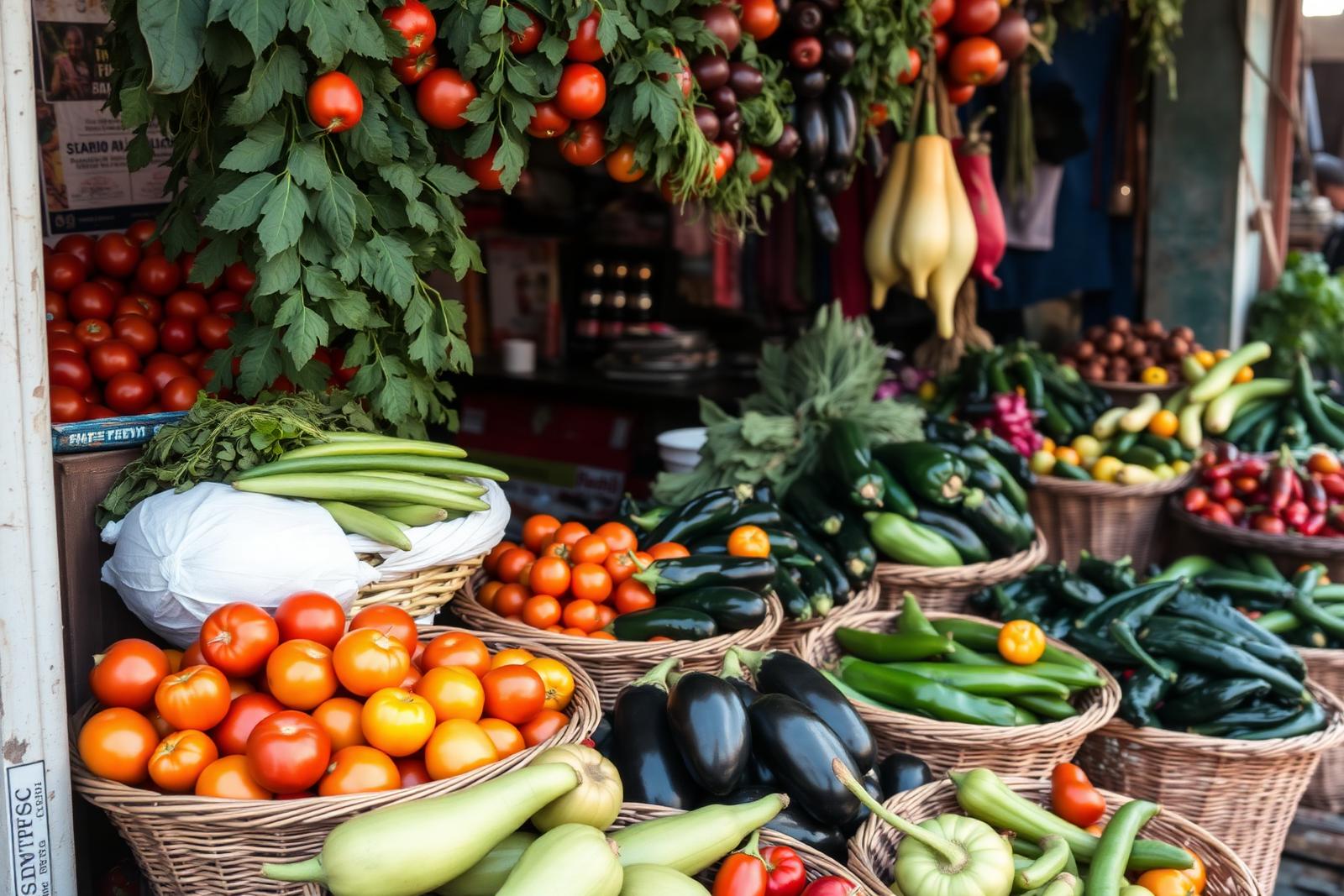
A bright market stall of fresh seasonal vegetables
Beyond the plate

Vegan lifestyle

The same ethic, applied to the rest of life.

Food has many familiar plant alternatives, though availability varies by product and location. Other parts of the household may take more research: shoes, sofas, soap, the holiday you booked before going vegan. These choices reward thinking ahead rather than improvising at the till.

19 kgtextiles bought per person
16 kgtextile waste per person
11.1 kgnot collected separately
2013full EU cosmetics testing ban

Clothing

Leather, wool, silk, down, fur, suede and exotic skins are animal products. Cotton, linen, hemp, organic bamboo, recycled polyester, Tencel, cork, piñatex (pineapple leaf), apple leather, mushroom leather and recycled rubber are all viable replacements depending on the use. The most ethical wardrobe is the one already in your cupboard — wear out what you have and replace it with non-animal alternatives.
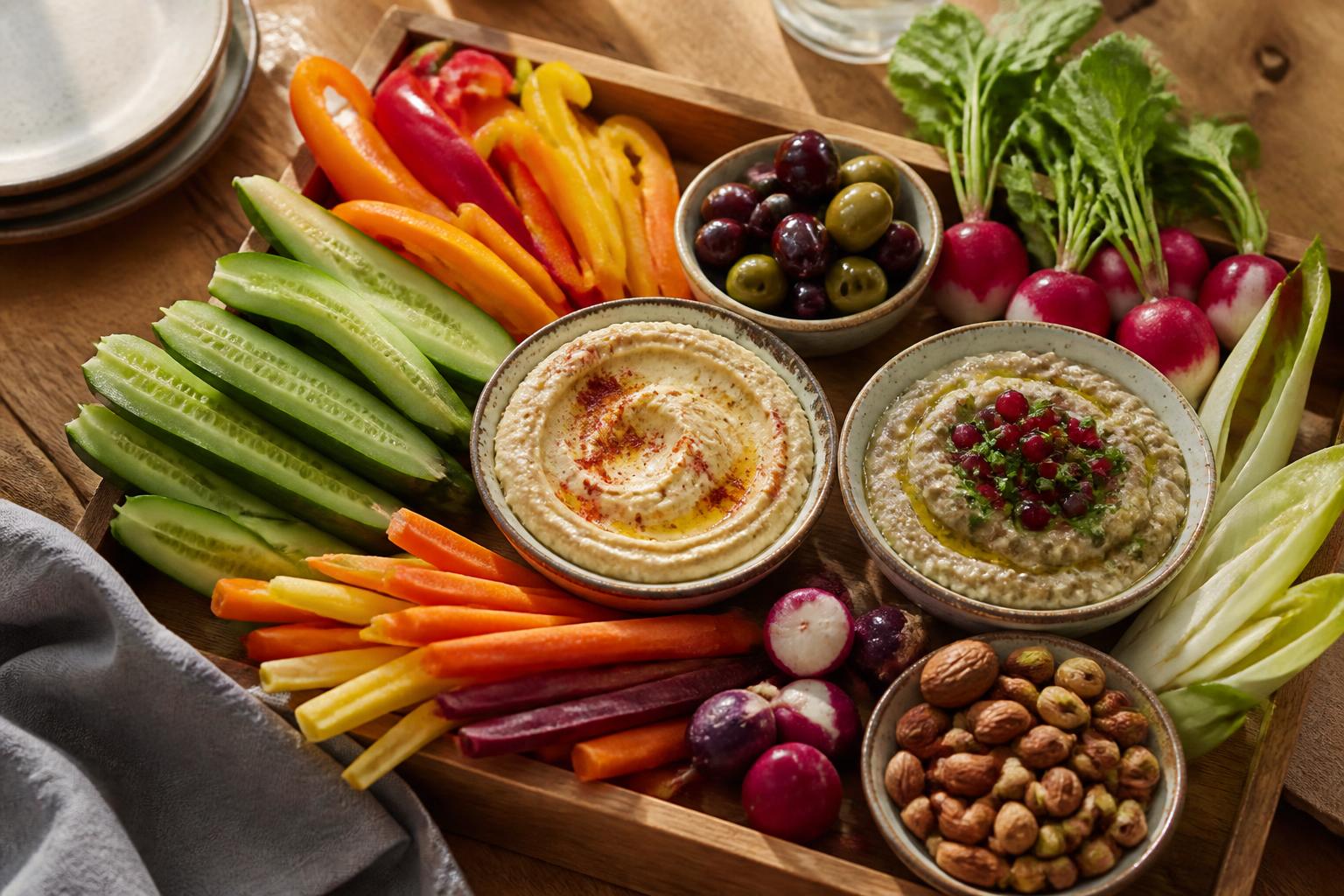
A wooden tray of vegetables, dips, olives and nuts
Beyond the plate begins at the plate.

Cosmetics and toiletries

Leaping Bunny, run internationally by Cruelty Free International, addresses animal testing, not necessarily animal ingredients; the Vegan Society trademark covers both. Ingredients to check include carmine (E120, from cochineal scale insects), shellac, lanolin, beeswax, animal-derived keratin, collagen, gelatine, casein, tallow and shark-derived squalene. Supermarket formulations vary, so check certification and ingredients rather than assuming own-brands are vegan.

Home and furniture

If you have leather sofas, wool rugs or down duvets bought before going vegan, the ethical move is to keep using them until they wear out. Throwing them out does not bring the animal back; it sends the product to landfill and forces you to buy a replacement, which has its own footprint. Replace, don't discard.

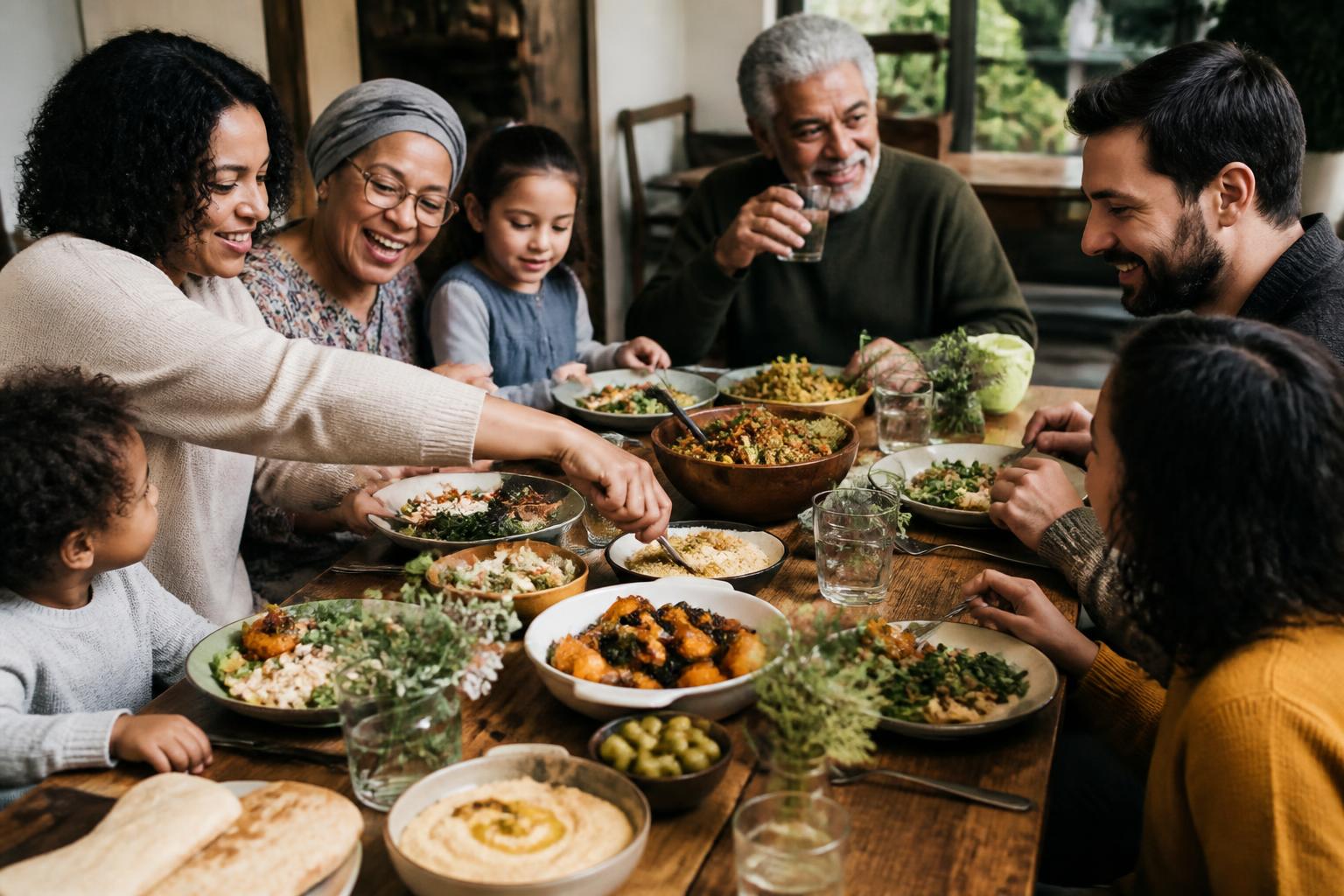
A diverse family sharing a meal
Living vegan day-to-day is less about purity and more about quiet defaults.

"The most ethical wardrobe is the one already in your cupboard."

Travel

Choosing vegan food in restaurants abroad is easier than ever — apps like HappyCow map vegan and vegan-friendly places in nearly every city. Avoid 'animal tourism': elephant rides, tiger selfies, dolphin shows, donkey rides, pony treks, horse-drawn carriages, captive marine parks. Snorkelling with wild fish, visiting accredited sanctuaries and watching wildlife in their habitat are all compatible with veganism.

Medication and healthcare

Veganism is 'as far as is possible and practicable.' Take medicines your doctor prescribes; do not stop or change treatment without medical advice. Many medicines have involved animal testing, but requirements vary and regulators are expanding alternatives. Ask your pharmacist about gelatine-free capsules where suitable alternatives exist.

Replacing common items, by category

Shoes

Synthetic leather, cork, recycled rubber, cotton canvas. Brands: Veja (some lines), Will's Vegan Store, Doc Martens 'Vegan' line.

Jackets

Recycled-polyester or primaloft insulation replaces down; technical synthetics replace wool.

Bags and wallets

Apple leather, piñatex, recycled-tyre rubber and waxed cotton are all hard-wearing.

Mattresses

Many memory-foam, latex and pocket-spring mattresses are wool-free; latex may be natural, synthetic or blended. Read the full specification for animal-derived materials.

EU textile consumption per person

Totals for 2019 and 2022, plus the three 2022 components. Do not add all bars together.

kg per person per year

  • All textiles, 201917
  • All textiles, 202219
  • Clothing, 20228
  • Footwear, 20224.4
  • Household textiles, 20227.6

European Environment Agency, textile consumption indicator, 2025

Beyond the plate, in numbers

19 kg
textiles bought per person
EU, 2022: clothing, footwear and household textiles; EEA
16 kg
textile waste per person
EU, 2022 estimate, including household textiles; EEA
11.1 kg
not collected separately
Textiles and shoes per EU resident in 2022; EEA
2013
full EU cosmetics testing ban
Final marketing-ban deadline; European Commission

Animal vs. plant alternatives in the wardrobe

Animal sources, welfare concerns and alternatives; carbon impacts depend on production and assessment boundaries.

MaterialAnimals harmedCO₂e per kgPlant or recycled alternative
WoolSheep (mulesing in some systems; eventual slaughter)Varies by production systemOrganic cotton, hemp, recycled polyester
LeatherCattle (a slaughter co-product)Varies by processing and allocationCactus, apple, mushroom, recycled PET
SilkSilkworms (boiled in cocoon)Varies by production systemTencel, modal, other plant-derived fabrics
DownDucks, geese (live-plucking is a welfare risk)Varies by processing and allocationPrimaLoft, Thermore, recycled polyester
FurMink, foxes (farmed and killed for pelts)Varies by species and productionFaux fur from recycled fibres

Sources: Higg MSI methodology; Textile Exchange materials guidance. No directly comparable carbon figures supplied.

The everyday objects nobody mentions

Veganism touches more than the dinner plate: beeswax on some dental floss, casein in some paints, bone char used to refine some cane sugar, and fish-derived isinglass used to clarify some beers. Check products when practical rather than assuming every formulation is the same. Cruelty-free directories address testing; check vegan ingredients separately. Barnivore lists information about wines and beers.

Travel without compromise

HappyCow can help you find vegan-friendly places, and accommodation with a kitchen gives you another option. Pack a small bag of nuts, dried fruit and instant oats when suitable — airport choices vary. Many airlines offer a VGML meal by advance request, but deadlines and availability depend on the airline and route; confirm before flying.

Wardrobe, slowly

Don't bin existing leather, wool or silk; wear them out and replace with plant or recycled materials when they're done. The fashion industry is one of the world's heaviest polluters — every garment kept in use is a small environmental win regardless of fibre. New buys: cotton, linen, hemp, Tencel, recycled polyester, plant leathers (cactus, apple, mushroom).

Where EU textiles end up

Consumption and waste per person in 2022. Separate indicators, not parts of one total.

kg per person per year

  • Textiles bought19
  • Total textile waste16
  • Collected separately4.6
  • Not collected separately11.1

European Environment Agency, textile consumption and waste indicators, 2025

How a lifestyle shift usually unfolds

  1. Month 1

    Audit the bathroom

    Check ingredients and animal-testing policies — they are separate questions. Replace products as they run out.

  2. Month 3

    Review clothing purchases

    Repair and reuse what you own. When replacing items, weigh non-animal materials alongside durability and care.

  3. Month 6

    Pets, gifts and travel

    Talk to a veterinarian before changing a pet's diet. Let friends know your gift preferences and research travel options ahead.

  4. Year 1+

    Review your routines

    Keep the habits that work for you and check unfamiliar products rather than assuming all alternatives are equal.

Where to look first when replacing things

Shoes and bags

Alternatives using cactus, apple, pineapple and mushroom materials are available from some brands. Many contain synthetic coatings or binders; check composition and durability. Prices vary, including for recycled-PU products.

Wool and down

Recycled polyester insulation, kapok and Tencel can suit different clothing needs, but warmth and drying speed depend on garment design. A suitable second-hand layer can avoid a new purchase; no material is always the lowest-impact option.

Cosmetics

The Vegan Society logo covers animal ingredients and testing. Leaping Bunny addresses testing, so check vegan ingredients separately. 'Not tested on animals' alone does not mean the ingredients are vegan.

Cleaning products

Check cleaning products individually for vegan ingredients and a credible animal-testing policy or certification. Brand policies and formulations can change; a back-label check alone cannot establish whether a product is cruelty-free.

Frequently asked

Are second-hand leather shoes vegan?

Opinions differ. Some people keep or buy second-hand leather to avoid waste; others avoid acquiring animal-derived products even second-hand. Choose the approach that fits your values.

What about wool from rescued sheep?

Many wool breeds need shearing for welfare because they do not shed enough fleece naturally. That does not make the fleece non-animal-derived. Sanctuaries differ in how they use or dispose of it, and vegans differ over using wool from rescued sheep.

Is silk vegan?

No. Silkworms are boiled alive inside their cocoons to keep the silk thread intact. 'Peace silk' lets the moths emerge first but is still an animal product.

Can I keep my leather sofa?

Yes. Use it until it wears out. Replacing it early creates waste and demand for new manufacturing.

Lifestyle questions

Is wool really cruel? The sheep need shearing.

Many wool breeds need shearing to prevent welfare problems, but handling and shearing can also cause injuries. Mulesing removes skin around a lamb's breech to reduce flystrike risk and remains a concern in Australian wool production; pain-relief rules vary by state. Wool sheep may eventually be slaughtered, at ages that vary by system. Choosing non-animal alternatives avoids buying newly produced wool.

What about pearls, honey and beeswax?

All three involve animals (oysters, bees). Most vegans skip them; some draw a line at insects. Plant waxes (candelilla, carnauba) and agave or maple syrups are direct substitutes.

Are vegan cars a thing?

Many manufacturers (Tesla, Polestar, BMW) now offer all-cloth or vegan-leather interiors as standard or upgrades. Ask when ordering.

How do I handle gifts?

Thank, then quietly re-home or donate non-vegan gifts. The animal product is already produced; the priority is to signal to the gift-giver — kindly — what you'd like next year.

What the evidence says

Veganism is a lifestyle that extends beyond the plate — here is what the research shows about its wider footprint.

  1. EU law bans animal testing for cosmetics.

    The European Commission dates the EU ban on testing finished cosmetic products on animals to 2004 and on ingredients to 2009. The remaining marketing-ban provisions applied from March 2013, whether or not alternative tests were available. Not every safety endpoint yet has a validated non-animal replacement.[1]

  2. Using clothes for longer reduces demand for new textiles.

    The European Environment Agency estimates that EU residents consumed about 19 kg of clothing, footwear and household textiles per person in 2022. Its indicators support buying less, repairing and reusing. Environmental impacts of leather, wool and synthetic alternatives depend on how each is produced.[2]

  3. Veganism extends beyond food.

    The Vegan Society defines veganism as seeking to exclude, as far as is possible and practicable, all forms of animal exploitation and cruelty for food, clothing or any other purpose. That scope covers cosmetics, clothing, household products and entertainment.[3]

Take it one shelf at a time

You don't need a perfectly vegan house tomorrow. Decide on one category — shoes, or shampoo, or cleaning products — and convert it the next time you reorder.

Key takeaways

  • Wardrobe, personal care, and travel all have low-friction plant-based options today.
  • 'Cruelty-free' and 'vegan' labels differ — check both if it matters to you.
  • Home cooking, meal planning and batch prep are the biggest quality-of-life upgrades.
  • The best routines are boring, cheap, and repeatable — not aspirational.

Share this page

Share on XShare on FacebookShare on WhatsApp

Frequently asked questions

Fabric, canvas, recycled polyester and mushroom/apple leathers now cover shoes, belts, wallets and jackets at every price point.

Keep reading

Beyond the plate

Where the rest of it shows up: clothing, cosmetics, homes and money

Food is the largest lever by a wide margin, but the same supply chains run through wardrobes, bathrooms, household products and pension funds. None of these require perfection, and treating them as a checklist of purity is the fastest route to giving up. Treated as a slow substitution, they are almost frictionless.

Clothing: materials, not brands

Leather, wool, silk, down and fur are animal materials; the alternatives range from excellent to poor depending on use. Recycled synthetics perform well for insulation and outerwear but shed microplastics; plant fibres — organic cotton, linen, hemp, Tencel — work well for everyday wear; newer materials from mycelium, cactus and grape waste are improving but still niche. The most environmentally sound wardrobe decision, in every material analysis, is to buy less and keep it longer.

Cosmetics and cleaning: two separate questions

Animal ingredients (lanolin, carmine, beeswax, collagen, keratin, tallow) and animal testing are different issues with different regulations. Testing bans exist in the EU, UK, India, Israel and elsewhere, while other markets still require it for some categories. Cruelty-free certification addresses testing; ingredient lists address content. A product can satisfy one and not the other.

The home is mostly invisible

Down bedding, wool insulation, leather furniture, bone char in some sugars, animal-derived glues in older furniture and gelatine in photographic paper are the usual surprises. Replacing them as they wear out is both cheaper and environmentally better than discarding functional items.

Money is the largest hidden lever

Pensions, savings and index funds routinely hold meat, dairy and fast-food companies. For many people the amount of capital indirectly invested in animal agriculture exceeds a lifetime of personal grocery spending. Screened funds exist in most markets, and switching a workplace pension is often a single form.

Entertainment, travel and gifts

Zoos, aquaria, elephant rides, racing and marine parks are the routine friction points. The substitutes are sanctuaries with no-breeding, no-contact policies and wildlife observation in situ. For gifts, the practical rule is to ask rather than assume: most people would rather give something wanted than something correct.

Common materials and their alternatives

Animal materialWhere it appearsAlternativesTrade-offs
LeatherShoes, bags, jackets, furnitureRecycled PU, cactus, mycelium, corkDurability varies; PU is plastic-based
WoolKnitwear, suits, insulationCotton, hemp, Tencel, recycled acrylicWarmth-to-weight harder to match
DownDuvets, winter coatsRecycled polyester fill, kapokBulkier for the same warmth
SilkShirts, linings, tiesCupro, Tencel, viscoseClose visual match, cheaper
LanolinMoisturisers, lip balmShea, plant squalane, glycerinDirect equivalent
Carmine (E120)Cosmetics, sweets, drinksBeetroot, paprika, synthetic dyesDirect equivalent
BeeswaxBalms, polish, candlesCandelilla, carnauba, soy waxDirect equivalent
Bone charSome refined cane sugarBeet sugar, unrefined caneRegional; varies by refinery

Material composition standards · cosmetic ingredient databases

A no-waste sequence

Nothing here requires throwing away things that work.

  1. 1

    Change nothing you already own

    Discarding functional leather shoes helps no animal and creates waste. Replace at end of life.

  2. 2

    Set the default for the next purchase

    Decide once — shoes, coats, bedding — and the decision stops needing attention.

  3. 3

    Audit the bathroom over one month

    Check ingredients as products run out rather than all at once.

  4. 4

    Move the pension

    One form, one afternoon, and typically the largest single change on this page.

  5. 5

    Pick sanctuary over spectacle

    For days out, choose places that do not breed, trade or make animals perform.

Keeping it sustainable

Works long term

  • Replacing at end of life rather than in a single purge
  • Learning three or four ingredient names rather than memorising lists
  • Using apps or databases for quick ingredient checks
  • Choosing durability over volume; fewer, better items
  • Accepting second-hand animal materials as a defensible personal choice

Leads to burnout

  • Treating every product as a moral examination
  • Replacing functional items to feel consistent
  • Assuming 'cruelty-free' also means free of animal ingredients
  • Ignoring the pension while auditing shampoo
  • Judging others on categories you only recently learned about yourself

Beyond food

Should I throw out my leather shoes?

No. Discarding usable items creates waste without helping any animal. Wear them out, then replace with something else.

Is 'cruelty-free' the same as vegan?

No. Cruelty-free refers to animal testing; vegan refers to ingredients. Products are frequently one and not the other.

Are synthetic leathers better environmentally?

It depends on the metric. Most plastic-based alternatives have lower land, water and emissions footprints than bovine leather but contribute to microplastics. Durability and use time dominate either way.

Is wool not a by-product?

It is a co-product with its own economics, including mulesing in some regions and slaughter of animals at the end of productive life. Practices vary substantially by country and farm.

How do I check my pension?

Ask your provider for the fund's holdings and whether a screened or ethical option is available. Most workplace schemes offer at least one alternative fund.

What about pets that eat meat?

Dogs are omnivorous and there is a growing evidence base for well-formulated plant-based dog food; cats are obligate carnivores and require taurine and other nutrients that need careful formulation and veterinary supervision.

References

  • EU Cosmetics Regulation 1223/2009 — animal testing provisions
  • Higg Materials Sustainability Index — comparative material impacts
  • Cosmetic ingredient databases (INCI) for animal-derived substances
  • Peer-reviewed work on nutritionally complete plant-based pet diets
Vegan but not left

Animal rights belong to no party

Why animal rights belong to no party — and what political capture cost the movement.

Continue →