01
Animali
Più di 80 miliardi di animali terrestri vengono uccisi ogni anno per l'alimentazione. Ognuno di loro è un individuo con la volontà di vivere. Dobbiamo loro, come minimo, il nostro rifiuto di partecipare.
Quattro ragioni che convergono in un'unica scelta. La causa del veganismo non si basa su un solo argomento — ma su molti, che si rafforzano a vicenda.
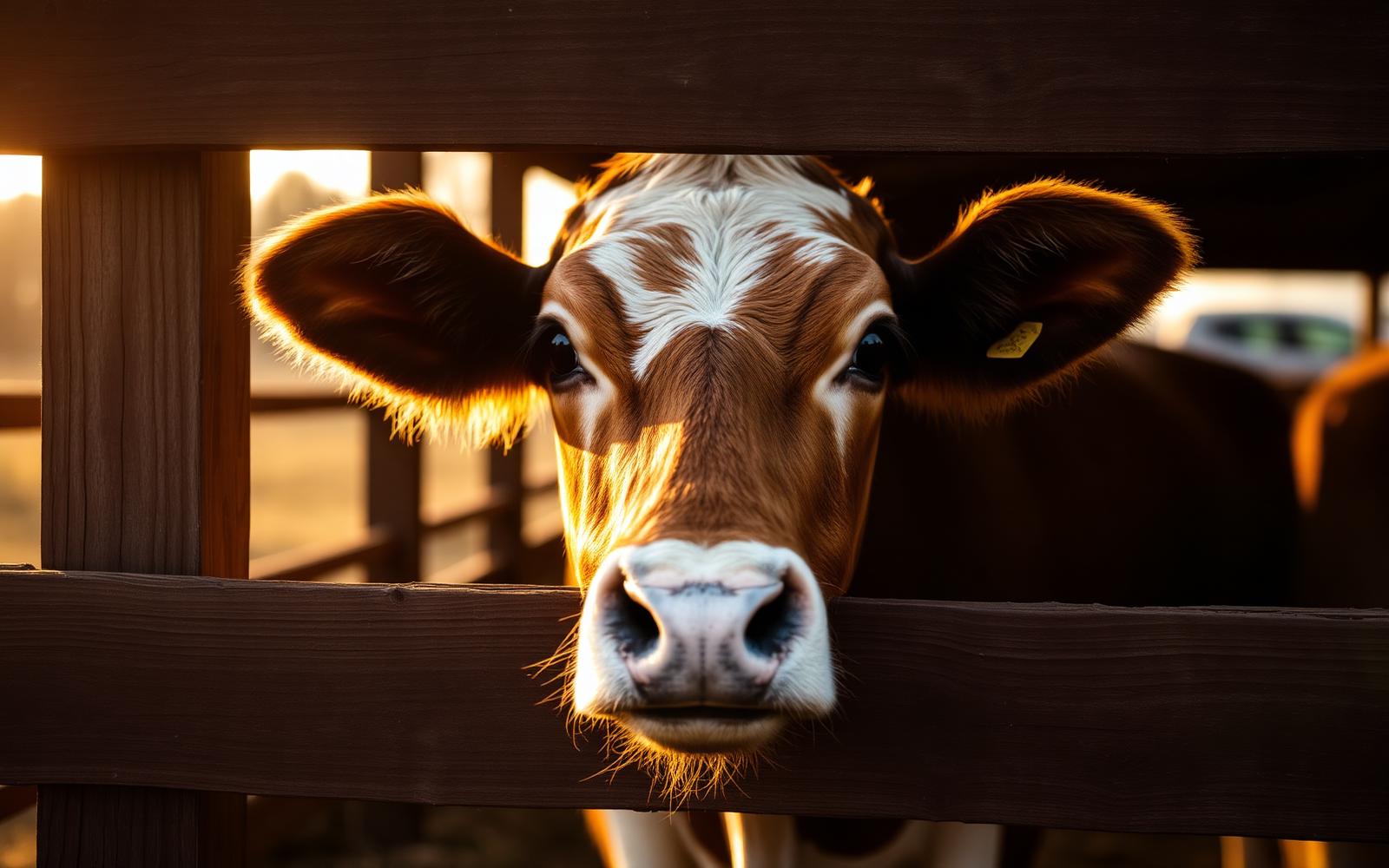
Più di 80 miliardi di animali terrestri vengono uccisi ogni anno per l'alimentazione. Ognuno di loro è un individuo con la volontà di vivere. Dobbiamo loro, come minimo, il nostro rifiuto di partecipare.
L'allevamento di animali è una delle principali cause di deforestazione, perdita di biodiversità e zone morte negli oceani, oltre a essere un grande consumatore di acqua dolce. Passare a un'alimentazione a base vegetale è una delle riduzioni maggiori che un individuo possa apportare alla propria impronta ambientale.
Le diete a base vegetale di alimenti integrali sono collegate a un minor rischio di malattie cardiache, diabete di tipo 2 e alcuni tipi di cancro, il che è particolarmente importante laddove l'assistenza sanitaria è meno accessibile.
Le comunità che subiscono per prime e in modo più grave gli effetti del cambiamento climatico sono le stesse che ne sono meno responsabili. La sovranità alimentare e le diete tradizionali a base vegetale sono strumenti di resistenza.
Non si tratta di casi isolati o di operatori disonesti. Questa è la prassi standard, controllata e regolamentata nelle quattro più grandi industrie di prodotti animali del mondo.
Dietro l'etichetta pulita di un supermercato si nasconde il più grande e celato sistema di sofferenza animale nella storia umana.
I pulcini si schiudono in incubatrici industriali e non incontrano mai le loro madri; i maialini vengono solitamente svezzati a tre o quattro settimane. La maggior parte degli animali allevati intensivamente non sente mai l'erba, la luce solare o l'aria aperta, e l'allevamento selettivo ha spinto molti oltre il punto di salute funzionale.
Scornazione, marchiatura, castrazione, taglio del becco, taglio della coda — spesso eseguiti senza sollievo dal dolore. Questi non sono abusi di cattivi attori. Sono pratiche standard del settore.
Il bestiame rappresenta circa il 12–15% di tutte le emissioni di gas serra — paragonabile alle emissioni di scarico dell'intero settore dei trasporti globale. È il principale motore della deforestazione tropicale e una causa importante delle zone morte oceaniche.
La carne lavorata è classificata come cancerogeno di Gruppo 1 dall'OMS — la stessa categoria di evidenza del tabacco, sebbene non lo stesso livello di rischio. Il lavoro nei macelli ha uno dei tassi di infortuni più alti di qualsiasi industria.
Il latte è il latte di un mammifero. Produrlo su scala industriale richiede un sistema di riproduzione forzata e separazione familiare.
Le mucche da latte vengono inseminate ogni anno. I loro vitelli vengono portati via entro poche ore in modo che il latte destinato a loro possa essere venduto. Le vitelle femmine entrano nello stesso ciclo. I vitelli maschi vengono venduti per la carne di vitello o di manzo, e in alcuni paesi uccisi poco dopo la nascita.
L'aspettativa di vita naturale di una mucca è di circa vent'anni. Le mucche da latte vengono macellate a quattro o cinque anni, con i corpi logorati da gravidanze ripetute e infezioni alle mammelle.
I latticini sono tra gli alimenti a più alta intensità di consumo di acqua e suolo sulla terra. Le lagune di liquami rilasciano nitrati nei corsi d'acqua. Il metano delle mandrie da latte è uno dei principali responsabili del riscaldamento a breve termine.
Circa due terzi degli adulti in tutto il mondo non digeriscono completamente il lattosio — è lo stato umano predefinito. Il fabbisogno di calcio può essere soddisfatto con bevande vegetali fortificate, tofu al calcio, verdure a basso contenuto di ossalati come cavolo riccio e bok choy, e legumi.
Anche le uova 'da allevamento a terra' e 'all'aperto' provengono da un sistema basato sull'uccisione sistematica.
I pulcini maschi delle razze ovaiole non possono deporre uova e crescono troppo lentamente per la carne. Si stima che 6–7 miliardi vengano macinati vivi o gasati entro poche ore dalla schiusa ogni anno.
La maggior parte delle galline ovaiole in tutto il mondo è ancora in gabbia; una gabbia convenzionale in batteria offre a ogni gallina meno spazio di un foglio di carta. 'Allevato a terra' solitamente significa decine di migliaia di uccelli stipati in un capannone.
Una volta che la produzione di uova diminuisce, le galline vengono mandate al macello a circa 18 mesi o due anni di età. La loro durata di vita naturale è otto anni. Sono state selezionate per deporre circa 300 uova all'anno — i loro antenati selvatici ne depongono da 10 a 15.
Gli animali dimenticati del sistema alimentare — e la più grande causa di morte animale sulla terra.
Quasi nessuna legge sul benessere copre i pesci. Vengono tirati su dalle profondità così velocemente che le loro vesciche natatorie si rompono, sventrati mentre sono ancora coscienti sul ponte; granchi e aragoste vengono spesso bolliti vivi.
Più di un terzo degli stock di pesci selvatici valutati è sovrasfruttato. Le reti a strascico setacciano il fondale marino e possono distruggere habitat, come i coralli d'alto mare, che hanno impiegato secoli per formarsi.
I pesci d'allevamento sono tenuti in gabbie infestate da malattie dove i pidocchi di mare li divorano vivi. Molte specie d'allevamento richiedono pesce selvatico come mangime.
Most people who change how they eat do so because of one reason that reaches them personally — and only later encounter the others. All four pillars are real. You don't need to believe all of them to act on any one of them.
More than 80 billion land animals are killed for food each year. Each is a sentient individual capable of fear, pain, preference, and relationship. The question of whether to cause that suffering at industrial scale is the most direct ethical question the food system raises. It does not require any environmental or health argument to be answered.
Livestock agrifood systems accounted for around 12% of human-caused greenhouse gas emissions in 2015 (FAO, 2023). Grazing and feed production occupy most agricultural land while animal foods supply a much smaller share of calories. Livestock production also contributes to deforestation, biodiversity loss, water use, and nutrient pollution. No climate strategy that ignores food is complete.
The Academy of Nutrition and Dietetics states that appropriately planned vegetarian and vegan diets can be nutritionally adequate for adults and offer cardiometabolic health benefits. Advice for pregnancy and childhood requires particular care: professional bodies differ in their recommendations, and evidence for vegan children remains limited. Food quality, supplementation, and individual needs matter.
Factory farming concentrates its harms on communities without political power: slaughterhouse workers — disproportionately migrants and low-income workers — living near feedlots, small farmers undercut by subsidised industrial competitors, and communities in the Global South bearing the worst of climate and land-use impacts they did not cause. The system is not neutral.
The word 'cruelty' in the context of animal agriculture is sometimes used to mean exceptional, rogue behaviour. It is not. The practices described below are standard, audited, and legal in most of the world's largest food-producing nations. They are not the result of bad actors; they are the result of systems optimised for throughput.
Understanding this matters because it means the problem is not fixable by better enforcement of existing rules. The practices are the rules. The solution, where one is available, lies in the structure of demand — which is why food choices are one of the few levers that individuals, families, and institutions can pull directly.
Battery cages for laying hens give each bird roughly the area of an A4 sheet of paper for its entire life. Gestation crates for breeding sows are too narrow for the animal to turn around. These are not outliers — they house the majority of egg-laying hens and breeding pigs in many countries.
On many dairy farms, calves are removed from their mothers within hours of birth and reared separately. Separation can cause distress, including increased calling, with responses influenced by the duration of contact and the separation method. Some commercial farms maintain longer cow–calf contact, so practices vary.
Beak trimming in chickens, tail docking in pigs, and castration of male piglets and calves are painful procedures whose use and pain-relief requirements vary by country. Beak trimming and tail docking aim to reduce injurious pecking and tail biting; castration serves other production purposes. Better housing and management can reduce some of these interventions.
Broiler chickens are selectively bred to reach slaughter weight in 35–42 days — a rate so fast that many cannot support their own body weight. Heart failure, leg deformities, and difficulty walking are common. The birds that arrive at slaughter already live in chronic discomfort.
A 47-minute documentary showing the standard practices of UK animal agriculture — including the so-called "high welfare" farms.
 YouTube
A major meta-analysis covering 38,700 farms, 40 food products, and 119 countries. Estimated that animal products use 83% of farmland while providing 18% of calories, and found that even lower-impact animal products typically have greater impacts than vegetable substitutes.
The UN Food and Agriculture Organization's primary analyses of livestock's contribution to greenhouse gas emissions, land use, and water. The 2013 update estimated livestock at 14.5% of global GHG emissions.
The Academy's current position states that appropriately planned vegetarian and vegan dietary patterns can be nutritionally adequate for adults and offer long-term cardiometabolic health benefits.
The International Agency for Research on Cancer classified processed meat as a Group 1 carcinogen and red meat as a Group 2A probable carcinogen, based on review of over 800 studies.
The Intergovernmental Science-Policy Platform on Biodiversity and Ecosystem Services identified land-use change as the greatest direct driver of change in terrestrial and freshwater ecosystems, and direct exploitation as the greatest driver in marine ecosystems.
"Le ragioni del veganismo non sono una sola. Sono molte - ognuna abbastanza forte da reggersi da sola, e più forti insieme."
Inizia il tuo percorso di 7 giorniThe clearest case for going vegan — animals, health and planet on one page: