01Nutrition
Myth: You can't get enough protein on a vegan diet.
A varied, well-planned plant diet can meet protein requirements when enough food and protein-rich staples are eaten.
Lentils, beans, tofu, tempeh, seitan, peas, peanuts, whole grains, nuts and seeds contribute protein. The Academy of Nutrition and Dietetics confirms that appropriately planned vegan diets can be nutritionally adequate in adults.
Source · Academy of Nutrition and Dietetics, 2025 position paper
02Nutrition
Myth: Plant protein is 'incomplete'.
Eaten across a normal day, plants supply every essential amino acid.
The 'complementary protein' idea from the 1970s was retracted by its own author. Soy, quinoa, buckwheat and amaranth are complete proteins on their own; legumes plus grains across a day cover the rest.
03Nutrition
Myth: Vegans are always deficient in B12.
B12 is made by microorganisms. Vegans need a reliable source from supplements or fortified foods.
Check fortified-food labels or take a B12 supplement consistently. Needs and suitable doses depend on age, absorption and medical circumstances.
04Nutrition
Myth: Soy causes hormone problems in men.
Meta-analyses of human trials show no effect of soy on testosterone or estrogen levels.
A 2021 meta-analysis of 41 studies (Reed et al., Reproductive Toxicology) found neither soy nor isoflavones affected testosterone, free testosterone, or estradiol in men.
05Nutrition
Myth: Vegan diets aren't safe for children.
Vegan diets for children require careful planning, supplementation and professional monitoring; evidence on growth remains limited.
Work with a pediatric dietitian on adequate energy, protein, B12, vitamin D, iodine, omega-3, iron and calcium, and monitor growth and nutrient status.
06Nutrition
Myth: You can't be a vegan athlete.
Vegan athletes win Olympic medals, Grand Slams, Tour de France stages and ultramarathons.
Patrik Baboumian (strongman), Venus Williams (tennis), Lewis Hamilton (F1), Scott Jurek (ultrarunning), the Tennessee Titans' plant-based defensive line — the list keeps growing.
07Nutrition
Myth: Iron from plants doesn't absorb.
Plant non-heme iron is less readily absorbed; vitamin C helps, while tea and coffee with meals can inhibit uptake.
Lentils, tofu, pumpkin seeds and fortified grains contribute iron; add citrus, peppers or tomatoes. Needs vary, and deficiency may require clinician-guided supplements.
08Nutrition
Myth: Calcium only comes from dairy.
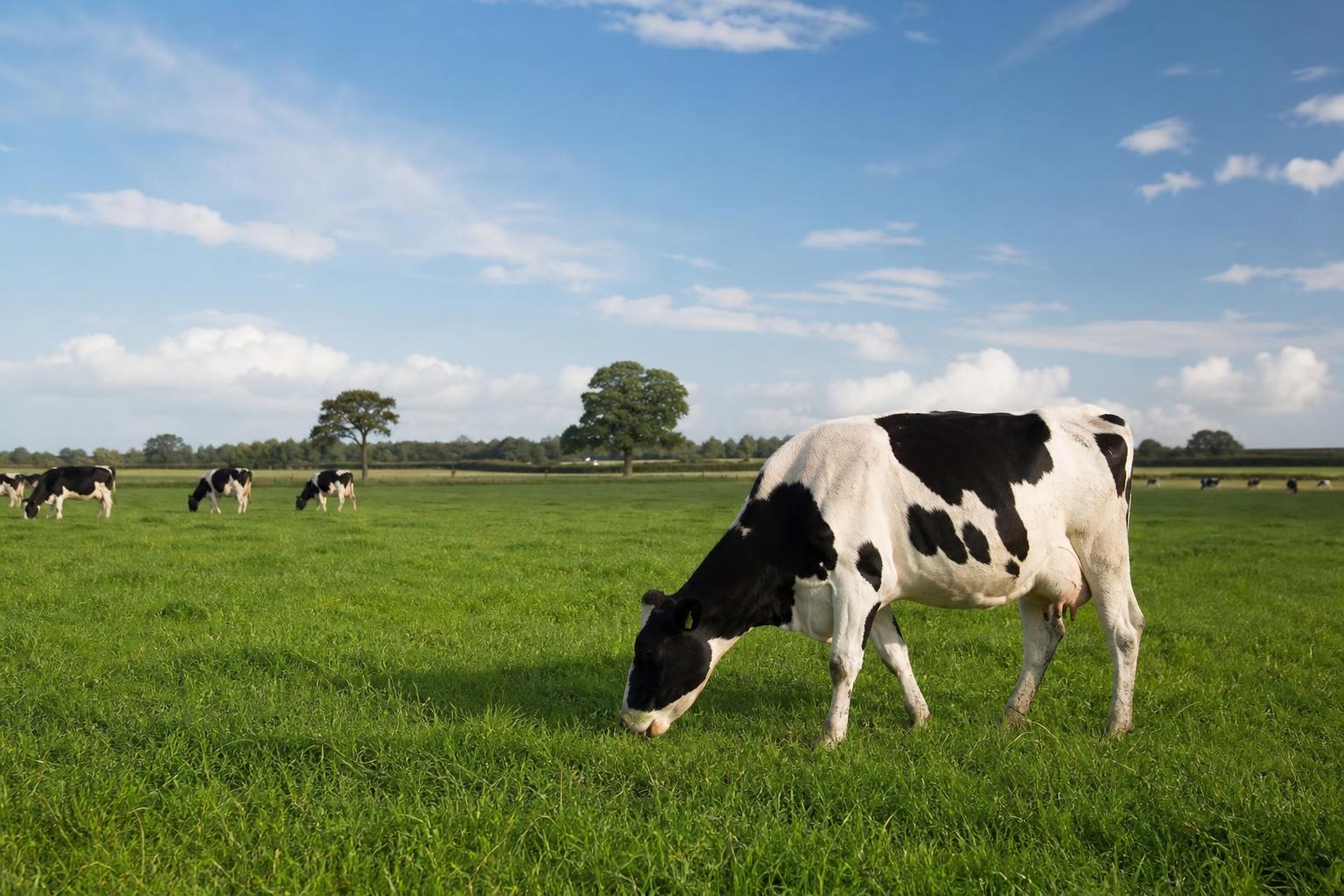
Calcium comes from soil. Cows get it from grass; you can skip the cow.
Calcium-set tofu, fortified plant milks, kale and bok choy can supply substantial calcium. Tahini, almonds, figs and beans contribute too; amounts and absorption vary.
09Nutrition
Myth: Vegan food is all ultra-processed.
The cheapest, most traditional plant foods are whole: beans, rice, lentils, vegetables, fruit.
Vegan junk food exists — like every junk food — but the global plant-based diet is largely whole-food cuisines: Ethiopian shiro, Indian dal, Mexican beans and rice, Levantine mezze, Italian pasta e fagioli.
10Nutrition
Myth: Humans evolved to eat meat, so we need it.
Humans evolved to eat almost anything that worked. What we evolved to do isn't what we should keep doing.
Our ancestors also walked into starvation regularly. Today, we choose from a stable supply. Modern nutrition science, not evolutionary trivia, tells us what keeps us healthy now.
11Animals
Myth: Animals raised for food have happy lives.
Industrial confinement is widespread, especially in poultry and pig production, but there is no single standardized global percentage.
Cage-free, free-range and organic labels improve some metrics but still involve forced reproduction, separation of mothers from young, mutilations like beak-trimming, and slaughter at a small fraction of natural lifespan.
12Animals
Myth: Cows need to be milked.
Cows produce milk only after pregnancy, to feed their calf — not to feed humans.
Dairy cows are commonly artificially inseminated and calves often separated soon after birth. Some females become replacements; male calves may enter veal or beef production.
13Animals
Myth: Eggs are a 'gift' chickens give freely.
Modern laying hens have been bred to produce ~300 eggs a year vs. ~12 for their wild ancestors, exhausting their bodies.
Many hatcheries kill male layer chicks because they do not lay eggs. In-ovo sexing and some dual-purpose systems avoid this; practices vary by country and supplier.
14Animals
Myth: Fish don't feel pain.
Fish have nociceptors, opioid receptors, and behavioral responses to harm consistent with pain perception.
Peer-reviewed reviews in Animal Cognition, Fish and Fisheries, and Animal Sentience all conclude fish are capable of pain. The estimate is 1–3 trillion fish killed per year for food.
15Animals
Myth: Humane slaughter solves the problem.
Stunning can fail, so slaughter systems require checks for unconsciousness and prompt backup stunning.
Failed stunning creates a risk of conscious bleeding if checks and backup measures fail. Slaughter welfare also includes handling, restraint and transport.
16Animals
Myth: Bees suffer no harm in honey production.
Bees show evidence relevant to possible sentience; managed colonies face disease, pesticides and stresses from some beekeeping practices.
Queens are sometimes wing-clipped; honey is replaced with sugar water; colonies are trucked across continents for pollination contracts, with high transit losses.
17Animals
Myth: Wool is harmless — sheep need to be sheared.
Domesticated wool sheep need shearing because they were bred for excess wool; wild sheep shed naturally.
Some Australian wool production uses mulesing, which removes skin around the breech; pain relief is required in some jurisdictions. Live export creates additional welfare risks.
18Animals
Myth: Leather is just a byproduct of meat.
Leather is a co-product worth billions; it shares the supply chain and the cost.
Hide sales contribute revenue to cattle production, linking leather to the meat and dairy supply chain. The economic importance of hides varies with market prices.
19Environment
Myth: Eating local matters more than eating plant-based.
Transport is under 10% of food emissions for most products. What you eat matters more than where it came from.
The 2018 Poore & Nemecek meta-analysis in Science showed that switching from beef to local plant alternatives cuts emissions much more than buying local beef.
20Environment
Myth: Grass-fed beef is climate-friendly.
Grass-fed beef still has substantial methane and land-use impacts; emissions vary with production system and location.
Food Climate Research Network (FCRN, Oxford 2017) found grazing systems cannot offset their own livestock emissions, even under optimistic sequestration assumptions.
21Environment
Myth: Almond milk uses more water than dairy.
Per liter, dairy milk uses about 1.7× the freshwater and 18× the land of almond milk.
Dairy: ~628 L water per liter. Almond milk: ~371 L. Soy and oat milks use even less. (Poore & Nemecek 2018)
22Environment
Myth: Soy is destroying the Amazon, so vegans cause deforestation.
About 77% of global soy is fed to livestock, not eaten by humans.
The vegan you know eating tofu uses a tiny fraction of the soy footprint of someone eating chicken or pork.
23Environment
Myth: Cows are 'carbon-neutral' because their methane is recycled.
Methane is 80× more potent than CO₂ over 20 years. Adding it to the atmosphere warms the planet, full stop.
The 'biogenic methane' argument confuses cycles with stocks. As long as cattle herds stay large, methane stays elevated above pre-industrial baselines.
24Environment
Myth: Going vegan doesn't make a difference on its own.
Diet change is among the largest single climate actions an individual can take.
Poore & Nemecek (2018) estimated that excluding animal products globally could reduce food-related land use by 76% and greenhouse gas emissions by 49%.
25Practical
Myth: Going vegan is expensive.
The cheapest staple foods on Earth — rice, lentils, beans, oats, potatoes, cabbage — are all vegan.
Beans, lentils and grains can make low-cost meals. Costs depend on location and food choices; specialty meat alternatives may cost more than basic staples.
26Practical
Myth: You can't be vegan if you travel.
Almost every cuisine on Earth has historic vegan staples — they're often the cheapest local dishes.
Try Ethiopian shiro, Indian dal, Mexican beans, Italian bean soups, Levantine mezze, pho chay or shojin ryori. Ask about stock, butter, fish sauce and other animal ingredients.
27Practical
Myth: Veganism is all-or-nothing.
Every meal you swap reduces harm. Start with one day a week and grow from there.
Donald Watson helped coin 'vegan' in 1944. The Vegan Society's current definition includes 'as far as is possible and practicable'. Progress can begin with small changes.
28Culture
Myth: Veganism is a Western, white, middle-class thing.
The oldest continuous vegetarian and vegan traditions are South Asian, East Asian, East African, and Mesoamerican.
Jainism (~2,500 years), Buddhist temple cuisine, Hindu Saatvik food, Ethiopian Orthodox fasting, Rastafari Ital, the Bishnoi community, pre-colonial Mesoamerican corn-bean-squash — veganism is older, larger and more global than its modern Western branding.
29Culture
Myth: We've always eaten meat — it's tradition.
We've always eaten plants. Meat was scarce, expensive, and seasonal for almost all humans throughout history.
The average global meat consumption today is several times higher than at any point before the 20th century. Industrial meat is the novelty; plant-based eating is the baseline.
30Culture
Myth: If everyone went vegan, farm animals would go extinct.
Farmed cows, pigs and chickens exist in their current numbers because we breed them in the billions; they wouldn't 'go extinct', they'd stop being created.
Wild relatives have different conservation statuses; the aurochs ancestor of cattle is extinct. Reducing livestock production could free land for habitat restoration.
31Nutrition
Myth: Omega-3 only comes from fish.
Fish get their omega-3s from algae. You can too — directly.
Flax, chia, hemp and walnuts supply ALA; algae oil supplies DHA and sometimes EPA directly. Conversion of ALA to EPA and DHA is limited.
32Nutrition
Myth: Vegan diets cause hair loss.
Hair loss has many causes; insufficient energy or nutrients can contribute on any diet.
If hair thins after a dietary change, seek assessment for nutritional and other causes. Correcting a confirmed deficiency may help, but outcomes depend on the cause.
33Nutrition
Myth: Meat is needed to build muscle.
Muscles are built from amino acids and resistance training, not from animals.
Hundreds of vegan bodybuilders and strength athletes — Patrik Baboumian, Nimai Delgado, Torre Washington — prove the point. Adequate protein from plants does the job.
34Animals
Myth: Lobsters and crabs can't feel pain.
Decapod crustaceans are legally recognized as sentient in the UK and many other jurisdictions are following.
The 2021 LSE review for the UK government found 'strong scientific evidence' decapods experience pain. Boiling them alive remains common practice in most countries.
35Animals
Myth: Dairy is cruelty-free if cows aren't killed.
Dairy cows are slaughtered at ~5 years old, a quarter of their natural lifespan, when milk yield drops.
Calves are commonly separated early, though cow–calf contact systems exist. Male dairy calves may enter veal or beef production, and culled dairy cows also supply beef.
36Animals
Myth: Hunting is more ethical than buying meat.
Both end in killing a sentient being for taste, when plant alternatives exist.
Hunting also wounds many animals that escape to die slowly. 'Wild' meat is a tiny fraction of consumption — the question for almost everyone is whether to buy farmed meat, not whether to hunt.
37Environment
Myth: Lab-grown meat will save us — no need to change now.
Cultivated meat is years from price parity at scale; the climate window is closing now.
The timing and scale of cultivated-meat adoption remain uncertain. The IPCC projects reaching 1.5 °C in the near term; reducing emissions now matters, including through dietary shifts.
38Environment
Myth: We need cattle to maintain grasslands.
Native grasslands evolved with wild herbivores like bison, elk and antelope — not industrial cattle.
Grassland restoration outcomes depend on climate, soils and grazing history. Appropriate grazing, native herbivores or rewilding can each play a role in particular ecosystems.
39Environment
Myth: Plant agriculture kills more animals than meat.
Animal farming also requires feed crops and pasture; reducing animal foods can reduce agricultural land demand.
Livestock uses most agricultural land when pasture and feed cropland are combined. Plant-based diets can substantially reduce land demand, though crop farming also harms wildlife.
40Practical
Myth: Restaurants won't accommodate vegans.
Many restaurants offer vegan options, but availability varies by chain, city and country.
HappyCow lists over 270,000 venues worldwide, including restaurants and shops. Use its filters and a phrase card to ask about ingredients when traveling.
41Practical
Myth: Cooking vegan takes more time.
Quick vegan meals include stir-fries, beans on toast and tomato pasta; dal timing depends on the lentils used.
Canned beans, quick-cooking lentils and frozen vegetables save time. Dried beans and some whole grains take longer, so batch cooking can help.
42Practical
Myth: You'll be hungry all the time.
Plants are bulky — fiber and water keep you full longer per calorie than refined animal foods.
Studies show plant-based meals have higher satiety per calorie than equivalent omnivore meals. The trick is eating enough — not eating less.
43Culture
Myth: Indigenous diets prove humans need meat.
Most pre-industrial cuisines were predominantly plant-based, with meat as a small accompaniment.
The Mediterranean, Andean, Mesoamerican, South Asian, East Asian and East African traditional cuisines are all built on grains, beans, vegetables and fruit with meat as garnish or feast food, not staple.
44Culture
Myth: Veganism imposes Western values on other cultures.
The longest-running plant-based ethical traditions are Indian (Jain, Hindu, Buddhist), Ethiopian, Rastafari and East Asian Buddhist.
Modern Western veganism is a recent borrowing from these traditions, not the other way around.
45Culture
Myth: Vegans are judgemental and joyless.
Most vegans just want to eat dinner. Stereotypes are easier than conversations.
What people often hear as 'judgement' is the discomfort of any value mismatch. The vegans you know are mostly cooking dal, eating burritos, and enjoying their lives.