Il Pianeta

Una delle azioni climatiche più efficaci che chiunque possa intraprendere.

L'allevamento animale è un fattore determinante della deforestazione e della perdita di biodiversità, oltre a essere un importante consumatore di suolo e acqua dolce. Il bestiame emette circa il 12–15% dei gas serra di origine umana, una cifra paragonabile alle emissioni dei tubi di scappamento di tutte le auto, i camion, le navi e gli aerei messi insieme. Passare a un'alimentazione a base vegetale rappresenta una delle riduzioni più significative che un individuo possa attuare.

Una delle azioni climatiche più efficaci che chiunque possa intraprendere.
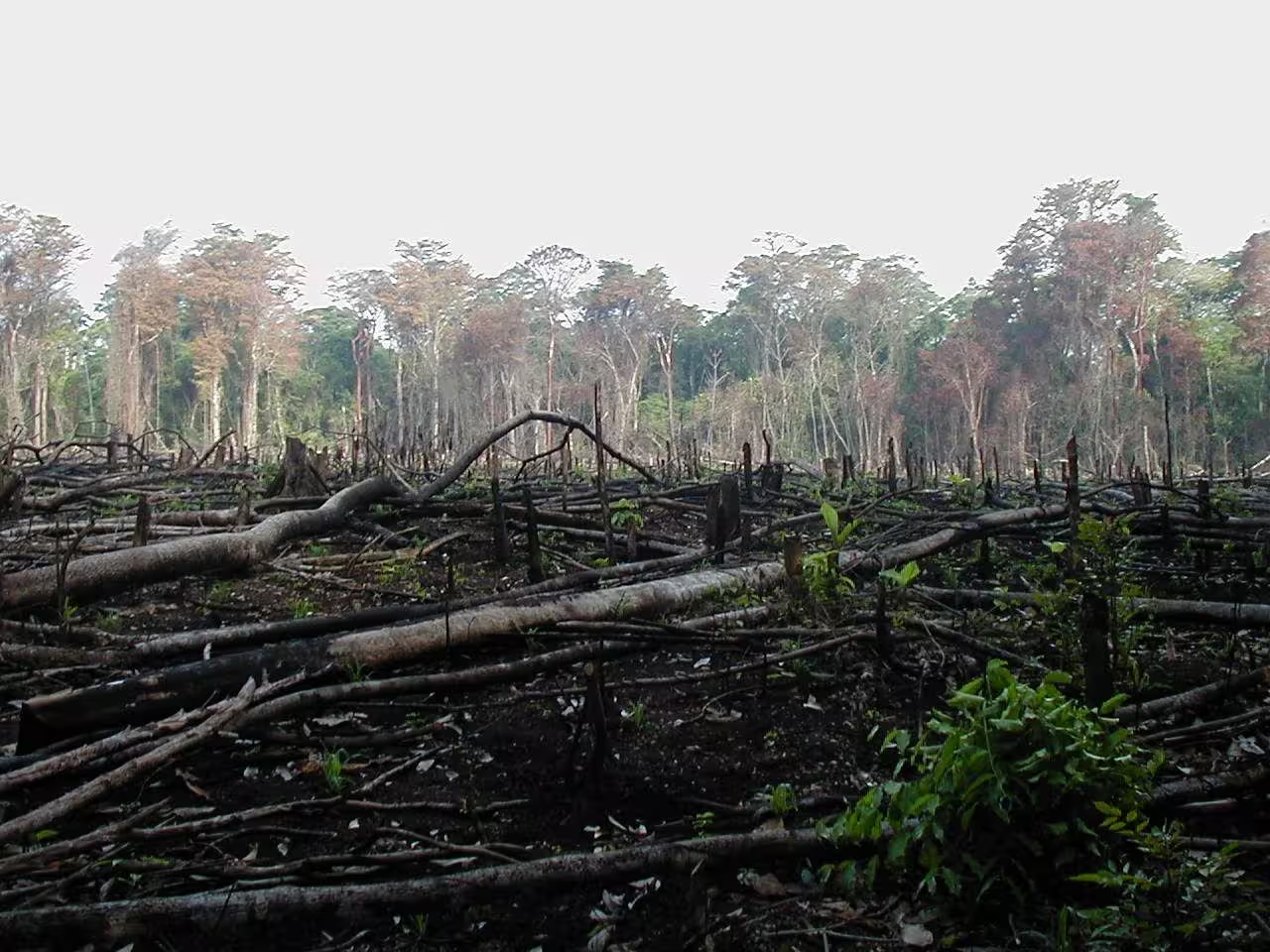
Photo: Jamie Dwyer / Wikimedia Commons — slash-and-burn for cattle pasture in the Amazon.
15,000 L

Acqua per 1 kg di manzo

I prodotti di origine animale rappresentano quasi un terzo dell'impronta idrica dell'agricoltura globale. La maggior parte dell'impronta della carne bovina è costituita dalla pioggia che cade sui pascoli e sulle colture da foraggio.

Mekonnen & Hoekstra, 2012

80%

Deforestazione amazzonica dovuta al bestiame

L'allevamento di bestiame è anche il principale motore individuale della perdita di foreste tropicali in tutto il mondo.

Yale E360 / WRI

77%

Dei terreni agricoli nutre il bestiame

Eppure il bestiame fornisce solo il 18% delle calorie mondiali e il 37% delle sue proteine. I conti non tornano — e non sono mai tornati.

Poore & Nemecek, 2018

75%

Dei terreni agricoli potrebbe tornare alla natura

Un passaggio globale verso diete a base vegetale libererebbe un'area grande quanto gli Stati Uniti, la Cina, l'UE e l'Australia messi insieme — per le foreste, per la fauna selvatica, per l'acqua.

Our World in Data

Sei fronti, ciascuno supportato da dati sottoposti a revisione paritaria.

01

Gas serra

Il bestiame rappresenta circa il 12–15% di tutte le emissioni di gas serra di origine umana — paragonabile alle emissioni di scarico di ogni auto, camion, nave e aereo messi insieme. Il metano proveniente dal bestiame riscalda circa 80× più della CO₂ in 20 anni.

02

Deforestazione

L'allevamento di bestiame guida circa l'80% della deforestazione dell'Amazzonia ed è il principale motore individuale della perdita di foreste tropicali in tutto il mondo.

03

Acqua

1 kg di manzo ha un'impronta idrica di circa 15.000 litri, principalmente pioggia sui pascoli e colture foraggere; 1 kg di verdure circa 320. L'agricoltura utilizza circa il 70% dei prelievi di acqua dolce del mondo.

04

Biodiversità

La terra utilizzata per il bestiame e il foraggio è il principale motore della perdita di biodiversità sulla terraferma; la pesca eccessiva è in testa in mare. Abbiamo sostituito i mammiferi selvatici con il bestiame in un rapporto di circa 15 a 1 per biomassa.

05

Suolo e zone morte

Le lagune di liquami e il deflusso di fertilizzanti dalle colture per mangimi creano 'zone morte' prive di ossigeno negli oceani e nei laghi di tutto il mondo.

06

Terra restituita

Se il mondo passasse a un'alimentazione a base vegetale, circa tre quarti dell'attuale terreno agricolo potrebbero essere restituiti alla natura — una delle più grandi opportunità di riwilding a disposizione dell'umanità.

Meal by meal

What a single plate actually costs the world.

Climate numbers can feel abstract. Reduced to a single meal, they get personal — and small daily choices add up to most of an individual's food footprint.

A beef burger vs. a bean burger

Beef generally has a much larger greenhouse-gas footprint than beans or lentils. The footprint of a burger depends on patty size, ingredients and production methods; global averages do not describe every meal.

Dairy milk vs. oat or soy milk

A 200 ml glass of cow's milk accounts for around 126 litres of freshwater withdrawals in global-average data, and roughly three times the greenhouse gases of oat or soy milk. Plant milks vary in flavour, texture and nutritional content.

Farmed salmon vs. tofu

Farmed salmon can involve wild fish in feed, antibiotic use and nutrient pollution. Tofu generally has lower emissions than farmed fish in global-average data; protein content varies with the type of tofu and fish.

One year of plants

How plant-based diets compare.

A 2023 UK study compared vegan diets with diets containing at least 100 g of meat daily. These estimates describe group averages, not guaranteed savings for each person.

~54%

Lower water use

Vegan diets used about 54% less water than high-meat diets in the UK study; impacts vary by production and sourcing.

~75%

Lower land use

Vegan diets used about 75% less land than high-meat diets in the UK study; lower demand can reduce pressure on habitats.

~75%

Lower greenhouse-gas emissions

Vegan diets had about 75% lower greenhouse-gas emissions than high-meat diets in the UK study.

~66%

Lower biodiversity impact

Vegan diets had about 66% lower modelled potential biodiversity impact than high-meat diets in the UK study.

The methane question

Why methane matters for near-term warming.

Cattle, sheep and goats are major sources of methane, a greenhouse gas about 80 times more potent than CO₂ over a 20-year window. Methane is shorter-lived than CO₂, so sustained emission reductions can limit warming relatively quickly.

Reducing livestock methane can help limit near-term warming, alongside cuts in fossil-fuel emissions and other climate actions. Food choices are one part of that wider effort.

GHG emissions per 100 g of protein (kg CO₂-eq)

Global averages across about 38,700 farms in 119 countries.

  • Beef49.9 kg
  • Lamb19.9 kg
  • Cheese10.8 kg
  • Pork7.6 kg
  • Poultry5.7 kg
  • Tofu2 kg
  • Peas0.44 kg

Poore & Nemecek, Science (2018)

Water footprint per kg of food (litres)

Global averages, counting rainwater, irrigation water and the water needed to dilute pollution.

  • Beef15 415 L
  • Pork5988 L
  • Cheese5060 L
  • Chicken4325 L
  • Eggs3265 L
  • Vegetables322 L

Mekonnen & Hoekstra, Water Footprint Network

Watch

Two films that connect the dots

Cowspiracy — official trailerYouTube
Cowspiracy: The Sustainability Secret (2014)
Seaspiracy — official trailerYouTube
Seaspiracy (2021)
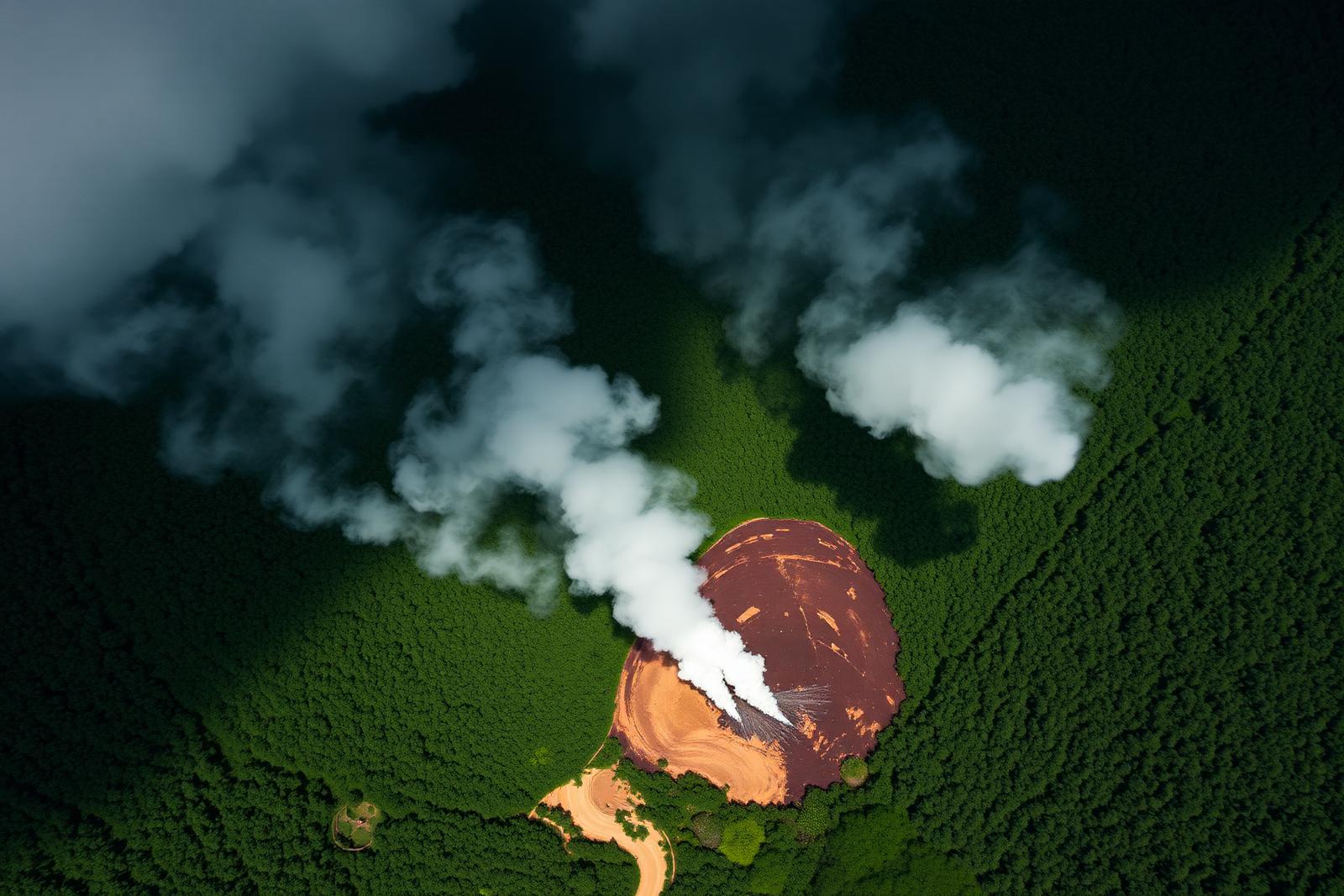
Amazon rainforest burning to clear pasture for cattle
Aerial photo illustration — rainforest cleared and burned for cattle pasture
Land use

Why animal farming uses most agricultural land.

A striking finding in the Poore and Nemecek (2018) analysis is the land-use disparity. Meat, aquaculture, eggs, and dairy used about 83% of farmland while providing 18% of calories and 37% of protein. This includes both grazing land and land growing animal feed. The disparity is central to the environmental case for shifting food production toward plants.

Beef

Beef has a much larger land footprint per unit of protein than tofu or legumes. Its land requirements include extensive grazing areas as well as cropland used for feed. Pasture accounts for much of this footprint, and land use varies considerably between production systems.

Dairy

Cow's milk generally requires more land per litre than oat or soy milk. Comparisons per unit of protein differ because these drinks contain different amounts of protein. Dairy land use includes both pasture and cropland used to grow animal feed.

Pork and chicken

Far lower land footprints than beef per gram of protein, but still 3–10 times higher than legumes. The comparison matters because the land freed by moving away from all animal products — not just beef — is what enables meaningful ecosystem restoration.

If the world went plant-based

Poore and Nemecek estimated that excluding animal products could reduce global agricultural land use by about 75% — an area roughly the size of the US, China, the EU and Australia combined — while providing enough food for the population considered in their analysis.

Biodiversity

The sixth mass extinction and its leading driver.

The IPBES Global Biodiversity Assessment (2019) estimated that around 1 million animal and plant species are threatened with extinction. Land-use change is the leading direct driver in terrestrial and freshwater ecosystems. FAO's assessment of 2000–2018 found agricultural expansion drove almost 90% of global deforestation, with cropland expansion accounting for more than half and livestock grazing for almost 40%.

The specific mechanism matters: when native habitat is converted to monoculture crops or pasture, the specialist species that depend on that habitat cannot survive. They have nowhere else to go. Generalist species thrive in disturbed landscapes; specialists die. The result is a steady replacement of biological complexity with biological simplicity. Reversing this requires land to be freed — and the most direct way to free land at scale is to shift food production toward plant-based systems.

Oceans and aquaculture

What the food system does below the waterline.

Excess nitrogen and phosphorus from fertilisers, manure, and other sources can flow through rivers into coastal waters, causing eutrophication. When algae die and decompose, oxygen is depleted, creating dead zones. The zone near the Mississippi's mouth varies substantially from year to year; nutrient pollution and water conditions influence its extent.

Aquaculture — fish and seafood farming — was long promoted as a solution to overfishing. In some forms it can be. But intensive salmon and tuna farming requires large quantities of wild-caught 'forage fish' as feed — meaning farmed salmon production drives the same overfishing it was supposed to replace. Sea pens also concentrate waste and disease in coastal waters, damaging adjacent wild fish populations. The best-performing aquaculture systems are shellfish and seaweed, which require no feed inputs and can improve water quality.

What the science bodies say

Institutional voices, in their own words.

"Most strikingly, impacts of the lowest-impact animal products typically exceed those of vegetable substitutes, providing new evidence for the importance of dietary change."

Poore & Nemecek, Science, 2018

"Food-related greenhouse gas emissions would be cut by 29% in the scenario following dietary guidelines, 63% with widespread adoption of vegetarian diets and 70% with vegan diets."

Oxford Martin School, 2016

"Consumption of healthy and sustainable diets presents major opportunities for reducing GHG emissions from food systems and improving health outcomes."

IPCC, Special Report on Climate Change and Land, 2019

"The health of ecosystems on which we and all other species depend is deteriorating more rapidly than ever."

IPBES Chair Robert Watson, IPBES Global Assessment, 2019

"Una dieta vegana è probabilmente il modo più efficace per ridurre il proprio impatto sul pianeta Terra, non solo in termini di gas serra, ma anche di acidificazione globale, eutrofizzazione, uso del suolo e consumo idrico."

— Joseph Poore, University of Oxford, autore principale di uno studio del 2018 sull'impatto ambientale del cibo, intervistato da The Guardian

80%
Amazon deforestation
driven by cattle ranching
15,000 L
Water / 1 kg beef
Water Footprint Network
14.5%
Global GHG
from livestock (FAO)
32×
Methane vs. CO₂
20-year warming potential
  • Beef · 99 kg CO₂e/kg
  • Poultry · 9.9
  • Farmed fish · 13.6
  • Wheat & rye · 1.6
Environmental impact (units by row)AnimalPlant
Land (m²·year / 100 g protein)Beef (beef herd): 164 m²·yearTofu: 2.2 m²·year
Freshwater withdrawals (L / kg food)Cheese: 5,605 LPeas: 397 L
GHG (kg CO₂e / 100 g protein)Lamb: 19.9Peas: 0.4

Poore & Nemecek, Science 2018

Key takeaways

  • Livestock uses ~80% of agricultural land; meat, dairy and farmed fish provide ~17% of calories.
  • Beef generally requires far more land and produces far more emissions per gram of protein than legumes.
  • Cattle pasture expansion is a major driver of Amazon deforestation; feed crops can also contribute.
  • Shifting global diets to plant-based would free land equivalent to the US, China, EU and Australia combined.

Take action — step by step

  1. 1Calculate your current food footprint (link inside the page).
  2. 2Replace beef with beans in one weekly meal — the single biggest lever.
  3. 3Switch to plant milk for a month; emissions savings depend on the type and amount of milk replaced.
  4. 4Share the emissions chart with a climate-minded friend who still eats meat.

Share this page

Food choices are an important climate lever. The evidence, plainly laid out:

Share on XShare on FacebookShare on WhatsApp

Frequently asked questions

Globally, food systems and transport contribute similarly. Within food, animal products drive the majority of emissions despite being a minority of calories. Diet is a lever most individuals can pull daily; transport is largely infrastructural.

Keep reading