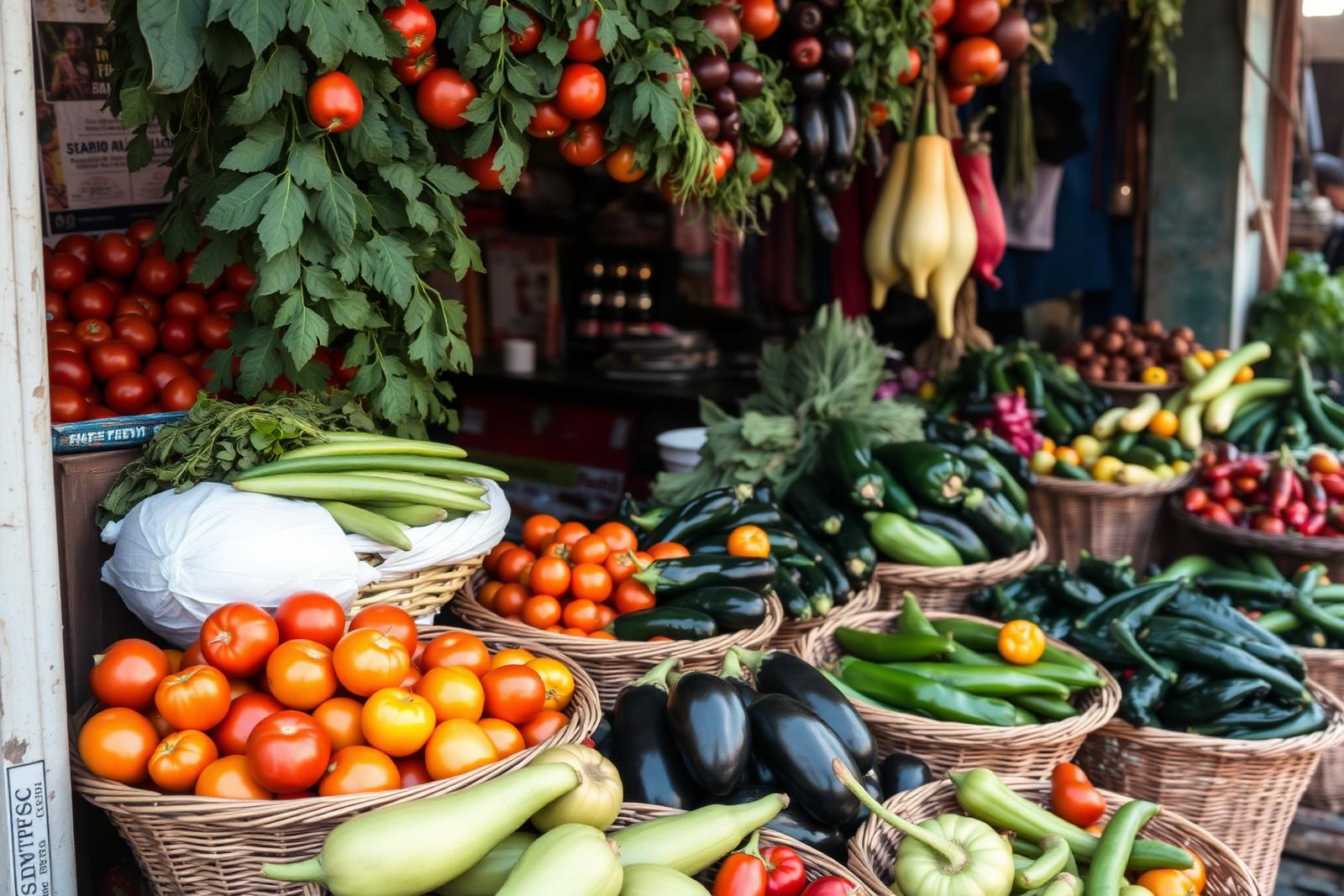
A bright market stall of fresh seasonal vegetables
Beyond the plate

Vegan lifestyle

The same ethic, applied to the rest of life.

Food is the easy part — there are at least three plant alternatives for every animal product on the shelf. The trickier territory is the rest of the household: shoes, sofas, soap, the holiday you booked before going vegan. None of it is impossible; it just rewards thinking ahead rather than improvising at the till.

Clothing

Leather, wool, silk, down, fur, suede and exotic skins are animal products. Cotton, linen, hemp, organic bamboo, recycled polyester, Tencel, cork, piñatex (pineapple leaf), apple leather, mushroom leather and recycled rubber are all viable replacements depending on the use. The most ethical wardrobe is the one already in your cupboard — wear out what you have and replace it with non-animal alternatives.
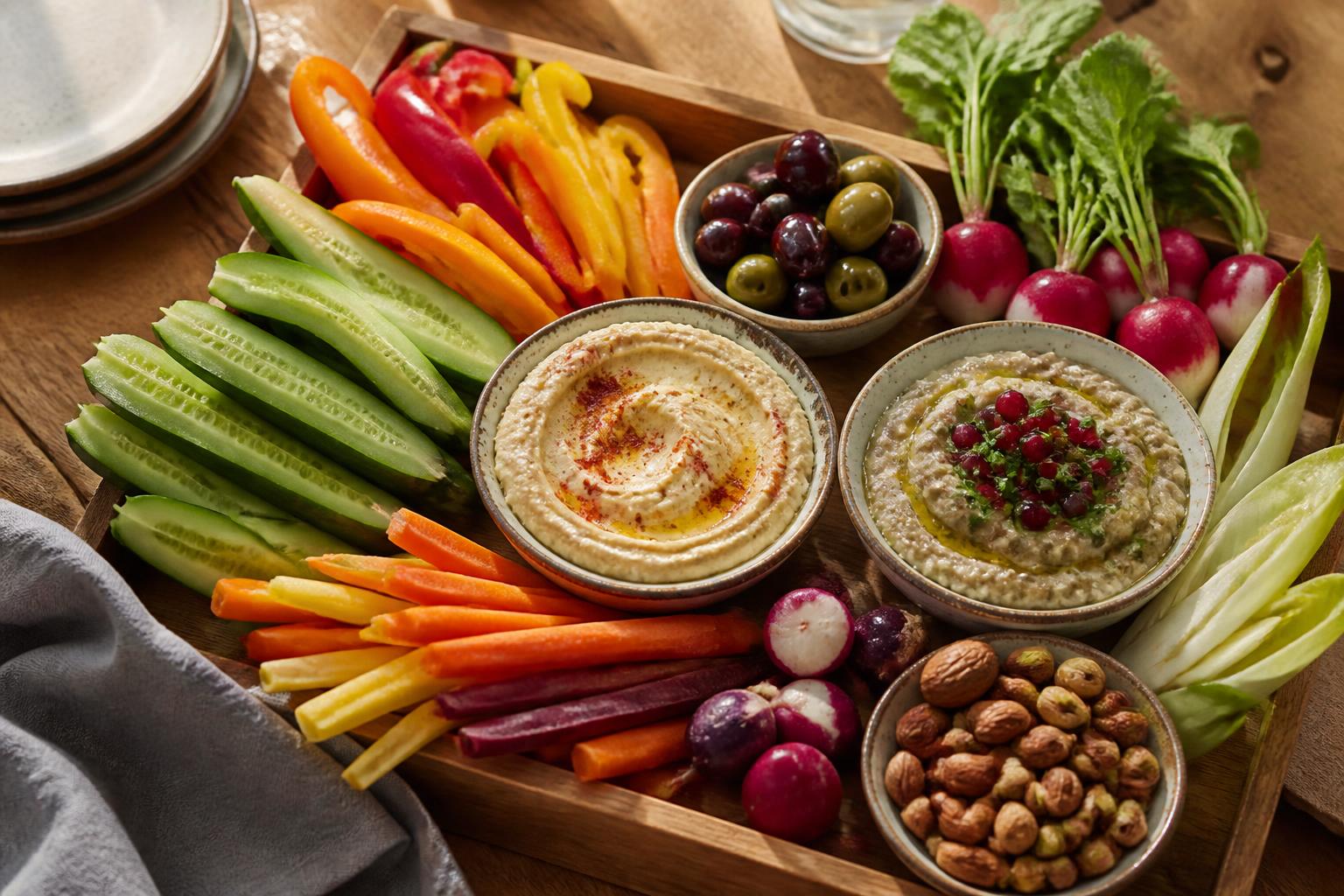
A wooden tray of vegetables, dips, olives and nuts
Beyond the plate begins at the plate.

Cosmetics and toiletries

Look for 'Leaping Bunny', 'Cruelty Free International' or the Vegan Society trademark. Common non-vegan ingredients to learn: carmine (E120, crushed beetles), shellac, lanolin, beeswax, keratin, collagen, gelatine, casein, tallow, squalene from shark liver. Most supermarket own-brand soaps and shampoos in Europe are now both vegan and cruelty-free; reading the label twice in the first month builds a permanent habit.

Home and furniture

If you have leather sofas, wool rugs or down duvets bought before going vegan, the ethical move is to keep using them until they wear out. Throwing them out does not bring the animal back; it sends the product to landfill and forces you to buy a replacement, which has its own footprint. Replace, don't discard.

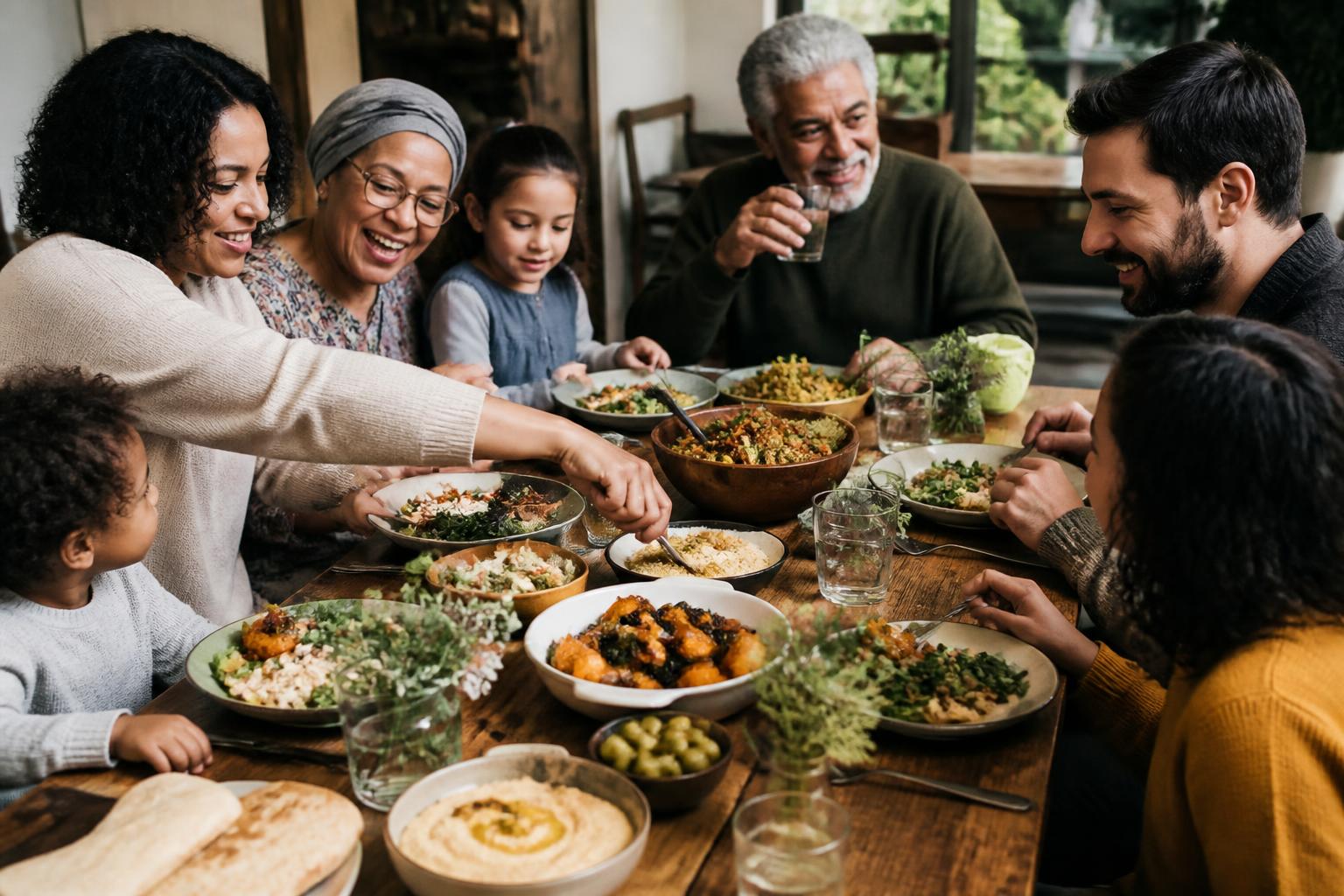
A diverse family sharing a meal
Living vegan day-to-day is less about purity and more about quiet defaults.

"The most ethical wardrobe is the one already in your cupboard."

Travel

Choosing vegan food in restaurants abroad is easier than ever — apps like HappyCow map vegan and vegan-friendly places in nearly every city. Avoid 'animal tourism': elephant rides, tiger selfies, dolphin shows, donkey rides, pony treks, horse-drawn carriages, captive marine parks. Snorkelling with wild fish, visiting accredited sanctuaries and watching wildlife in their habitat are all compatible with veganism.

Medication and healthcare

Veganism is 'as far as practicable.' Take medicines your doctor prescribes — animal testing on pharmaceuticals is currently legally mandated in nearly every country, and your health serves the cause better than your principles do in this case. Ask your pharmacist about gelatine-free capsules where alternatives exist.

Replacing common items, by category

Shoes

Synthetic leather, cork, recycled rubber, cotton canvas. Brands: Veja (some lines), Will's Vegan Store, Doc Martens 'Vegan' line.

Jackets

Recycled-polyester or primaloft insulation replaces down; technical synthetics replace wool.

Bags and wallets

Apple leather, piñatex, recycled-tyre rubber and waxed cotton are all hard-wearing.

Mattresses

Many memory-foam, latex (plant-derived) and pocket-spring mattresses are wool-free; read the spec sheet.

The everyday surface area

12 kg
of clothing thrown out
per person per year in the EU — most still wearable
70+
non-vegan cosmetic ingredients
Carmine, lanolin, shellac, gelatine, beeswax, keratin…
Leaping Bunny
trustworthy logo
Independent audit, used in 60+ countries
0
good reasons to discard
leather/wool items you already own — wear them out

Animal vs. plant alternatives in the wardrobe

Comparative material footprint and welfare load.

MaterialAnimals harmedCO₂e per kgPlant or recycled alternative
WoolSheep (mulesing, slaughter at 4–7 yrs)21–24 kgOrganic cotton, hemp, recycled wool
LeatherCattle (a slaughter co-product)17 kgCactus, apple, mushroom, recycled PET
SilkSilkworms (boiled in cocoon)18 kgTencel, modal, peace silk
DownDucks, geese (often live-plucked)5 kgPrimaLoft, Thermore, recycled polyester
FurMink, fox (gassed in cages)110 kgFaux fur from recycled fibres

Source: Higg Materials Sustainability Index; Textile Exchange 2023.

The everyday objects nobody mentions

Veganism touches more than the dinner plate: the wax on cheese-coated dental floss, the casein in some paint primers, the bone char in beet sugar, the isinglass in unfiltered beer. Most experienced vegans take a sane line — swap when convenient, don't obsess. Apps like Bunny Free and Cruelty Cutter check cosmetics and household products in seconds; Barnivore lists wines and beers.

Travel without compromise

HappyCow turns every city into a vegan-friendly one. Airbnb kitchens beat hotel restaurants nine times out of ten. Pack a small bag of nuts, dried fruit and an instant oats sachet — airport options are improving but unreliable. Many airlines accept a VGML special meal request 48 hours ahead; some now even default to vegan as the lowest-emission option on long-haul.

Wardrobe, slowly

Don't bin existing leather, wool or silk; wear them out and replace with plant or recycled materials when they're done. The fashion industry is one of the world's heaviest polluters — every garment kept in use is a small environmental win regardless of fibre. New buys: cotton, linen, hemp, Tencel, recycled polyester, plant leathers (cactus, apple, mushroom).

Frequently asked

Are second-hand leather shoes vegan?

Opinions differ. Most vegan organisations consider second-hand acceptable since no new demand is created, but some vegans avoid them on visibility grounds. Both positions are defensible.

What about wool from rescued sheep?

Sheep bred for wool need shearing for welfare reasons because their wool no longer sheds naturally. Wool from a true rescue sanctuary is generally considered fine; commercial wool is not.

Is silk vegan?

No. Silkworms are boiled alive inside their cocoons to keep the silk thread intact. 'Peace silk' lets the moths emerge first but is still an animal product.

Can I keep my leather sofa?

Yes. Use it until it wears out. Replacing it early creates waste and demand for new manufacturing.

Lifestyle questions

Is wool really cruel? The sheep need shearing.

Domestic sheep have been bred to over-produce wool; without shearing they'd suffer. The cruelty isn't in shearing but in mulesing (live skin removal without anaesthetic, still legal in much of Australia) and in slaughter — wool sheep are killed at 4–7 years when their fleece thins, against a natural lifespan of 10–12. Buying less wool reduces breeding demand.

What about pearls, honey and beeswax?

All three involve animals (oysters, bees). Most vegans skip them; some draw a line at insects. Plant waxes (candelilla, carnauba) and agave or maple syrups are direct substitutes.

Are vegan cars a thing?

Many manufacturers (Tesla, Polestar, BMW) now offer all-cloth or vegan-leather interiors as standard or upgrades. Ask when ordering.

How do I handle gifts?

Thank, then quietly re-home or donate non-vegan gifts. The animal product is already produced; the priority is to signal to the gift-giver — kindly — what you'd like next year.

Take it one shelf at a time

You don't need a perfectly vegan house tomorrow. Decide on one category — shoes, or shampoo, or cleaning products — and convert it the next time you reorder.