Land — the metric that ends most debates
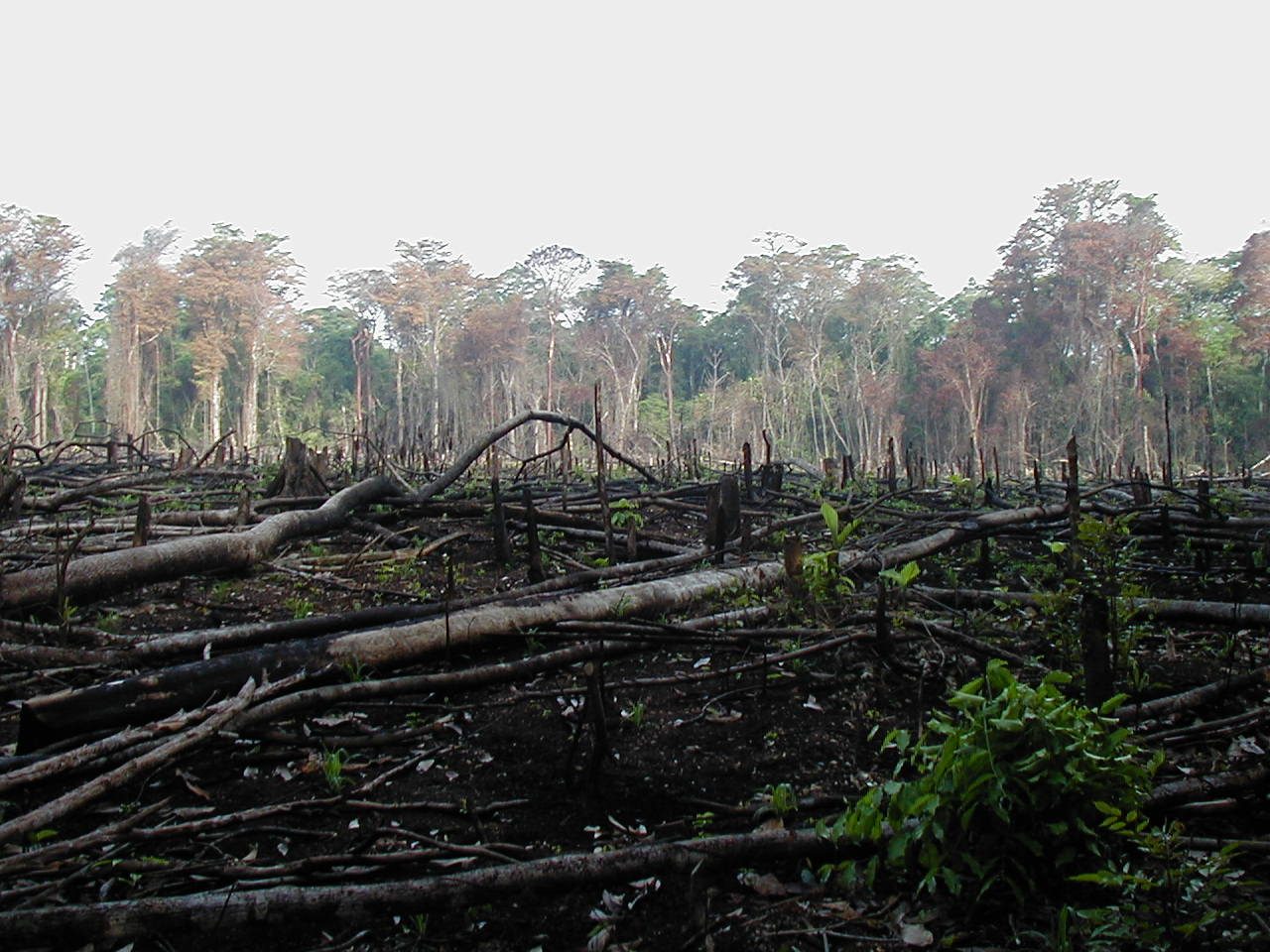
Animal agriculture occupies 77% of all farmland on Earth while supplying only 18% of calories and 37% of protein. If the world shifted to a plant-based diet, global farmland would shrink by 75% — an area the size of the US, China, the EU and Australia combined returned to forest, savannah and wetland. No technology, no policy, no individual action has comparable potential for ecological restoration.
Water — the metric that surprises people
A kilo of beef requires 15,400 litres of water; a kilo of lentils, 1,250. A single beef burger uses more water than two months of showers. In drought-prone regions (California, Spain, the Murray-Darling) animal agriculture dominates water withdrawals while small consumers are asked to ration. Eating plant-based is the single largest reduction in personal water footprint available.
Fish — the silent collapse
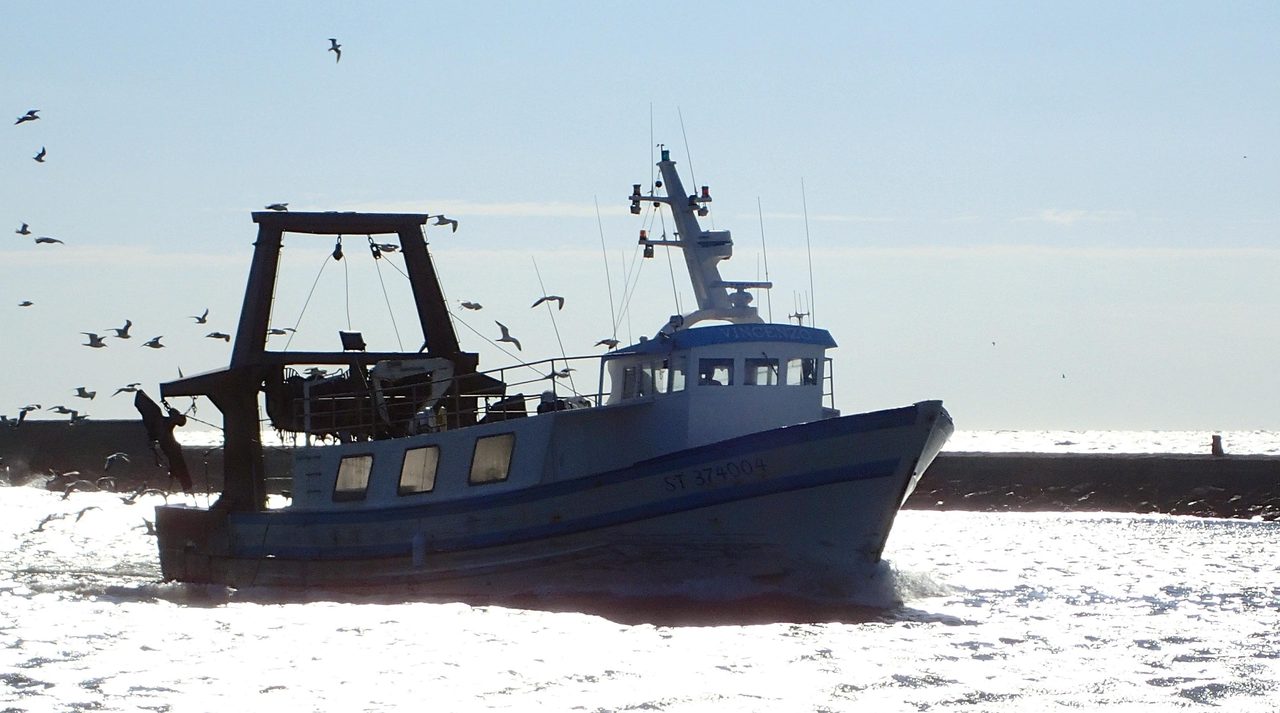
34% of global fish stocks are overfished and 60% are fished to their maximum sustainable yield, according to the FAO. Bottom trawling drags chain-laden nets across the seabed, destroying centuries-old corals; bycatch kills 300,000 cetaceans annually. "Sustainable seafood" labels are routinely contested — see the Seaspiracy critiques. The defensible position is to eat plants from the sea (seaweed, algae) or none at all.
Pair the diet with the system
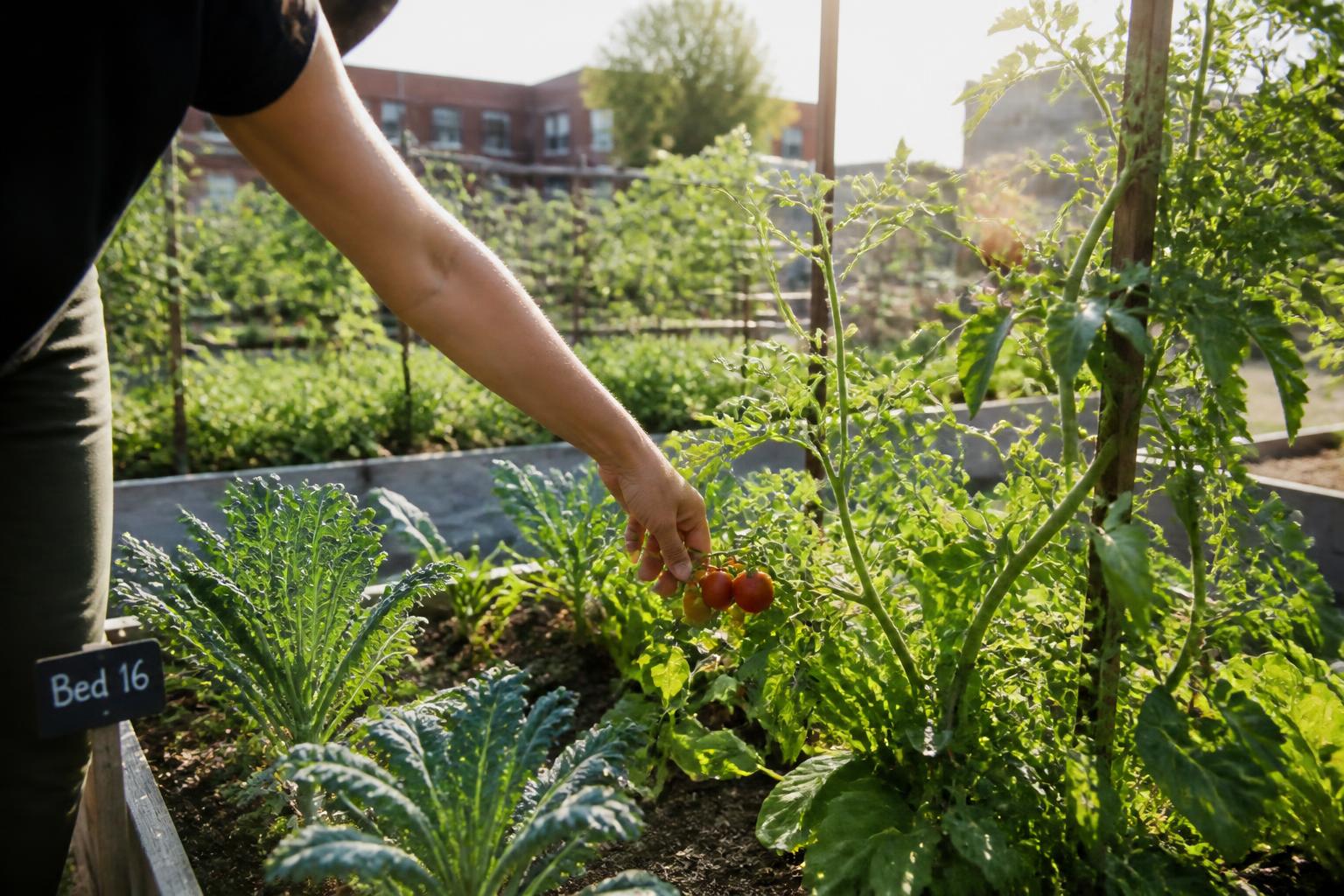
The biggest gains come from doing both: eat plant-based, and also support the food systems and communities that make plant-based easy for everyone else.