Nutrition

The nutrients worth paying attention to on a plant-based diet

8 guides with reference intakes, food-source tables you can sort, absorption notes, supplement guidance and the blood tests that actually tell you something.

Quick answer

A well-planned plant-based diet covers almost everything from food. The two that genuinely need a decision are vitamin B12 (supplement, always) and iodine (iodised salt or a supplement). Protein, iron, calcium, zinc, omega-3 and vitamin D are all achievable from food, with attention to portions and absorption.

Protein
Vegan protein

Protein

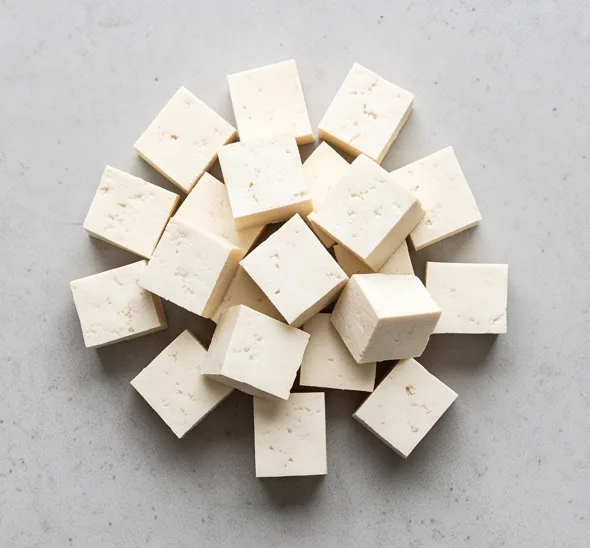
Most adults need about 0.8 g of protein per kg of body weight per day, and people lifting or training hard do better on 1.2–1.6 g/kg. Legumes, soy foods, seitan, nuts, seeds and whole grains cover that comfortably: 100 g of tempeh, a cup of lentils and 200 g of tofu alone is roughly 60 g. You do not need to combine proteins at each meal — eating a variety of plant proteins across the day supplies every essential amino acid.

Read the guide →
Vitamin B12
Vitamin B12

Vitamin B12

Every vegan needs a reliable B12 source: for healthy adults, a daily cyanocobalamin supplement or at least 2,000 mcg weekly, or fortified foods two or three times daily totalling at least 3 mcg. Check labels carefully. No unfortified plant food is dependable. Deficiency can take years to appear, and some nerve damage can become permanent.

Read the guide →
Iron
Iron

Iron

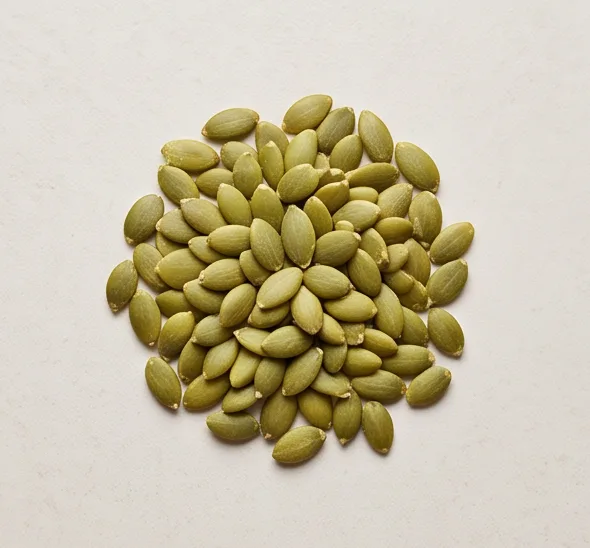
Plant foods supply non-haem iron, which is absorbed at roughly 2–20% depending on what else is on the plate, so some guidelines set vegan targets around 1.8 times the standard RDA. Lentils, tofu, pumpkin seeds, tempeh, dark greens and fortified cereals are the workhorses. Pairing them with vitamin C — peppers, citrus, tomatoes — can multiply absorption several-fold, while tea, coffee and calcium supplements taken with the meal cut it sharply.

Read the guide →
Calcium

Calcium

Adults need roughly 700–1,000 mg of calcium a day, and vegans hit it with fortified plant milk (about 300 mg per 250 ml), calcium-set tofu, low-oxalate greens like kale and bok choy, tahini, almonds and white beans. Absorption from low-oxalate greens is around 50–60%, higher than from dairy. Bone health also depends on vitamin D, protein, potassium and weight-bearing exercise, not calcium alone.

Read the guide →
Omega-3
Omega-3

Omega-3

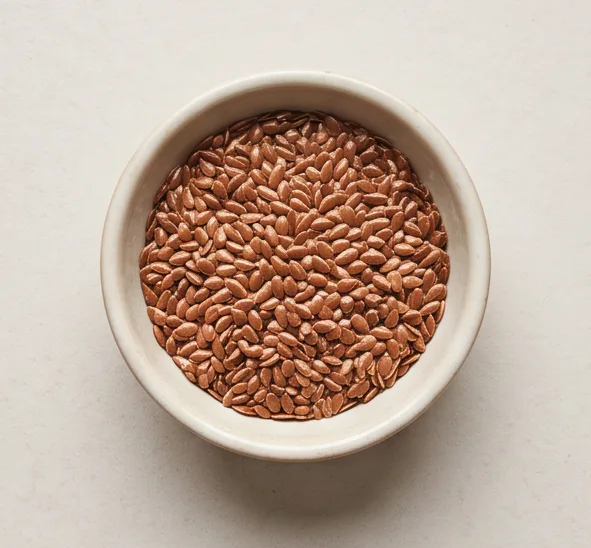
Ground flaxseed, chia or a small handful of walnuts can cover the US ALA adequate intake of 1.1–1.6 g/day. ALA conversion to EPA and DHA is limited and variable. Algal oil provides these directly; EFSA sets an adult adequate intake of 250 mg EPA+DHA daily, rather than a few doses each week. Check the active amounts on the label.

Read the guide →
Vitamin D

Vitamin D

Vitamin D comes from sunlight, some foods and supplements. In the UK, the NHS advises adults to consider 400 IU (10 mcg) daily in autumn and winter, and year-round for higher-risk groups. The US RDA is 600 IU through age 70 and 800 IU thereafter. Vegan D2 and lichen-derived D3 both work; D3 generally raises blood levels more effectively.

Read the guide →
Zinc
Zinc

Zinc

Zinc absorption from plant foods is reduced by phytates, so some bodies suggest vegans aim for up to 1.5 times the standard RDA of 11 mg for men and 8 mg for women. Pumpkin seeds, hemp seeds, cashews, lentils, chickpeas, tofu, tempeh, oats and wholegrain bread are the main sources. Soaking, sprouting and sourdough fermentation break down phytates and noticeably improve uptake.

Read the guide →
Iodine

Iodine

Adults need about 150 mcg of iodine a day, and vegans without iodised salt, a supplement or seaweed frequently fall short. The safest routes are iodised salt or a 150 mcg supplement. Kelp is a poor choice because its iodine content varies enormously between batches and a single serving can deliver thousands of micrograms — enough to disrupt thyroid function.

Read the guide →
Questions people ask

Can you build muscle on a vegan diet?

Yes. Randomised trials comparing soy or pea protein with whey in resistance-trained people find equivalent gains in strength and lean mass when total protein and leucine are matched. The practical adjustment is aiming for the upper end of 1.4–1.7 g/kg.

Can you get B12 from plants?

Not reliably. B12 comes from bacteria; the traces found on unwashed produce or in fermented foods are inconsistent and often inactive analogues. Fortified foods and supplements are the only dependable vegan sources.

Are vegans more likely to be anaemic?

Vegetarians and vegans often have lower iron stores, but anaemia rates vary between studies and populations. Menstruation, pregnancy and low intake increase risk; seek testing if symptoms or risk factors suggest deficiency.

Do vegans have weaker bones?

EPIC-Oxford’s 2020 study found higher fracture risk among vegans, partly but not fully explained by calcium, protein and BMI. Meet calcium and vitamin D needs, include enough protein and exercise, and discuss personal fracture risks with a clinician.

Do vegans need to take algae oil?

It is not strictly essential for healthy adults, but it is a cheap way to close a measurable gap. It becomes strongly advisable in pregnancy, breastfeeding and older age.

Is vitamin D2 enough for vegans?

It works, and it is what many fortified foods use. D3 from lichen maintains blood levels more consistently, so it is the better first choice if available.

Are vegans zinc deficient?

Vegetarians and vegans may have lower zinc intake or blood levels because phytate reduces absorption. Include zinc-rich foods, use suitable preparation methods, and seek assessment if intake or symptoms raise concern.

Do vegans need an iodine supplement?

If your diet does not reliably provide iodine, an appropriately dosed supplement is a practical option. Adults often use 150 mcg/day; discuss pregnancy, thyroid disease and other iodine sources with a clinician.

Data: NIH Office of Dietary Supplements, EFSA, USDA FoodData Central · Free to reuse under CC BY 4.0 with a link back.

Nutrition without the noise

The five nutrients that need attention — and the ones that never did

Plant-based nutrition is unusually well studied and unusually badly reported. A short list of nutrients genuinely requires planning. Most of the rest of the conversation is marketing residue.

Vitamin B12 is the one non-negotiable

B12 is made by microorganisms; animal foods obtain it through diets, microbial pathways or supplementation. A vegan diet needs a reliable direct source: fortified foods or an appropriate supplement, commonly 50 µg daily or 2,000 µg weekly for adult prevention. Deficiency can cause irreversible neurological damage. Serum B12 is commonly the first test, with MMA useful when results are borderline; treatment and children’s doses differ.

Iron: absorption matters more than intake

Plant foods supply non-haem iron, which is absorbed less efficiently but is also better regulated by the body. Vitamin C taken with the meal can multiply absorption several-fold, while tea, coffee and calcium supplements taken at the same time suppress it. Practical consequence: lentils with tomato and a squeeze of lemon, coffee an hour later. Plant-based eaters typically show comparable or higher iron intake with lower ferritin — which, within the normal range, is not itself a problem.

Omega-3: conversion is real but inefficient

ALA from flax, chia, walnuts and rapeseed converts to EPA and DHA at low and variable rates. An algae-derived EPA/DHA supplement of roughly 250 mg per day removes the uncertainty and is the same original source the fish obtains it from. This is a reasonable-precaution nutrient rather than an emergency one.

Iodine, calcium, vitamin D and zinc

Iodine intake in plant-based diets depends almost entirely on iodised salt, fortified plant milk or a supplement; seaweed is potent but wildly variable and easy to overdose. Calcium needs are met with fortified plant milks, tofu set with calcium, tahini, almonds and low-oxalate greens such as kale and bok choy. Vitamin D is a latitude and sunlight question for everyone, not a plant-based one. Zinc requires a modest amount of extra attention because of phytates, which soaking, sprouting and fermenting reduce.

Protein is not on this list

It is worth stating plainly: in every large cohort of plant-based eaters in high-income countries, average protein intake meets or exceeds requirement. Protein deficiency in this context is essentially a disease of insufficient calories, not of plant sources.

Nutrient targets and reliable plant sources

Adult targets; requirements differ in pregnancy, lactation, childhood and older age.

NutrientTypical adult targetReliable plant sourcesAttention level
Vitamin B1225–100 µg/day or 1,000–2,000 µg/weekSupplement, fortified foodsEssential
Iodine150 µg/dayIodised salt, fortified milk, supplementHigh
Vitamin D600–800 IU/day when sun is limitedSunlight, fortified foods, D2/lichen D3High
Omega-3 EPA/DHA~250 mg/dayAlgae oil; ALA from flax, chia, walnutsModerate
Iron8 mg (men) / 18 mg (menstruating women)Lentils, tofu, pumpkin seeds + vitamin CModerate
Calcium1,000 mg/dayFortified milks, calcium-set tofu, kale, tahiniModerate
Zinc8–11 mg/dayLegumes, seeds, oats, wholegrainsLow–moderate
Protein0.8–1.2 g/kg/dayLegumes, soy, seitan, grains, nutsLow

EFSA · NIH Office of Dietary Supplements · Academy of Nutrition and Dietetics

A sane supplementation and testing routine

Nutrition planning should take about ten minutes a month, not become a hobby.

  1. 1

    Set B12 first

    Choose one delivery method and automate it — a weekly high dose is easier to remember than a daily low one for many people.

  2. 2

    Check your salt

    If your household salt is not iodised and you drink unfortified plant milk, iodine is your likely gap.

  3. 3

    Add algae omega-3 if diet is low in ALA

    Or eat a tablespoon of ground flax daily and accept the conversion uncertainty.

  4. 4

    Pair iron with vitamin C

    Structural habit, not supplementation: citrus, peppers or tomato in the same meal as legumes.

  5. 5

    Test at 12 months, not 12 weeks

    Discuss tests with a clinician based on symptoms, diet and risk factors. B12 and ferritin may be useful; vitamin D and thyroid tests are not routine requirements for every vegan. Do not delay assessment if deficiency is suspected.

Good practice and common errors

Worth doing

  • Treat B12 as mandatory regardless of how varied the diet is.
  • Use fortified plant milks rather than unfortified artisan versions as the daily default.
  • Soak or sprout legumes and grains where practical to reduce phytate.
  • Ask for methylmalonic acid if B12 status is genuinely in question.

Worth avoiding

  • Relying on seaweed, spirulina, tempeh or unwashed produce as a B12 source — they are inactive analogues or unreliable.
  • Taking large kelp doses for iodine; excess is as harmful as deficiency.
  • Drinking tea or coffee with iron-rich meals as a routine.
  • Buying multivitamins with iron unless a blood test indicates a need.

Nutrient questions people actually ask

Do I have to supplement anything?

B12 yes, essentially always. Vitamin D during low-sunlight months applies to most of the population regardless of diet. Iodine and algae-based omega-3 are sensible for many people depending on salt and diet composition.

Is soy safe to eat daily?

Yes. Human evidence shows no adverse hormonal effect at ordinary intakes, and moderate soy consumption is associated with lower cardiovascular risk and, in cohort data, lower breast-cancer recurrence.

Can I get enough calcium without dairy?

Yes, with fortified plant milk, calcium-set tofu, tahini and low-oxalate greens. Absorption from kale and bok choy is actually higher than from milk; spinach is the exception because of oxalate.

Should I worry about iron on a plant-based diet?

Monitor rather than worry. Intake is usually adequate; menstruating women are the group most likely to need attention, exactly as they are on omnivorous diets.

Are protein powders necessary?

No. They are a convenience for people with high requirements or low appetite, not a nutritional requirement.

What single blood test is most useful?

Ask a clinician which tests are appropriate. Serum B12 is usually the starting point, with MMA useful for a borderline result; ferritin and vitamin D testing depend on symptoms and risk factors.

Sources

  • Academy of Nutrition and Dietetics (2025). Vegetarian Dietary Patterns for Adults. J Acad Nutr Diet.
  • NIH Office of Dietary Supplements — B12, iron, iodine, calcium, zinc fact sheets.
  • EFSA Panel on Dietetic Products — dietary reference values.
  • Rizzo, G. et al. (2016). Vitamin B12 among vegetarians. Nutrients.