Chichiltic etl (Frijoles rojos)
No iuhqui quimatiz: rajma
In chīchīlayocotl tetic chīchīltic ayocotl tlein motequitiltia chilli, rajma īhuān salads. Monequi cualli tlapaoztli pampa in xoxouhqui ahnozo amo huel icuic quipiya lectina tlein hueliti tecocōz.
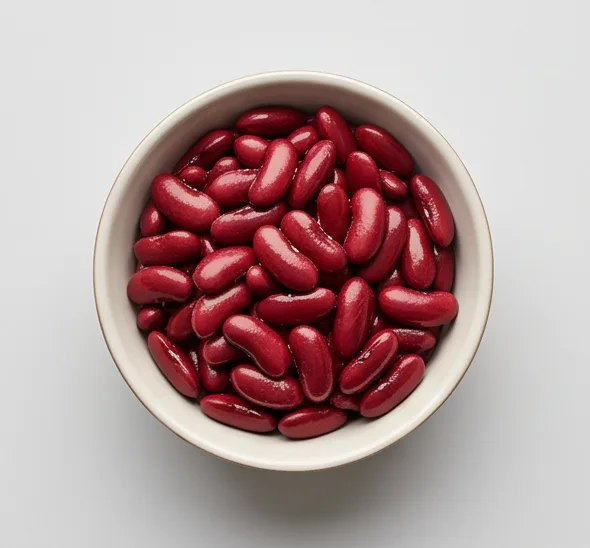
Tlen quipia tlanelhuayotl ipan 100 g cooked
- Tlen ticcuaz
- 127
- Tlen ticcuaz tlen quipia yolcameh
- 8.7 g
- Tlen ticcuaz tlen quipia chichihualayotl
- 0.5 g
- Tlen ticcuaz tlen quipia tlaxcalli
- 23 g
- Tlen ticcuaz tlen quipia cuauhtli
- 6.4 g
Tlen ipampa monequi
Food safety and substitutions
These are flexible cooking outlines, not laboratory-tested nutrition calculations. Use fully cooked beans. For dried kidney beans, soak and boil according to reliable food-safety instructions; do not cook them from raw in a slow cooker. Refrigerate cooked food promptly in shallow containers and follow local guidance for leftovers, especially cooked rice. Check soy, wheat, peanut and other allergens before substituting ingredients.
Food Standards AgencyTlen quichihuaz
Tlen quicuaz ica
Xitomatl · Garam masala · Xonacatl
Tlachīhualiztli īhuān iyeyiliz
In cōmitl ayocotl yehuātl icuic. In huācqui, xictlāli āpan, xicquīxti in ātl īhuān xicpozoni yancuīc āpan yuhqui tlanahuatilli achto occeppa ticpaoziz.
Tlein monequi tiquitāz achto tictequitiltīz
Amo xicpalō in xoxouhqui ahnozo amo huel icuic ayocotl, nō amo xicpaozi zan īpan slow-cooker. Zan tepiton totoniliztli amo quipatla in nelli chipāhualiztli.
Peyāhualiztli īhuān tlatzaccāyōtl
In tlapōhualiztli tlacualcāyōpan zan quipiya cē machiyōtilli īhuān amo nelilpilli tlanemiliztli ītech tlein ticozomi. In nōnonquāyōtl, ātl, tlachīhualiztli īhuān tlachicāhualiztli hueliti quipatla in tlaneltiliztli. In tlatlahtōlpehualli tlatzintlan quipantlāza quenin tlacualli mochīhua, quenin cualli tictlatīz īhuān tlacualchicāhualiztli; amo quinezcayōtia ca cē tlacualli quipātīz cē cocoliztli.
Quen Chichiltic etl (Frijoles rojos) tlahtoa ica ce tonali tlamacehualiztli
The reference portion of Chichiltic etl (Frijoles rojos) contains 127 kcal, 8.7 g of protein and 6.4 g of fibre per 100 g. Read these figures alongside the preparation state shown above: dry grains, cooked pulses and oils are not interchangeable portions. Multiply each figure by the weight you actually eat divided by 100. A food with little protein or fibre can still have a useful culinary role; it should not be described as a substantial source of those nutrients.
The usual uses of Chichiltic etl (Frijoles rojos) are Chili, Rajma, Etl xochitlacualli. Choose the portion and preparation for that role rather than assuming every ingredient should be the centre of a meal. For example, herbs season a dish, oils supply concentrated fat, and legumes can contribute protein and fibre. Check the ingredient's own nutrition values and combine it with complementary foods across the day.
Tlamacehualiztli por 100 g, huan tlein ce tlamantli quimonequiltia
| Tlamacehualiztli | Por 100 g | Tlein quimonequiltia |
|---|---|---|
| Tlen ticcuaz | 127 | Tlamacehualiztli densidad — hueli ticpalehuia ica ticmatiz tlein tlaixcopinaliztli ticchihua ica occequintin tlamacehualiztli. |
| Tlen ticcuaz tlen quipia yolcameh | 8.7 g | Quipalehuia inin tlamacehualiztli huan quimonequiltia; ticchihua ica tonali huan amo ica ce tlamacehualiztli. |
| Tlen ticcuaz tlen quipia chichihualayotl | 0.5 g | Quipia vitaminas huan tlamacehualiztli; inin tlamantli de grasa quimonequiltia mas que inin cantidad. |
| Tlen ticcuaz tlen quipia tlaxcalli | 23 g | Tlein tlamacehualiztli quimonequiltia; inin tlamacehualiztli quipia fibra huan minerales. |
| Tlen ticcuaz tlen quipia cuauhtli | 6.4 g | Quipalehuia inin tlamacehualiztli, quicuepa inin tlamacehualiztli huan inin tlamantli quimonequiltia miac tlacah. |
Ticcohuia huan ticpia Chichiltic etl (Frijoles rojos)
- Compare the ingredient list and price for the form you need. A plain version may be useful, but fortified products can provide nutrients that an unfortified version lacks.
- Fresh, frozen, canned and dried products differ in water content, added salt and preparation. Compare nutrition using the same preparation state and a realistic serving, not package weight alone.
- Follow the package's storage instructions. Refrigerate perishable foods promptly; a dry cupboard is not appropriate for every ingredient.
- Buy only an amount you can store safely and use before spoilage. A lower unit price does not save money if part of the food is discarded.
Tlamantli ticchihua
- Comparing dry and cooked weights as if they were equivalent. Water absorbed during cooking changes the nutrients per 100 g.
- Assuming every plant ingredient supplies meaningful protein, iron or fibre. Use the values above and the portion actually eaten.
- Ignoring food allergies, age-appropriate textures or a medical condition when choosing a serving.
- Assuming every ingredient can be eaten raw. Follow preparation instructions, especially for dried beans and foods requiring cooking.
Ticchihua tlamacehualiztli ica Chichiltic etl (Frijoles rojos)
Inin tlamantli quimonequiltia Chili, Rajma, Etl xochitlacualli. Ce tlamantli de inin tlamantli quimonequiltia ce plantilla mas que ce receta: ica ticmati quen Chichiltic etl (Frijoles rojos) quichihua ica tletl huan sal, hueli ticchihua ica tlamacehualiztli ticchihua huan amo ticnequi ticmati ce yancuic tlamacehualiztli.
Ocachi tlahtoltemoliztli tlen tlacah tlahtlanih
Is Chichiltic etl (Frijoles rojos) a good source of protein?
The reference value is 8.7 g per 100 g. Whether that makes a meaningful contribution depends on the serving you eat. A small amount used for seasoning or cooking fat is not equivalent to a main serving of beans or tofu. Compare the prepared portion, not just the ingredient name.
How much Chichiltic etl (Frijoles rojos) should I eat in a day?
There is no universal serving suitable for every ingredient or person. Match the amount to its role, energy density and your overall diet. Allergies, medical conditions, age and preparation matter. A clinician or registered dietitian can advise on individual restrictions.
Is Chichiltic etl (Frijoles rojos) suitable for children and older adults?
Suitability depends on the ingredient, preparation and person. Consider allergies, swallowing and chewing ability, choking hazards and medical restrictions. Whole nuts and hard pieces may need grinding or another texture adjustment. Do not assume an ingredient is safe or nutrient-dense solely because it is plant-based.
Does cooking change the nutrients in Chichiltic etl (Frijoles rojos)?
Cooking may reduce some heat-sensitive vitamins while improving digestibility or making a food safe to eat. Water gain or loss also changes the figures per 100 g. Compare nutrition data for the same cooked or uncooked form, and follow safe preparation instructions rather than avoiding cooking to preserve nutrients.
Is Chichiltic etl (Frijoles rojos) expensive?
Prices vary by region, season, brand and preparation. Compare the cost of the amount you will actually use, including waste and cooking time. An oil, spice or specialty ingredient cannot be judged as a cheap protein source when it supplies little protein in a normal serving.
Ximotlatolti
Inin tlahcuilolli itech monequi in tlaixnextiliztli, tlaol, tlanelhuatl huan tlaqualli.



