Veg.ac · 33 languages

地球、動物、そして人類のために—
工場畜産と残酷さに反対します。

植物中心の生活への世界的な移行は、正義、健康、そして私たちの共有の未来のためのムーブメントです。あなたのコミュニティのために、あなたの言語で利用できます。

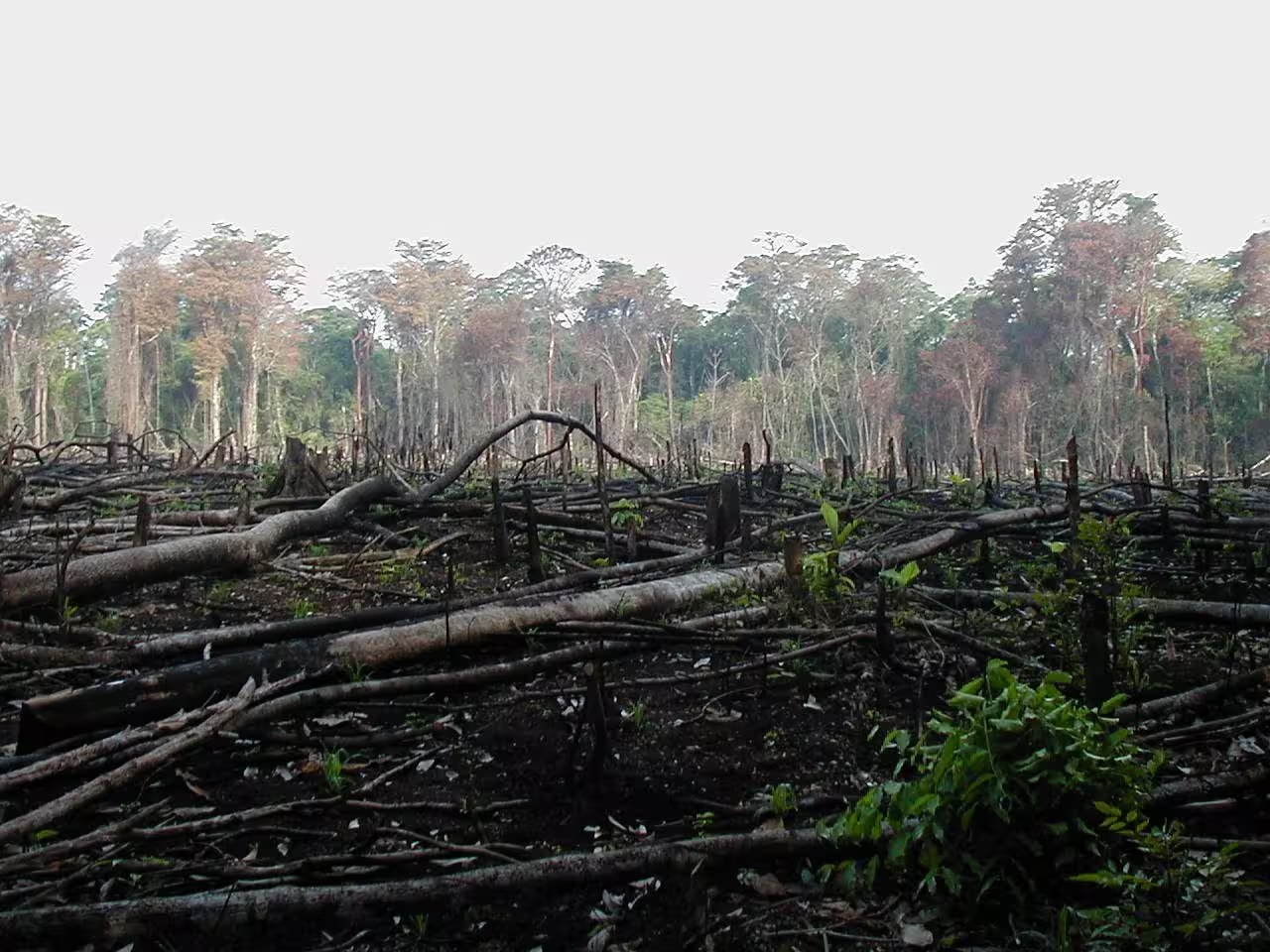
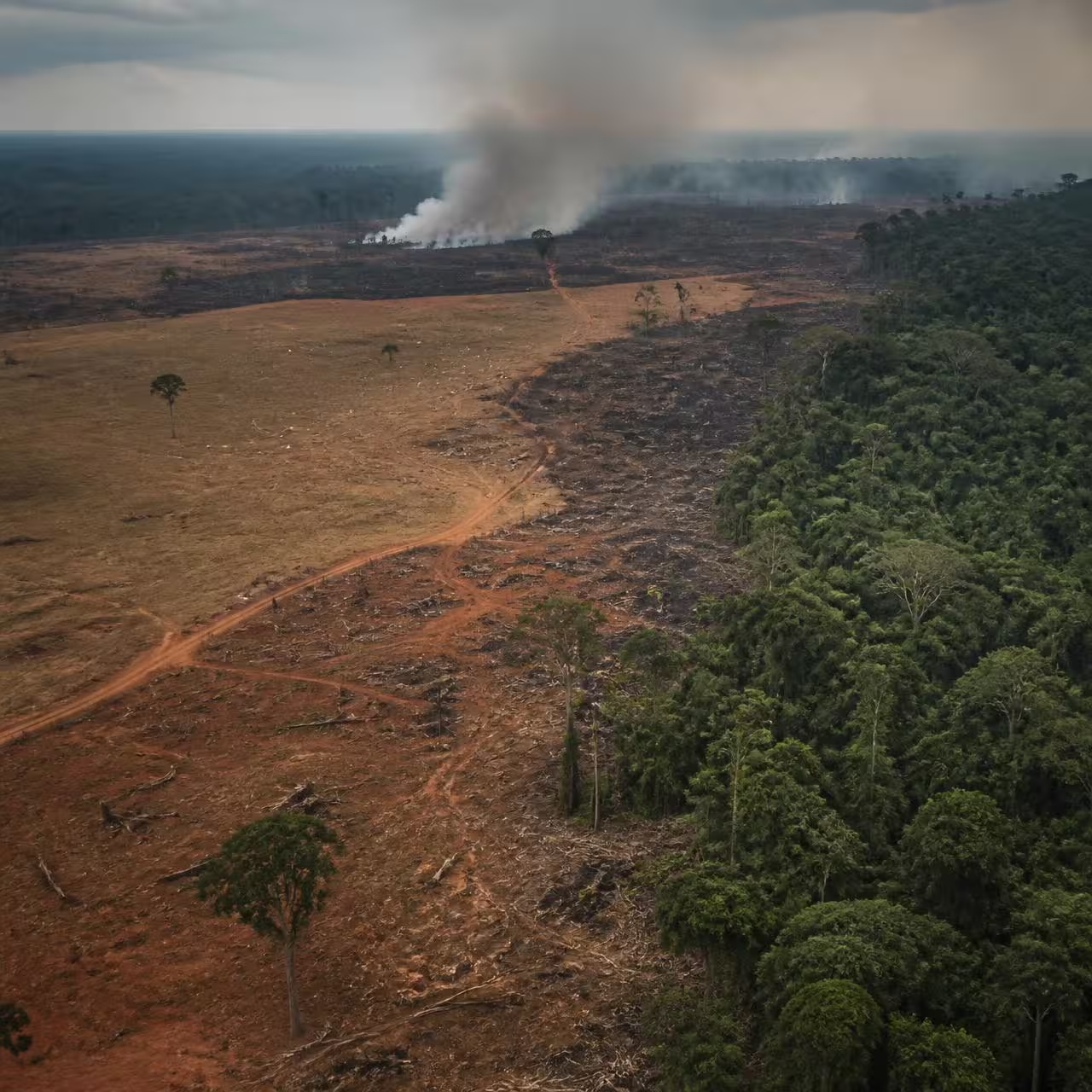
Aerial view of smoke rising over rainforest cleared for open land
PlanetAnimalsHumans
One movement, three reasons

For the Planet, the Animals, and our fellow Humans.

Three intertwined harms come from one industry. Three intertwined goods come from one daily choice.

Smoke rising from a burned Amazon forest clearing
For the Planet

A livable Earth begins on the plate.

Livestock agrifood systems account for about 12% of human-caused greenhouse emissions, according to FAO’s estimate for 2015. They also contribute to deforestation and water pollution. Eating more plants can help reduce the climate and land footprint of our food.

A mother pig nursing her piglet outside an industrial barn
For the Animals

Every life on that plate had a face.

More than eighty billion land animals are slaughtered for meat each year. Fishcount estimates 1.1–2.2 trillion wild fish were caught annually in 2000–2019, with billions more killed on farms. Many farmed animals experience painful procedures and confinement. Choosing plants is a daily act of mercy available to us.

Volunteers harvesting vegetables in a community garden
For Humans

Health, dignity, and food sovereignty.

Well-planned plant-based diets can support health, and observational studies link vegetarian diets with lower heart disease risk. Slaughterhouse workers face serious injury risks, and research raises concerns about psychological distress. Plant-based eating can also help reduce food-related environmental pressures.

私たちの立場

正義のパラドックス

工業型畜産は、気候の不安定化や資源の枯渇を通じて、十分なサービスを受けられていないコミュニティに不釣り合いな危害を与えています。植物を選ぶことは、抵抗の一つの形です。

01.

地球のために

気候危機に最も脆弱な地域で、水を節約し、土壌の生物多様性を保護します。

02.

動物のために

搾取のサイクルを終わらせ、地球上のすべての生き物との親族関係を認識します。

03.

人々のために

食料主権を確保し、世界の工業的食料システムから伝統的な植物中心の食生活を取り戻します。

規模

数字は主張ではありません。証拠です。

植物を支持する論拠の背景にある、12の検証済みデータポイント。各カードの末尾に情報源を記載しています。

83B

毎年殺される陸生動物

大多数の動物は集約的システムで飼育されており、米国では養殖動物の99%以上が工場式農場で飼育されています。

FAOSTAT, 2022; Sentience Institute

1–2.8T

毎年殺される水生動物

そのほとんどは畜産統計にさえ含まれていない。彼らは甲板の上や網の中、あるいは工業用水槽の中で窒息死していく。

fishcount.org.uk

15,000 L

牛肉1kgに必要な水

畜産製品は、世界の農業における水フットプリントの約3分の1を占めています。牛肉のフットプリントの大部分は、牧草地や飼料作物に降る雨水によるものです。

Mekonnen & Hoekstra, 2012

80%

牛によるアマゾンの森林破壊

牛の牧畜は、世界中で熱帯林減少を引き起こす最大の単一要因でもあります。

Yale E360 / WRI

77%

家畜の飼料に使われる農地

しかし、家畜が供給するのは世界のカロリーのわずか18%、タンパク質の37%に過ぎない。この計算は成り立たない—そしてこれまでも成り立ったことはない。

Poore & Nemecek, 2018

32%

人間活動による家畜からのメタン排出のうち

メタンは20年間でCO₂の約80倍の熱を閉じ込めるため、メタン排出を削減することは短期的な温暖化を遅らせる最も速い方法の一つです。

UNEP Global Methane Assessment, 2021; IPCC AR6

73%

販売される抗菌薬のうち

過密な小屋での日常的な投与は抗菌薬耐性を助長しており、2019年には直接的な原因だけで推定127万人が死亡しました。

Van Boeckel et al., Science 2019; Murray et al., Lancet 2022

86%

絶滅の危機に瀕している種のうち

農業、とりわけ家畜および飼料用の土地利用は、陸上における生物多様性喪失の主な原因であり、海洋では乱獲が主な原因です。

Chatham House / UNEP, 2021

1B+ t

毎年家畜に与えられる穀物

世界で収穫される穀物の約3分の1は家畜の飼料に回されています。その一方で、2023年には約7億3000万人が飢餓に直面しました。

FAO Food Outlook; SOFI 2024

75%

自然に還せる農地の割合

世界的に植物由来の食生活へ移行すれば、米国、中国、EU、オーストラリアを合わせた面積と同等の土地が、森林や野生生物、水のために解放されることになります。

Our World in Data

8M

2050年までに毎年救われる命

世界的なビーガン食への移行をモデル化した試算では、2050年までに年間約800万人の死亡が減少すると予測されています。

Springmann et al., PNAS 2016

200

一人当たりが一年で救う動物の数

平均的なアメリカ人が1年間に消費する陸上動物と魚の推定数です。これをコミュニティの人数、さらに国全体の人口で掛けてみてください。

Counting Animals
動物たち

6つの種。数兆の命。1つのパターン。

すべての種のプロフィールを見る →

鶏

鶏は他のすべての陸生動物を合わせた数よりも多く屠殺されている。

牛

乳製品は牛肉の平和的な代替品ではない—それは牛肉の母親そのものである。

豚

認知能力テストでは幼い子供と比較されることも多い彼らですが、産業内では単なる「ユニット(単位)」として扱われています。

魚

最も数が多く、最も数えられず、最も保護されていない養殖動物のグループ。

羊とヤギ

生体輸送—トラックと船による—は、彼らの体を前提に成り立っている。

天然の魚介類

多くの魚種が、回復する速度を上回るスピードで枯渇させられています。

産業

4つの産業が、同じ仕組みを隠しています。

乳製品産業

ミルクは哺乳類の乳である。それを工業規模で生産するには、強制的な繁殖と家族の分離というシステムが必要となる。

この産業についてもっと読む →
What we stand against

Against factory farms. Against cruelty by the billion.

Many farmed animals live in industrial confinement systems — cages, crates and crowded sheds. These systems can cause serious welfare problems. Livestock production also contributes to greenhouse emissions, water pollution and land-use change, while workers face occupational hazards.

We don't dress this up. We document it, we name it, and we offer a way out — one meal, one habit, one shop at a time.

See what they endure
Hens packed into battery cages
A young calf inside a transport trailer
An industrial trawler hauling a massive net
A rescued chick in human hands
Why this site exists

Most advocacy talks past the people who could actually be reached.

The loudest voices in plant-based advocacy tend to speak English, publish in Western contexts, and assume their audience already knows what tofu is. The result is content that reaches people who are already almost there — and misses the billions of people who eat largely plant-based already without calling it anything, and the millions more who would change if they encountered the case in their own language, through their own food traditions.

Veg.ac exists to close that gap. We publish the same honest, evidence-led case across dozens of languages, rooting each version in the plant traditions of the communities we're speaking to. This is not translation for translation's sake. It is the belief that where you are born and what language you speak should not determine whether you have access to clear information about food, animals, and the planet.

What we stand for

A table wide enough for everyone.

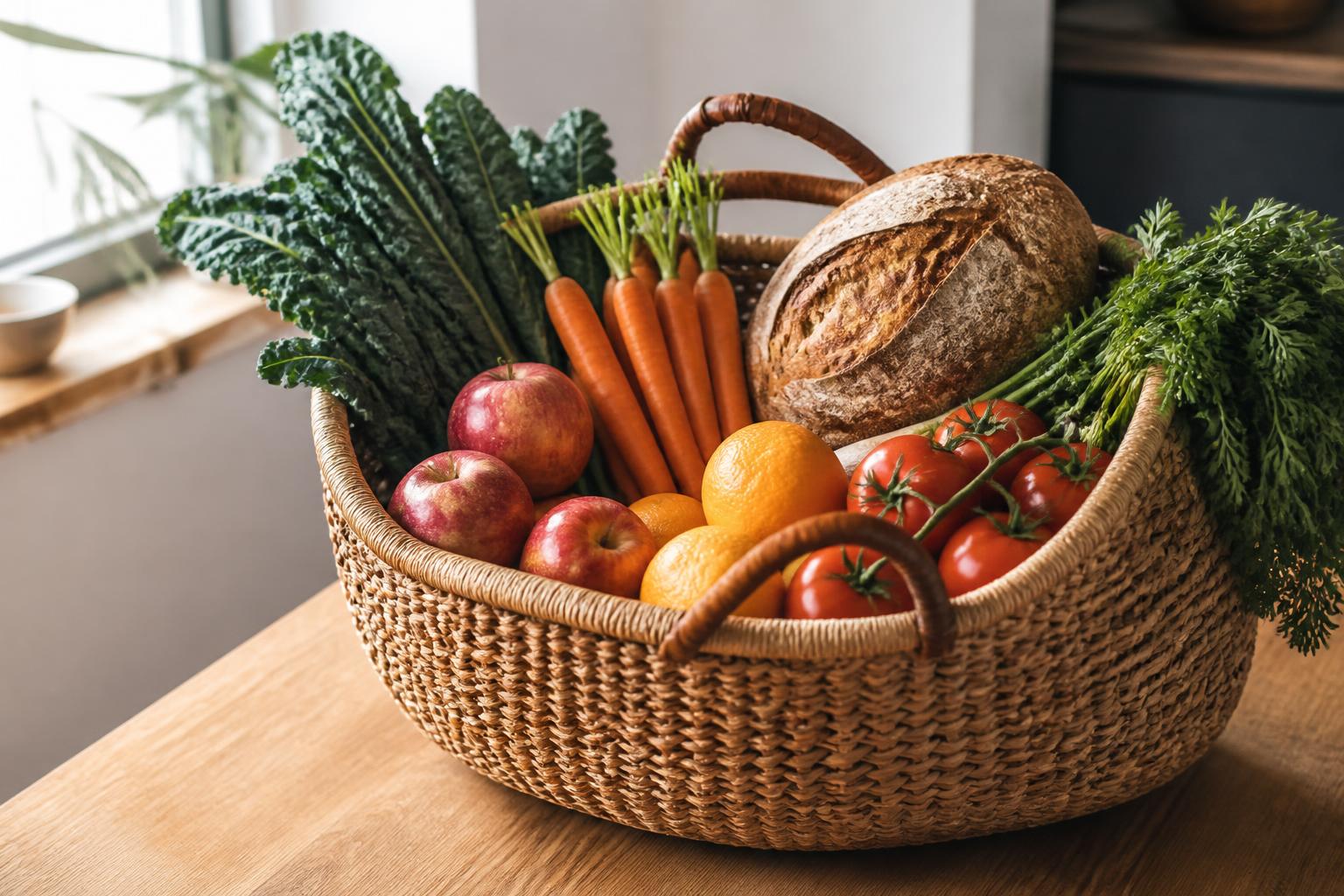
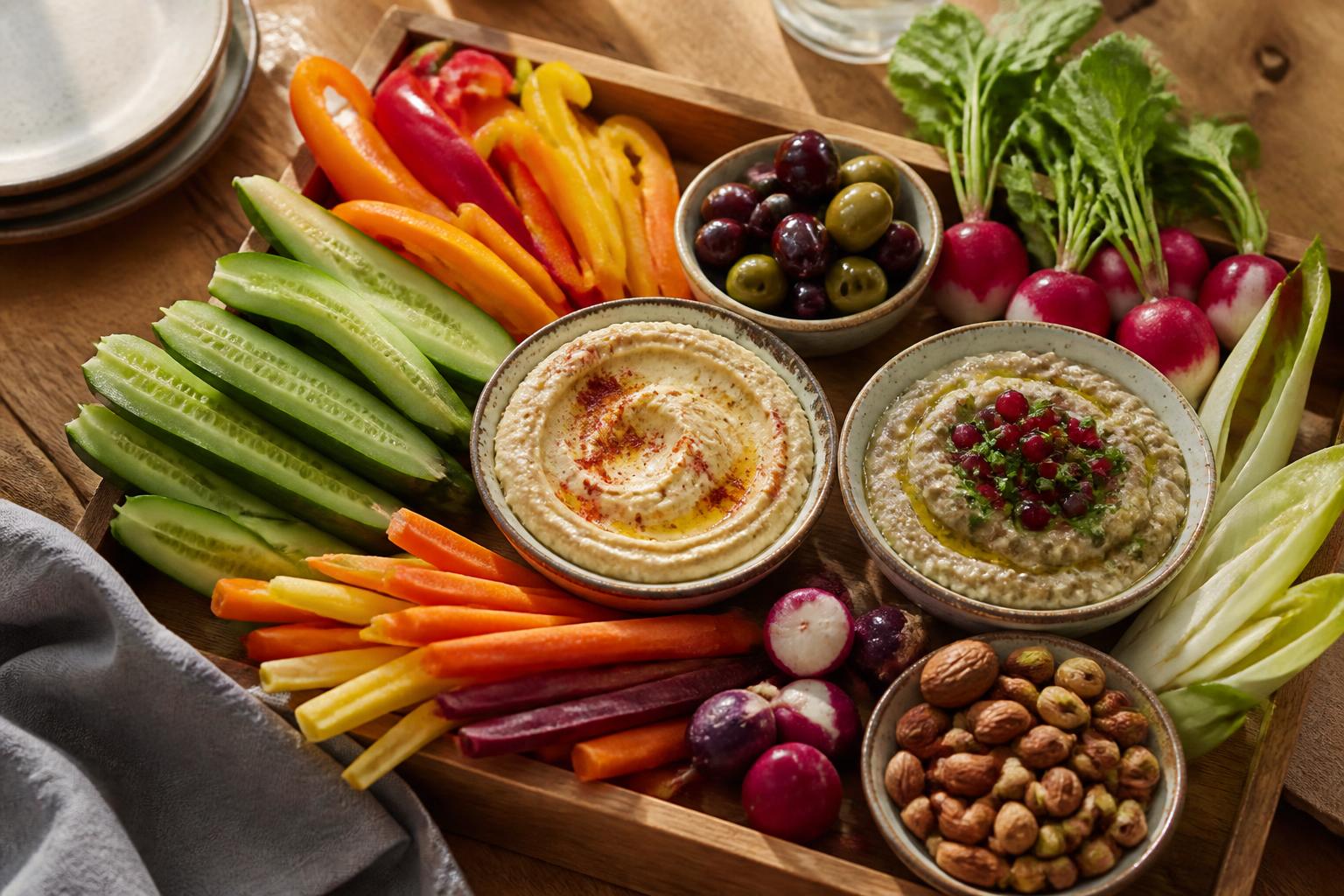
Plant-based eating isn't deprivation — it's a rich, colorful way to feed ourselves. From grain bowls in Addis to lentil stews in Lahore, abundance is already on the menu.

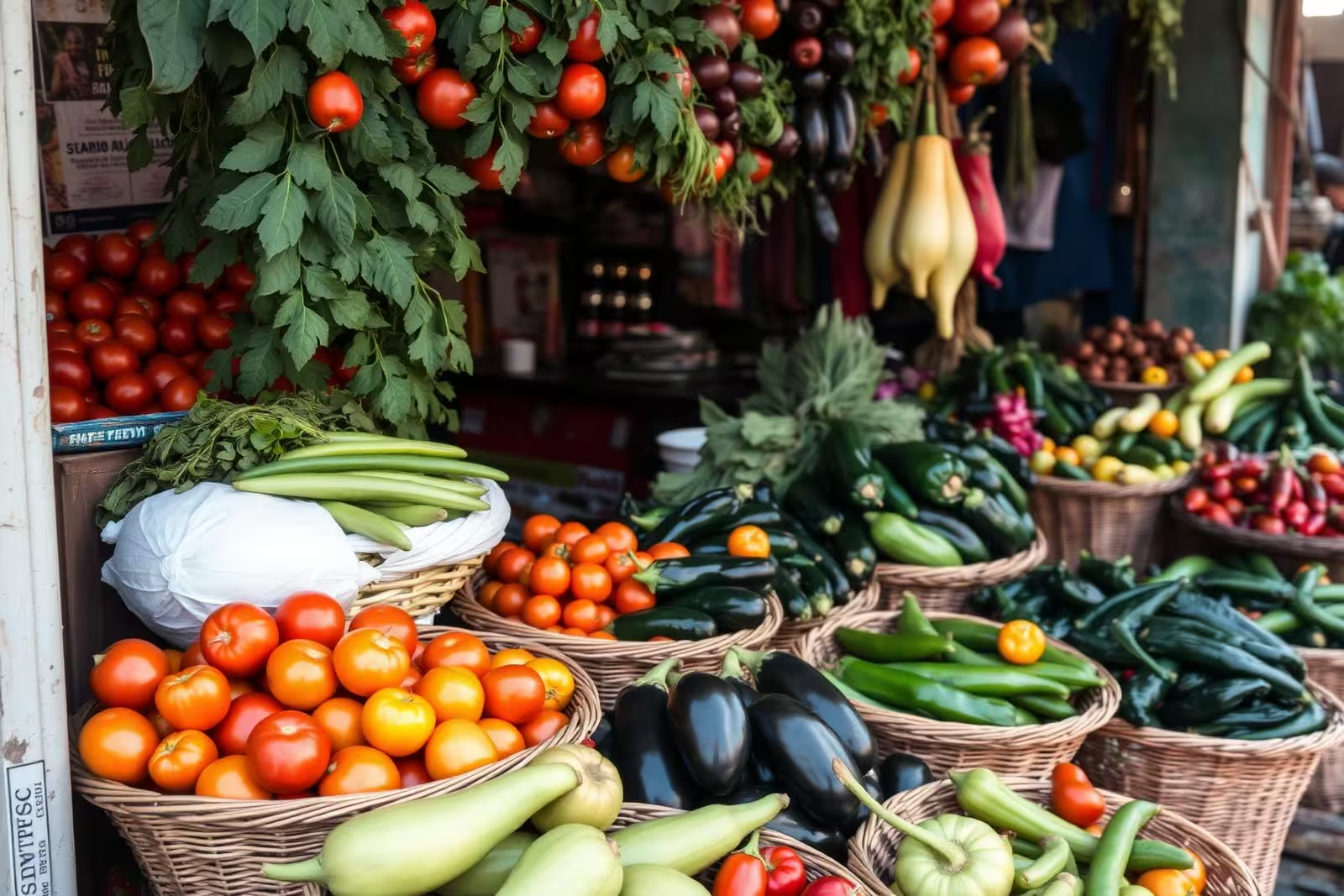
Open-air market stall overflowing with fresh produce
Glass jars filled with colorful beans, lentils, and grains
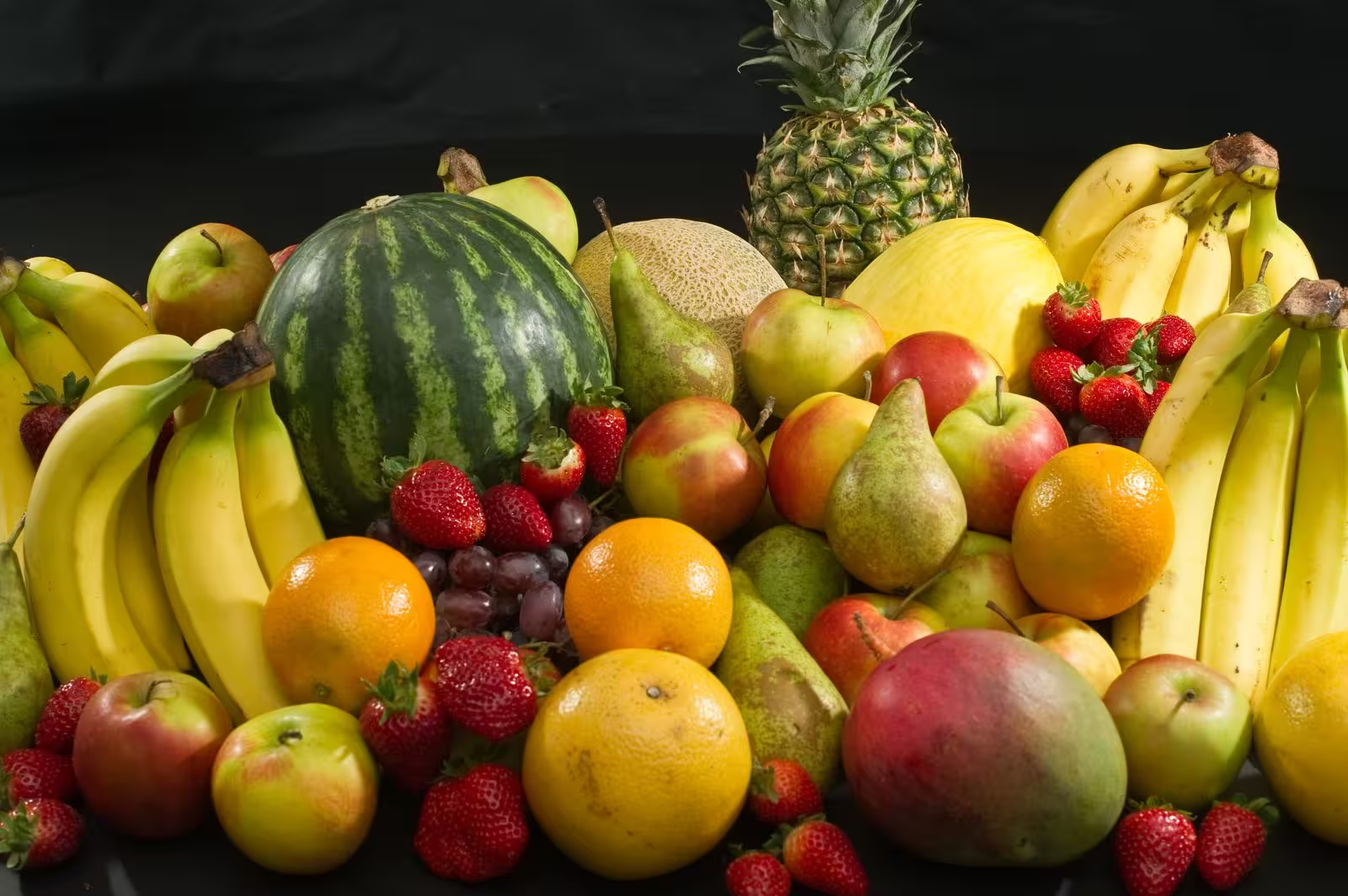
Vibrant spread of seasonal fruits
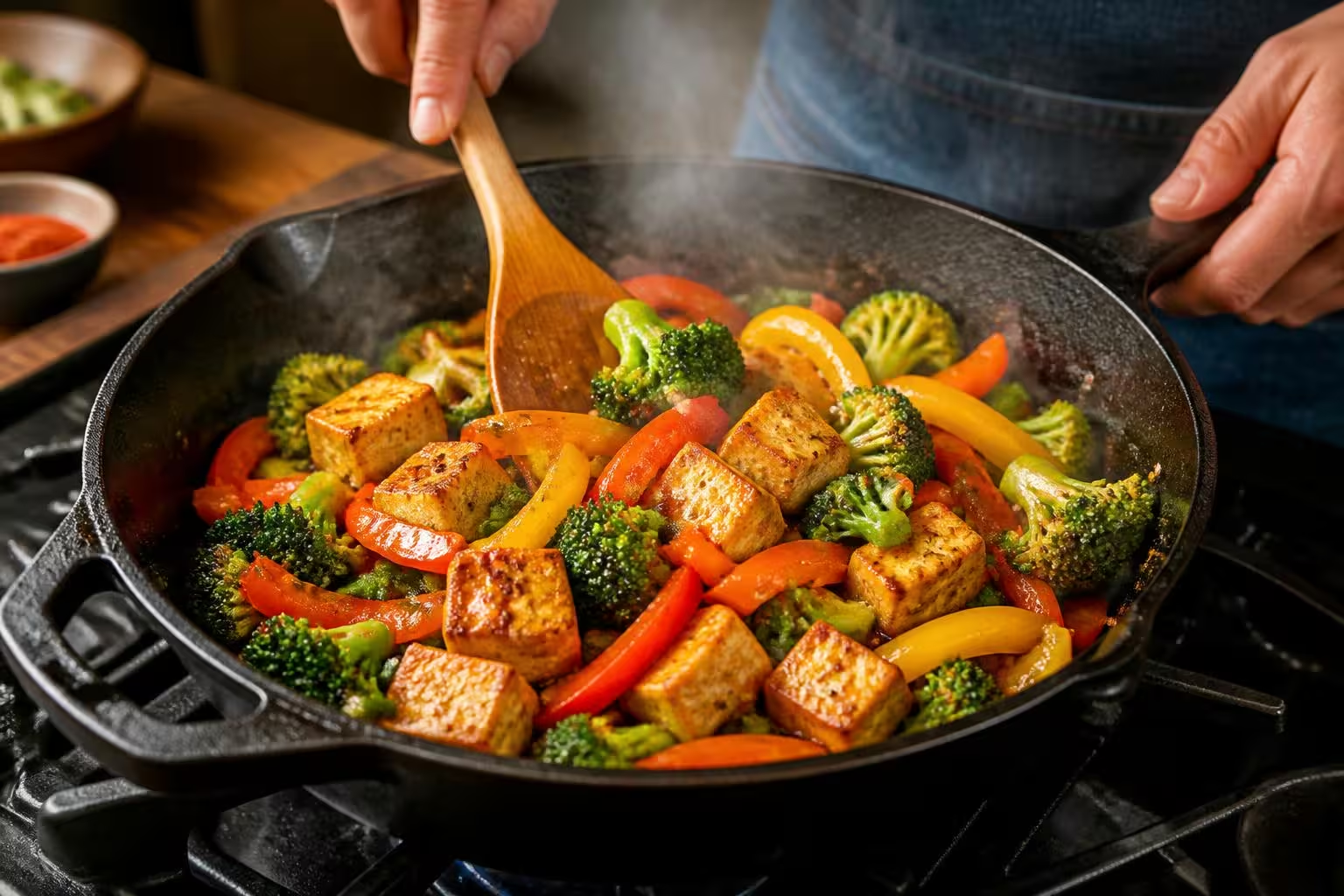
Hands tossing vegetables in a hot wok
What you will find here

A map of the site.

私たちの立場

政治運動ではありません

Veg.acは左右どちらにも属しません。私たちは特定の政党、イデオロギー、政府、活動家キャンペーンとは一切関係がありません。私たちが公開する情報は、査読付き科学論文、公式データ、直接取材に基づいています。すべての情報源を自由に確認いただけます。

無党派

特定の政党、候補者、政治ブロックには属しません。あらゆる政治的、宗教的、文化的な背景を持つ人々が食事をし、健康的な食生活の重要性は彼ら全員に共通するものです。

スローガンではなく証拠

主張には情報源と日付が明記されています。証拠が議論の的であったり不確実な場合は、それを過度に強調するのではなく、その旨を明記しています。

強制ではなく招待

私たちは禁止を働きかけたり、誰かを非難したり、あなたが自分自身を変えることを求めたりしません。私たちは食料システムが何をしているかを示し、選択はあなたに委ねます。

独立

政治的資金や業界のスポンサーシップがここに掲載される内容を左右することはありません。

Common questions

The things people ask before they read anything else.

These are the questions that come up in messages, at dinner tables, and in comment sections. We have tried to answer each one the way we would answer a thoughtful friend.

Your move

For Planet, Animals, and Humans. Today, on your plate.

You don't need to be perfect. You need to begin. Pick one meal, one swap, one day this week — and let the rest follow.

Key takeaways

  • Every meal is a choice with animal, health, and climate consequences.
  • Going plant-based can cost less than a mixed diet when built around affordable staples.
  • The evidence base spans nutrition science, ethics, and environmental data.
  • Small steps compound: one weekly swap is a real, measurable change.

Take action — step by step

  1. 1Pick one meal today and make it fully plant-based — breakfast is the easiest.
  2. 2Swap one weekly grocery item (milk → oat, mince → lentils, cheese → hummus).
  3. 3Follow the 7-day starter guide for a shopping list and 21 meals.
  4. 4Share this page with one person who is curious but unsure where to begin.

Share this page

Every meal is a choice for animals, health and the planet. Start here:

Share on XShare on FacebookShare on WhatsApp

Frequently asked questions

No. Replacing animal products with plant staples can reduce demand for animal farming and lower food emissions. Start with one regular swap and build from there.

Keep reading