01
温室効果ガス
畜産業は人間活動による全温室効果ガス排出量の約12–15%を占めており、これはあらゆる自動車、トラック、船舶、航空機の排ガスを合計したものに匹敵します。家畜からのメタンは20年間でCO₂の約80倍の温室効果をもたらします。
畜産は森林破壊と生物多様性喪失の主要な要因であり、土地と淡水の膨大な消費源です。家畜は人間活動による温室効果ガスの約12〜15%を排出しており、これはすべての自動車、トラック、船舶、飛行機の排出量を合計した量に匹敵します。植物由来の食事への移行は、個人ができる最大の削減策の一つです。
牛肉1kgに必要な水
畜産製品は、世界の農業における水フットプリントの約3分の1を占めています。牛肉のフットプリントの大部分は、牧草地や飼料作物に降る雨水によるものです。
Mekonnen & Hoekstra, 2012
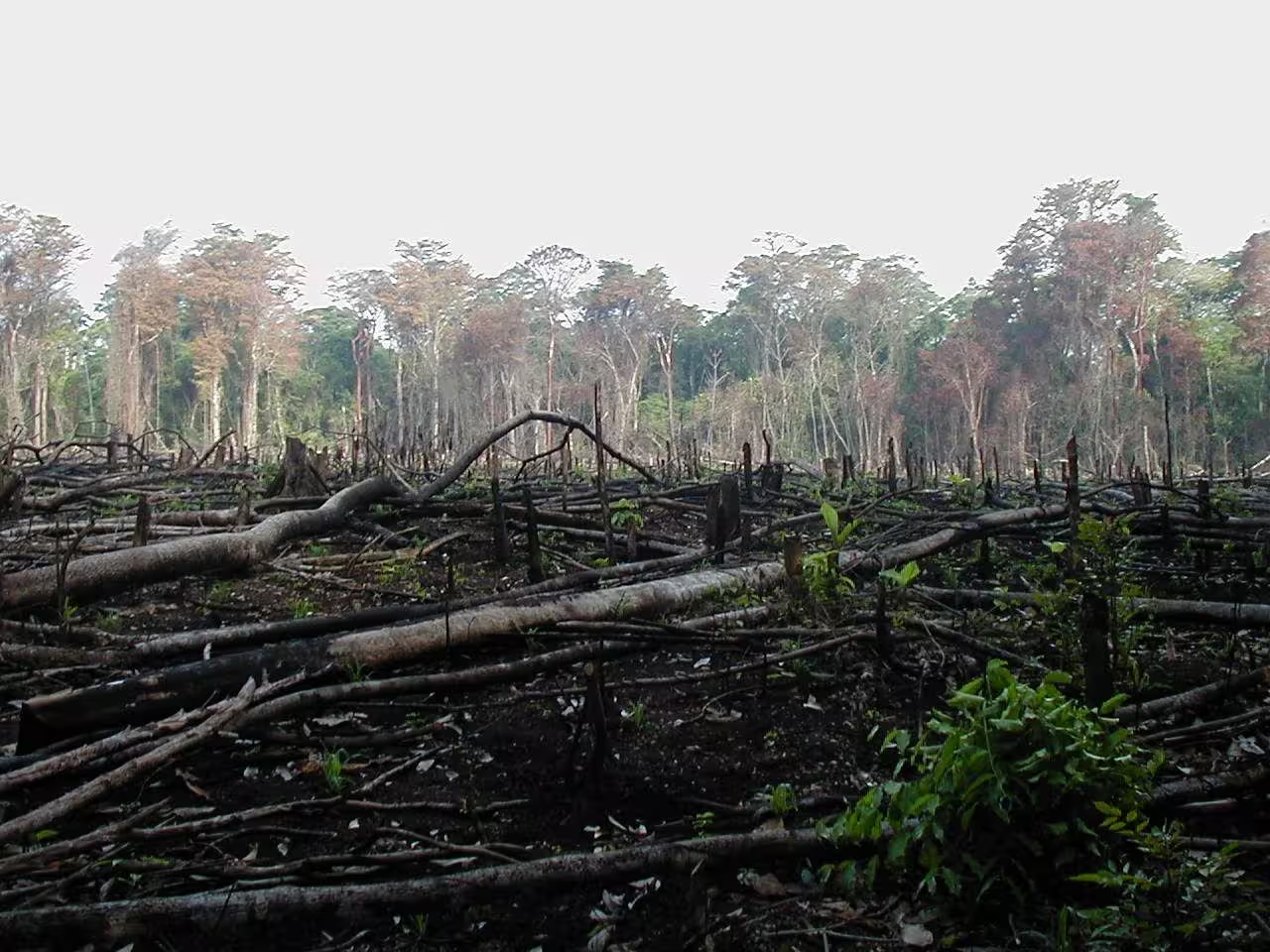
牛によるアマゾンの森林破壊
牛の牧畜は、世界中で熱帯林減少を引き起こす最大の単一要因でもあります。
Yale E360 / WRI
家畜の飼料に使われる農地
しかし、家畜が供給するのは世界のカロリーのわずか18%、タンパク質の37%に過ぎない。この計算は成り立たない—そしてこれまでも成り立ったことはない。
Poore & Nemecek, 2018
自然に還せる農地の割合
世界的に植物由来の食生活へ移行すれば、米国、中国、EU、オーストラリアを合わせた面積と同等の土地が、森林や野生生物、水のために解放されることになります。
Our World in Data
畜産業は人間活動による全温室効果ガス排出量の約12–15%を占めており、これはあらゆる自動車、トラック、船舶、航空機の排ガスを合計したものに匹敵します。家畜からのメタンは20年間でCO₂の約80倍の温室効果をもたらします。
牛の牧畜はアマゾンの森林破壊の約80%を引き起こしており、世界中で熱帯林が失われる最大の単一要因です。
牛肉1kgあたりの水フットプリントは約15,000リットルで、その大部分は牧草地や飼料作物に降る雨水です。野菜1kgあたりは約320リットルです。農業は世界中の淡水取水量の約70%を消費しています。
家畜および飼料用の土地利用は、陸上における生物多様性喪失の主要因であり、海洋では乱獲が主導しています。私たちは野生哺乳類を、バイオマス比で約15対1の割合で家畜に置き換えてしまいました。
糞尿ラグーンや飼料作物からの肥料の流出は、世界中の海や湖に酸素が欠乏した「デッドゾーン」を生み出している。
もし世界が植物由来の食生活に移行すれば、現在の農地の約4分の3を自然に戻すことができます。これは人類が利用できる、再野生化のための最大のチャンスの一つです。
Climate numbers can feel abstract. Reduced to a single meal, they get personal — and small daily choices add up to most of an individual's food footprint.
Beef generally has a much larger greenhouse-gas footprint than beans or lentils. The footprint of a burger depends on patty size, ingredients and production methods; global averages do not describe every meal.
A 200 ml glass of cow's milk accounts for around 126 litres of freshwater withdrawals in global-average data, and roughly three times the greenhouse gases of oat or soy milk. Plant milks vary in flavour, texture and nutritional content.
Farmed salmon can involve wild fish in feed, antibiotic use and nutrient pollution. Tofu generally has lower emissions than farmed fish in global-average data; protein content varies with the type of tofu and fish.
A 2023 UK study compared vegan diets with diets containing at least 100 g of meat daily. These estimates describe group averages, not guaranteed savings for each person.
Vegan diets used about 54% less water than high-meat diets in the UK study; impacts vary by production and sourcing.
Vegan diets used about 75% less land than high-meat diets in the UK study; lower demand can reduce pressure on habitats.
Vegan diets had about 75% lower greenhouse-gas emissions than high-meat diets in the UK study.
Vegan diets had about 66% lower modelled potential biodiversity impact than high-meat diets in the UK study.
Cattle, sheep and goats are major sources of methane, a greenhouse gas about 80 times more potent than CO₂ over a 20-year window. Methane is shorter-lived than CO₂, so sustained emission reductions can limit warming relatively quickly.
Reducing livestock methane can help limit near-term warming, alongside cuts in fossil-fuel emissions and other climate actions. Food choices are one part of that wider effort.
Global averages across about 38,700 farms in 119 countries.
Poore & Nemecek, Science (2018)
Global averages, counting rainwater, irrigation water and the water needed to dilute pollution.
Mekonnen & Hoekstra, Water Footprint Network
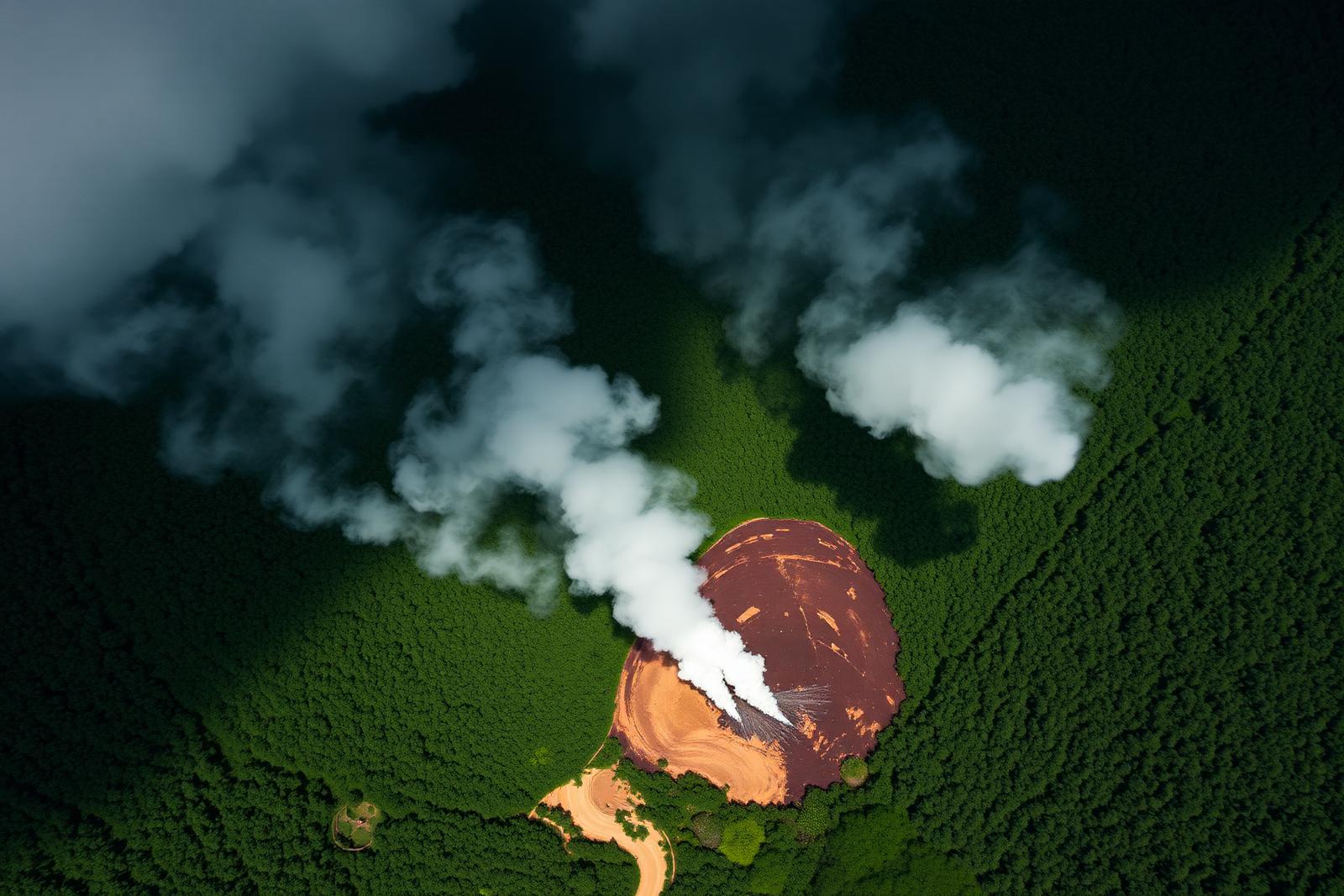
A striking finding in the Poore and Nemecek (2018) analysis is the land-use disparity. Meat, aquaculture, eggs, and dairy used about 83% of farmland while providing 18% of calories and 37% of protein. This includes both grazing land and land growing animal feed. The disparity is central to the environmental case for shifting food production toward plants.
Beef has a much larger land footprint per unit of protein than tofu or legumes. Its land requirements include extensive grazing areas as well as cropland used for feed. Pasture accounts for much of this footprint, and land use varies considerably between production systems.
Cow's milk generally requires more land per litre than oat or soy milk. Comparisons per unit of protein differ because these drinks contain different amounts of protein. Dairy land use includes both pasture and cropland used to grow animal feed.
Far lower land footprints than beef per gram of protein, but still 3–10 times higher than legumes. The comparison matters because the land freed by moving away from all animal products — not just beef — is what enables meaningful ecosystem restoration.
Poore and Nemecek estimated that excluding animal products could reduce global agricultural land use by about 75% — an area roughly the size of the US, China, the EU and Australia combined — while providing enough food for the population considered in their analysis.
The IPBES Global Biodiversity Assessment (2019) estimated that around 1 million animal and plant species are threatened with extinction. Land-use change is the leading direct driver in terrestrial and freshwater ecosystems. FAO's assessment of 2000–2018 found agricultural expansion drove almost 90% of global deforestation, with cropland expansion accounting for more than half and livestock grazing for almost 40%.
The specific mechanism matters: when native habitat is converted to monoculture crops or pasture, the specialist species that depend on that habitat cannot survive. They have nowhere else to go. Generalist species thrive in disturbed landscapes; specialists die. The result is a steady replacement of biological complexity with biological simplicity. Reversing this requires land to be freed — and the most direct way to free land at scale is to shift food production toward plant-based systems.
Excess nitrogen and phosphorus from fertilisers, manure, and other sources can flow through rivers into coastal waters, causing eutrophication. When algae die and decompose, oxygen is depleted, creating dead zones. The zone near the Mississippi's mouth varies substantially from year to year; nutrient pollution and water conditions influence its extent.
Aquaculture — fish and seafood farming — was long promoted as a solution to overfishing. In some forms it can be. But intensive salmon and tuna farming requires large quantities of wild-caught 'forage fish' as feed — meaning farmed salmon production drives the same overfishing it was supposed to replace. Sea pens also concentrate waste and disease in coastal waters, damaging adjacent wild fish populations. The best-performing aquaculture systems are shellfish and seaweed, which require no feed inputs and can improve water quality.
"Most strikingly, impacts of the lowest-impact animal products typically exceed those of vegetable substitutes, providing new evidence for the importance of dietary change."
"Food-related greenhouse gas emissions would be cut by 29% in the scenario following dietary guidelines, 63% with widespread adoption of vegetarian diets and 70% with vegan diets."
"Consumption of healthy and sustainable diets presents major opportunities for reducing GHG emissions from food systems and improving health outcomes."
"The health of ecosystems on which we and all other species depend is deteriorating more rapidly than ever."
"ヴィーガン食は、温室効果ガスだけでなく、地球の酸性化、富栄養化、土地利用、水利用といった地球への影響を低減する、おそらく唯一にして最大の手段です。"
— Joseph Poore(オックスフォード大学、2018年の食料の環境負荷に関する研究の筆頭著者、The Guardian紙の取材にて)
| Environmental impact (units by row) | Animal | Plant |
|---|---|---|
| Land (m²·year / 100 g protein) | Beef (beef herd): 164 m²·year | Tofu: 2.2 m²·year |
| Freshwater withdrawals (L / kg food) | Cheese: 5,605 L | Peas: 397 L |
| GHG (kg CO₂e / 100 g protein) | Lamb: 19.9 | Peas: 0.4 |
Poore & Nemecek, Science 2018
Food choices are an important climate lever. The evidence, plainly laid out: