Feijão-vermelho
Também conhecido(a) como: rajma
O feijão-vermelho é um feijão firme usado em chili, rajma e saladas. O preparo correto é fundamental porque o feijão-vermelho cru ou mal cozido contém uma lectina potencialmente nociva.
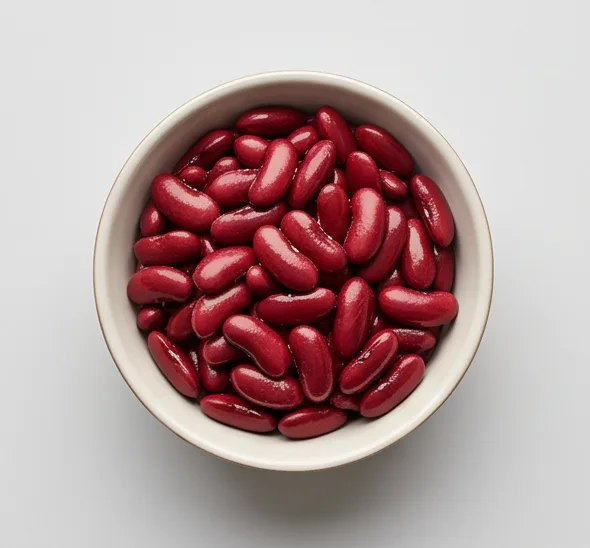
Nutrição por 100 g cooked
- Calorias
- 127
- Proteína
- 8.7 g
- Gordura
- 0.5 g
- Hidratos de carbono
- 23 g
- Fibra
- 6.4 g
Porque é importante
Food safety and substitutions
These are flexible cooking outlines, not laboratory-tested nutrition calculations. Use fully cooked beans. For dried kidney beans, soak and boil according to reliable food-safety instructions; do not cook them from raw in a slow cooker. Refrigerate cooked food promptly in shallow containers and follow local guidance for leftovers, especially cooked rice. Check soy, wheat, peanut and other allergens before substituting ingredients.
Food Standards AgencyUsos comuns
Combinações clássicas
Tomate · Garam masala · Cebola
Preparo e textura
O feijão-vermelho enlatado já vem cozido. Para o feijão seco, coloque de molho, descarte a água da demolha e ferva em água limpa seguindo orientações seguras de preparação alimentar antes de continuar o cozimento.
O que verificar antes de usar
Não prove feijão-vermelho cru ou mal cozido nem o cozinhe a partir do estado cru apenas numa panela de cozedura lenta. Um aquecimento rápido não substitui o processo completo e seguro de preparação.
Fontes e limitações
Os valores nutricionais descrevem a forma de referência e são aproximados, não se tratando de uma análise laboratorial da sua compra. A variedade, o teor de água, o processamento e a fortificação podem alterar o resultado. As fontes abaixo explicam a composição dos alimentos, o manuseio seguro e as diretrizes de nutrientes; elas não comprovam que um alimento isolado trate qualquer doença.
Como Feijão-vermelho se encaixa em um dia normal de alimentação
The reference portion of Feijão-vermelho contains 127 kcal, 8.7 g of protein and 6.4 g of fibre per 100 g. Read these figures alongside the preparation state shown above: dry grains, cooked pulses and oils are not interchangeable portions. Multiply each figure by the weight you actually eat divided by 100. A food with little protein or fibre can still have a useful culinary role; it should not be described as a substantial source of those nutrients.
The usual uses of Feijão-vermelho are Chili, Rajma, Salada de feijão. Choose the portion and preparation for that role rather than assuming every ingredient should be the centre of a meal. For example, herbs season a dish, oils supply concentrated fat, and legumes can contribute protein and fibre. Check the ingredient's own nutrition values and combine it with complementary foods across the day.
Nutrição por 100 g, e para que serve cada linha
| Nutriente | Por 100 g | Por que importa |
|---|---|---|
| Calorias | 127 | Densidade energética — útil para avaliar o tamanho da porção em relação ao resto do prato. |
| Proteína | 8.7 g | Ajuda na reparação muscular e saciedade; distribua ao longo do dia em vez de concentrar tudo de uma vez. |
| Gordura | 0.5 g | Carrega vitaminas lipossolúveis e sabor; o tipo de gordura importa mais que a quantidade. |
| Hidratos de carbono | 23 g | Principal fonte de energia; carboidratos integrais vêm com fibras e minerais agregados. |
| Fibra | 6.4 g | Alimenta as bactérias do intestino, estabiliza o açúcar no sangue e é o nutriente que mais falta na maioria das dietas. |
Como comprar e armazenar Feijão-vermelho
- Compare the ingredient list and price for the form you need. A plain version may be useful, but fortified products can provide nutrients that an unfortified version lacks.
- Fresh, frozen, canned and dried products differ in water content, added salt and preparation. Compare nutrition using the same preparation state and a realistic serving, not package weight alone.
- Follow the package's storage instructions. Refrigerate perishable foods promptly; a dry cupboard is not appropriate for every ingredient.
- Buy only an amount you can store safely and use before spoilage. A lower unit price does not save money if part of the food is discarded.
Erros comuns
- Comparing dry and cooked weights as if they were equivalent. Water absorbed during cooking changes the nutrients per 100 g.
- Assuming every plant ingredient supplies meaningful protein, iron or fibre. Use the values above and the portion actually eaten.
- Ignoring food allergies, age-appropriate textures or a medical condition when choosing a serving.
- Assuming every ingredient can be eaten raw. Follow preparation instructions, especially for dried beans and foods requiring cooking.
Cozinhando com Feijão-vermelho
Os usos mais comuns são Chili, Rajma, Salada de feijão. Cada um deles é um modelo, não uma receita: quando você entende como Feijão-vermelho reage ao calor e ao sal, pode encaixá-lo nas refeições que já prepara, em vez de aprender um prato novo do zero.
Mais perguntas que as pessoas fazem
Is Feijão-vermelho a good source of protein?
The reference value is 8.7 g per 100 g. Whether that makes a meaningful contribution depends on the serving you eat. A small amount used for seasoning or cooking fat is not equivalent to a main serving of beans or tofu. Compare the prepared portion, not just the ingredient name.
How much Feijão-vermelho should I eat in a day?
There is no universal serving suitable for every ingredient or person. Match the amount to its role, energy density and your overall diet. Allergies, medical conditions, age and preparation matter. A clinician or registered dietitian can advise on individual restrictions.
Is Feijão-vermelho suitable for children and older adults?
Suitability depends on the ingredient, preparation and person. Consider allergies, swallowing and chewing ability, choking hazards and medical restrictions. Whole nuts and hard pieces may need grinding or another texture adjustment. Do not assume an ingredient is safe or nutrient-dense solely because it is plant-based.
Does cooking change the nutrients in Feijão-vermelho?
Cooking may reduce some heat-sensitive vitamins while improving digestibility or making a food safe to eat. Water gain or loss also changes the figures per 100 g. Compare nutrition data for the same cooked or uncooked form, and follow safe preparation instructions rather than avoiding cooking to preserve nutrients.
Is Feijão-vermelho expensive?
Prices vary by region, season, brand and preparation. Compare the cost of the amount you will actually use, including waste and cooking time. An oil, spice or specialty ingredient cannot be judged as a cheap protein source when it supplies little protein in a normal serving.
Continue explorando
Páginas relacionadas a esta sobre substituições, ingredientes, nutrientes e refeições.



