Veg.ac · 33 languages

গ্রহ, প্রাণী ও মানুষের জন্য —
কারখানা-খামার ও নিষ্ঠুরতার বিরুদ্ধে।

উদ্ভিদভিত্তিক জীবনের দিকে বৈশ্বিক রূপান্তর হলো ন্যায়, স্বাস্থ্য এবং আমাদের ভাগ করা ভবিষ্যতের জন্য একটি আন্দোলন। আপনার ভাষায়, আপনার সম্প্রদায়ের জন্য।

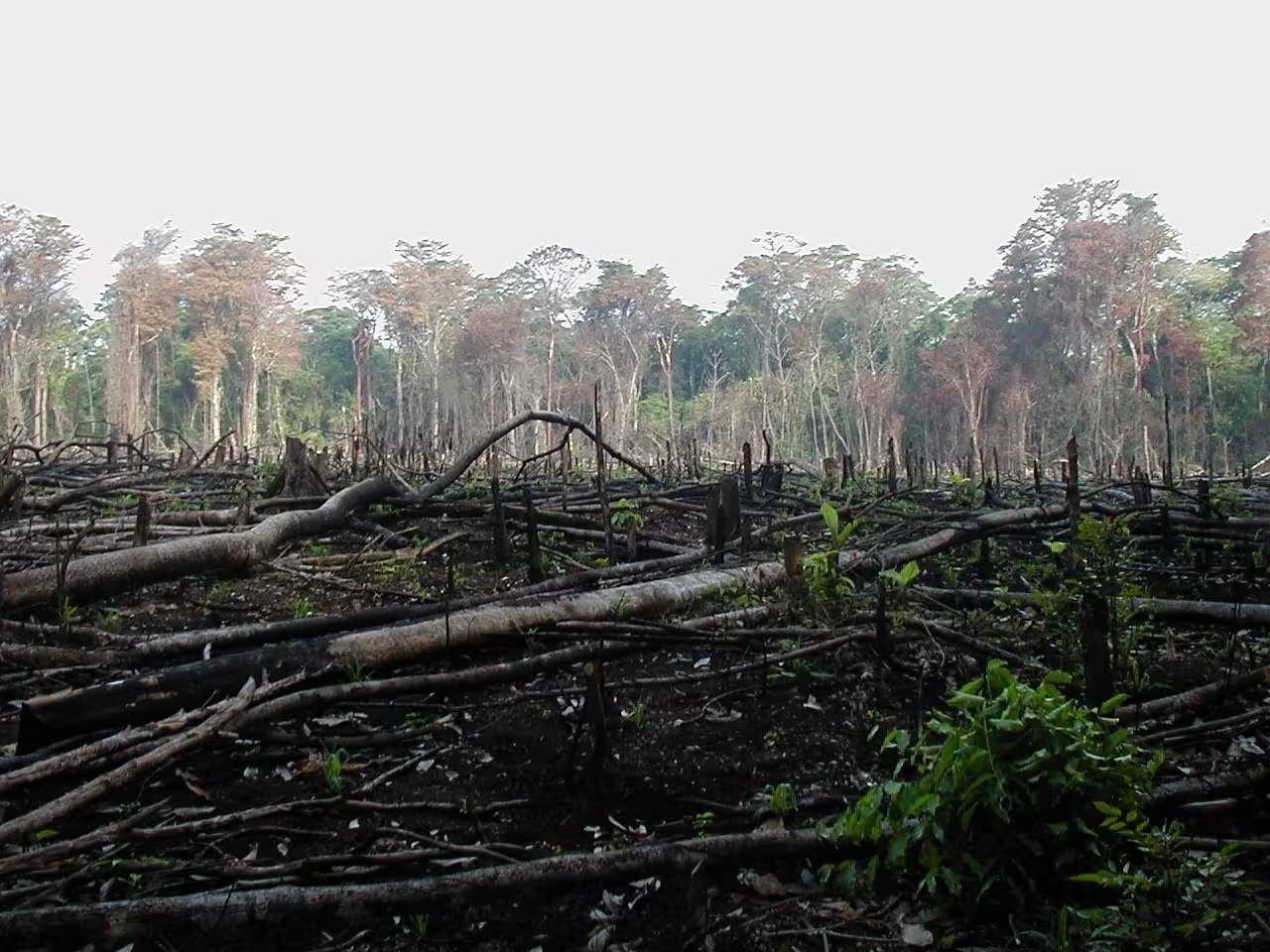
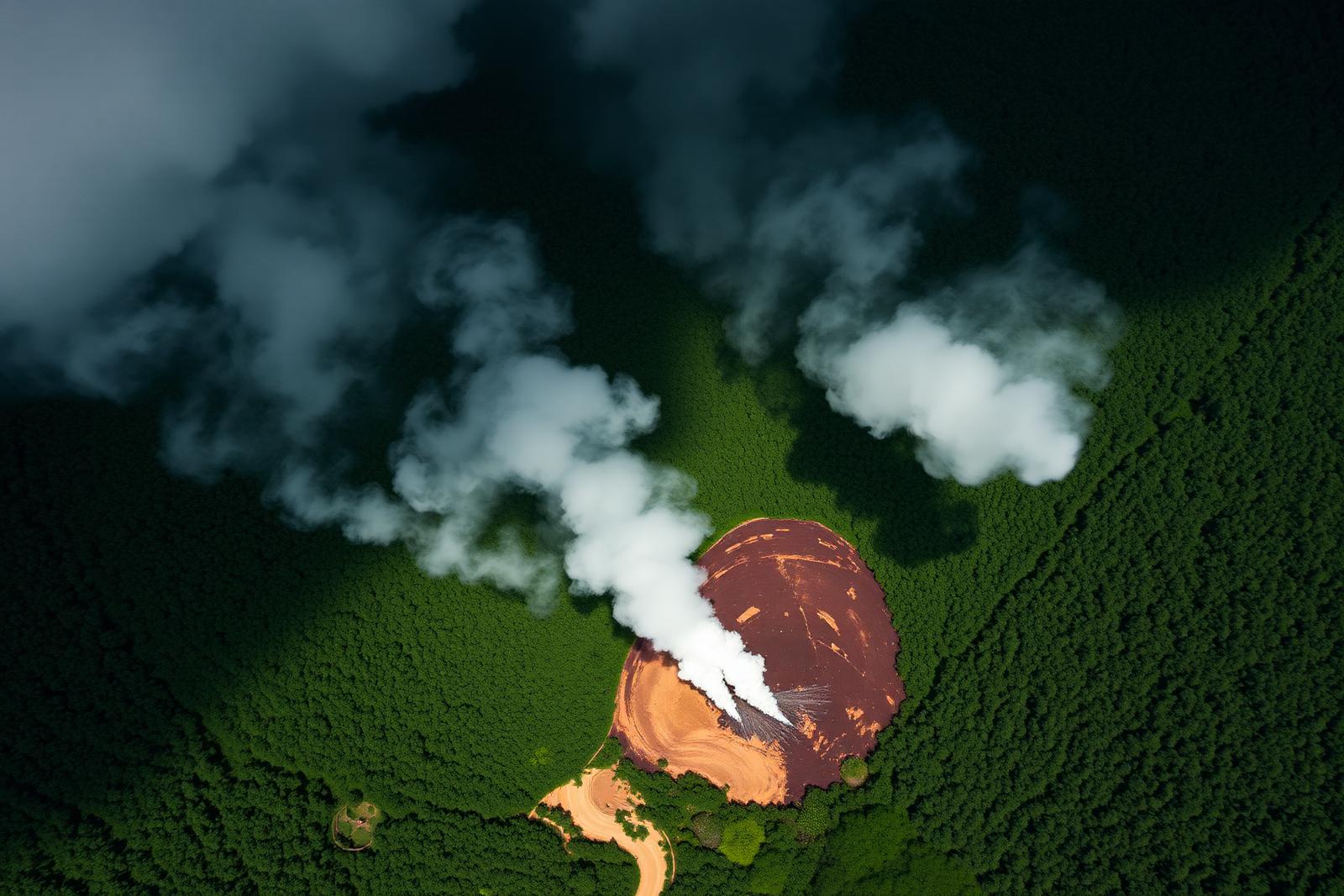
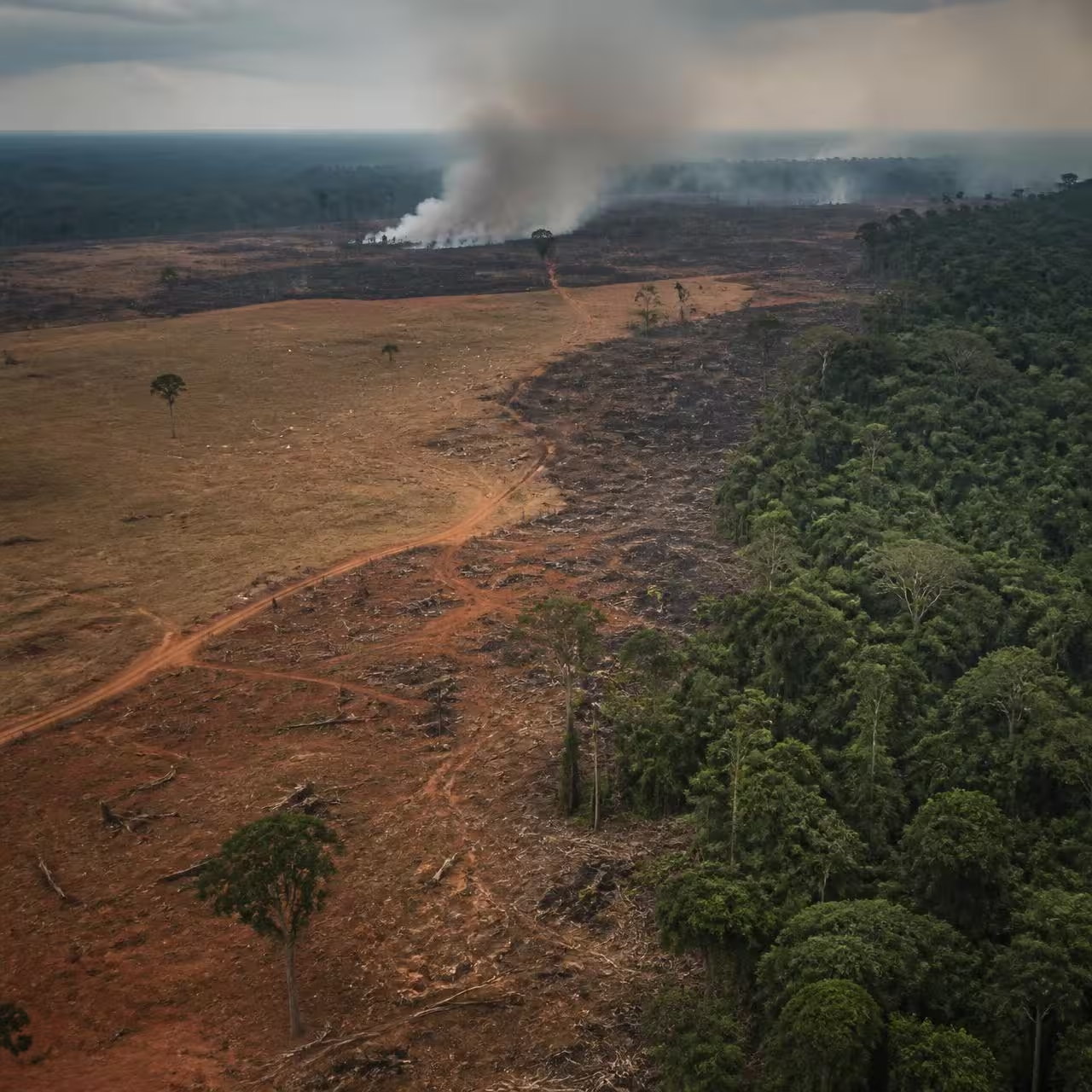
Aerial view of smoke rising over rainforest cleared for open land
PlanetAnimalsHumans
One movement, three reasons

For the Planet, the Animals, and our fellow Humans.

Three intertwined harms come from one industry. Three intertwined goods come from one daily choice.

Smoke rising from a burned Amazon forest clearing
For the Planet

A livable Earth begins on the plate.

Livestock agrifood systems account for about 12% of human-caused greenhouse emissions, according to FAO’s estimate for 2015. They also contribute to deforestation and water pollution. Eating more plants can help reduce the climate and land footprint of our food.

A mother pig nursing her piglet outside an industrial barn
For the Animals

Every life on that plate had a face.

More than eighty billion land animals are slaughtered for meat each year. Fishcount estimates 1.1–2.2 trillion wild fish were caught annually in 2000–2019, with billions more killed on farms. Many farmed animals experience painful procedures and confinement. Choosing plants is a daily act of mercy available to us.

Volunteers harvesting vegetables in a community garden
For Humans

Health, dignity, and food sovereignty.

Well-planned plant-based diets can support health, and observational studies link vegetarian diets with lower heart disease risk. Slaughterhouse workers face serious injury risks, and research raises concerns about psychological distress. Plant-based eating can also help reduce food-related environmental pressures.

আমাদের অবস্থান

ন্যায়ের প্যারাডক্স

শিল্প পশুপালন জলবায়ু অস্থিরতা এবং সম্পদের ক্ষয়ের মাধ্যমে অবহেলিত সম্প্রদায়গুলিকে অসামঞ্জস্যপূর্ণভাবে ক্ষতি করে। উদ্ভিদ বেছে নেওয়া একটি প্রতিরোধের কাজ।

01.

পৃথিবীর জন্য

জলবায়ু সংকটের প্রতি সবচেয়ে দুর্বল অঞ্চলগুলিতে জল সংরক্ষণ এবং মাটির জীববৈচিত্র্য রক্ষা।

02.

প্রাণীদের জন্য

শোষণের চক্র শেষ করা এবং পৃথিবীর প্রতিটি জীবন্ত সত্তার সাথে আমাদের আত্মীয়তা স্বীকার করা।

03.

মানুষের জন্য

খাদ্য সার্বভৌমত্ব নিশ্চিত করা এবং বৈশ্বিক শিল্প খাদ্য ব্যবস্থা থেকে ঐতিহ্যবাহী উদ্ভিদভিত্তিক খাদ্য পুনরুদ্ধার।

বিস্তৃতি

সংখ্যাগুলো শুধু যুক্তি নয়। এগুলোই অকাট্য প্রমাণ।

উদ্ভিজ্জ খাদ্যের পক্ষে বারোটি যাচাইকৃত তথ্য। প্রতিটি কার্ডের শেষে উৎস দেওয়া হয়েছে।

83B

প্রতি বছর হত্যা করা স্থলজ প্রাণী

বেশিরভাগই নিবিড় পদ্ধতিতে পালন করা হয়; যুক্তরাষ্ট্রে ৯৯%-এর বেশি খামারের প্রাণী কারখানা-খামারে বাস করে।

FAOSTAT, 2022; Sentience Institute

1–2.8T

প্রতি বছর হত্যা করা সামুদ্রিক প্রাণী

বেশিরভাগ পরিসংখ্যানে গণনা করা হয় না। তারা ডেক, জাল বা ট্যাঙ্কে শ্বাসরোধে মারা যায়।

fishcount.org.uk

15,000 L

১ কেজি গরুর মাংসের জন্য জল

প্রাণিজ পণ্য বিশ্ব কৃষির পানির পদচিহ্নের প্রায় এক-তৃতীয়াংশ। গরুর মাংসের পদচিহ্নের বেশিরভাগই চারণভূমি এবং পশুখাদ্যের ফসলের ওপর পড়া বৃষ্টিপাত।

Mekonnen & Hoekstra, 2012

80%

গবাদি পশু থেকে আমাজন বন উজাড়

গবাদি পশুর খামার বিশ্বজুড়ে গ্রীষ্মমণ্ডলীয় বন উজাড়ের একক বৃহত্তম কারণ।

Yale E360

77%

কৃষিজমি গবাদি পশুদের খাওয়ায়

তবুও গবাদি পশু বিশ্বের ক্যালোরির মাত্র ১৮% প্রদান করে।

Poore & Nemecek

32%

গবাদি পশু থেকে মানবসৃষ্ট মিথেনের

মিথেন ২০ বছরে CO₂-এর চেয়ে প্রায় ৮০ গুণ বেশি তাপ আটকে রাখে, তাই এটি কমানো নিকট-মেয়াদী উষ্ণায়ন কমানোর দ্রুততম উপায়গুলোর মধ্যে একটি।

UNEP Global Methane Assessment, 2021; IPCC AR6

73%

বিক্রিত অ্যান্টিমাইক্রোবিয়াল ওষুধের

ভিড়যুক্ত শেডে নিয়মিত ব্যবহার অ্যান্টিমাইক্রোবিয়াল প্রতিরোধের ঝুঁকি বাড়ায়, যা ২০১৯ সালে আনুমানিক ১.২৭ মিলিয়ন মৃত্যুর কারণ হয়েছিল।

Van Boeckel et al., Science 2019; Murray et al., Lancet 2022

86%

বিলুপ্তির ঝুঁকিতে থাকা প্রজাতির

কৃষিকাজ—বিশেষ করে গবাদি পশু এবং পশুখাদ্যের জন্য ব্যবহৃত জমি—ভূমিতে জীববৈচিত্র্য হ্রাসের প্রধান কারণ; সমুদ্রে অতিরিক্ত মাছ ধরা প্রধান কারণ।

Chatham House / UNEP, 2021

1B+ t

প্রতি বছর গবাদি পশুকে খাওয়ানো শস্য

বিশ্বের শস্য উৎপাদনের প্রায় এক-তৃতীয়াংশ পশুখাদ্যে ব্যবহৃত হয়। এদিকে, ২০২৩ সালে প্রায় ৭৩০ মিলিয়ন মানুষ ক্ষুধার সম্মুখীন হয়েছিল।

FAO Food Outlook; SOFI 2024

75%

কৃষিজমি প্রকৃতিতে ফিরিয়ে দেওয়া যেতে পারে

উদ্ভিদ-ভিত্তিক খাদ্যাভ্যাসে বিশ্বব্যাপী পরিবর্তন মার্কিন যুক্তরাষ্ট্র, চীন, ইইউ এবং অস্ট্রেলিয়ার সম্মিলিত আয়তনের সমান এলাকা মুক্ত করবে—বন, বন্যপ্রাণী এবং পানির জন্য।

Our World in Data

8M

২০৫০ সালের মধ্যে বছরে বাঁচানো জীবন

নিরামিষ খাদ্যাভ্যাসে বিশ্বব্যাপী পরিবর্তনের মডেলিং অনুযায়ী ২০৫০ সালের মধ্যে বছরে প্রায় আট মিলিয়ন মৃত্যু কমানো সম্ভব।

Springmann et al., PNAS 2016

200

প্রতি ব্যক্তি, প্রতি বছর বাঁচানো প্রাণী

একজন গড় আমেরিকান বছরে যে পরিমাণ স্থলজ প্রাণী ও মাছ ব্যবহার করে তার একটি হিসাব। একটি সম্প্রদায়ের জন্য এটি গুণ করুন। তারপর একটি দেশের জন্য।

Counting Animals
প্রাণীরা

ছয়টি প্রজাতি। ট্রিলিয়ন ট্রিলিয়ন জীব। একটিই ধরন।

প্রতিটি প্রজাতি সম্পর্কে পড়ুন →

মুরগি

অন্য সব স্থলজ প্রাণীর চেয়ে বেশি মুরগি জবাই করা হয়।

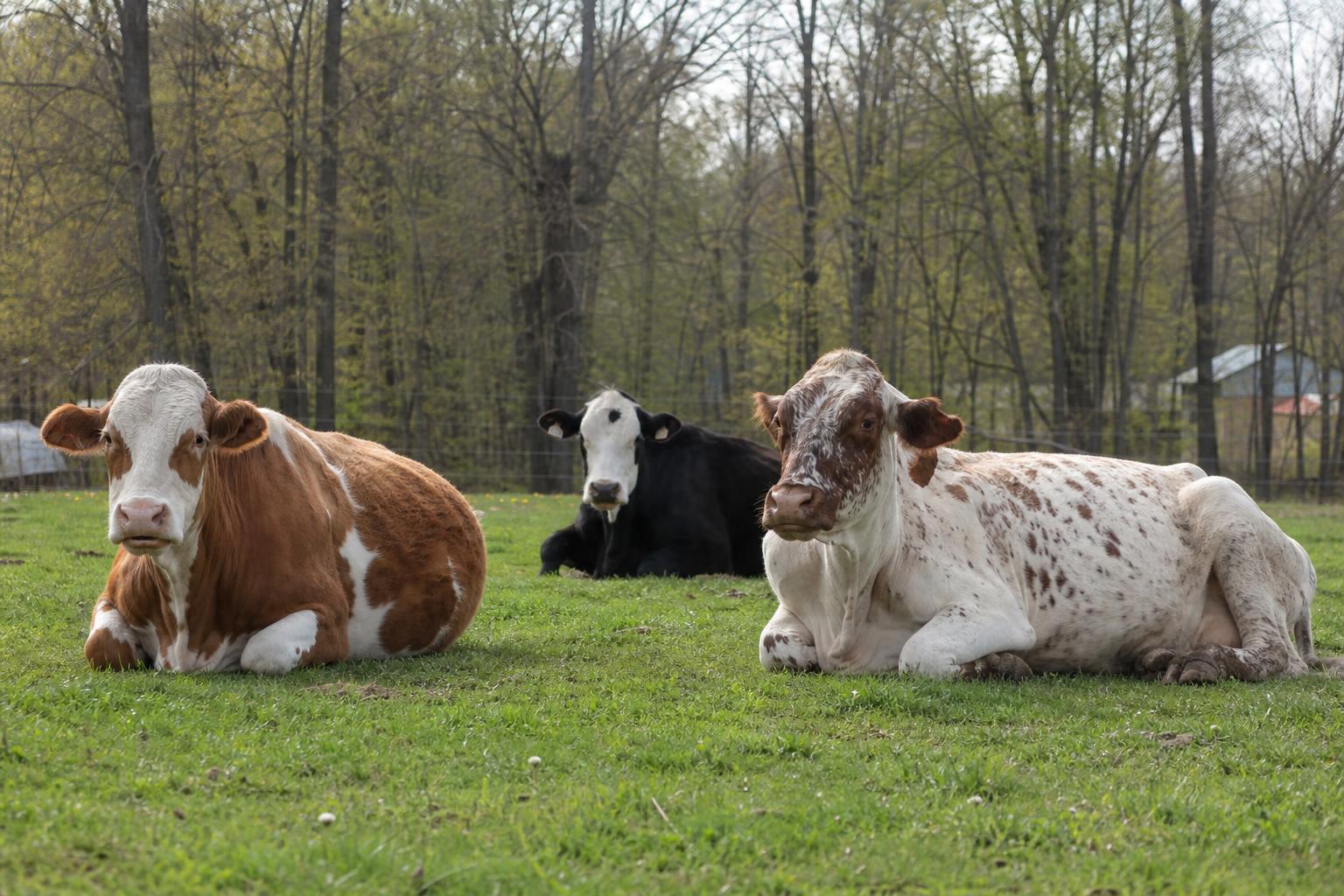
গরু

দুধ গরুর মাংসের শান্তিপূর্ণ বিকল্প নয় — এটি তার মা।

শূকর

জ্ঞানীয় পরীক্ষায় প্রায়শই ছোট বাচ্চাদের সাথে তুলনা করা হয়। একটি একক ইউনিট হিসেবে গণ্য করা হয়।

মাছ

সবচেয়ে বড়, সবচেয়ে কম গণনা করা, সবচেয়ে কম সুরক্ষিত গোষ্ঠী।

ভেড়া ও ছাগল

জীবন্ত রপ্তানি তাদের শরীরের চারপাশে গড়ে উঠেছে।

বন্য মাছ

অনেক মাছের মজুদ পুনরুদ্ধারের আগেই দ্রুত শেষ হয়ে যাচ্ছে।

শিল্পসমূহ

চারটি শিল্প, একই ব্যবস্থার আড়ালে।

মাংস শিল্প

একটি পরিষ্কার সুপারমার্কেট লেবেলের পিছনে মানব ইতিহাসের সবচেয়ে বড়, সবচেয়ে গোপন রাখা প্রাণী যন্ত্রণার ব্যবস্থা।

আরও পড়ুন →

দুগ্ধ শিল্প

দুধ একটি স্তন্যপায়ীর দুধ। শিল্প স্কেলে এটি উৎপাদনের জন্য জোরপূর্বক প্রজনন এবং পরিবার বিচ্ছেদের ব্যবস্থা প্রয়োজন।

আরও পড়ুন →

ডিম শিল্প

এমনকি 'ফ্রি-রেঞ্জ' ডিমও নিয়মিত হত্যার ব্যবস্থা থেকে আসে।

আরও পড়ুন →

মাছ ধরা শিল্প

ভুলে যাওয়া প্রাণী — এবং পৃথিবীতে প্রাণী মৃত্যুর বৃহত্তম উৎস।

আরও পড়ুন →
What we stand against

Against factory farms. Against cruelty by the billion.

Many farmed animals live in industrial confinement systems — cages, crates and crowded sheds. These systems can cause serious welfare problems. Livestock production also contributes to greenhouse emissions, water pollution and land-use change, while workers face occupational hazards.

We don't dress this up. We document it, we name it, and we offer a way out — one meal, one habit, one shop at a time.

See what they endure
Hens packed into battery cages
A young calf inside a transport trailer
An industrial trawler hauling a massive net
A rescued chick in human hands
Why this site exists

Most advocacy talks past the people who could actually be reached.

The loudest voices in plant-based advocacy tend to speak English, publish in Western contexts, and assume their audience already knows what tofu is. The result is content that reaches people who are already almost there — and misses the billions of people who eat largely plant-based already without calling it anything, and the millions more who would change if they encountered the case in their own language, through their own food traditions.

Veg.ac exists to close that gap. We publish the same honest, evidence-led case across dozens of languages, rooting each version in the plant traditions of the communities we're speaking to. This is not translation for translation's sake. It is the belief that where you are born and what language you speak should not determine whether you have access to clear information about food, animals, and the planet.

What we stand for

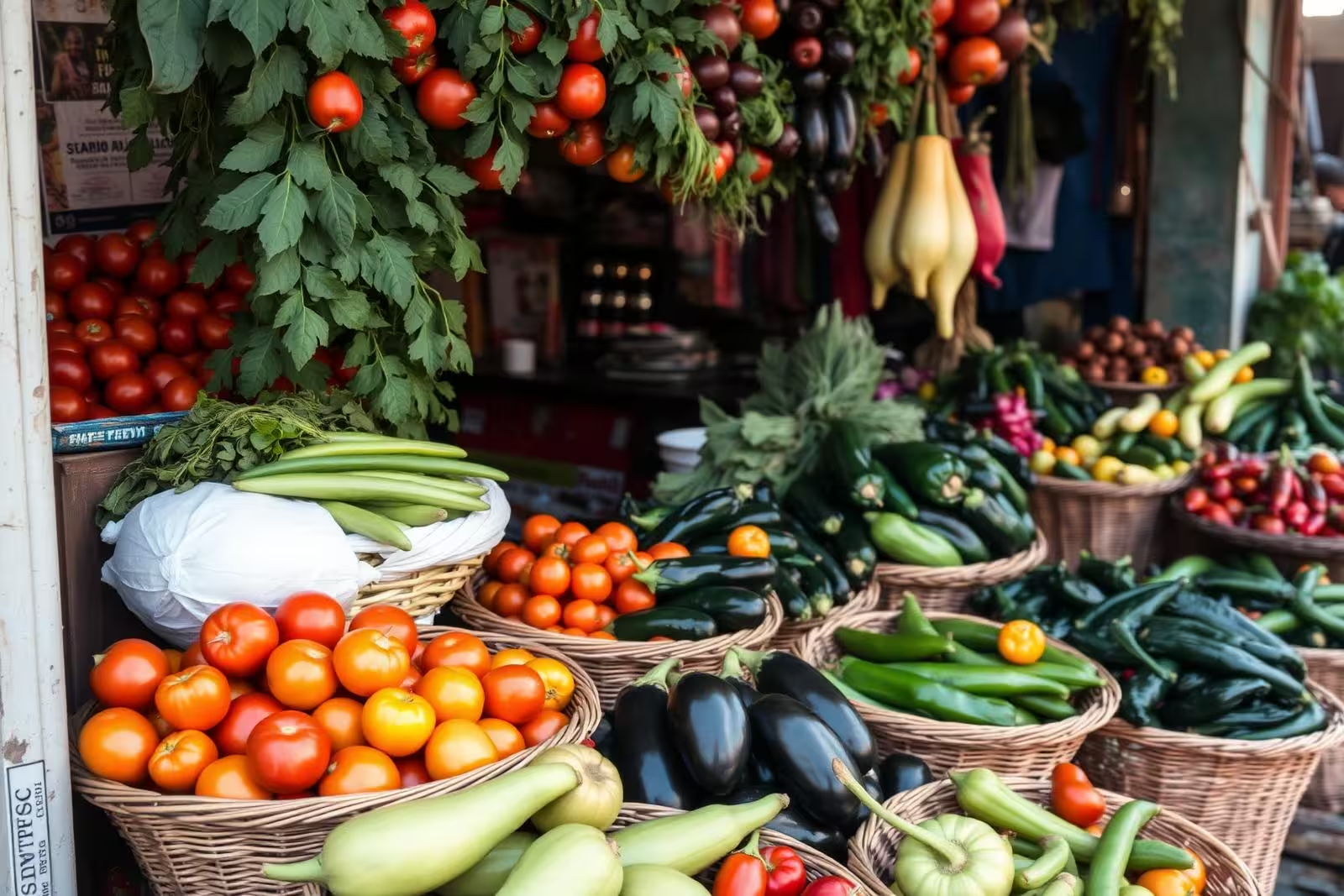
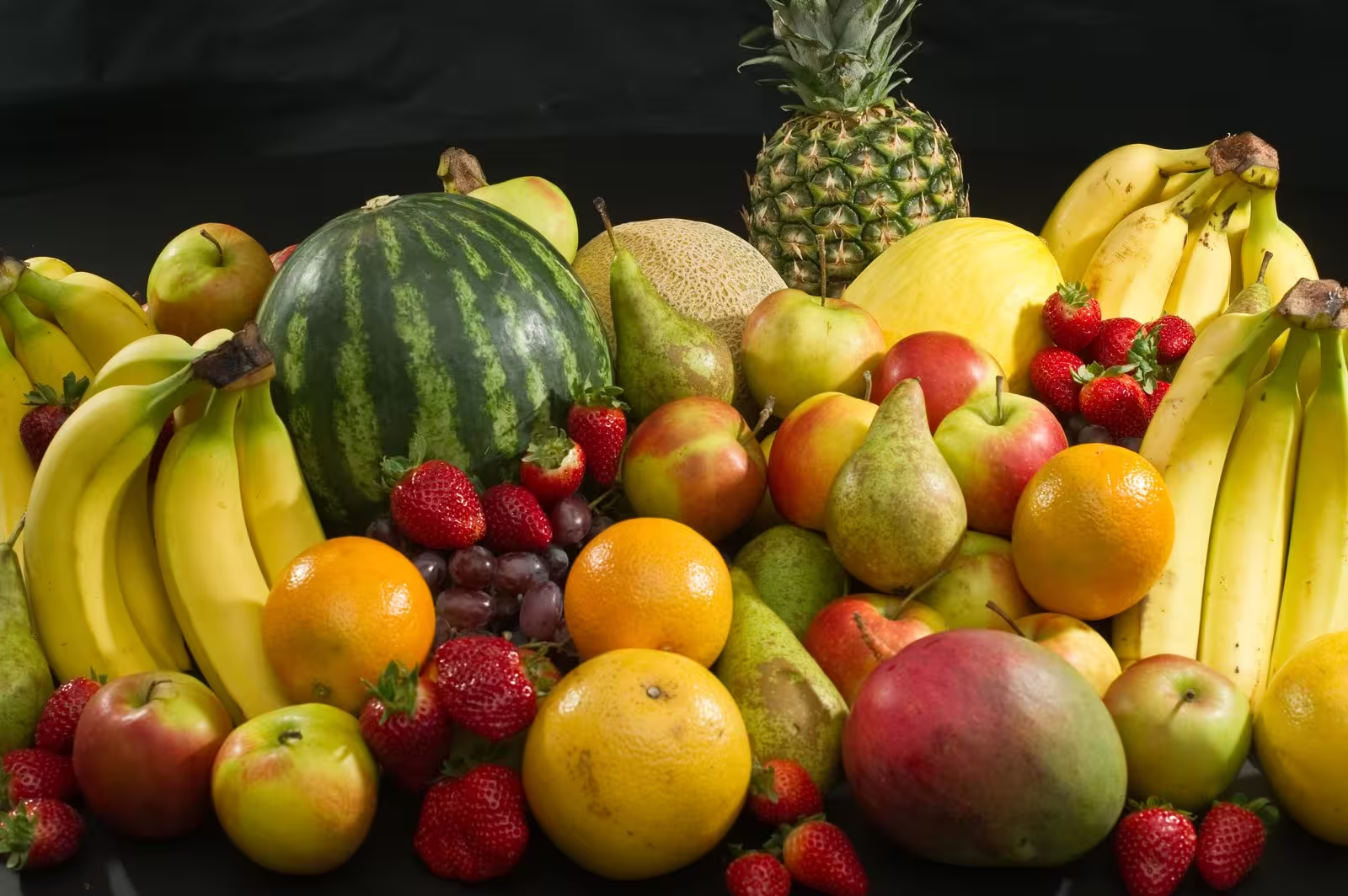
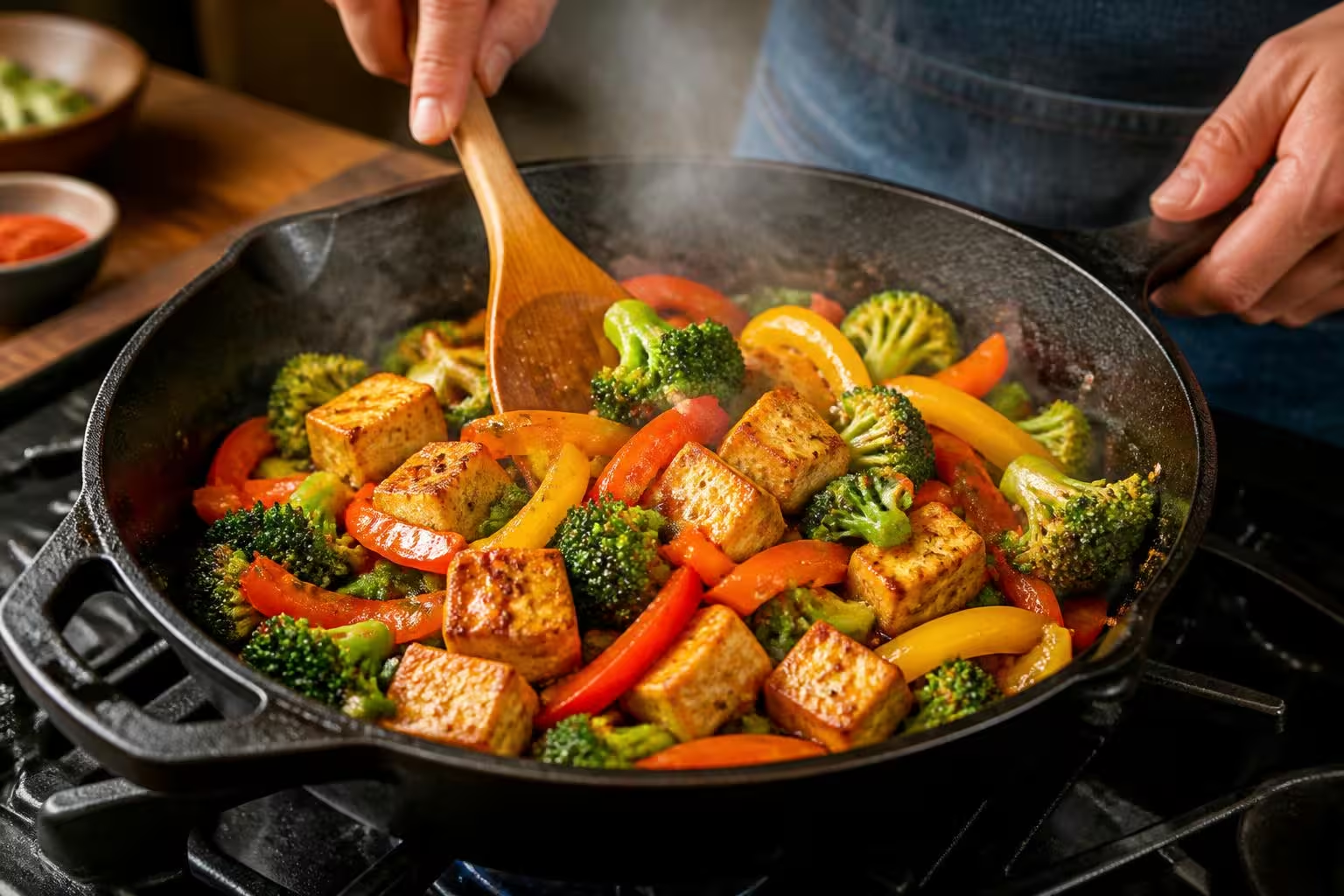
A table wide enough for everyone.

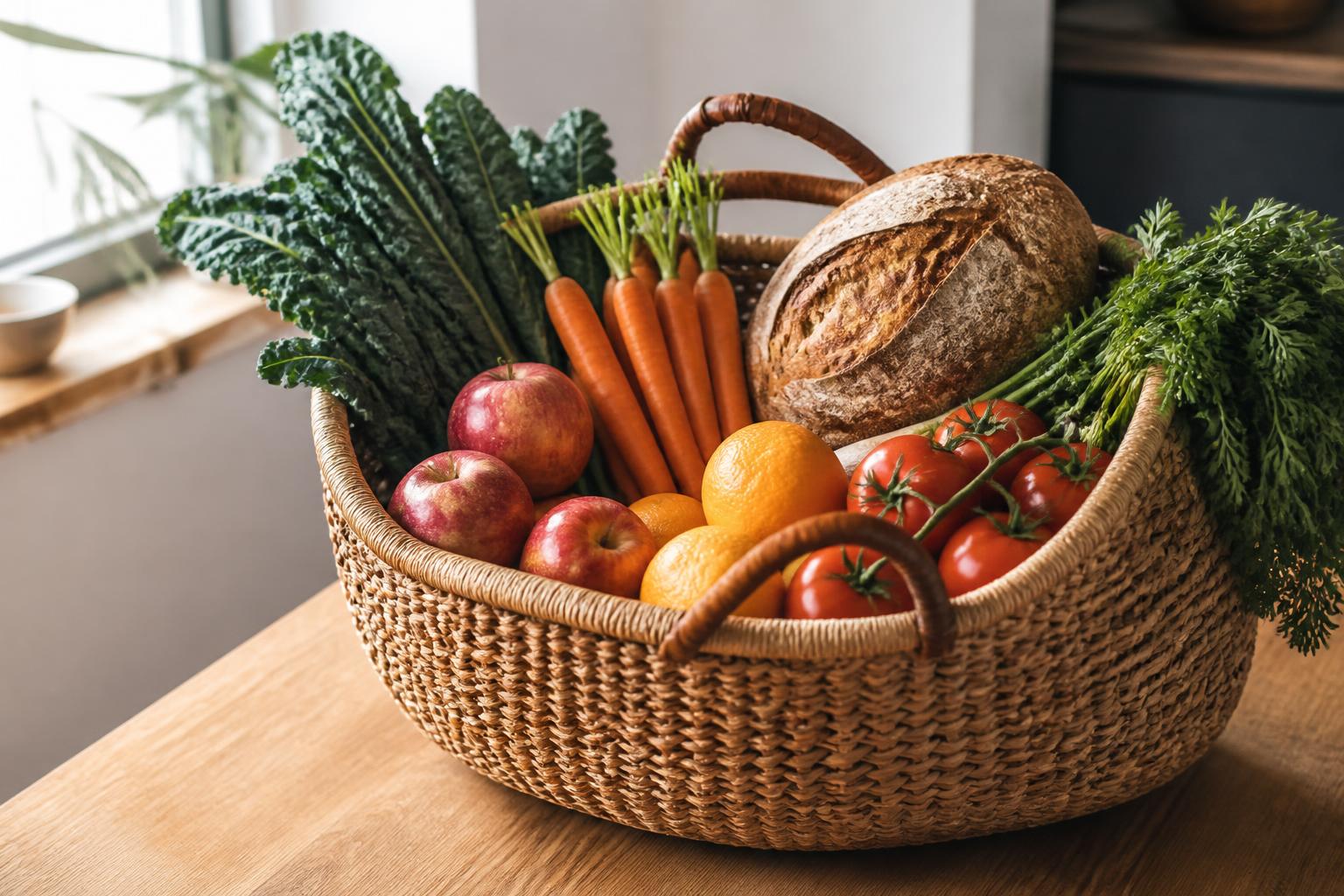
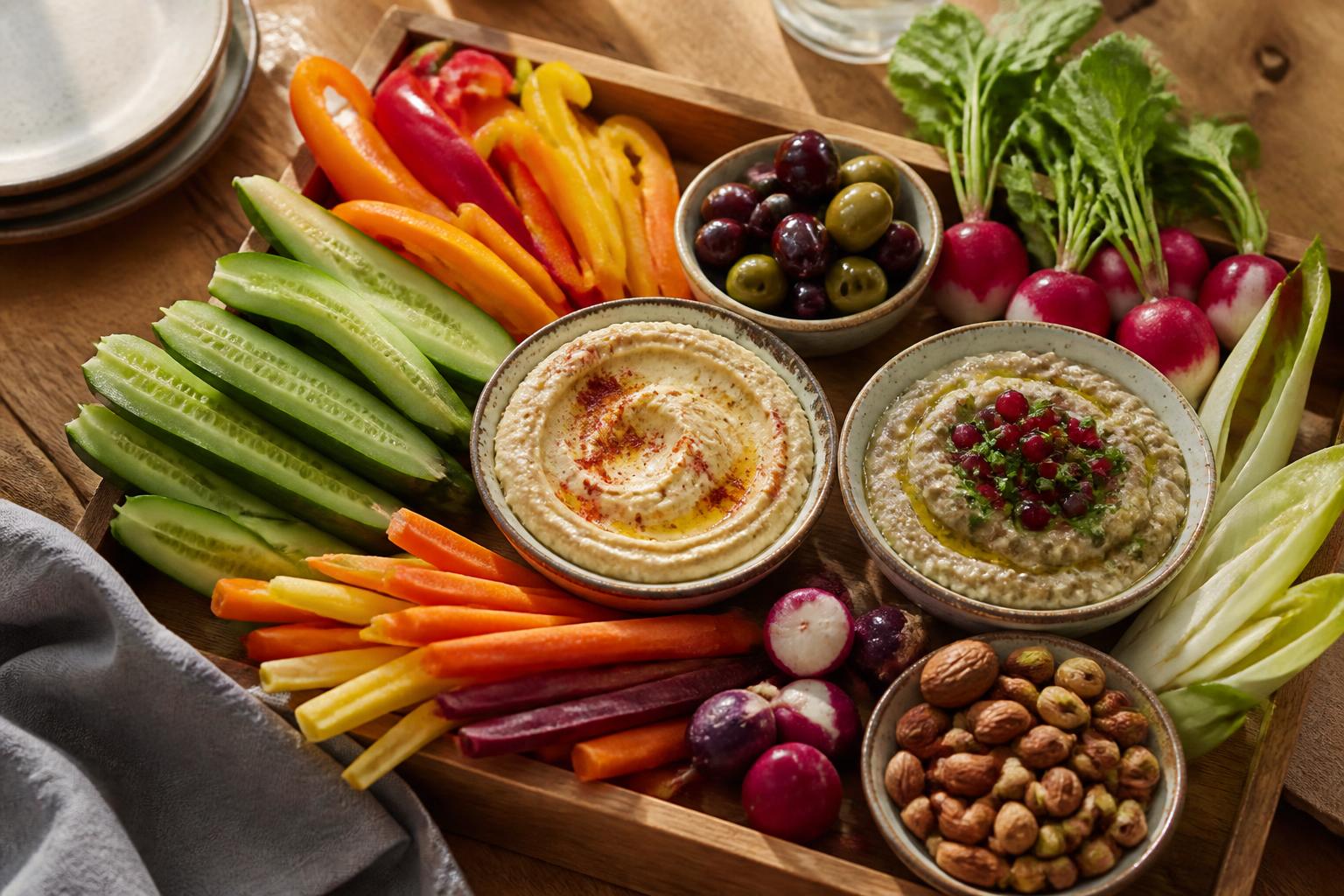
Plant-based eating isn't deprivation — it's a rich, colorful way to feed ourselves. From grain bowls in Addis to lentil stews in Lahore, abundance is already on the menu.

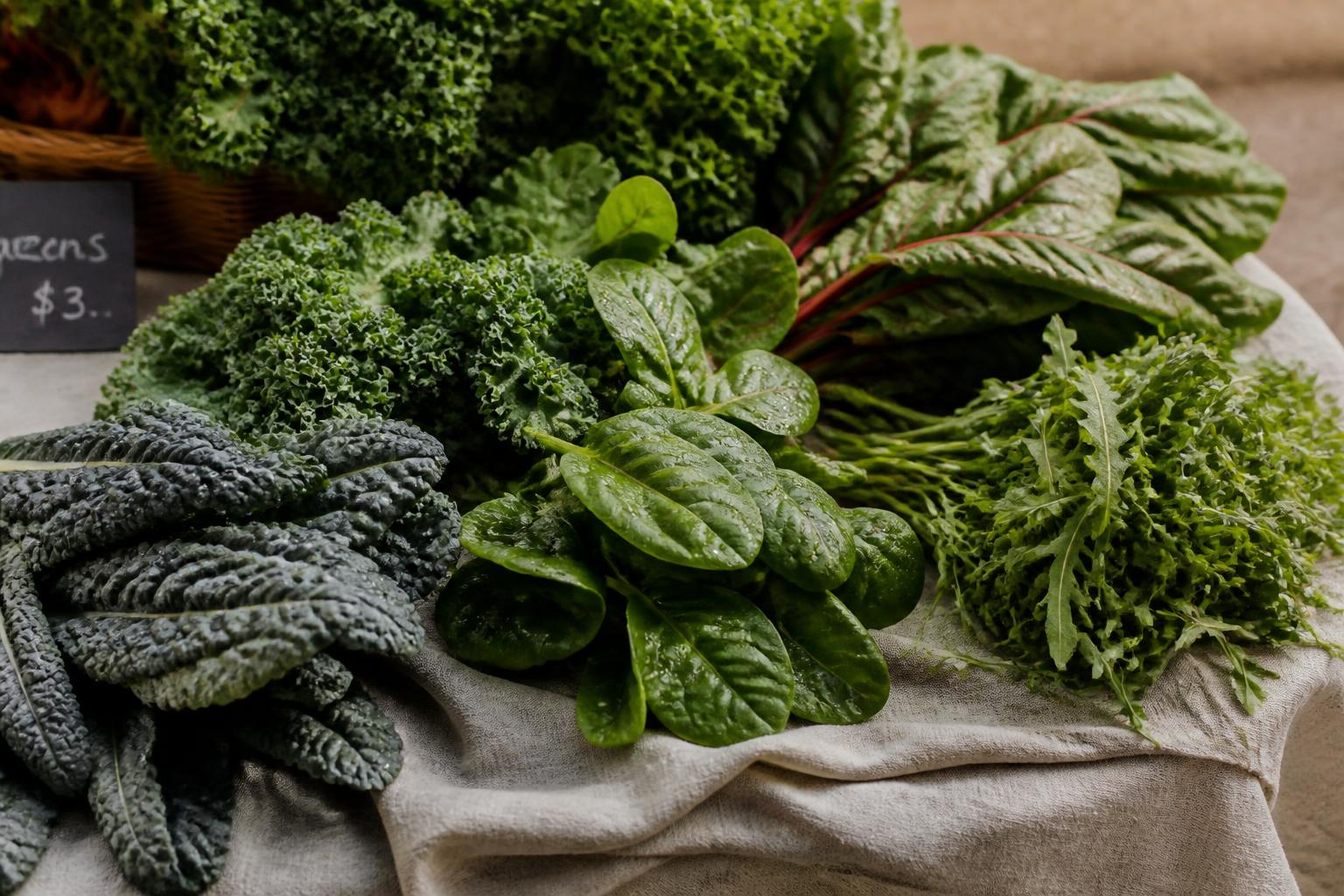
Open-air market stall overflowing with fresh produce
Glass jars filled with colorful beans, lentils, and grains
Vibrant spread of seasonal fruits
Hands tossing vegetables in a hot wok
What you will find here

A map of the site.

আমরা কোথায় দাঁড়িয়ে আছি

কোন রাজনৈতিক আন্দোলন নয়

Veg.ac বাম বা ডানপন্থী নয়। আমরা কোনো দল, মতাদর্শ, সরকার বা কর্মী প্রচারণার সঙ্গে যুক্ত নই। আমরা যা প্রকাশ করি তা পিয়ার-রিভিউ করা বিজ্ঞান, অফিশিয়াল ডেটা এবং সরাসরি রিপোর্ট থেকে আসে — এবং আপনি প্রতিটি উৎস যাচাই করতে পারেন।

নিরপেক্ষ

কোনো দল, প্রার্থী বা রাজনৈতিক জোট নেই। প্রতিটি রাজনৈতিক, ধর্মীয় এবং সাংস্কৃতিক পটভূমির মানুষ খায়, এবং ভালোভাবে খাওয়ার বিষয়টি তাদের সবার কাছেই গুরুত্বপূর্ণ।

প্রমাণ, স্লোগান নয়

দাবিগুলো উৎসসহ এবং তারিখযুক্ত। যেখানে প্রমাণ বিতর্কিত বা অনিশ্চিত, সেখানে আমরা তা অতিরঞ্জিত না করে উল্লেখ করি।

আমন্ত্রণ, জবরদস্তি নয়

আমরা নিষেধাজ্ঞার জন্য তদবির করি না, কাউকে লজ্জিত করি না বা আপনাকে আপনার পরিচয় পরিবর্তন করতে বলি না। আমরা দেখাই খাদ্য ব্যবস্থা কী করে এবং সিদ্ধান্ত আপনার উপর ছেড়ে দিই।

স্বাধীন

এখানে যা প্রকাশিত হয়, তার পেছনে কোনো রাজনৈতিক তহবিল বা শিল্প পৃষ্ঠপোষকতা নেই।

Common questions

The things people ask before they read anything else.

These are the questions that come up in messages, at dinner tables, and in comment sections. We have tried to answer each one the way we would answer a thoughtful friend.

Your move

For Planet, Animals, and Humans. Today, on your plate.

You don't need to be perfect. You need to begin. Pick one meal, one swap, one day this week — and let the rest follow.

Key takeaways

  • Every meal is a choice with animal, health, and climate consequences.
  • Going plant-based can cost less than a mixed diet when built around affordable staples.
  • The evidence base spans nutrition science, ethics, and environmental data.
  • Small steps compound: one weekly swap is a real, measurable change.

Take action — step by step

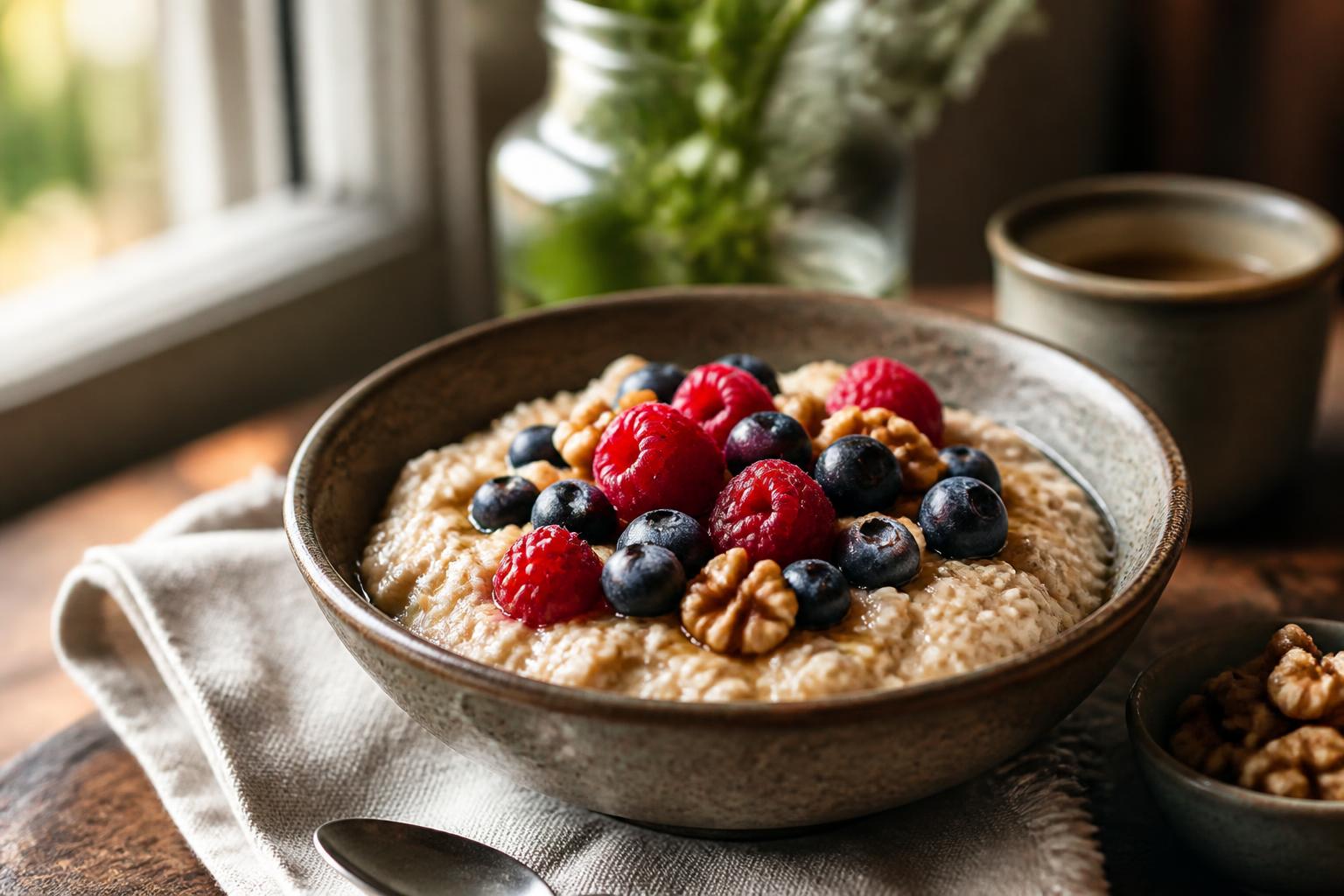
  1. 1Pick one meal today and make it fully plant-based — breakfast is the easiest.
  2. 2Swap one weekly grocery item (milk → oat, mince → lentils, cheese → hummus).
  3. 3Follow the 7-day starter guide for a shopping list and 21 meals.
  4. 4Share this page with one person who is curious but unsure where to begin.

Share this page

Every meal is a choice for animals, health and the planet. Start here:

Share on XShare on FacebookShare on WhatsApp

Frequently asked questions

No. Replacing animal products with plant staples can reduce demand for animal farming and lower food emissions. Start with one regular swap and build from there.

Keep reading