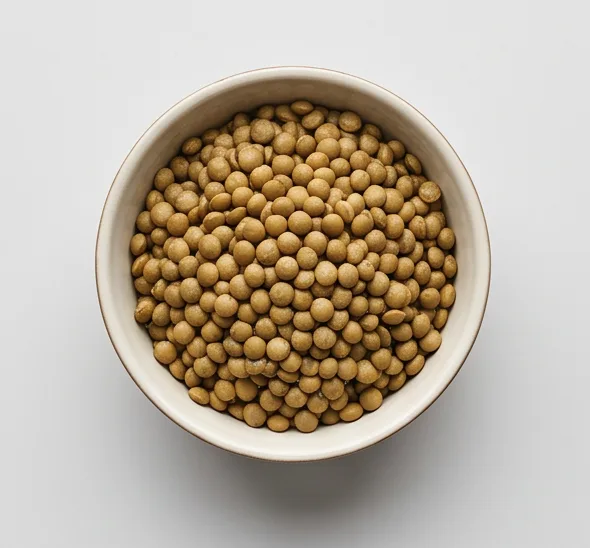
Lentils
Legumesaka dal, masoor, puy
Lentils are pulses used in dal, soups and salads. Red split lentils soften into a thick sauce; green and brown varieties usually retain more shape.
- Calories
- 116
- Protein
- 9g
- Fat
- 0.4g
- Carbs
- 20g
- Fibre
- 7.9g
44+ whole plant foods with nutrition per 100 g, culinary uses, classic pairings and one-to-one swaps for animal ingredients — a working reference for cooking, meal planning and label reading.
aka dal, masoor, puy
Lentils are pulses used in dal, soups and salads. Red split lentils soften into a thick sauce; green and brown varieties usually retain more shape.
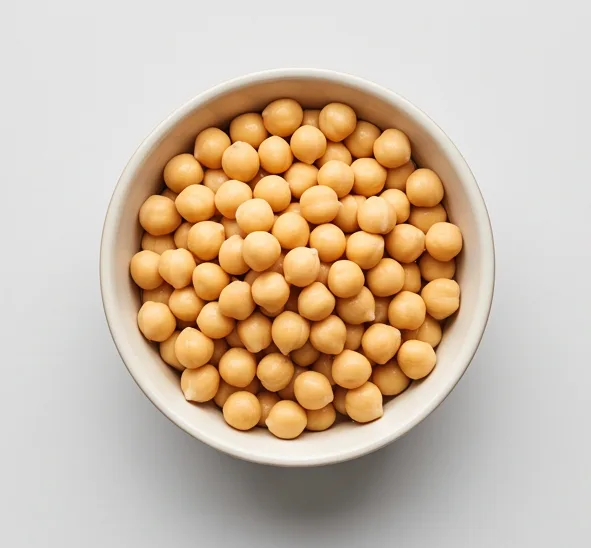
aka garbanzo, chana
Chickpeas have a firm texture and mild, nutty flavour. They suit hummus, stews, salads and roasted snacks; cooked chickpeas and chickpea flour serve different purposes.
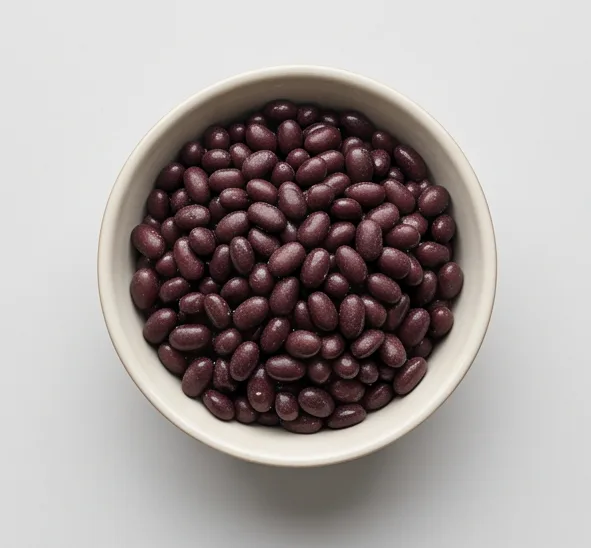
Black beans hold their shape in soups, rice dishes and salads, while mashed beans help bind burgers and fillings.
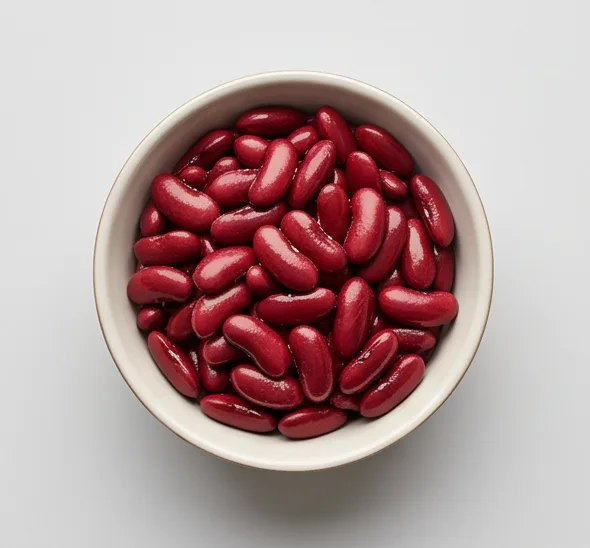
aka rajma
Kidney beans are firm red beans used in chilli, rajma and salads. Correct preparation matters because raw and undercooked kidney beans contain a potentially harmful lectin.
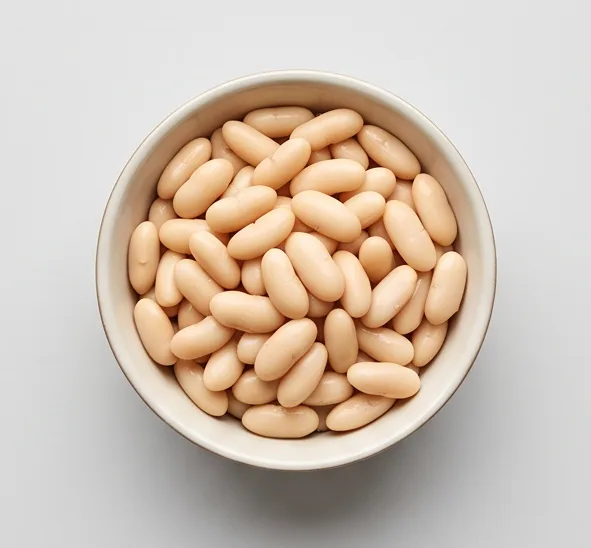
aka cannellini, navy, great northern
White beans include cannellini, navy and great northern beans. Their mild flavour makes them useful in soups, dips and creamy pasta sauces.
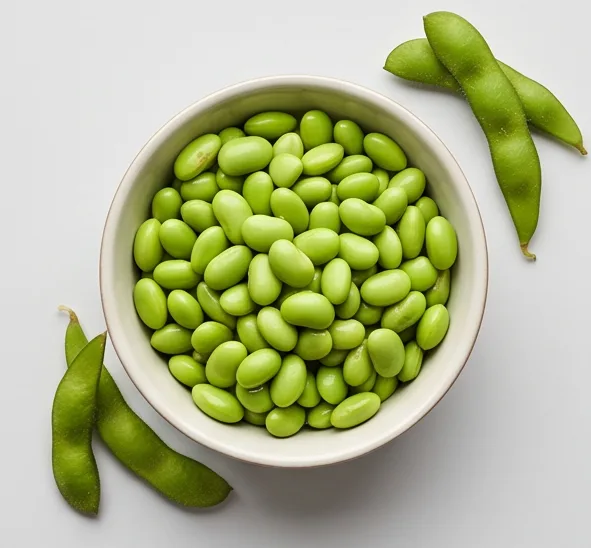
Edamame are immature soybeans, usually sold frozen in pods or shelled. Their tender texture works in snacks, salads and rice bowls.
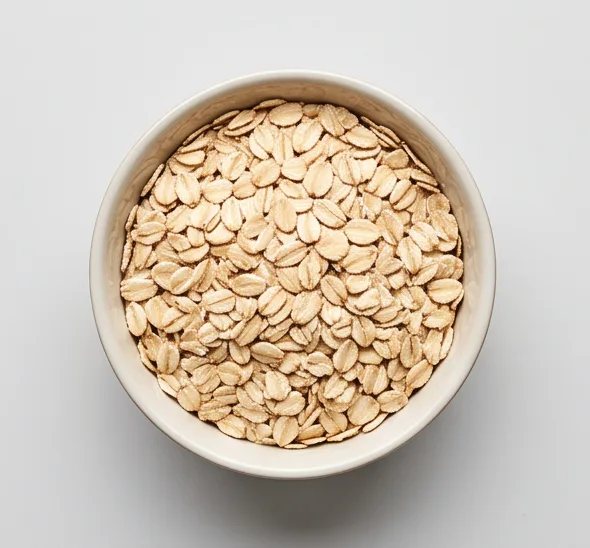
Oats are a versatile cereal for porridge, overnight oats and baking. Their soluble beta-glucan fibre is studied in cholesterol management, but preparation and intake matter.
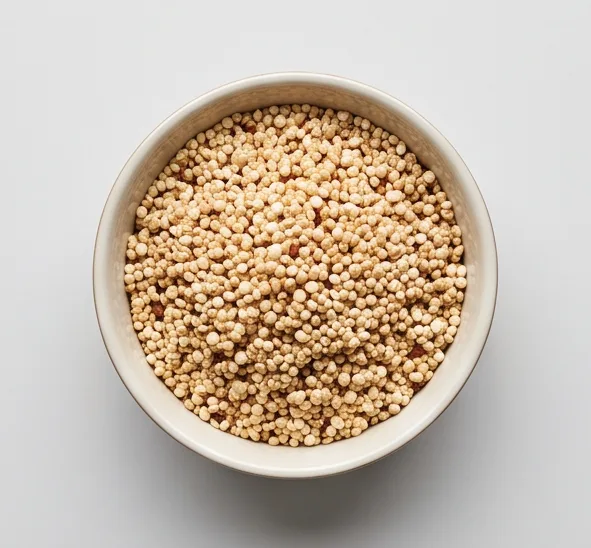
Quinoa is an Andean seed cooked and used like a grain. Its mild flavour suits pilafs, salads and bowls.
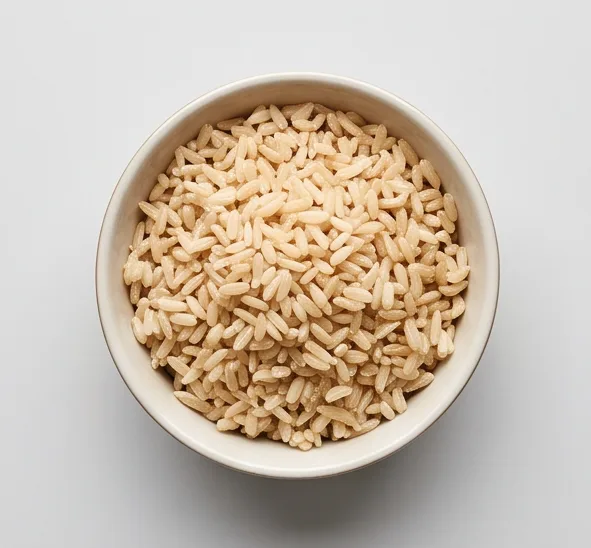
Brown rice retains its bran and germ, giving it a chewier texture than white rice. Grain size and variety affect how it cooks.
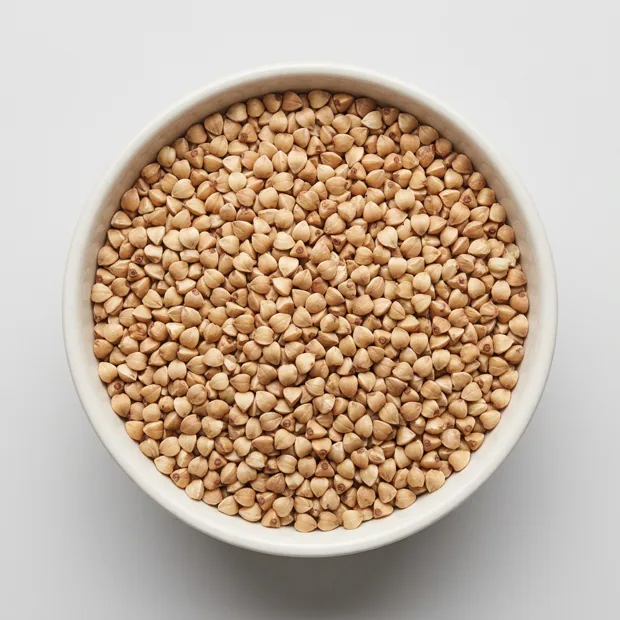
aka kasha, soba
Buckwheat is a seed rather than a type of wheat. Whole groats suit kasha and salads; flour is used in pancakes and some noodles.
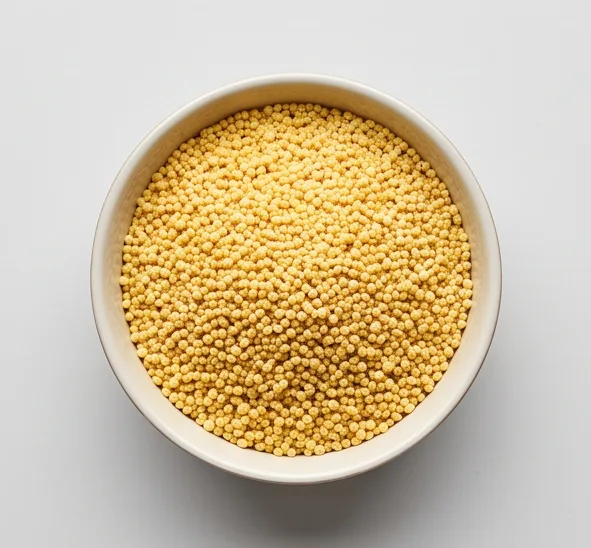
Millet is a group of small-seeded cereals used in porridges, flatbreads and grain dishes across several regions. Variety changes the flavour and texture.
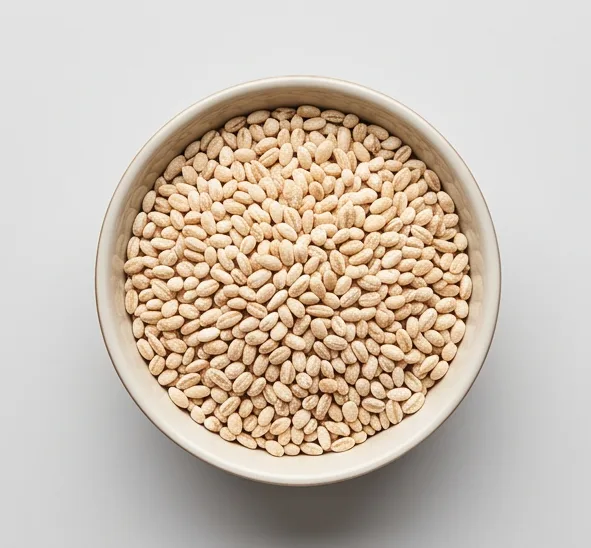
Barley is a chewy cereal suited to soups and grain salads. Hulled barley and pearl barley differ in processing and cooking time.
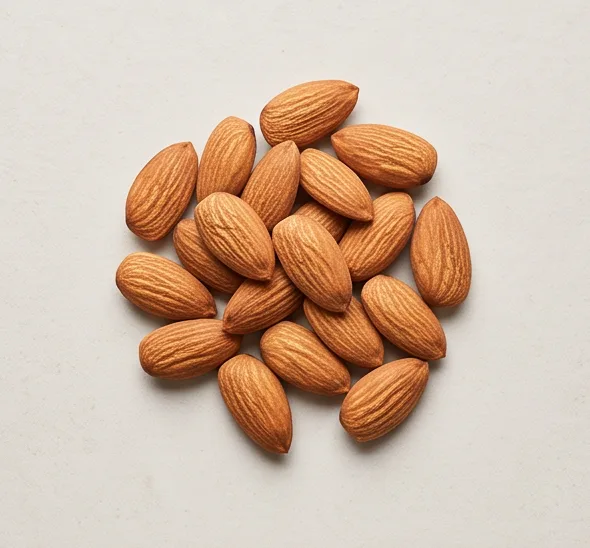
Almonds are tree nuts used whole, ground, or as butter. They contribute unsaturated fats, vitamin E and protein, but are energy-dense.
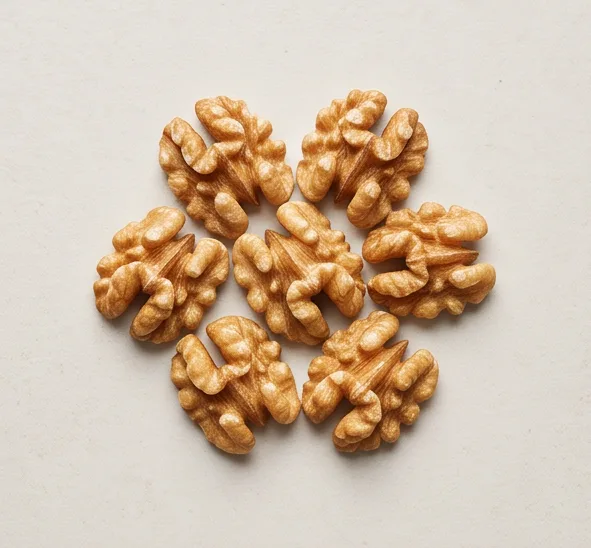
Walnuts have a rich, slightly bitter flavour and contribute the plant omega-3 fatty acid ALA. They suit sauces, salads and baking.
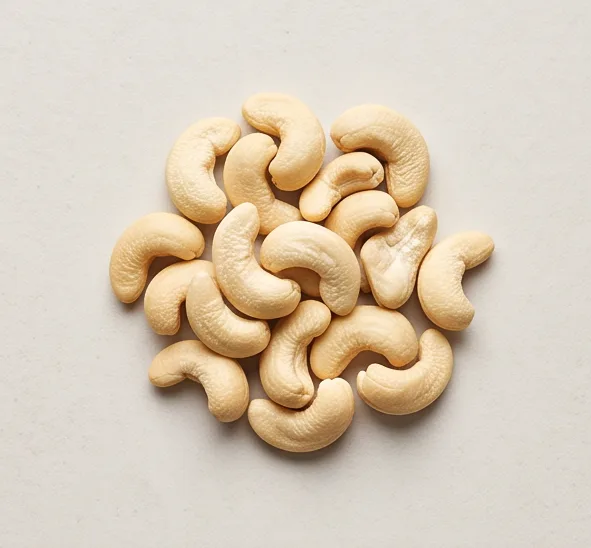
Cashews blend into creamy sauces and desserts because of their mild flavour and texture. Cashew cream is a culinary dairy substitute, not an identical nutrient replacement.
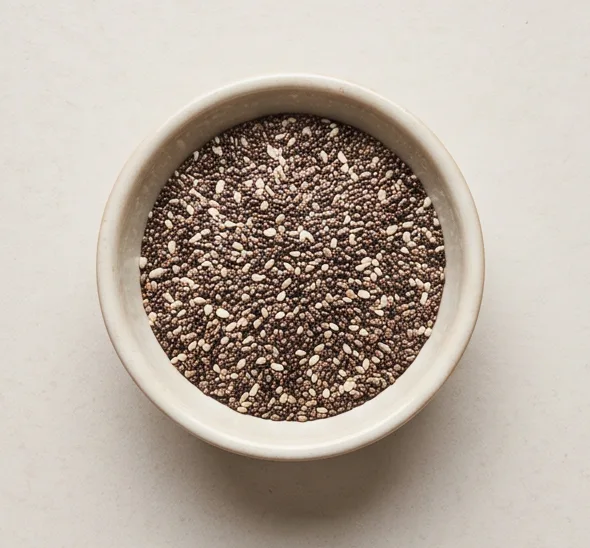
Chia seeds form a gel when hydrated and can thicken puddings or help bind some baked goods. They contribute fibre and ALA omega-3.
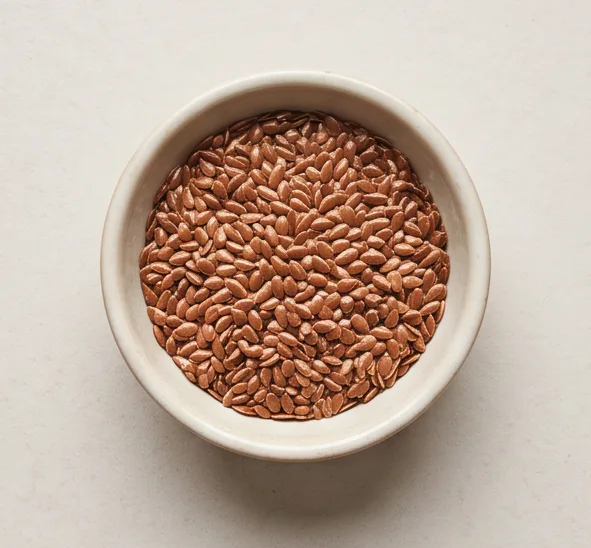
aka linseed
Flaxseed, also called linseed, supplies fibre and ALA omega-3. Grinding makes it easier to incorporate into food and access the seed's contents.
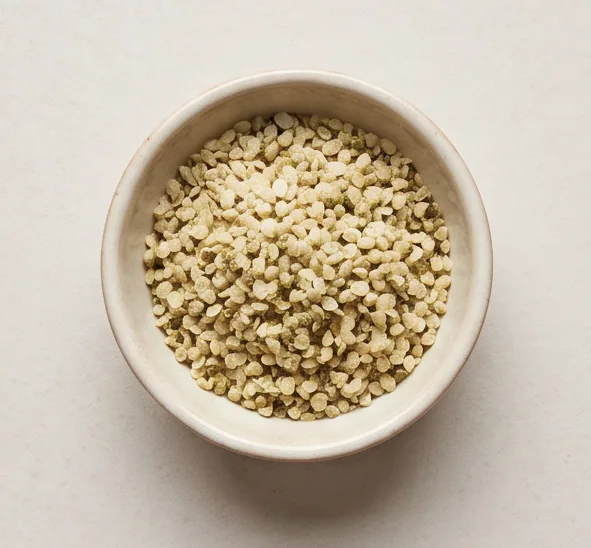
Shelled hemp seeds are soft seeds with a mild, nutty flavour. They can add protein and unsaturated fats to meals.
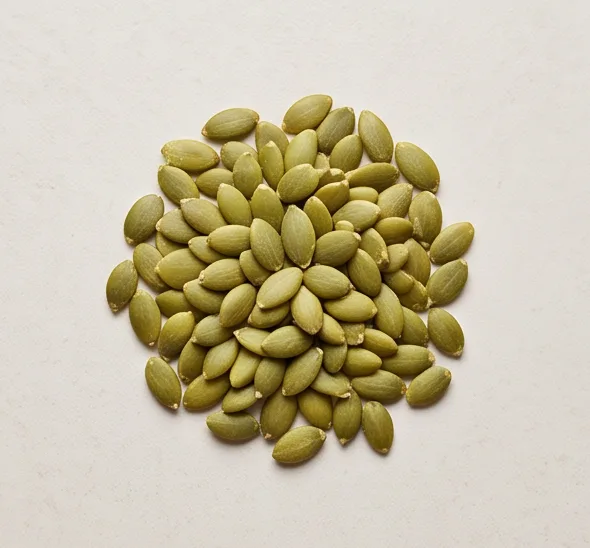
aka pepitas
Pumpkin seeds, often sold shelled as pepitas, add crunch to salads, soups and sauces. They contribute protein, zinc and magnesium.
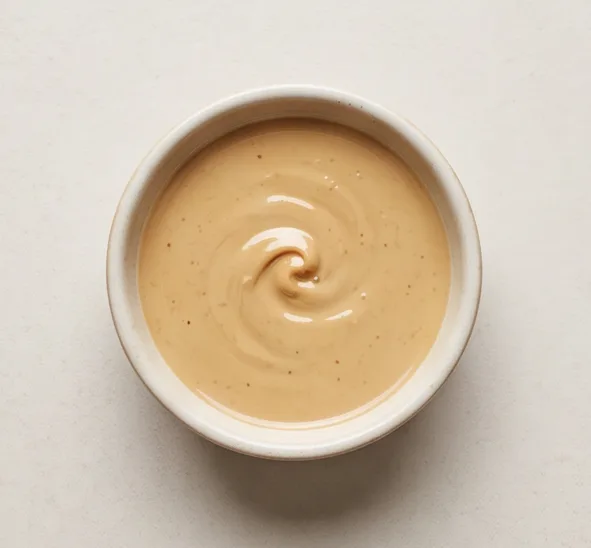
Tahini is sesame paste used in hummus, dressings and sweets. Its texture and bitterness vary with the sesame variety and whether the seeds are hulled.
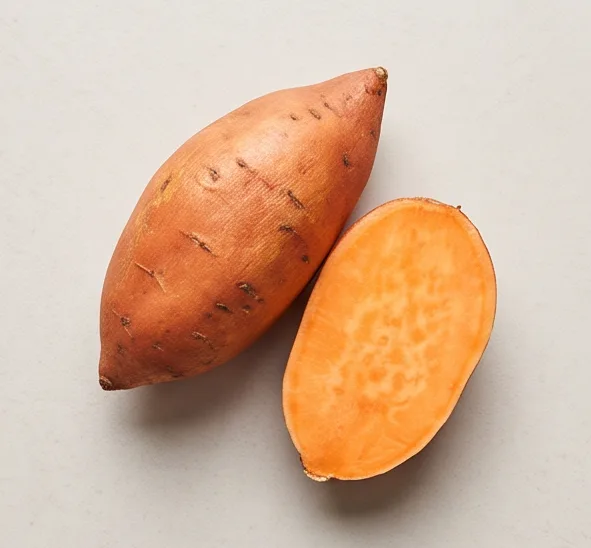
Sweet potatoes are starchy roots used in soups, mash and roasting. Orange-fleshed varieties contain beta-carotene, unlike some pale-fleshed varieties.
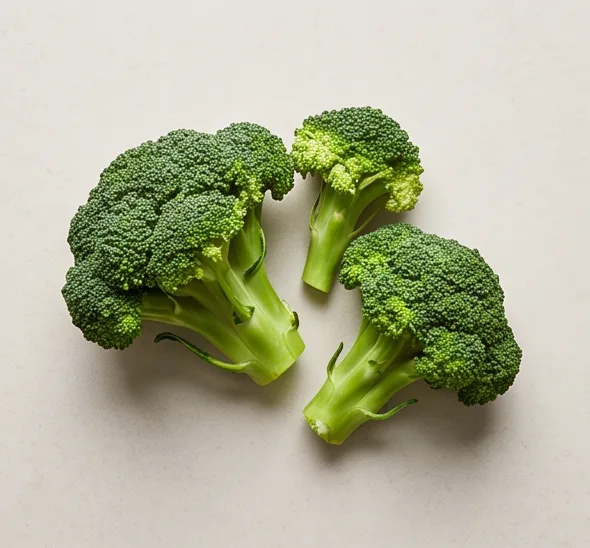
Broccoli is a cruciferous vegetable with edible florets and stalks. It contributes vitamin C and other nutrients, with amounts affected by cooking.
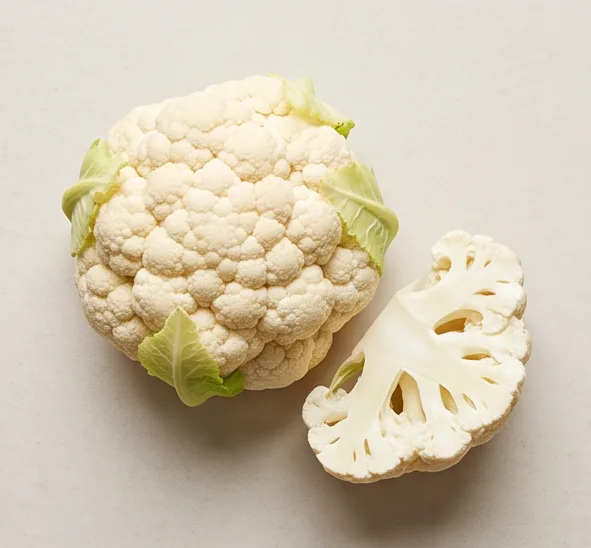
Cauliflower is a mild cruciferous vegetable that can be roasted, mashed or grated. It offers a different texture from rice, not the same nutritional role.
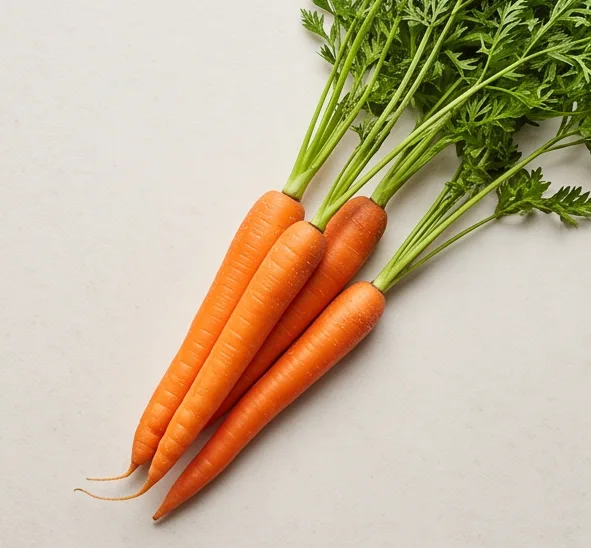
Carrots are roots used raw or cooked in salads, soups and baking. Orange varieties contain beta-carotene, which the body can convert to vitamin A.
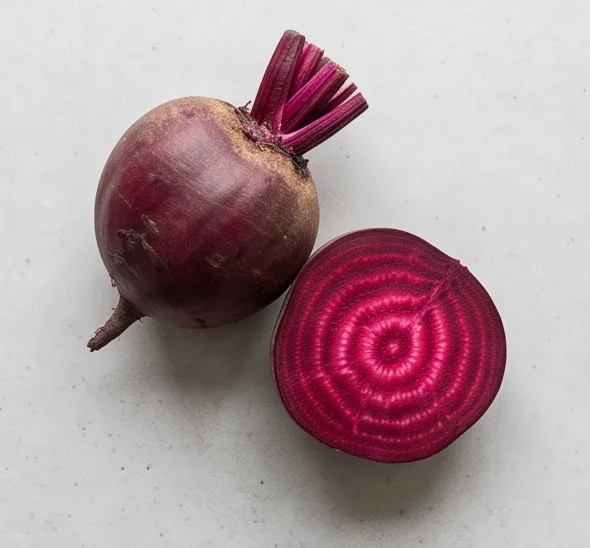
aka beets
Beetroot is a sweet, earthy root used in salads, soups and roasting. It contains dietary nitrate, but food portions and concentrated beetroot supplements are not equivalent.
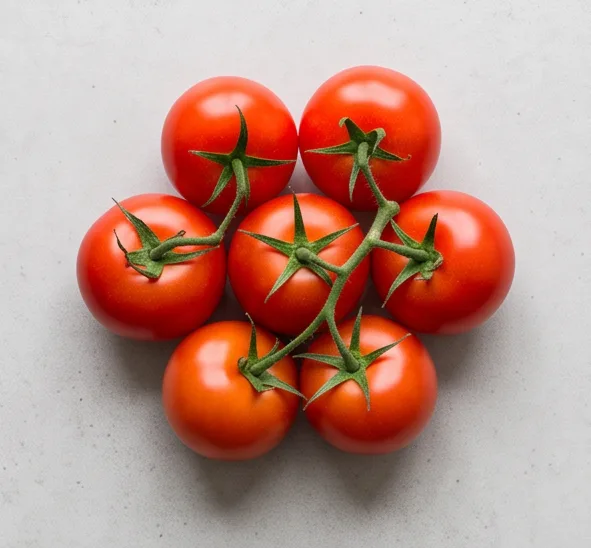
Tomatoes add acidity and umami to sauces, salads and soups. Variety and ripeness change their flavour; cooking changes their texture and lycopene availability.
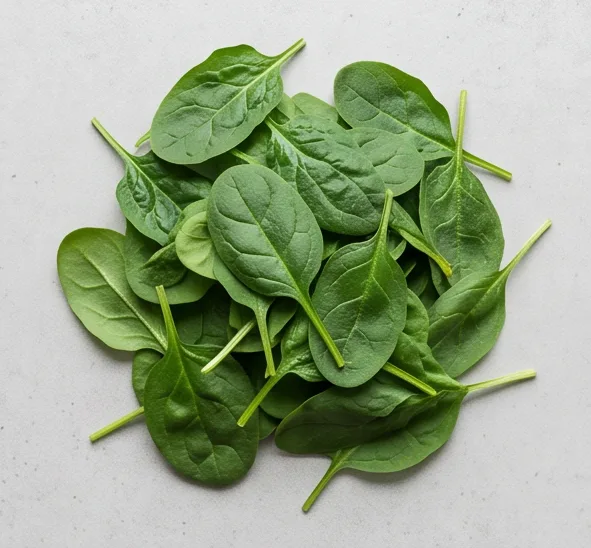
Spinach is a leafy green used raw or cooked. It contributes folate and non-haem iron, although it is not a reliably high-absorption calcium source.
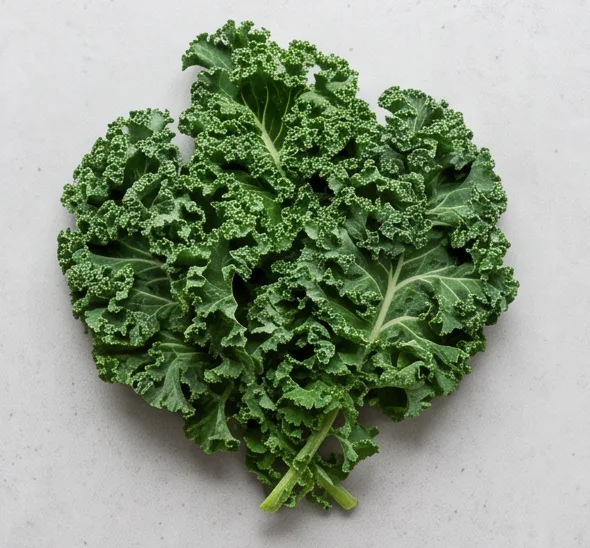
Kale is a sturdy leafy brassica for salads, soups and roasting. Variety changes tenderness and bitterness.
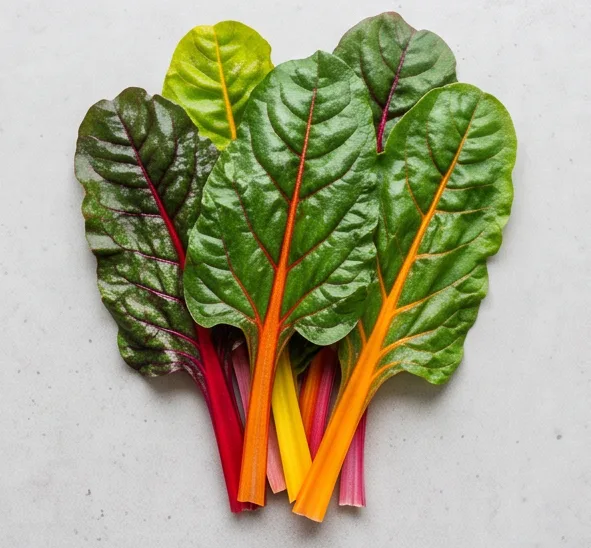
Swiss chard has broad leaves and colourful stems. Leaves and stems cook at different speeds and suit braising, soups and sautés.
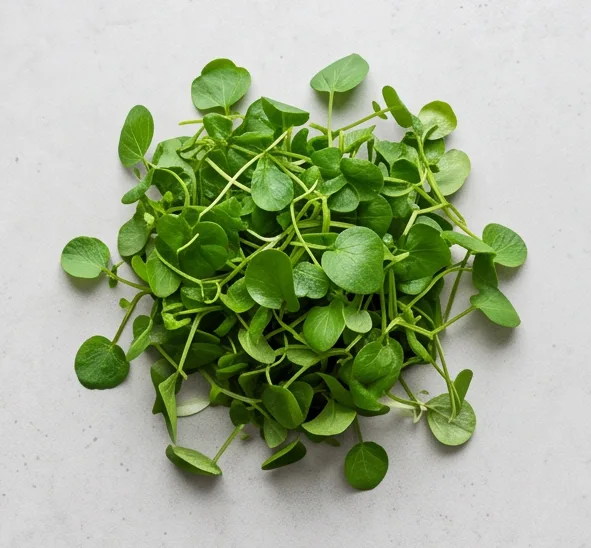
Watercress is a peppery leafy vegetable used in salads, sandwiches and soups. It contributes several micronutrients but is not a complete food.
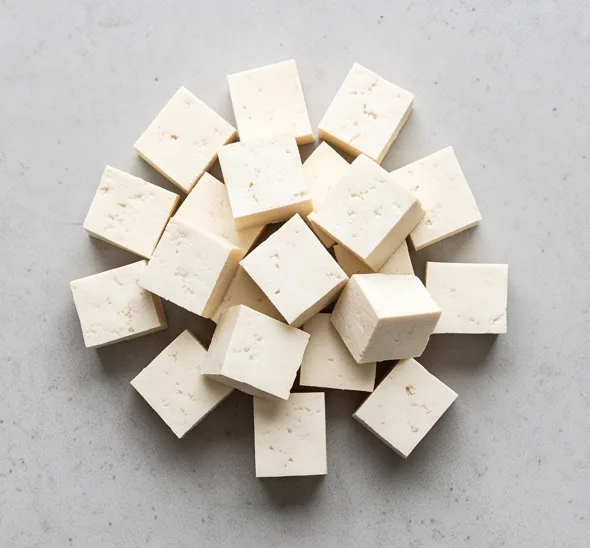
Tofu is soybean curd. Silken, firm and extra-firm varieties differ in water content, texture and nutritional composition.
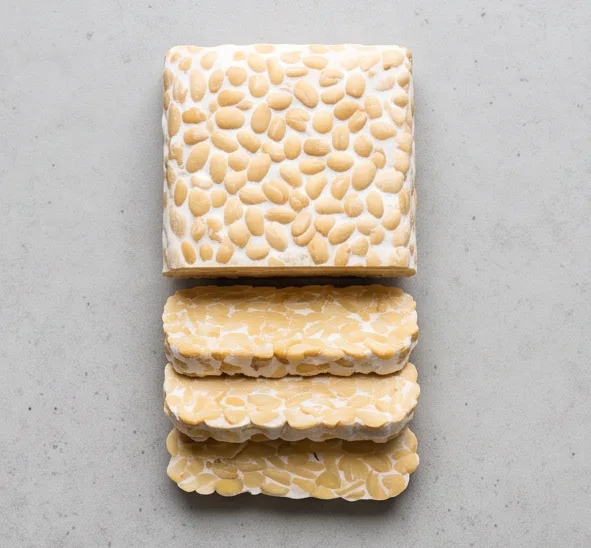
Tempeh is a fermented bean cake traditionally made with soybeans. Its firm texture suits slices, crumbles and marinades.
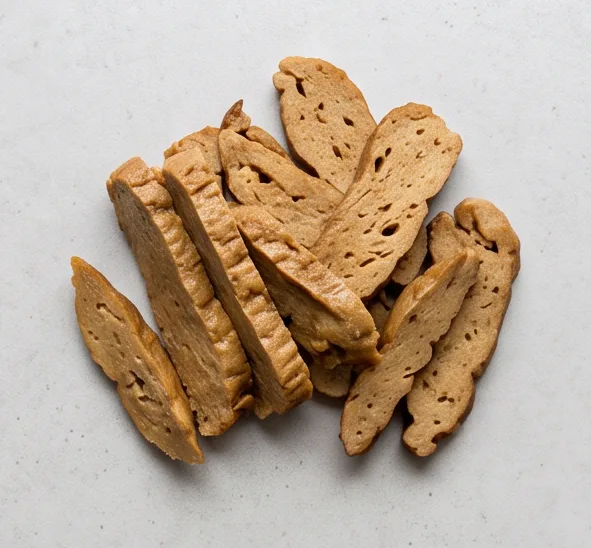
Seitan is a prepared wheat-gluten food with a firm, chewy texture. Its composition varies with the recipe and added ingredients.
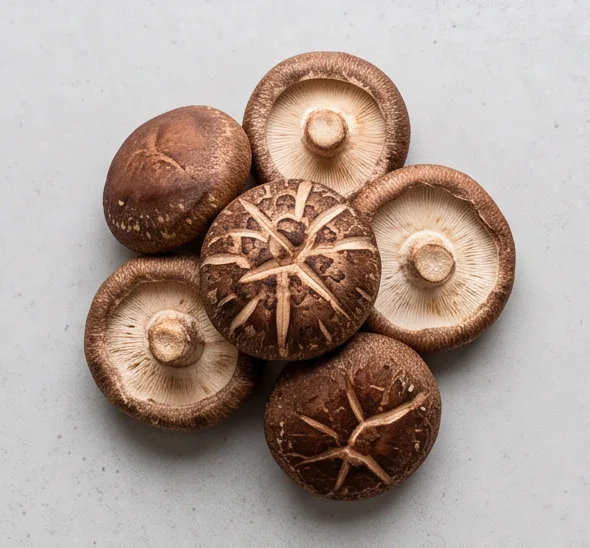
Shiitake mushrooms add savoury flavour to soups and stir-fries. Dried mushrooms have a more concentrated flavour than fresh ones.
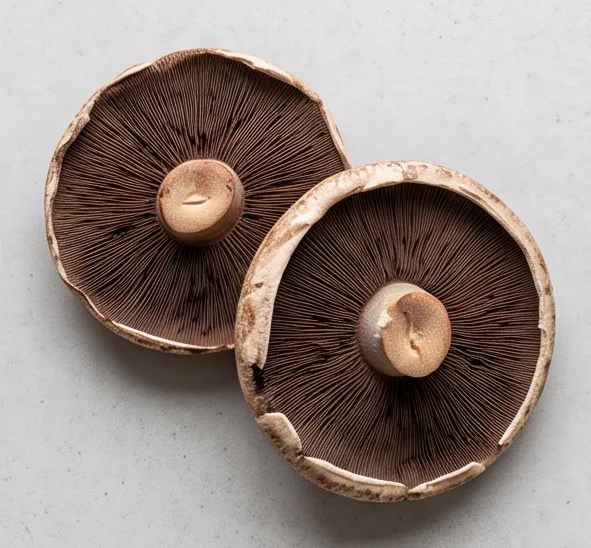
Portobello is a mature cultivated mushroom, valued for its broad cap and firm texture. It can replace the shape of a burger patty but not its protein content.
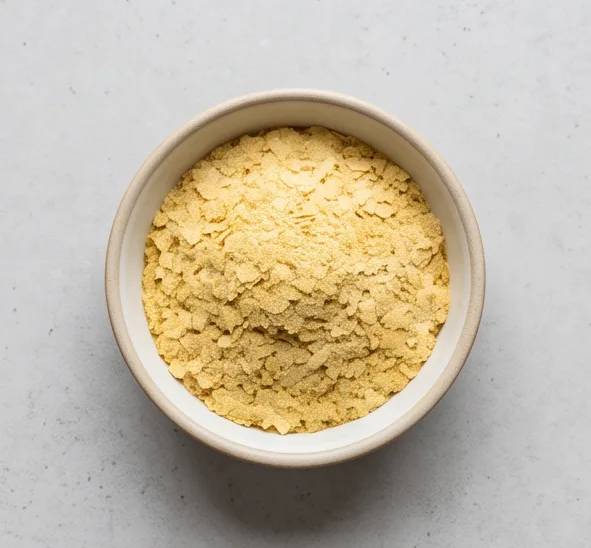
aka nooch
Nutritional yeast is deactivated yeast sold as flakes or powder for savoury flavour. Fortified and unfortified products have different vitamin contents.
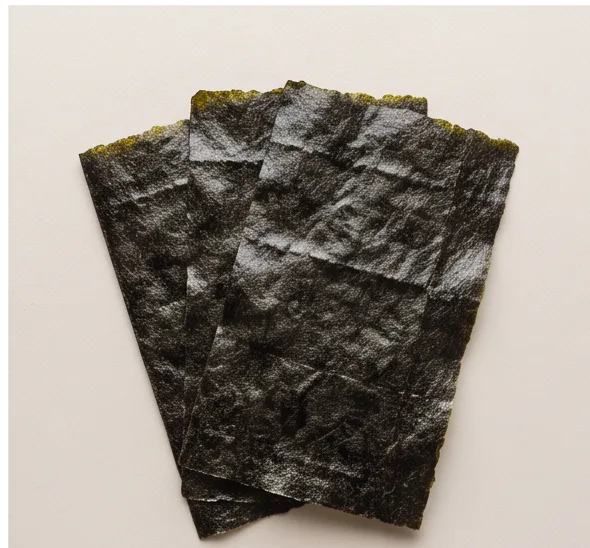
Nori is commonly sold as dried or roasted seaweed sheets for sushi and garnishes. Species and processing affect iodine and other nutrient levels.
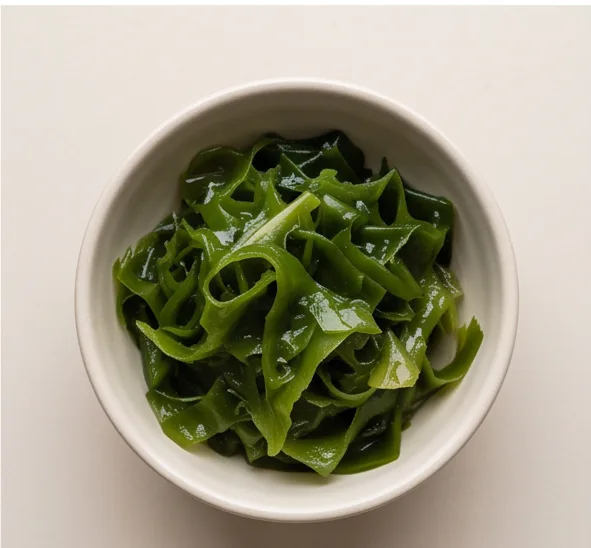
Wakame is a seaweed used in soups and salads, commonly sold dried and then rehydrated. Dry and rehydrated portions are very different by weight.
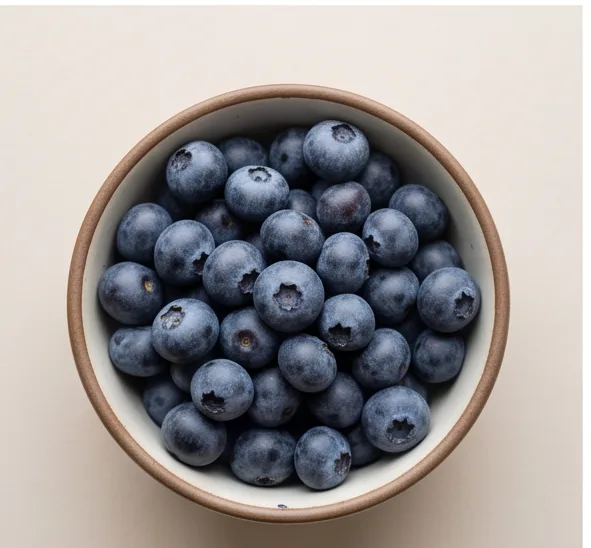
aka blueberries, raspberries, blackberries, strawberries
Berries include several distinct fruits, with different nutrient profiles. Fresh and frozen berries work in porridge, desserts and sauces.
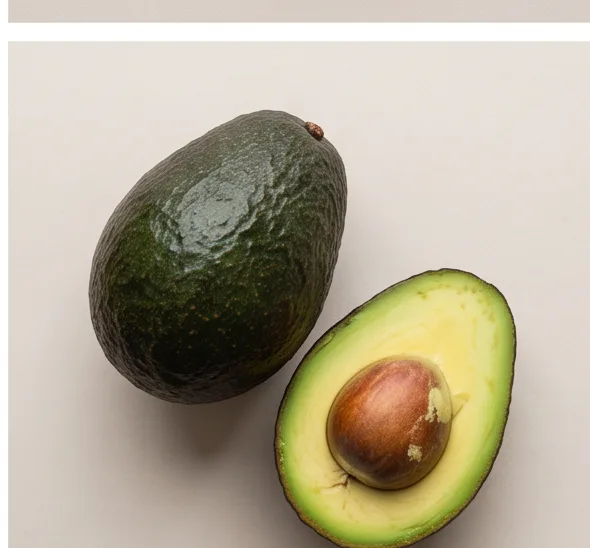
Avocado is a creamy fruit contributing unsaturated fat and fibre. Ripeness determines whether it slices neatly or mashes smoothly.
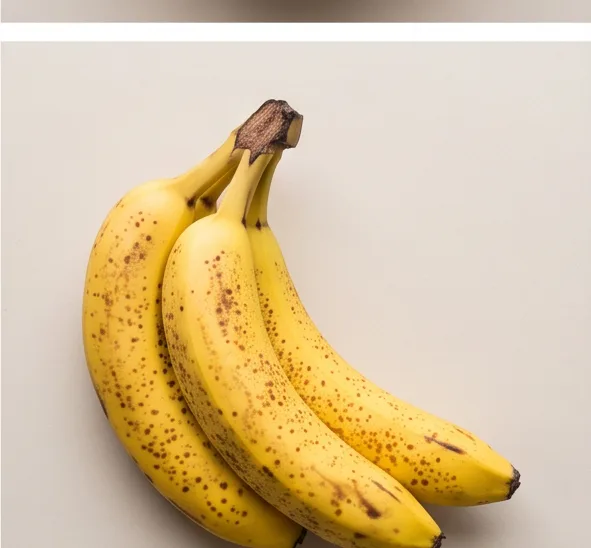
Bananas are a convenient fruit for snacks, porridge and baking. Ripe bananas add sweetness and moisture; less-ripe fruit has a different texture and flavour.
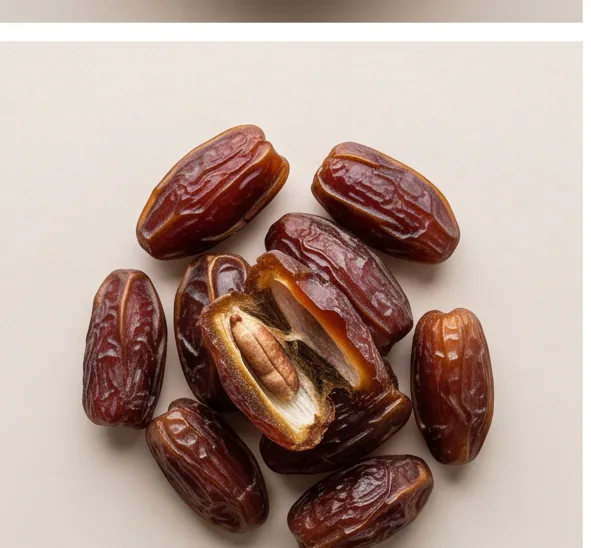
aka medjool, deglet noor
Dates are sweet dried fruits used in snacks, sauces and baking. Variety and moisture content change their softness and flavour.
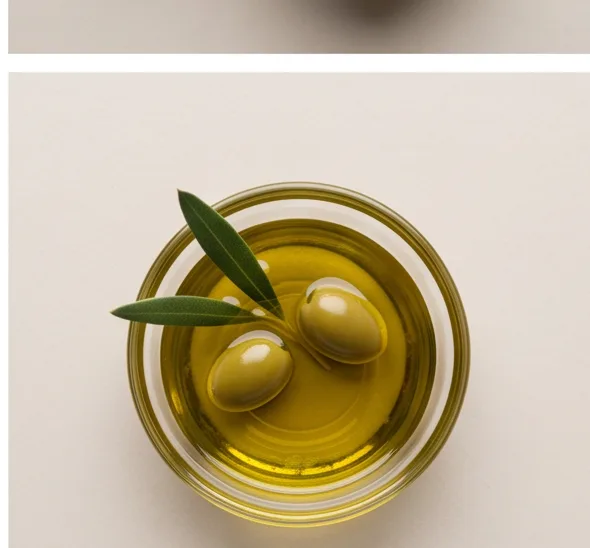
Olive oil supplies concentrated fat. Extra-virgin olive oil adds a distinctive flavour to dressings and cooked dishes.
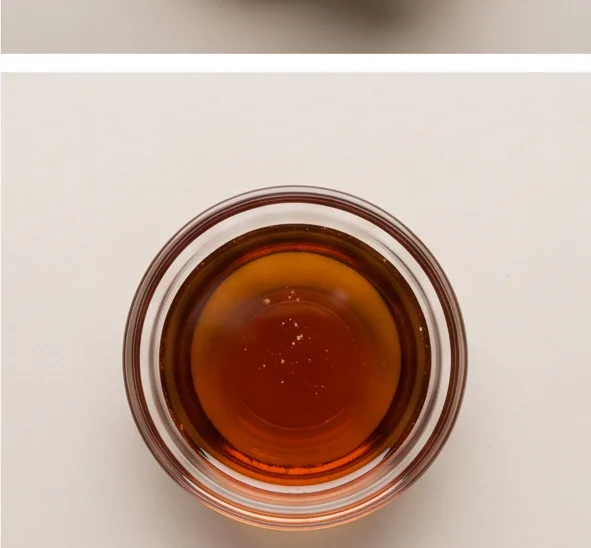
Maple syrup is a liquid sweetener made from maple sap. It can replace honey for flavour and sweetness in some recipes.
Label literacy
Most animal-derived additives fall into a short, learnable set. After a week of deliberate label reading, screening a packet becomes automatic and the number of ambiguous products drops to a handful.
First, scan the allergen line — in the EU, UK and US, milk, egg, fish and crustacean shellfish must be declared (the EU and UK also cover molluscs), so a product without them is already unlikely to contain the most common animal ingredients. Second, scan for the classic named derivatives: gelatine, whey, casein, lactose, albumin, lard, tallow, anchovy, honey, shellac. Third, scan for E-numbers with animal-possible origins. Nearly every packaged product resolves in one of those three passes.
A small group can be plant, mineral, microbial or animal depending on the manufacturer: mono- and diglycerides (E471), stearic acid and magnesium stearate (E470b), glycerine (E422), lactic acid (E270, usually microbial despite the name), natural flavours, vitamin D3 (frequently lanolin, sometimes lichen), and enzymes such as rennet and lipase. For these, the supplier decides, so certification or a direct question to the manufacturer is the only reliable route.
Lactic acid, lactose-free, cocoa butter, shea butter, peanut butter, cream of tartar, buttermilk-flavour seasoning and 'milk chocolate flavour' cause confusion in both directions. Lactic acid is normally fermented from plant sugars; lactose is milk-derived. Cocoa and shea butter are plant fats. Conversely, products marketed as 'dairy-free' can still contain casein or whey derivatives under some regulatory definitions.
Isinglass in some cask beers, gelatine and egg albumin as fining agents in wine, and bone char in some cane-sugar refining are processing aids rather than ingredients, so they are frequently not listed at all. This is where certification schemes and producer transparency genuinely add information that a label cannot.
Origin depends on the manufacturer for the ambiguous entries; verification requires certification or contact.
| Ingredient / E-number | Typical use | Origin | Verdict |
|---|---|---|---|
| Gelatine (E441) | Setting, sweets, capsules | Animal collagen | Animal-derived |
| Carmine / cochineal (E120) | Red colour | Insect | Animal-derived |
| Shellac (E904) | Glaze | Lac insect secretion | Animal-derived |
| L-cysteine (E920) | Dough conditioner | Feathers, hair or microbial | Ambiguous |
| Mono/diglycerides (E471) | Emulsifier | Plant or animal fat | Ambiguous |
| Magnesium stearate (E572) | Anti-caking | Plant or animal fat | Ambiguous |
| Glycerine (E422) | Humectant | Plant, animal or synthetic | Ambiguous |
| Lactic acid (E270) | Acidulant | Usually plant fermentation | Usually plant |
| Whey, casein, lactose | Protein, filler | Milk | Animal-derived |
| Vitamin D3 | Fortification | Lanolin or lichen | Ambiguous |
| Natural flavours | Flavour | Unspecified | Ambiguous |
| Isinglass | Fining agent | Fish swim bladder | Animal-derived |
EU additive register · FSA guidance · manufacturer disclosures
Deliberate practice for one week converts label reading from a chore into a reflex.
Start with your existing basket rather than a hypothetical one. Most people find one or two surprises and nothing else.
Gelatine, whey, casein, lactose, albumin, carmine, shellac, isinglass. These cover the large majority of clear cases.
E471, E470b, E422, E920, D3, natural flavours. Decide once how you will treat them and stop re-deciding in every aisle.
Responses are usually quick, and demand signals recorded by brands are one of the few consumer levers that measurably works.
Once a brand of bread, stock, chocolate and crisps is verified, the weekly shop no longer requires reading.
It depends on the manufacturer. Mono- and diglycerides can be made from plant or animal fats and the label rarely specifies. In the EU, an animal-derived version in a product that also lists it as an allergen would need declaring, but that does not cover every case.
Beet sugar always is. Some cane sugar, particularly in the US, is filtered through bone char. Organic and unrefined cane sugars are typically processed without it.
Not automatically. Fining agents such as isinglass, gelatine, casein and egg albumin are processing aids and often unlisted. Many producers now state 'suitable for vegans' explicitly.
It is a voluntary cross-contamination warning about shared equipment, not a statement that milk is an ingredient. How you treat it is a personal decision rather than a compositional fact.
Almost never in modern food production. It is typically produced by bacterial fermentation of plant sugars such as beet or corn, despite the etymology.
Useful as a first pass and unreliable as a final authority. Databases lag reformulations and differ by country, so a verdict should be checked against the actual label in front of you.
Modèl yon chanjman mondyal nan rejim vegan te estime anviwon uit milyon mwens lanmò chak ane pa 2050.
Springmann et al., PNAS 2016
Elvaj bèt se tou pi gwo faktè ki lakòz pèt forè twopikal atravè lemond.
Yale E360
Anviwon yon tyè nan rekòt sereyal mondyal la ale nan manje bèt. Pandan tan sa a, anviwon 730 milyon moun te fè fas ak grangou an 2023.
FAO Food Outlook; SOFI 2024



