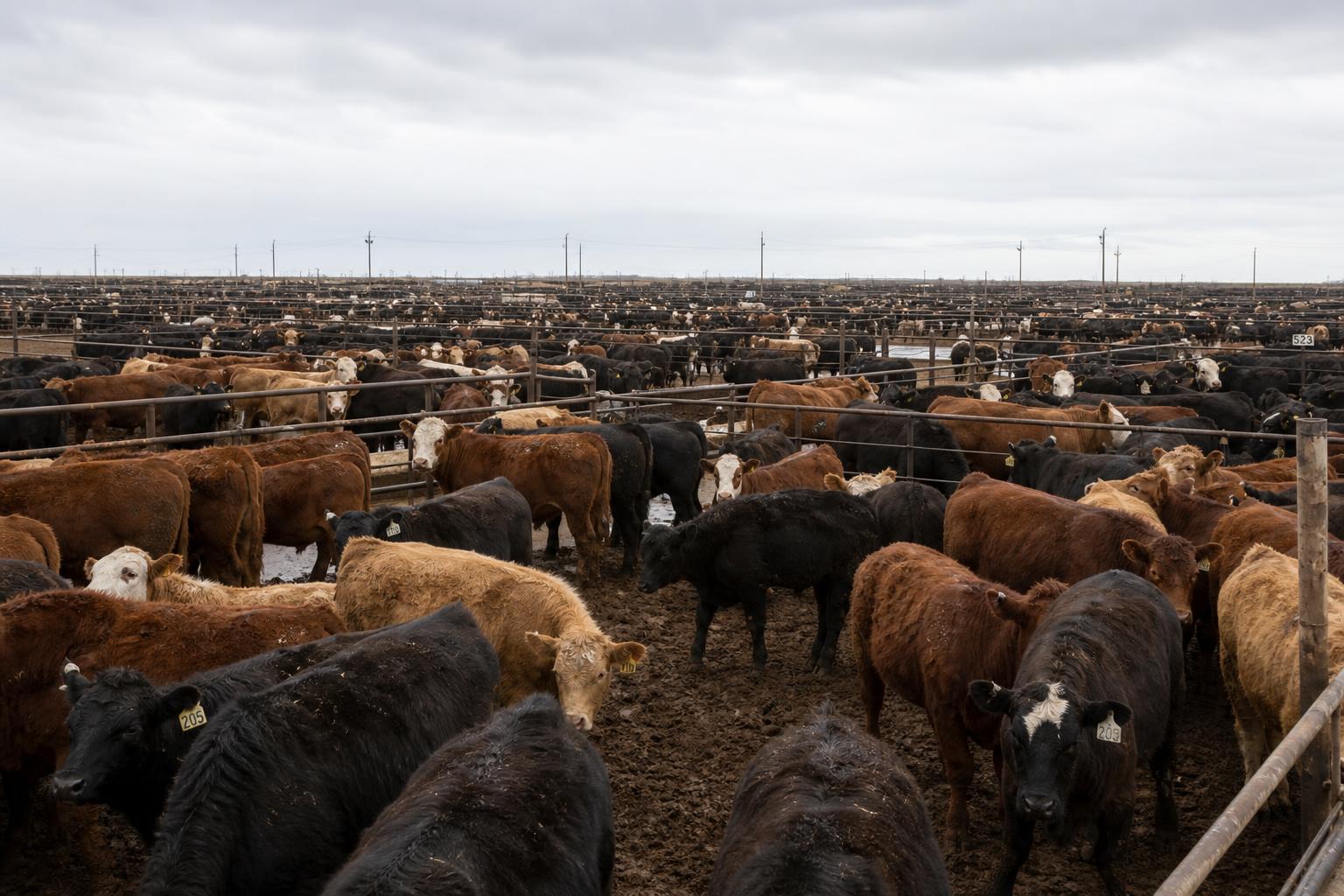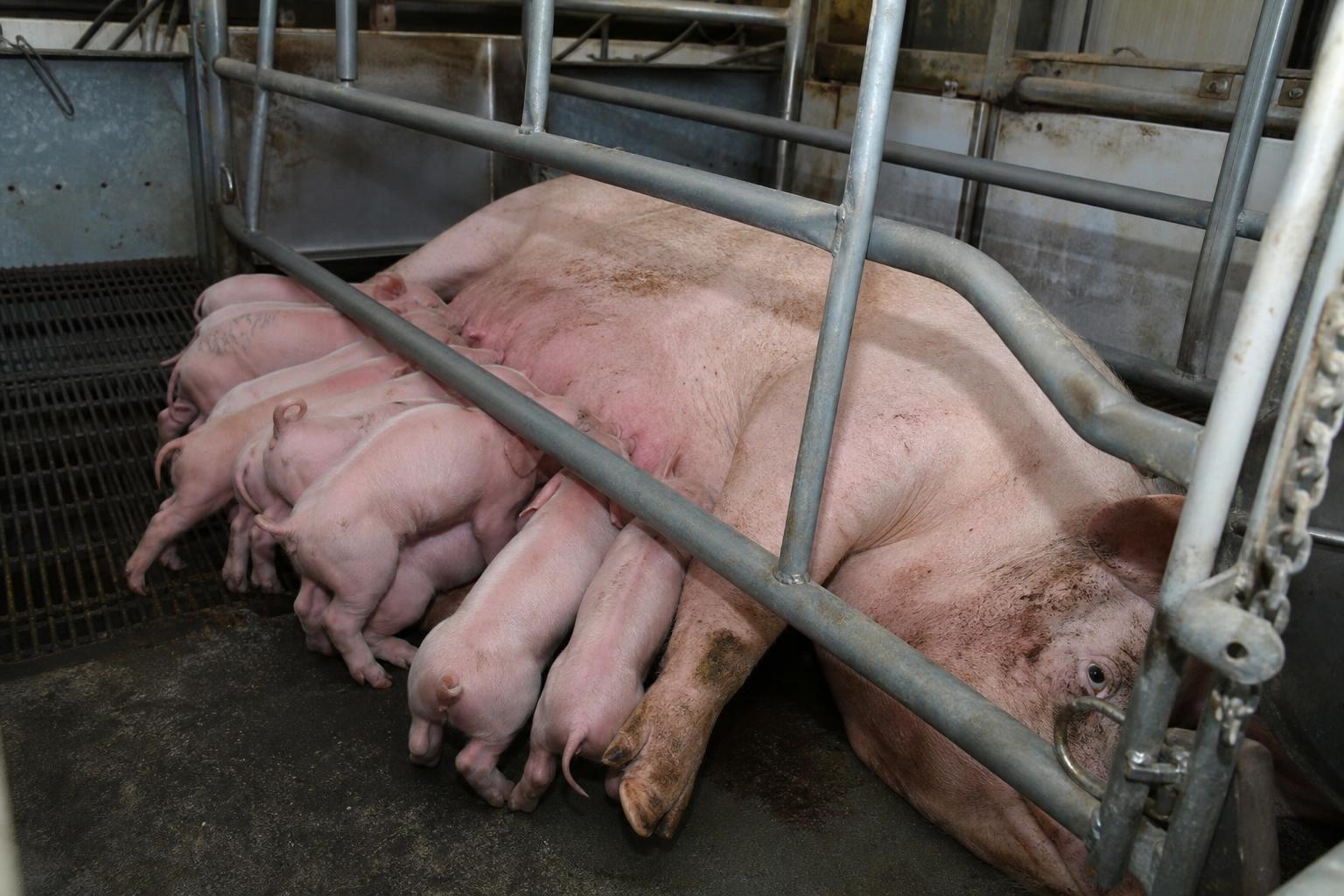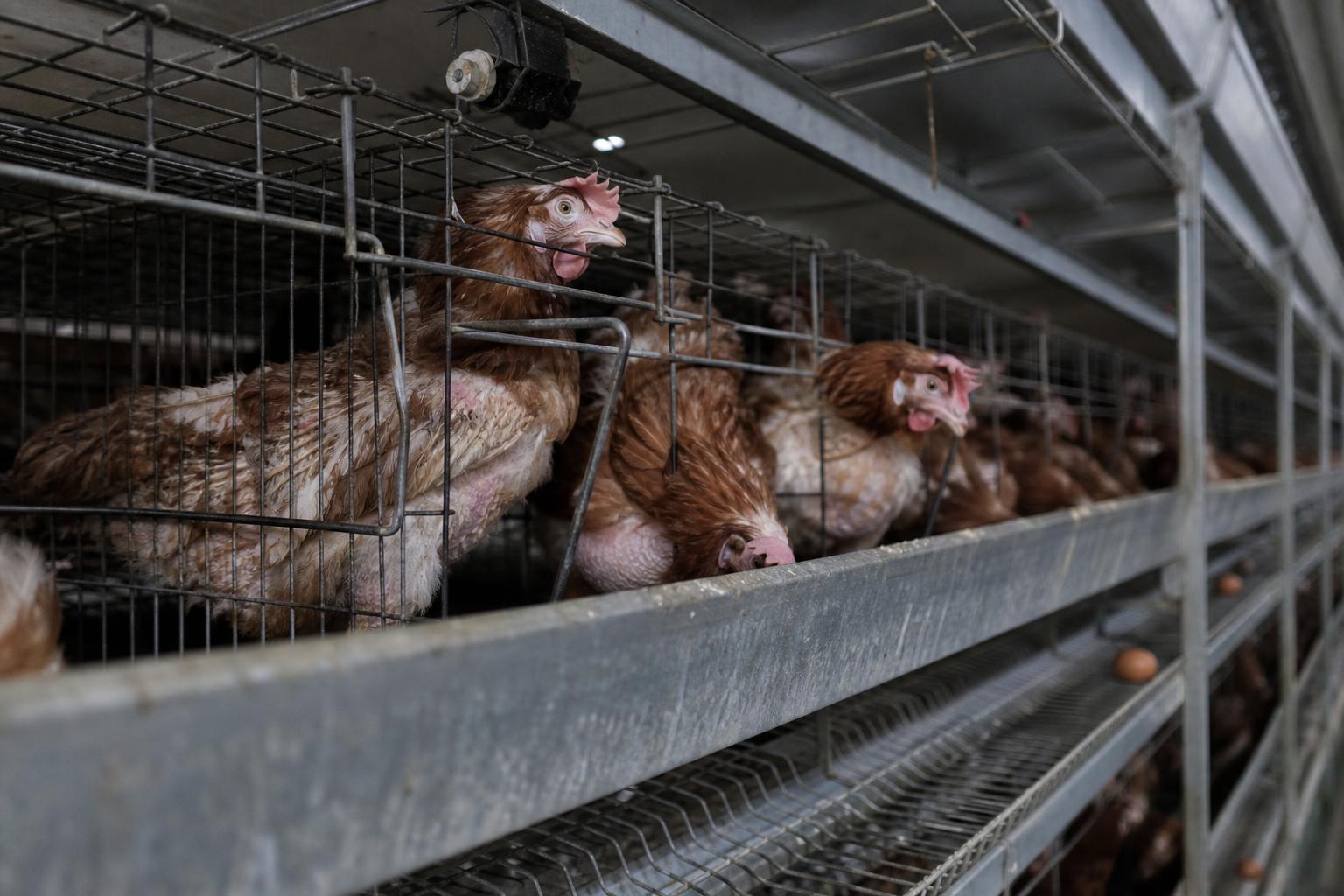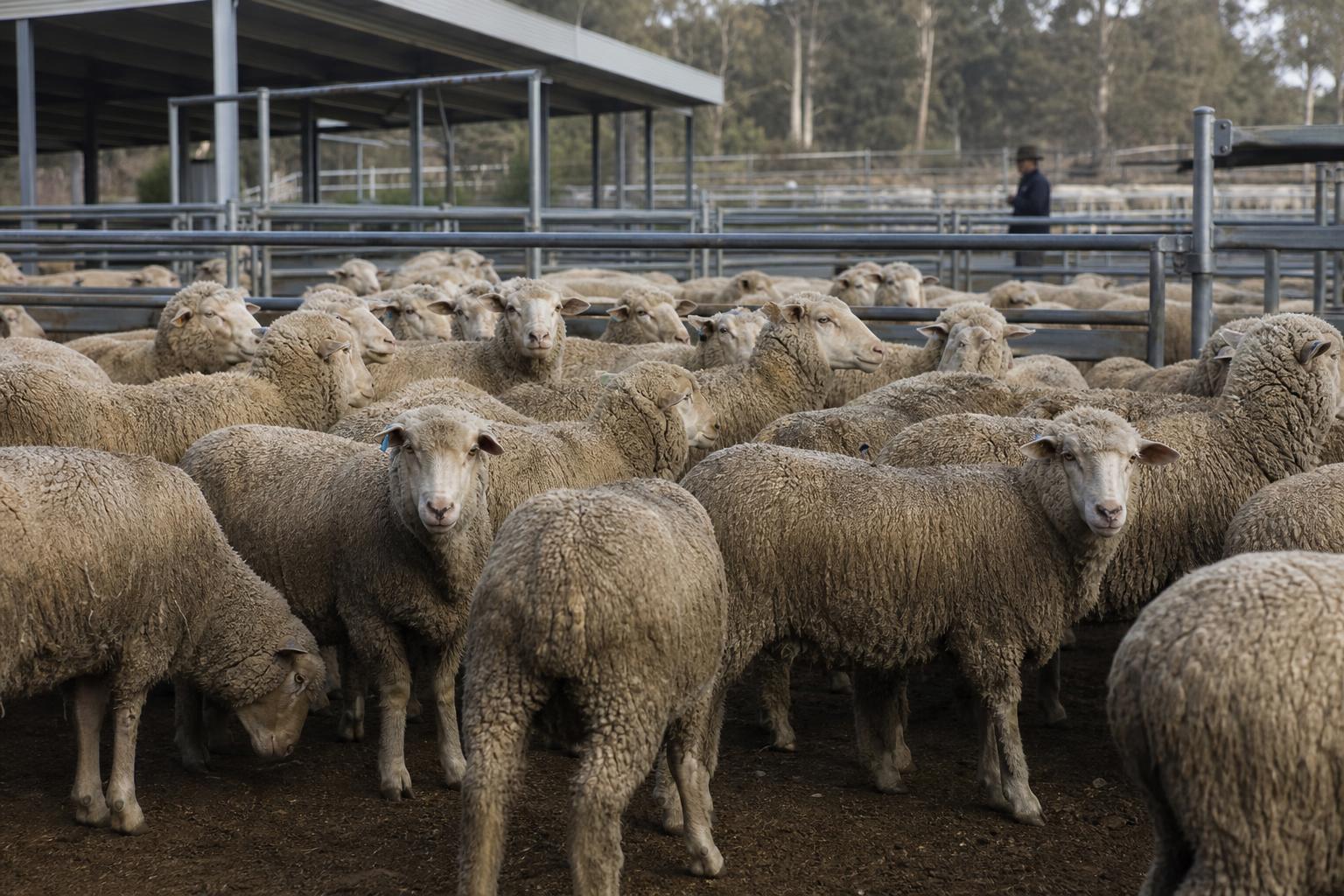
Uywakuna

Paykunaqa sapa hukmi kanku. Sapa hukninpuni.

80 billion yalliq allpa uywakuna — hinallataq achka challwakuna — sapa wata wañuchisqam kanku. Paykunaqa kawsayniyoqmi, manan imaykachu. Kay qillqaqa pikuna kasqankumanta, paykunawan imachus rurasqankumantam willan.

Paykunaqa sapa hukmi kanku. Sapa hukninpuni.
Rikcha: Slaunger / Wikimedia Commons (CC BY-SA)
01

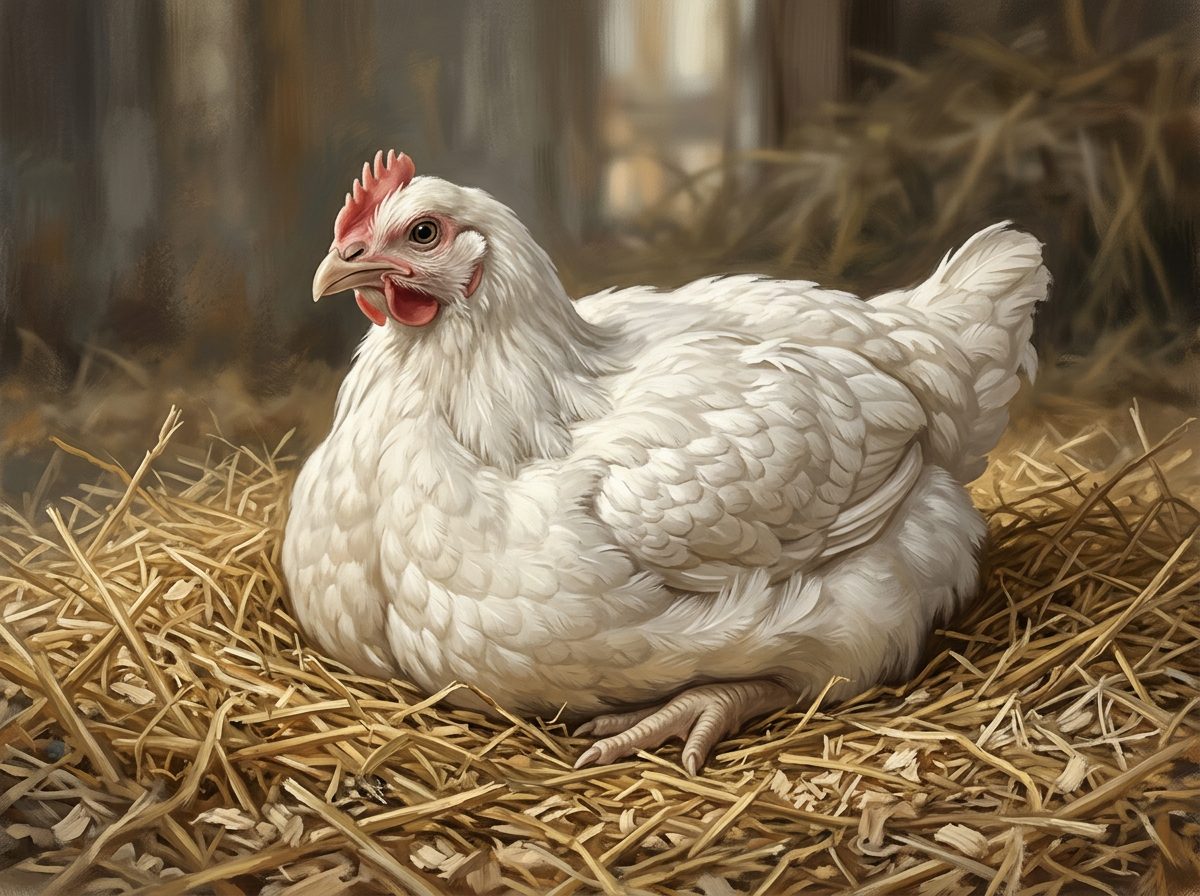
Gallinas

Llapan huqnin uywa pacha huñusqanmantam aswan ashkha gallinas wañuchikunki.

Sonqonkuna hinallataq chakinkuna urmananpaq usqay wiñanamanmi criasqa, broiler gallinas sojta semanaspi wañuchina pesota chayan. Huevo qoq gallinas wata iskayninkata papel hoja pisiaswan chika jaulaspi kawsanku. Gallinawan machokunata muyuruchispa katachiyta ruway millones chawpipi chayraq wañuchisqa wañuchikunmi.

  • Sapa watam 76 billon wallpakuna aychapaq wañuchisqa kanku.
  • Sapa watam 6–7 billon qhari wallpacha uñakuna qillpa kanku ruru qatuypi.
  • Gallinakuna 100 aswan cara riqsinku hinallataq kuyaywan tinkukunata wiñaypaq ruranku.
02

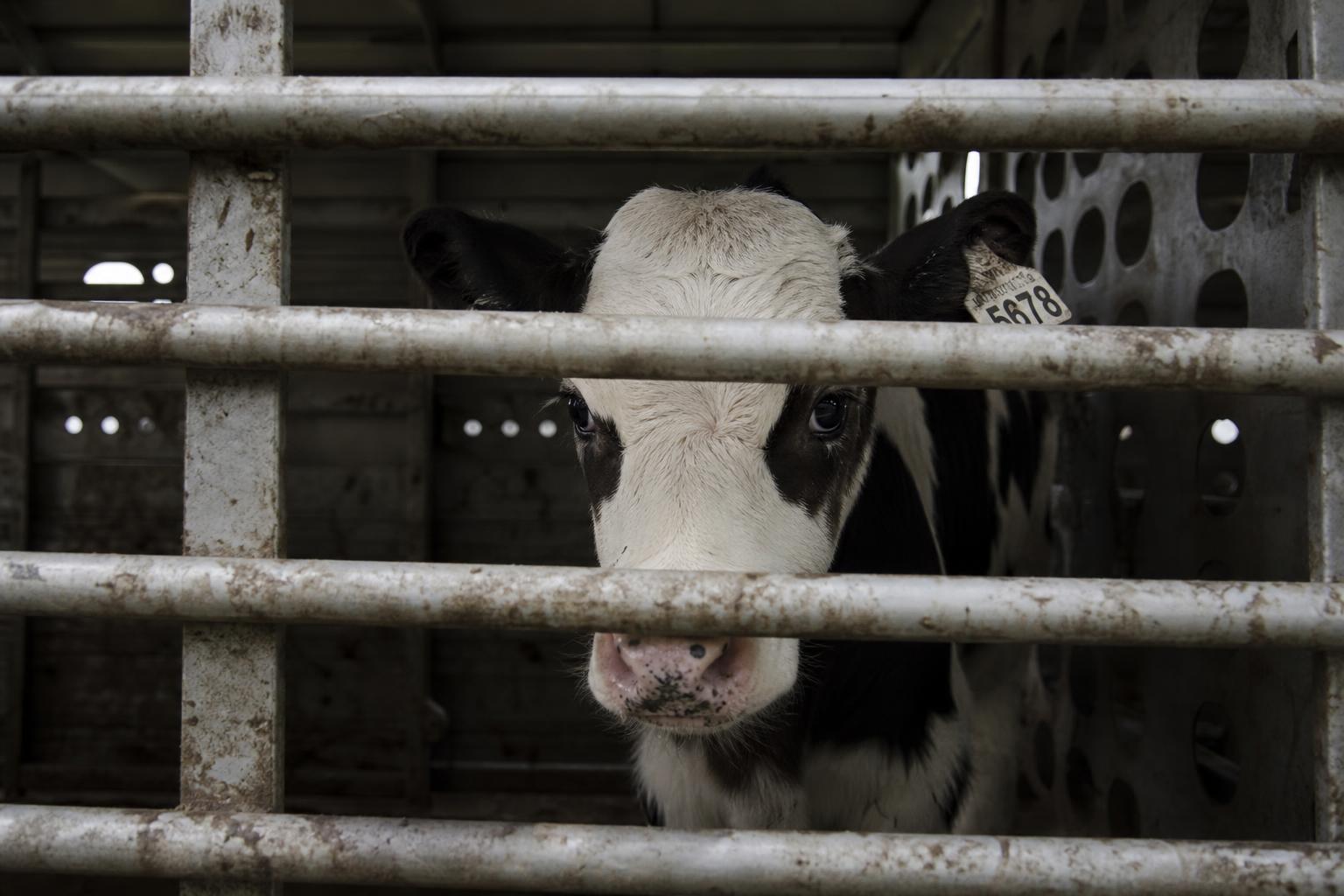
Vacas

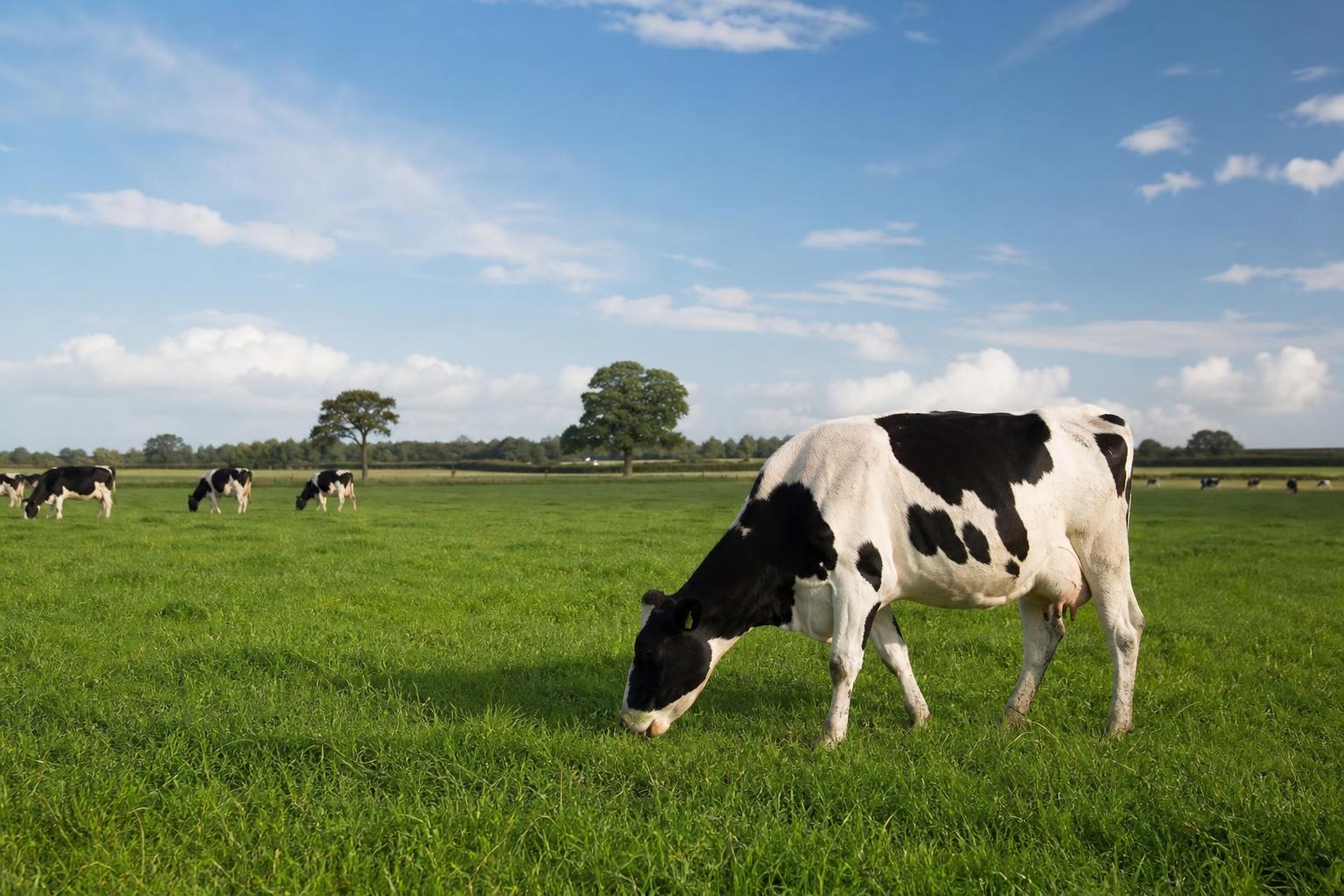
Lechería manan vacuno aychapaq tranquilo alternativochu — mama vacunomi.

Vaca lecheras sapa wata forzado embarazo sufrinku. Wawa vacakuna naci uraman horaspi qhatinku — waway vacas veal vendisqa, warmiy vacas chay mismo ciclomaqa. Paykunap kurkunin, selective criaduyoq cansado, wata pichqaninmantam wañuchisqa. Paykuna natural kawsayna wata iskaychunka.

  • Mama vacas robado waway vacakuna días rakin maskaspa llakisqas rikuchisqa.
  • Dehorning, branding hinallataq cola corte dolor relief mana kanway ruwasqa.
  • Vacuno aychawan lechería huqllapi ganadería greenhouse emisiónpa 60% ukhupiqa kachkan.
03

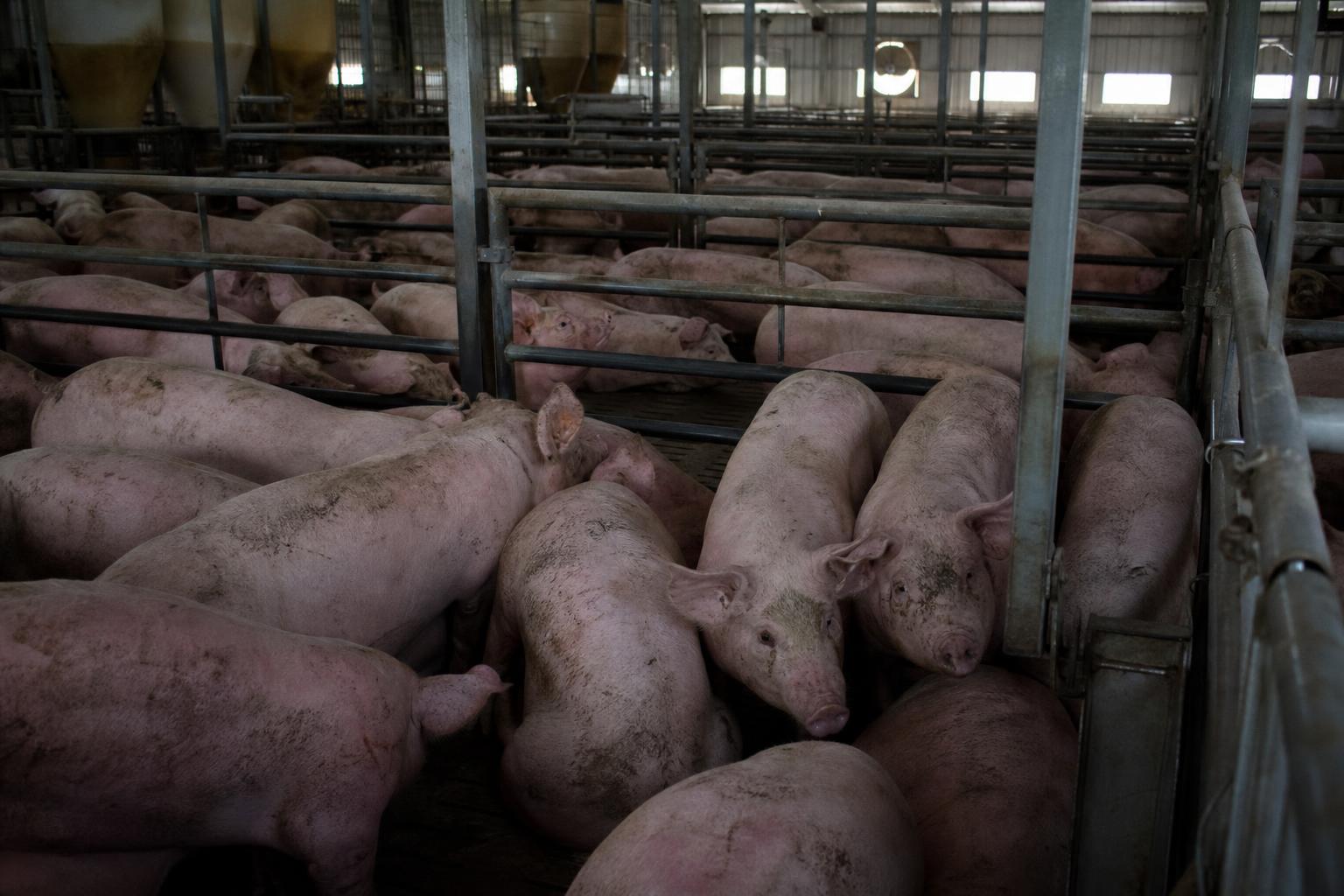
Khuchikuna

Sapa kutim kawsay yachaypi uñachakuna hina kanku. Huk yupay hina qhawasqa.

Hembra khuchikuna kawsayninpa askha partinta gestación corralkunapi wiñaynin pasachinku, chayniqtan muyurukuyta mana atinku. Khuchi wawakuna anestesia mana kanway castra, cola corta hinallataq kirunkuna cortasqa kanku. Askha khuchikuna wañuchinaman camión apasqa punchaw kama qanchis qhawanku.

  • Khuchikuna puzzleta ruranku, espejos rikunku hinallataq juguetes usanku chanson huk oportunidad kaptin.
  • Pachantinpi sapa watam 1.4 billon kuchi uywakuna mikhunapaq wañuchisqa kanku.
  • Khuchi granjakuna askha regionkunapi ammonia polución fuente aswan hatunmi.
04

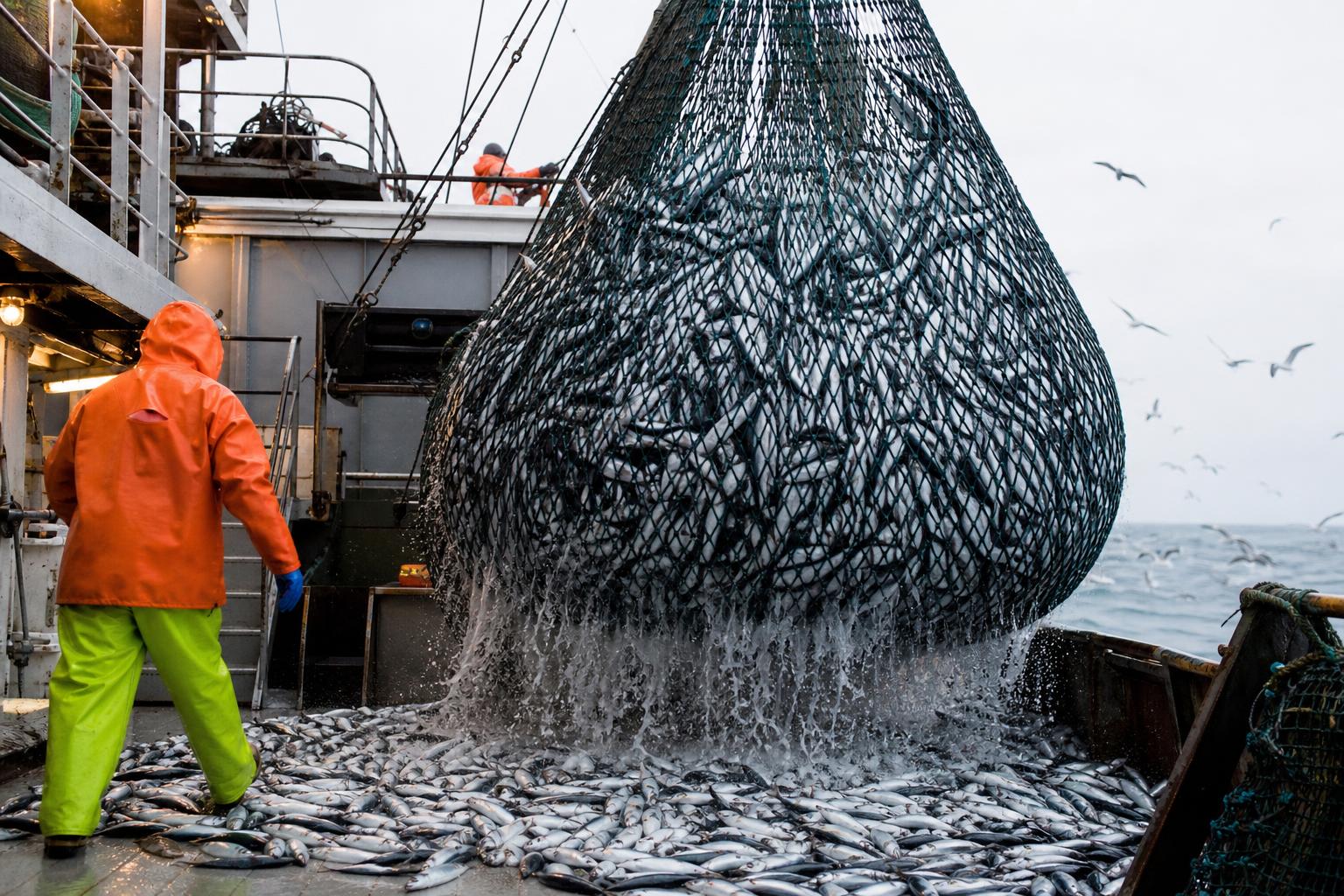
Challwakuna

Granjapi animalkuna aswan hatun, aswan pisita yupasqa, aswan pisita protegisqa grupo.

Challwakuna nanay riqsinku. Evidencia iskay chunka wata ñawpaqmantam ciencia killqasqam. Chaywanpis tuku wañunku sapa wata — arrastrero barco tablapi uquchispa, redespi ch'uqchirisqa, chayraq vivos parásitos mikhuq enfermedadniyuq mar jaulaspi.

  • Estimado 1–2.8 billones salvaje challwakuna aycharaq wañuchikunki.
  • 2023 watapi Noruega suyupi sapa suqtantin challwapi, huknin challwam kancha ukhupi wañurqa.
  • Acuacultura aswan usqay wiñaq mikhuna sector — hinallataq bienestar ukhupi aswan pisita regulado.
05

Ovejakuna & Chiwaskuna

Vivo exportación — camion hinallataq barcowan — paykunap kurkunkunapi wiñan.

Borregokuna normalmente kimsa chunka punchawmanta chunka punchawkunakama wañuchikunki. Mulesing, cola corte hinallataq castracionqa ruwatiy, askha anestesia mana kanway. Barco exportación millones de animales mar qochakunata sapa wata apan; q'oñiwan yarqaywan wañuykuna documentasqa ichaqa normalizado.

  • Sapa watam pachak waranqa uñapa waka, ch'iwi uywakuna aychapaq wañuchisqa kanku.
  • Kawsayta apayqa achka simana quchapi purinmi.
  • Chiwa leche demandan ñam vaca lecheríap naci urapi separación modelotam hantuchikun.
06

Salvaje challwakuna & mariscos

Achka challwakunaqa manam kutimuyta atinchu, utqaylla challway kaptin.

Challwakuna t'aqasqamanta kimsantin t'aqapi yalli challway kachkan. Challwa hapiqkunaqa qucha ukhutam q'ipichinku; nina walltakunapas challwakunata, tiburoncunata hinaspa charapakunata wañuchinku.

  • Challwaypiqa 40% challwakunatam mana munasqanchikta hap'inku.
  • Challway aparikunaqa hatun plastiku t'aqam Great Pacific Garbage Patch nisqapi.
  • Challwa t'aqasqamanta kimsantin t'aqapi yalli challwayqa allin kawsay limitetapas yallinmi.
Species deep dives

Who they are, and what the industry does.

The animals in the food system are individuals with distinct cognitive lives, social needs, and, where studied, demonstrated emotional range. The following profiles draw on peer-reviewed animal behaviour research as well as documented standard industry practices. They are not arguments from sentiment — they are arguments from evidence.

01

Chickens

Yuyay

Chickens demonstrate numeracy, self-control, and basic forms of empathy. Studies have shown that hens show distress responses when their chicks are exposed to mild stress — a finding consistent with primitive empathy. They are capable of deception, have distinct personalities, and learn from observation. Their cognitive capacity is substantially higher than cultural assumptions suggest.

Natural kawsay

When given suitable conditions, chickens form social hierarchies, forage, dustbathe, establish roosting sites, and engage in complex vocal communication. Egg production varies greatly with breed and conditions. Broody hens incubate eggs and raise chicks through a period of intensive parental care that typically lasts several weeks.

Asway

Fast-growing broiler chickens are often slaughtered at 35–42 days — long before their potential lifespan of several years. Selection for rapid growth and breast mass increases the risk of cardiovascular and skeletal problems. Laying hens can produce 250–300 eggs per year. Conventional battery cages severely restrict movement; space allowances vary by country and cage type.

02

Pigs

Yuyay

Pigs show sophisticated learning, memory, and social behaviour. Experiments have examined spatial problem-solving, individual recognition, and their ability to use information from mirrors to locate food. Their abilities vary with the task and conditions, and research continues to explore the extent of their cognitive capacities.

Natural kawsay

Wild and free-ranging pigs live in matriarchal family groups. They build nests for farrowing, rootle extensively (using their snout to explore and manipulate their environment), form close bonds with individuals they choose, and spend roughly half their waking hours in social activity. Sows are protective, attentive mothers. Piglets begin play behaviour within days of birth.

Asway

Breeding sows in intensive systems spend most of their reproductive lives in gestation crates — metal enclosures approximately 0.6 m wide — where they cannot turn around, rootle, or engage in social behaviour. After farrowing, they move to farrowing crates that similarly restrict movement. Piglets are weaned at 21–28 days (natural weaning occurs at 12–15 weeks), then housed in barren conditions until slaughter weight.

03

Cows

Yuyay

Cattle form lasting friendships with individual herd members and show signs of what researchers describe as emotional contagion — their heart rate rises when separated from companions and falls when reunited. They exhibit curiosity (sometimes called 'bovine excitement') when released into novel environments, and remember negative experiences with specific individuals or locations over long periods.

Natural kawsay

Cattle in natural or extensive conditions graze up to eight hours a day, spending the rest of their time ruminating, socialising, and resting. Cows form tight bonds with their calves and maintain complex social relationships across years. Natural lifespan is 15–20 years. The mother-calf bond is among the strongest observed in ungulates.

Asway

Dairy cows are often culled after only a few lactations, well before their potential lifespan of 15–20 years. Reasons include fertility problems, disease, and production economics. Calves are commonly separated soon after birth, although practices vary. Male dairy calves may be raised for beef or veal, while some are killed shortly after birth.

04

Fish

Yuyay

Fish cognition is a rapidly advancing research area. Studies have documented social learning, long-term individual recognition, use of tools (wrasse have been observed using rocks to crack shellfish), Machiavellian social strategies in cleaner fish, and responses to noxious stimuli that parallel pain responses in mammals. The assumption that fish do not feel pain is no longer defensible in the scientific literature.

Natural kawsay

Fish species vary widely, but across most, life involves navigation of complex three-dimensional environments, social group dynamics (shoaling, schooling, territorial behaviour), and individual problem-solving. Salmon migrate thousands of kilometres to spawning grounds using magnetic field navigation. Rays play. Groupers cooperate with moray eels to hunt. The diversity of fish cognition and behaviour is poorly represented in public discourse.

Asway

A 2024 study estimated that wild fisheries caught 1.1–2.2 trillion finfish annually on average during 2000–2019, excluding unrecorded catches. In aquaculture, unsuitable stocking densities and poor water quality can cause chronic stress, fin damage, and impaired health. Many farmed fish are slaughtered without effective stunning.

05

Sheep

Yuyay

Sheep can remember 50 individual sheep faces for more than two years and can also recognise familiar human faces. They respond to emotional cues and show changes in behaviour under stress. Like cattle, they form strong social bonds and can show measurable physiological stress when separated from companions.

Natural kawsay

Sheep are social animals that graze, rest, and move as cohesive groups. Ewes maintain a close bond with their lambs for several months, recognising them by sight, sound, and smell. In non-intensive systems, sheep have natural lifespans of 10–12 years. They are not as passive as cultural stereotypes suggest — they have been shown to be capable of active decision-making and independent navigation.

Asway

Lambs destined for meat are typically slaughtered at 4–12 months. In mulesing — common in Australian wool production — a section of skin is cut from around the hindquarters without anaesthetic to prevent flystrike. Shearing, while not inherently harmful, routinely causes cuts and abrasions in commercial operations where speed is prioritised. Ewes in intensive dairy production are milked on cycles similar to cattle.

06

Rabbits

Yuyay

Rabbits are more cognitively complex than their common treatment suggests. They solve spatial problems, learn from observation, use and understand referential cues from humans, and have individual personalities ranging from bold to cautious. They communicate extensively through body language and show affection through grooming behaviour called allogrooming.

Natural kawsay

Wild rabbits live in social groups centred on shared burrow systems. They spend dawn and dusk foraging and have elaborate social structures with clear individual relationships. They engage in play, particularly when young. Domestic rabbits, when given appropriate space, exhibit the same range of behaviours.

Asway

Many rabbits farmed for meat are kept in conventional wire cages that restrict movement and natural behaviour. Other housing systems include enriched cages, pens, and outdoor systems. The EU has general farm-animal and slaughter protections but no rabbit-specific farming directive. Welfare risks include cramped housing, handling, and ineffective stunning.

Qhaway

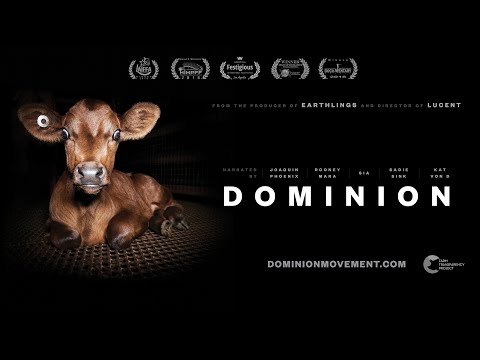
Dominion (2018)

Huk unay rikch'a rikch'a mayqinchus drone, pakasqa chaymanta makiwan llamk'aq cámaras llamk'achispa kunan pacha animal chaninpa tuta ukhunmi. Lliwta qhaway.

Dominion (2018) — lliw rikch'aYouTube
Pukyu: Aussie Farms / Farm Transparency Project (YouTube)
Uyakuna

Numerokunapa qhipanpi kawsaykuna

Pasturapi wakakuna
Liman rikcha
Kurpa k'uchiyuq kurpa
Wikimedia Commons
Batería jaulapi wallpakuna
Liman rikcha
Uwiha llañu runtu
Liman rikcha
Wild-caught fish

The hidden scale of the most uncounted industry.

Wild-caught fish are often missing from discussions of food-system animal deaths. A 2024 study estimated that 1.1–2.2 trillion wild finfish were caught annually on average during 2000–2019, using global landing weights and estimated individual weights. The estimate includes marine and inland fisheries but excludes unrecorded catches. These numbers far exceed recorded slaughter counts for farmed land vertebrates.

Beyond the direct kill, wild fisheries cause enormous bycatch: non-target species caught and discarded dead or dying, including dolphins, turtles, seabirds, and juvenile fish of all species. Bottom trawling — a common method in which a weighted net is dragged across the seafloor — destroys benthic habitat that took decades to develop. The physical destruction of ocean floor ecosystems is among the most underreported environmental impacts of food production.

The simplest way to reduce your contribution to ocean harm is the same as for land animals: eat more plants, eat less fish. For those who continue to eat seafood, smaller oily fish lower in the food chain (sardines, mackerel, anchovies) carry far lower ecosystem costs than large predators like tuna or salmon. Shellfish from certified sustainable operations are among the least environmentally costly animal foods available.

Wañuchisqa animalkuna sapa wata mikhunapaq (wararanqakuna)

Allpapi kawsay uywakuna: wata-wata wañuchisqakuna; yaku kawsay uywakuna: 2000–2019 watakuna ukhupi chaskisqakuna, mana qillqasqa jap'isqakunata mana yupaspa.

  • Wallpakuna78.5 B
  • Pilikuna4.2 B
  • K'uchikuna1.5 B
  • Uwiha chaymanta Kachikuna1.27 B
  • Wakakuna0.3 B
  • Yaku kawsay uywakuna (est.)1500 B

FAOSTAT 2024 · Mood & Brooke, Animal Welfare (2024)

The other side of the plate

Every meal has a story. Most are never told.

Six facts, with imagined vignettes illustrating the lives behind food production.

Land animals slaughtered for meat worldwide in 2022.
Veg.ac · AI · Liman rikcha
01 — The fact

83B

Land animals slaughtered for meat worldwide in 2022.

That 2022 total averages roughly 2,630 animals per second. It excludes additional deaths not recorded in meat-slaughter statistics.

The life
“A broiler chicken’s potential lifespan extends well beyond slaughter age.”
— Illustration · broiler chicken
Estimated share of US farmed animals living on factory farms.
Mercy For Animals / Wikimedia Commons (CC BY 2.0)
02 — The fact

99%

Estimated share of US farmed animals living on factory farms.

The pastoral image on the carton is a marketing department, not a farm. The reality is steel, concrete, and fluorescent light.

The life
“A sow can learn and recognise familiar people and surroundings.”
— Illustration · breeding sow
When dairy calves are separated from their mothers on many farms.
Wikimedia Commons (CC BY-SA)
03 — The fact

Often within 24 hours

When dairy calves are separated from their mothers on many farms.

Early separation is common in dairy farming. Cows and calves can show behavioural signs of distress, though practices and individual responses vary.

The life
“A cow and calf may call for each other after separation.”
— Illustration · dairy cow
Estimated wild finfish caught annually, averaging 2000–2019.
Ifremer / Wikimedia Commons (CC BY)
04 — The fact

1.1–2.2T

Estimated wild finfish caught annually, averaging 2000–2019.

Official catches are recorded by weight; researchers estimate individual numbers from those totals and fish sizes. The estimate excludes unrecorded capture.

The life
“There is no quiet way to suffocate.”
— Illustration · wild fish
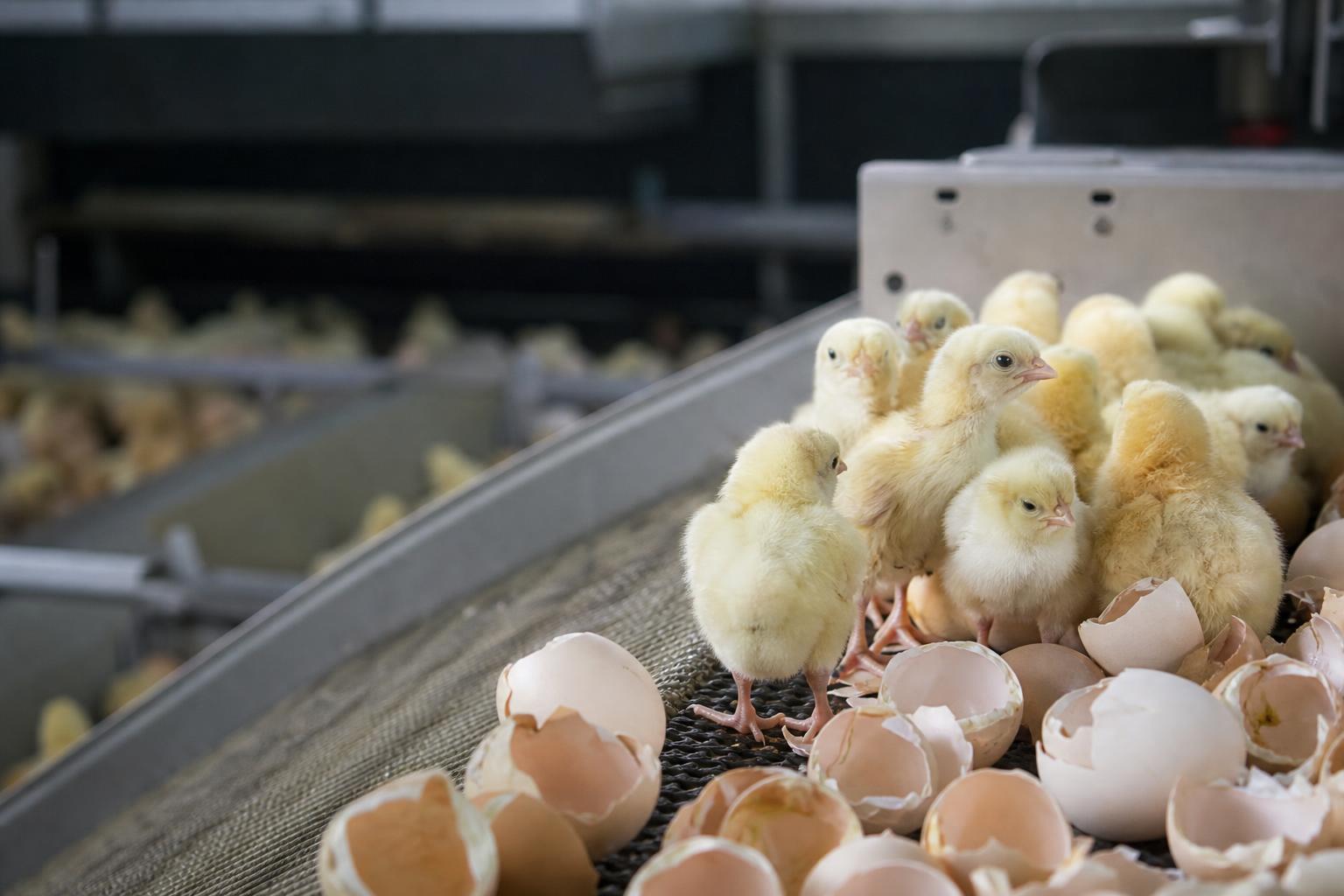
Male chicks estimated culled annually in the egg industry (2023 estimate).
Andrew Skowron / Wikimedia Commons (CC BY 2.0)
05 — The fact

6.5B

Male chicks estimated culled annually in the egg industry (2023 estimate).

Male laying-breed chicks cannot lay eggs and are generally unsuitable for conventional meat production. Culling methods include maceration and gassing; some producers use in-ovo sexing or rear the males.

The life
“He is sorted on a conveyor belt at one day old.”
— Illustration · day-old chick
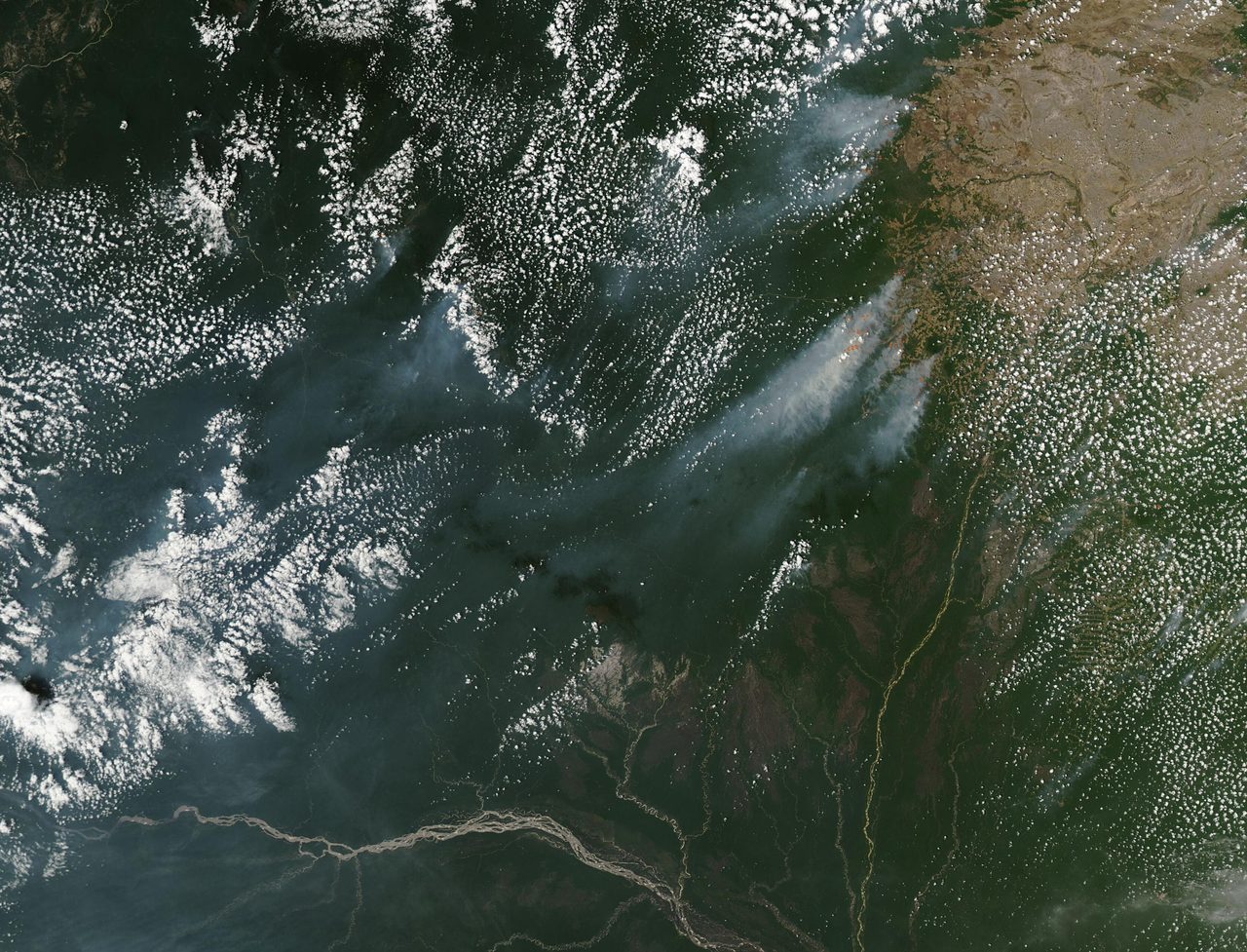
Share of Amazon deforestation attributed to cattle ranching in a WWF-cited 2008 estimate.
NASA MODIS / Wikimedia Commons (public domain)
06 — The fact

80%

Share of Amazon deforestation attributed to cattle ranching in a WWF-cited 2008 estimate.

Clearing forest for cattle pasture destroys habitat and releases stored carbon. The scale and drivers vary by country and year.

The life
“Where a jaguar walked, a steer now stands.”
— Illustration · cleared cattle pasture
In their words

The case has been made before.

“Tolstoy argued that abstaining from killing animals for food was an important first step in moral self-improvement.”
— Leo Tolstoy · The First Step (paraphrase)
“If slaughterhouses had glass walls, everyone would be vegetarian.”
— Paul McCartney
“Industrial farming is one of the worst crimes in history.”
— Yuval Noah Harari
A statistic has a soul

Behind every number is a face that once turned toward the sun.

The choice to step back from this system is available, three times a day, at the most ordinary moment: the meal.

Inspired by The Other Side of the Plate (onefork.org).

Ruraykuna

Tawa hatun ruraykuna. Ch'ulla ñit'iy.

Aycha industria

Limpio supermercado etiqueta wasanpi kay pachap aswan hatun, aswan pakasqa animal llakiy sistema tiyakun.

  • · Llakiyman nacisqa
  • · Nanay, normalizasqa ruwakuykuna
  • · Medio ambiente rikchana
  • · Runakunapaq imata ruwan

Lechería industria

Leche mamíferopa lechenmi. Industrial escalapin produciyqa forzado reproducción hinallataq familia separación sistemata mañakun.

  • · Forzado maternidad ciclo
  • · Kawsay pichqanman pisiyasqa
  • · Medio ambiente carga
  • · Salud cheqan nisqankuna

Huevo industria

'Free-range' hinallataq 'cage-free' huevokuna pisi ruwatiy wañuchinapaq sistemapi hamuqkunam.

  • · Macho pollo wañuchiy
  • · Jaulapi chayraq apachikusqa
  • · Iskay watapi tukusqa

Pesca industria

Mikhuq sistemap qunqasqa animalkunan — kay pachap aswan hatun animal wañuy fuenten.

  • · Mana legal protección
  • · Ch'usaq qochakunaman
  • · Acuacultura manan solucionchu

Sapa wata wañuchisqa, lliw pachapi

1.1–2.2 T
Yaku kawsay uywakuna
wata-wata kuskan, 2000–2019
79B
Wallpakuna
FAOSTAT 2024
1.5B
K'uchikuna
kikillan wañuchina killa: 6 killakuna
300M
Wakakuna
natural kawsay: 20 wata

Natural vs. industrial kawsay pacha

Sut'iKawsaynin (pisi yuyaylla)Kikillan wañuchina killa
Wallpa (broiler)8 wata42 p'unchaw
K'uchi15 wata6 killa
Lecheta qaraq waka20 wata5–6 watakuna
Aycha waka20 wata18 killa
Atlantic salmon (uywasqa)4–6 watakuna2 wata

Quri rikuchiqkuna

  • 83 waranqa millonninpi animalkunatam 2022 watapi wañuchirqanku, sapa segundom 2,600.
  • Amispi uywasqa uywakunapa 99% — chaymanta tiksimuyupachapi aswan askha — fabrica chakrakunapi kawanku.
  • Yaqa 1.1–2.2 trillon challwakunatam 2000–2019 watakunapi hap'irqanku, mikhunapaq hinaspa wakin mikhuypaq.
  • 'Sumaylla', 'libre de corral' chaymanta 'jaula mana kaq' sutikunaqa mana sapalla runap yuyaykunawan tupachkanchu.

Imata ruway — huk, huklla

  1. 1Huk pisi uywa investigacion peliculata qhaway (Dominion extractos, Land of Hope and Glory).
  2. 2Huk numerota yachay (kayhina: 80 waranqa waranqa hallp'a uywakuna sapa wata wañuchisqa mikhunapaq).
  3. 3Huk animal kawsayta semana rantiykikmanta kuchuy, chiqa kutichiypaq.
  4. 4Huk santuariota qatipay — kawsaykunata rikuchinku mana uywachasqa kaptin.

Kay paginata rakina

Kawsay chaymanta chiqa animal uywachay, huk paginapi:

X kaqpi rakiyFacebook kaqpi rakiyWhatsApp kaqpi rakiy

Kutimuq tapukuykuna

Kamachiypaqqa, 'libre de corral' nisqaqa sapa kuti kancha sapa pawaq maytaqa yaykuyta munan — achka pisqokunaqa mana chaytaqa llamk'achinku. Achka 'libre de corral' ruwaykunaqa aswan ancha uywa tiyan, pisqokunapa muq'uta pikchuq, chaymanta huklla wañuchiy wasikuna.

Ñawpaqman ñawinchay