01
Sonqo unquy
Huch'uy yachaykunapi, mikhuykunata t'ikrayqa sonqo unquykunata pisiyachirqa. Plantakunamanta mikhuykunaqa LDL colesterolta hinaspa yawarnin q'uñita pisiyachin.
Allin wakichisqa, kikin rurukunamanta mikhuyqa sinchi allinmi: hatun yachay wasikunapas qhawarinku allin kasqanta, sonqopaq, kikin cuerpopaq, chanta diabetes type-2 unquyta hark'anapaq.
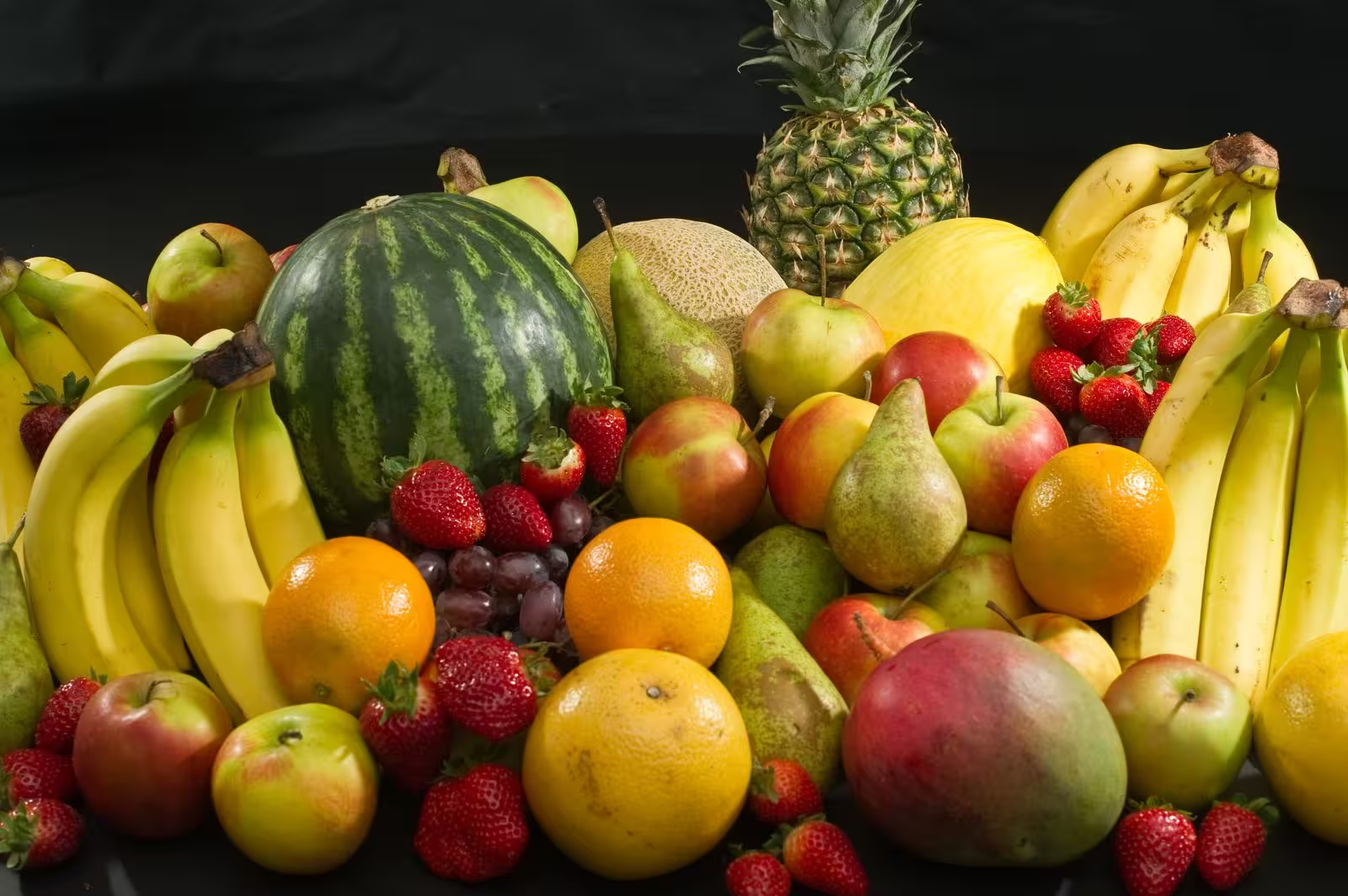
"Allin wakichisqa vegetarian, chaymanta vegan mikhuykunaqa kawsanapaq allinmi, llapa runapaq imaymana kawsay tiempopi, unquykunata hark'anapaq chaymanta hampinapaq ima."
Huch'uy yachaykunapi, mikhuykunata t'ikrayqa sonqo unquykunata pisiyachirqa. Plantakunamanta mikhuykunaqa LDL colesterolta hinaspa yawarnin q'uñita pisiyachin.
Adventist Health Study-2 nisqapi, vegan runakunaqa aswan pisita tiipu-2 unquyniyoq karqanku. Plantakunamanta mikhuykunaqa insulinata allinta rurachin.
Procesasqa aychaqa Group 1 carcinogen (WHO). Puka aychaqa Group 2A. Fibrayoq, plantakunamanta mikhuykunaqa cáncer kanata pisiyachin; wakin cáncerkunaqa manam chaynachu.
'Blue Zones' nisqapi — achka watayoq kawsayniyoq runakuna — kawsayninqa plantakunamanta kachkan, ch'uñukuna, trigokuna hinaspa verdurakuna.
Pachantinpi 73% antimicrobianos nisqakunaqa uywakunapaqmi servichisqa kanku. Chaymantam mana hampi atina bakteriakuna rurakunchu runakunaman chayananpaq.
Kimsantin t'aqapi iskaynin t'aqapi unquykunaqa uywakunamantam hamun: influenza unquykuna, MERS hinaspa SARS unquykunapas. Industrial uywakunaqa achka kikin uywakunatam huñun.
Plant-based eating has been studied for several health conditions. Evidence varies by outcome and by the foods included; these are some of the better-studied areas.
Small trials of intensive lifestyle programmes, combining a low-fat vegetarian diet with exercise, stress management and smoking cessation, found some regression of coronary narrowing. Plant-rich diets can support heart health alongside medical care.
Vegetarian and vegan diets can improve blood sugar control in adults with type 2 diabetes. Trials support benefits for HbA1c and body weight; medication changes should be supervised by a clinician.
Some plant-rich eating patterns lower blood pressure in clinical trials, though results vary and evidence for vegan diets alone is less certain. Limiting sodium and eating potassium-rich foods can help; treatment needs remain individual.
The World Health Organization classifies processed meat as a Group 1 carcinogen (the same evidence category as tobacco, not the same size of risk). Wholegrains and dietary fibre have strong evidence for reducing colorectal cancer risk.
Large cohort studies link vegetarian and plant-based diets with lower risk of heart disease, type 2 diabetes and some cancers. EPIC-Oxford also found a higher stroke risk among vegetarians. These are associations, not proof of cause.
Tong et al., BMJ 2019 (EPIC-Oxford) · Qian et al., JAMA Intern. Med. 2019 · Tantamango-Bartley et al., 2013 (AHS-2)
The 2011 documentary follows Dr. T. Colin Campbell and Dr. Caldwell Esselstyn and explores their advocacy of whole-food, plant-based eating for chronic disease prevention and management.
 YouTube
A well-planned plant-based diet can be nutritionally adequate. These five nutrients deserve attention, along with iodine, selenium and zinc. Use fortified foods and appropriate supplements where needed.
Use a reliable B12 supplement or sufficient fortified foods. B12 is made by microorganisms and occurs naturally in animal foods. Follow an appropriate dose schedule; weekly tablets need a different dose from daily ones.
Ground flax, chia and hemp provide ALA; the amount matters. Conversion to EPA and DHA is limited. An algae-based EPA/DHA supplement supplies these directly, without fish.
Lentils, beans, tofu, pumpkin seeds, dark greens and fortified grains all carry iron. Pair them with something containing vitamin C (citrus, peppers, tomatoes) and absorption jumps significantly.
Fortified plant milks, tofu set with calcium, tahini, kale, bok choy, dried figs. Easy to hit daily targets once you know which foods carry it.
Same advice as for everyone: if you don't get regular sunlight, supplement. This is a population-wide issue, not a vegan one.
These professional bodies provide guidance on planning vegetarian and vegan diets. Their statements differ in scope, including the ages and life stages covered.
"It is the position of the Academy of Nutrition and Dietetics that, in adults, appropriately planned vegetarian and vegan dietary patterns can be nutritionally adequate and can offer long-term health benefits such as improving several health outcomes associated with cardiometabolic diseases."
"Plant-based diets can support healthy living at every age and life stage. But as with any diet, you should plan your plant-based eating to meet your nutritional needs."
"With good planning, a vegetarian diet can be a healthy choice that meets your growing child’s nutritional needs."
The idea that serious athletic performance requires animal protein is one of the more persistent myths in nutrition. The evidence from elite sport does not support it. The following examples are illustrative — not a claim that all athletes do or should eat plants, but that the 'you can't perform without animal products' assumption is false.
Ultramarathon running
One of the greatest ultramarathon runners of his generation, Jurek won the Western States 100 seven consecutive times and set a course record on the Appalachian Trail while eating fully plant-based. His case is notable not because he is an outlier but because he trained and competed at the highest level for decades on plants.
Tennis
Williams adopted a vegan/raw-food diet after her 2011 diagnosis of Sjogren's syndrome, an autoimmune condition, to help manage symptoms. She has described her approach as flexible rather than strictly vegan. She later returned to the top 10 and finished 2017 ranked No. 5; her experience is a personal account, not clinical evidence.
Tennis
Djokovic adopted a largely plant-based diet following a food intolerance diagnosis in 2010. He describes the change as a turning point in his career, associated with improved recovery times, better sleep, and fewer injuries. He holds the record for most Grand Slam singles titles.
Strongman
Multiple-record-holding strongman and Germany's strongest man 2011, Baboumian set a world record in yoke walking — carrying 555 kg — on a fully plant-based diet. He is frequently cited in discussions of plant-based strength sports because his discipline has historically been seen as the most protein-demanding.
The research connecting diet to skin health is earlier-stage than the cardiac or metabolic evidence, but it is consistent in direction. High-glycaemic diets and diets rich in dairy appear to be associated with higher rates of acne in multiple observational studies, plausibly through hormonal pathways — dairy contains naturally occurring growth hormones, and the glycaemic spike from processed foods raises IGF-1. A 2007 randomised controlled trial published in the American Journal of Clinical Nutrition found significant acne reduction in participants following a low-glycaemic diet.
More broadly, plant-based diets are associated with lower systemic inflammation, measured by C-reactive protein and other inflammatory markers. Chronic low-grade inflammation is implicated in a wide range of conditions — arthritis, cardiovascular disease, depression, and several cancers — meaning the anti-inflammatory effect of plant foods is one of the most plausible mechanisms behind the broader health benefits. Omega-3 fatty acids (from flaxseed, walnuts, and algae-derived supplements), polyphenols (from berries, dark greens, and legumes), and fibre all contribute to this effect.
Plant-based eating during pregnancy and childhood requires careful planning, appropriate supplements, and attention to growth and nutrient intake. Professional guidance differs, and evidence on strictly vegan diets in children remains limited. A registered dietitian or qualified clinician can help families meet the needs of each life stage.
During pregnancy and childhood, vegan diets need reliable vitamin B12 supplementation and careful attention to vitamin D, iodine, calcium, iron, zinc, protein, energy, and omega-3 fats. Algae-derived supplements can provide DHA. Fortified foods and supplements should be chosen for the person's age and needs; iodised salt alone may not provide enough iodine. Seek professional advice for pregnancy and infant feeding.
Evidence on vegan children's long-term growth and development remains limited. Some studies report lower body fat or cholesterol, while others identify concerns about height, bone mineral content, or nutrient status. A 2025 ESPGHAN review found the evidence on normal growth inconclusive and recommended regular monitoring and nutritional counselling.
Ñawpa tayta-mamanchikkunaqa imachus kaqta mikhurqanku, imaymanata — wakinqa aychata achkata mikhurqanku, wakinñataq pisillata. Chaqra llamk'ay qallarisqanmantapacha, runakunaqa kawsaykunallawan kawsarqanku — rurukunawan, sarawan, ch'arki saphikunawan, k'allampakunawan — aychataqa pisillata mikhuspa.
Kunanqa manan tapukunanchischu "imatachá cuerponchik atinman" nispa. Aswanpas "imatachá kawsayninchikta unayachinman" nispa. Hatun yachaykunaqa rikuchin kawsaykunamanta mikhuylla aswan allin kasqanta.
| Per 100 g, except final row | Animal source | Plant source |
|---|---|---|
| Saturated fat | Beef: 6 g | Lentils: 0.1 g |
| Cholesterol | Eggs: 373 mg | All plants: 0 mg |
| Fibre | Chicken: 0 g | Black beans: 8 g |
| Iron | Beef: 2.6 mg | Tofu: 5.4 mg |
| Antimicrobial use (sector-wide) | 73% sold for food animals (2019 study) | No routine livestock treatment |
USDA FoodData Central · Van Boeckel et al., Science 2019
What the peer-reviewed data actually says about plant-based diets: