Vegan protein: how much you need and where it comes from
Quick answer
Most adults need about 0.8 g of protein per kg of body weight per day, and people lifting or training hard do better on 1.2–1.6 g/kg. Legumes, soy foods, seitan, nuts, seeds and whole grains cover that comfortably: 100 g of tempeh, a cup of lentils and 200 g of tofu alone is roughly 60 g. You do not need to combine proteins at each meal — eating a variety of plant proteins across the day supplies every essential amino acid.
Protein is the question every plant-based eater gets asked first, and it is the easiest one to answer with numbers. The real issues are total intake for people who train, and lysine — the one amino acid that is genuinely lower in grains. Both are solved by putting legumes or soy at the centre of most meals rather than treating them as a side.
Key facts
- Daily target used here
- 60 g
- Food sources listed
- 16
- Richest source
- Seitan (vital wheat gluten) — 25 g
- Supplement
- Do you need protein powder?
How much you need
US RDA; EFSA PRI is 0.83 g/kg/day
ACSM / ISSN guidance
ISSN position stand; adjust for training and energy intake
PROT-AGE consensus, to counter anabolic resistance
EFSA additional intake above the adult PRI
Where it comes from
Sort by Protein
Protein per serving in plant foods, with the share of a 60 g daily target
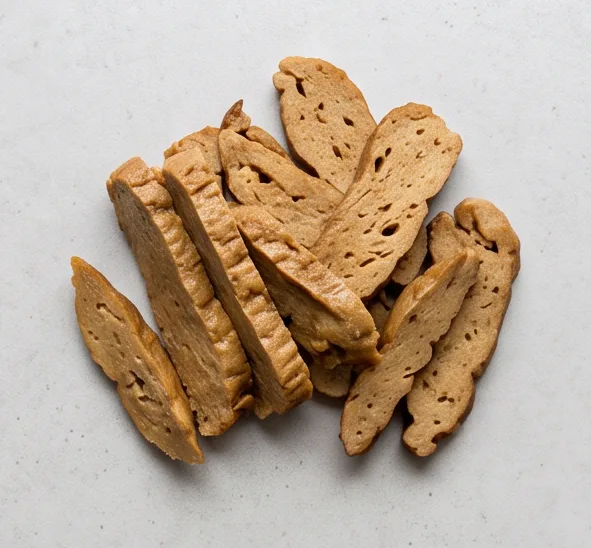
- Seitan (vital wheat gluten)100 g cooked25 g
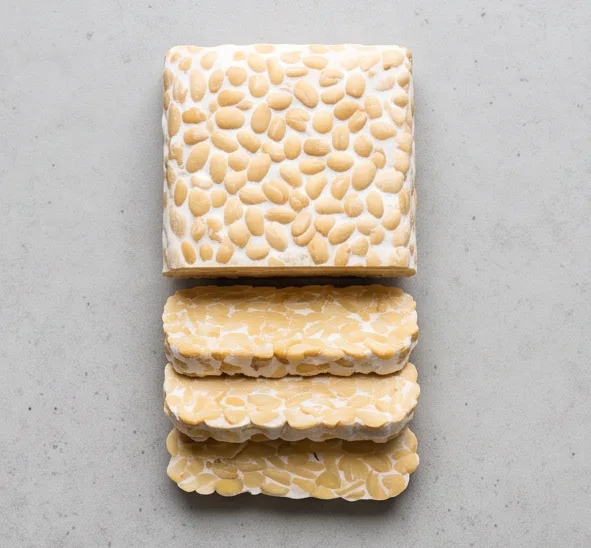
- Tempeh100 g20 g
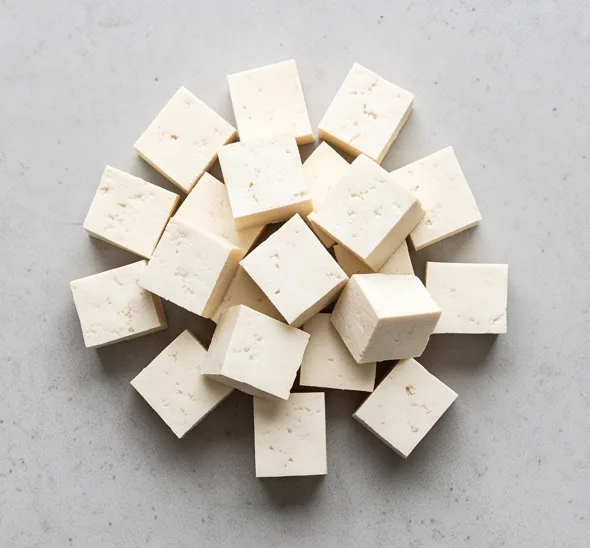
- Firm tofu150 g18 g
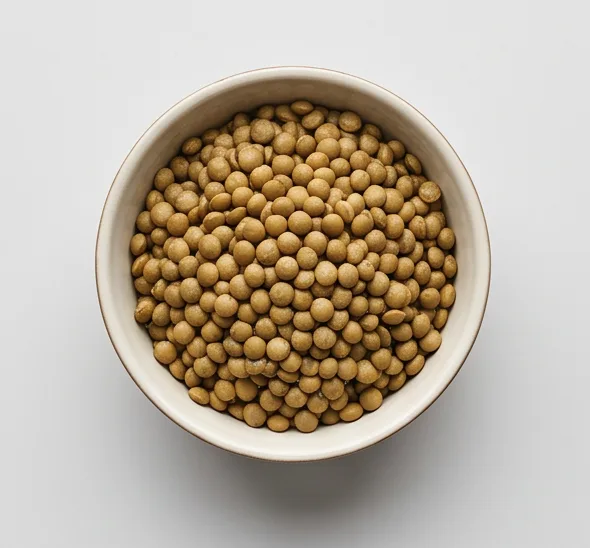
- Lentils1 cup cooked (200 g)18 g
EFSA — Population reference intakes for protein
| Food | Serving | g | % of target |
|---|---|---|---|
| Seitan (vital wheat gluten)Low in lysine — pair with beans | 100 g cooked | 25 | 42% |
| Pea protein powder | 30 g scoop | 24 | 40% |
| Tempeh | 100 g | 20 | 33% |
| Soy chunks / TVP | 40 g dry | 20 | 33% |
| Firm tofu | 150 g | 18 | 30% |
| Lentils | 1 cup cooked (200 g) | 18 | 30% |
| Edamame | 150 g shelled | 17 | 28% |
| Black beans | 1 cup cooked (170 g) | 15 | 25% |
| Chickpeas | 1 cup cooked (165 g) | 14 | 23% |
| Wholemeal pasta | 100 g dry | 13 | 22% |
| Oats | 80 g dry | 11 | 18% |
| Hemp seeds | 3 tbsp (30 g) | 10 | 17% |
| Pumpkin seeds | 30 g | 9 | 15% |
| Soy milk, unsweetened | 250 ml | 8 | 13% |
| Peanut butter | 2 tbsp (32 g) | 8 | 13% |
| Quinoa | 1 cup cooked (185 g) | 8 | 13% |
Getting it absorbed, not just eaten
Lysine is the limiting amino acid, not protein itself
Grains tend to be lower in lysine, while legumes and soy supply more. Eat a variety of protein foods across the day, including regular servings of beans, lentils, peas or soy; the amount needed depends on body weight and the rest of the diet.
Plant protein digests slightly less completely
Digestibility and amino acid quality vary widely between plant foods and processing methods. Cooking, fermentation and some other preparation methods can improve digestibility; a varied diet with adequate total protein is more useful than assuming a fixed percentage gap.
Spread it across the day
For exercising adults, ISSN suggests roughly 20–40 g of high-quality protein per meal, ideally spread every 3–4 hours. Age, body size and protein source affect the response; total daily intake remains important.
Do you need protein powder?
No — but it is a convenient tool. Soy and pea isolates can help meet protein needs; check the label, since a 30 g scoop does not always contain 24 g of protein. Independent contaminant testing is a useful quality check.
Signs of running low
- Frank protein deficiency is rare in people eating enough calories
- Loss of strength or muscle despite training
- Slow wound healing and frequent minor illness
- Hair thinning and brittle nails
- Hunger returning shortly after meals, with poor satiety
What to test
- No routine blood test
- Albumin is influenced by inflammation, illness and fluid balance; it is not a reliable measure of dietary protein intake or a stand-alone screen for malnutrition.
- Track intake for three days
- A three-day intake record can help estimate protein intake and identify meals that need more; include typical portions and product labels.
- Body composition and lifting logs
- Strength and lean-mass trends can help assess training progress, but do not establish protein adequacy on their own.
Common mistakes
Treating salad as a meal
Vegetables are excellent food and poor protein. Anchor every meal with a legume, soy food, seitan or a protein-dense grain.
Counting protein from mock meats only
Some plant burgers carry 20 g per patty, others 6 g. Read the panel per 100 g, not per serving.
Skipping breakfast protein
Toast and fruit is typically 8 g. Adding soy yoghurt, tofu scramble or a protein-fortified oat bowl moves the whole day.
Questions people ask
Can you build muscle on a vegan diet?
Yes. Randomised trials comparing soy or pea protein with whey in resistance-trained people find equivalent gains in strength and lean mass when total protein and leucine are matched. The practical adjustment is aiming for the upper end of 1.4–1.7 g/kg.
Do I need to combine rice and beans at the same meal?
No. The idea comes from a 1971 popular book that its own author retracted. The body maintains a free amino acid pool, so variety across the day is enough.
Is soy safe to eat every day?
Yes for the general population. Reviews of human trials find no feminising effect of soy isoflavones in men and no increase in breast cancer risk; observational data associate soy with lower recurrence rates. One to three servings a day is a normal intake in East Asia.
What is the highest-protein vegan food?
Seitan is protein-rich at roughly 25 g per 100 g cooked, but dried TVP and protein isolates can contain more per 100 g. Compare foods in the same prepared state, and include legumes or soy for lysine.
How much protein do older vegans need?
PROT-AGE suggests about 1.0–1.2 g/kg/day for healthy older adults. Include protein at several meals, but prioritise enough total protein; kidney disease and other conditions may require individual advice.
References
Other nutrient guides
Data: EFSA — Population reference intakes for protein · Free to reuse under CC BY 4.0 with a link back.
General information, not medical advice. Talk to a clinician or registered dietitian about your own situation.
Ci gaba da bincike
Shafukan da ke da alaƙa da wannan ta hanyar musanya, sinadarai, abubuwan gina jiki, da abincin rana.