Kiswahili·Kenya · Tanzania
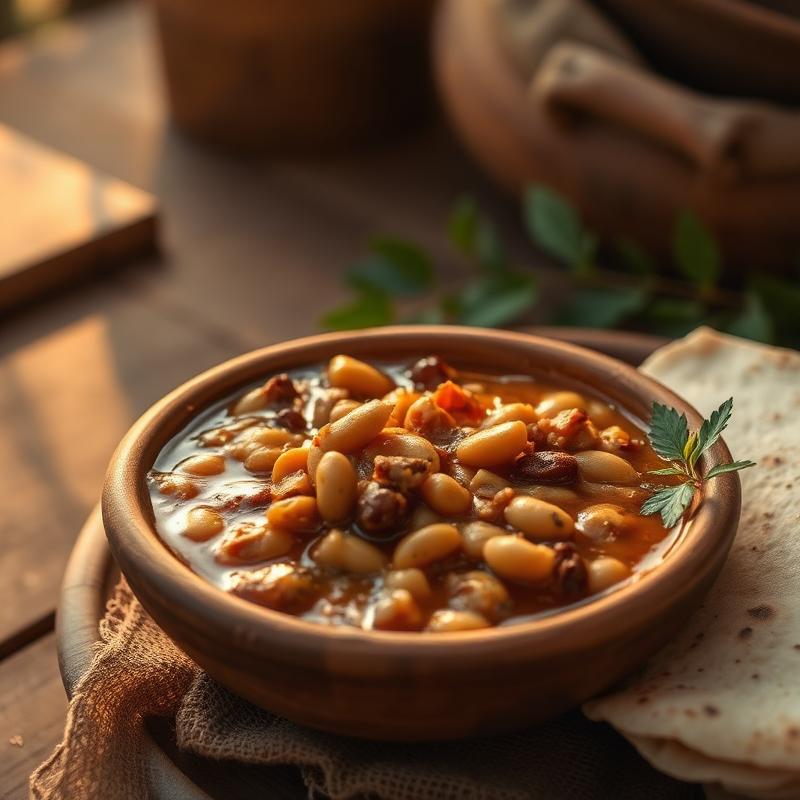
Maharagwe ya Nazi
Poroto omoñongatu ñomi kokos-yguýpe cebolla, tomate ha cilantro pyahu ndive. Ojejapo chapati térã ugali ndive.
Veganismo ndojejapoiha koápe. Ko tembi'ukuéra ojeporu familias-pe siglo heta. Roipytyvõ añónte oñomongetáva.
Yvoty cocina ndaha'éi invención occidental térã tendencia pyahu. Ha'e opaite cultura cocina tuicha — ára opaite tembi'u, fiesta tembi'u, abuela tembi'u. Stew lenteja Levante-gui, poroto ha maíz tembi'u Mesoamérica-gui, arroz ha dal Asia del Sur-pe, verdura curry África Este ha Oeste-pe, tofu ha fideo tradición Asia del Este-pe. Ko'ã receta ndaha'éi sustituto. Ha'e original-kuéra.
Poroto omoñongatu ñomi kokos-yguýpe cebolla, tomate ha cilantro pyahu ndive. Ojejapo chapati térã ugali ndive.
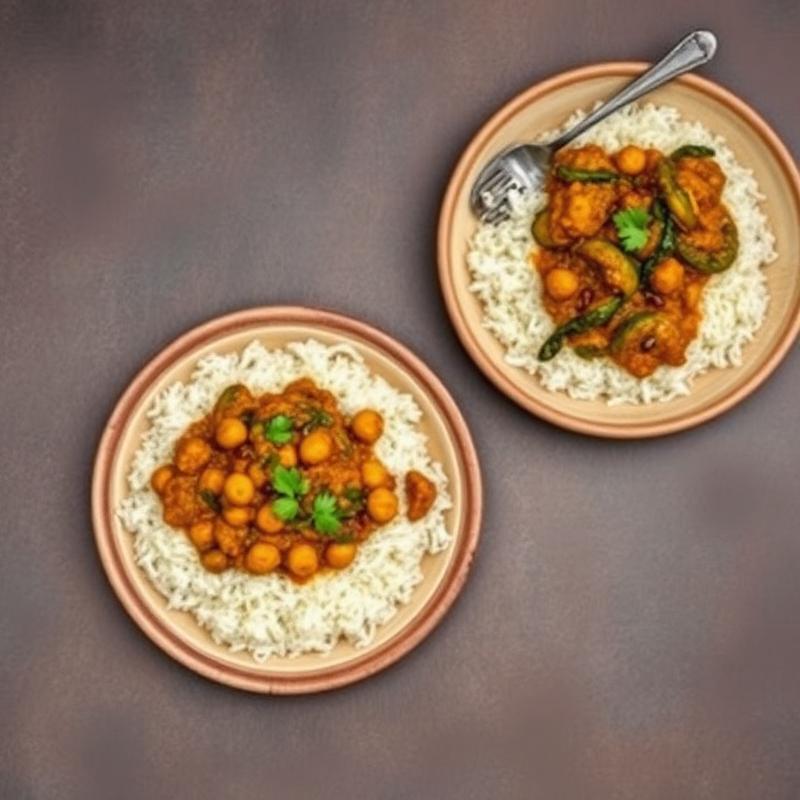
Masoor dal ojapo ajó, jengibre ha comino ndive. Tembi'u ára rehe millones-pégua.
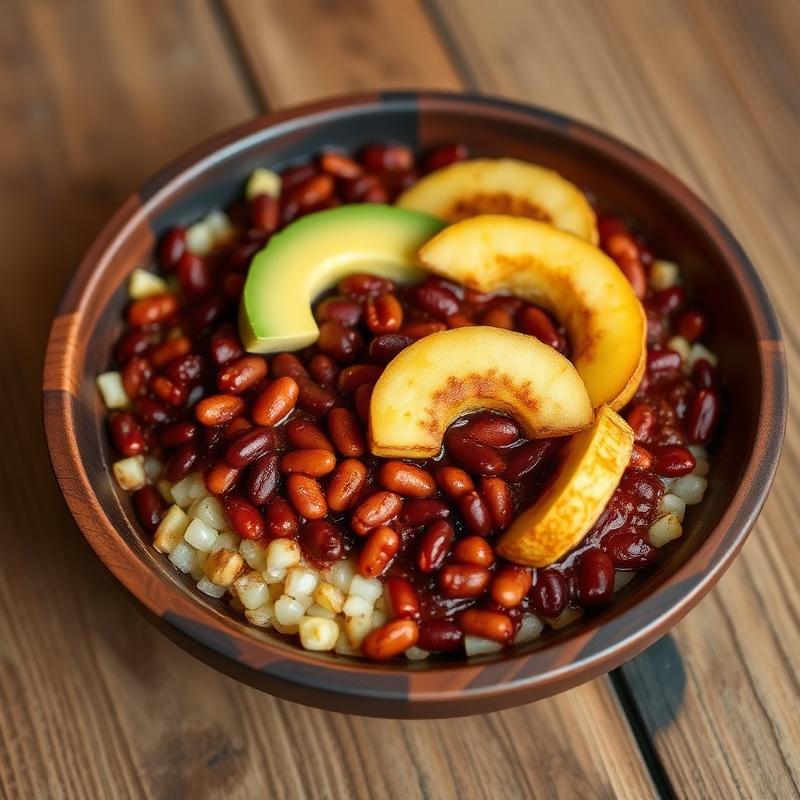
King oyster mushrooms tata ári ojapo, pikliz hatã ha jere'a haitiano ndive.
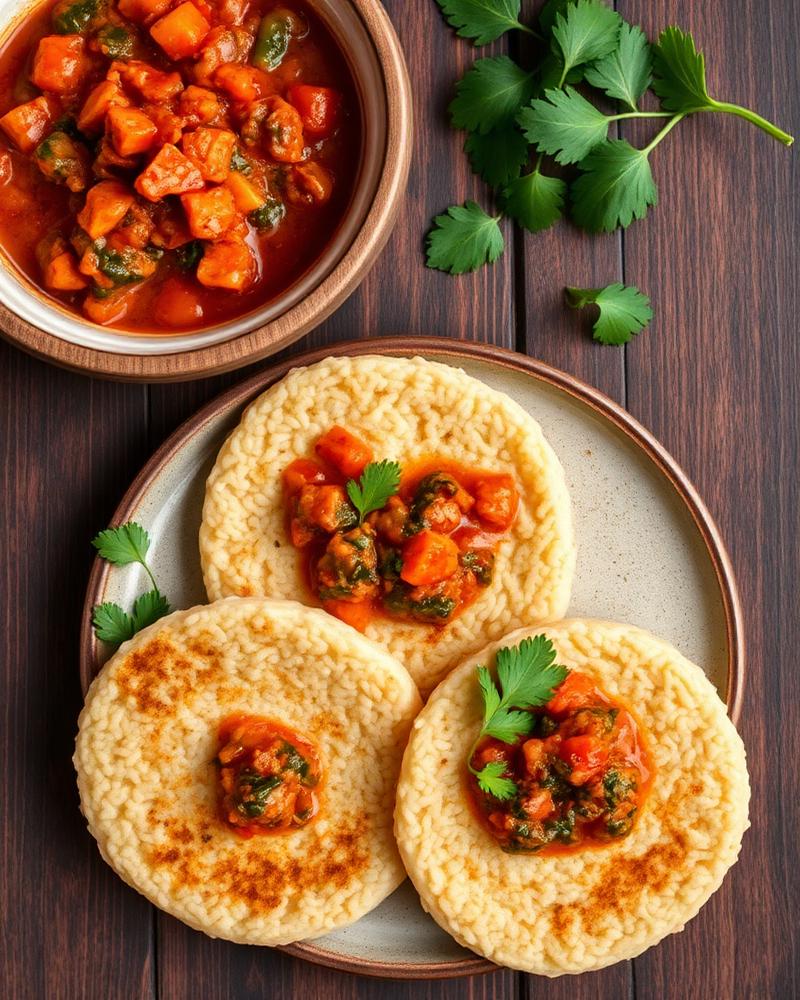
Arroz harína fermenta'o hierro tacho-pe, salsa tomate ha pimiento pytã ndive — kirõ ko'ẽ-ári tembi'u.
Arroz fideos tofu crunchy, ka'avo pyahu, verduras encurtidas ha lima-soja aderezo ndive. Pohýi, ñoro'ỹ, ikatupyryvéva.
Arroz ha moong dal ñongatuporã jengibre ha especias ndive. Tembi'u emonguahẽ va'erã py'ape.
Heta tradición tembi'u ndoreikotevẽi oñemoambue — oĩ yvoty-rehe térã ijapu'aite. Ko'ã oĩhápe, ko'ã swap ojapo porã olla-pe, ndaha'éi papel añoite.
Soja ipytûvéva proteína-pe ha ojapo porã café ha cocina-pe. Avena ombyasakáve. Almendra ijapu'aite. Opaite cereal ha salsa-pe ndojehecháiva.
Heta cocina salado-peguarã, aceite oliva oimé porãvéva. Cocina-peguarã, aceite coco refinado térã planta mantequilla bloque estructura oipytyvõ leche mantequilla jepi.
Peteî cucharada lino molido + mbohapy cucharada y = peteî ruvicha, unión haguã burgesa, muffin, panqueque-pe. Harina garbanzo y ndive ojapo omelette ha frittata porã.
Plato derretido-peguarã, tienda-gui oñembyá porãvo. Salsa ha toppings-peguarã, cajú molido limón ha levadura nutricional ndive oĩ profundidad heta oipotáva ikuaávo.
Lenteja bolognese ha chilli-peguarã. Hongos profundidad ha umami-peguarã. Jackfruit textura deshebrada-peguarã. Tofu ha tempeh asado ha salteado-peguarã. Seitan eipurusévo masticación carne-reheguasáicha.
Tembi'u yvaguigua ndaha'éi peteĩ mba'e'apo pyahu. Umi tembi'u ojehekýiva jerovia tembi'u ymaguarévape guive, oñemongaru tapicha yva rehegua heta siglo térã milenio. Opa mba'e ojehechauka avei peteĩ mba'e'apo'ỹre — iporãva oñembohupa hag̃ua, ndaha'éi peteĩ mba'e'apo hatã.
Misir Wat ha'e pe guiso lenteja pytã ojejapo'ỹva tembi'u Etiopía-pe — oñembohupa katuete berbere mba'e'apo ndive, cebolla caramelizada, ha niter kibbeh (manteca clarificada, ikatúva oñembojoaju aceite de oliva porã rehegua tembi'u yvaguigua rehegua). Cebolla oikotevẽ'ỹre mboyve, oñembohupa guive quase caramelizada mboyve oñembojoapy mba'e'apo pytã — kóva ha'e pe técnica ojapo'ỹva ipukupukue. Berbere, ajo, ha jengibre oike upéi, upéi lentejas pytã oñembohupíva ha y heta oñembohupa hag̃ua. Pe resultado ha'e peteĩ mba'e'apo puku, quase pasta-icha, oje'úva injera térã pan ndive. Ha'e peteĩva umi tembi'u iporãvéva opa tembi'u ymaguarévape ha aksidentalmente peteĩva umi más completa nutricionalmente.
Thiéboudienne ha'e pe tembi'u nacional Senegal-pe — ojejapo mymbáicha, ha'éramo jepe pe mba'e'apo verdura rehegua, oje'éva Thiébou Yapp bu Weex heta mba'e'apo rehegua, avei oje'e. Aros ipuku'a oñembohupa tomate ha cebolla rendápe oñembohupa pasta de tomate, upéi oñembojoapy umi verdura ha calabaza arapa'ỹme: batata, mandioca, nabo, berenjena, repollo. Pe aros omboguejy tomate rendápe oñembohupávo, ojapo pytã iporãva. Pe técnica oikotevẽ jeroviapy ha'éramo jepe sa'i técnica: umi verdura oike mboyve oñemombyry yvyku'i'gui, pe aros oike upéi oñembohasa'aívo.
Kenchin-jiru ha'e peteĩ sopa templo budista Kenchoji monasterio Kamakura-pe — tembi'u yvaguigua ymaguare rupi, ojejapo monje-kuéra oñembohupíva código vegetariano rehegua. Verdura (bardana, taro, daikon, zanahoria) ha tofu hatã oñembohupa aceite de sésamo-pe ojejapóvo tofu pytã pe tenda'ỹme, upéi oñembohupa kombu dashi salsa de soja ha mirin ndive. Pe resultado ha'e jeroviapy ha austeridad iporãvéva — ipuku'a ñembohovái'ỹre mba'e'apo. Konnyaku (konjac) oñembojoapy jepoko'a. Ko sopa ojejapo heta mba'e'apo rehegua guive siglo XIII-pe.
Tinga ha'e jepoko'a tembi'u ryguasu ojehekýiva Puebla-pe, ha'éramo jepe pe mba'e'apo garbanzo rehegua ha'éma peteĩ mba'e'apo jepokóicha tembi'u mexicano-pe guarã umi tapicha oñembohupíveva yvaguigua rehegua. Pimiento chipotle en adobo, tomate ha cebolla ojapo salsa humeante; garbanzos oñembohupa ha oñembohupa oho hag̃ua salsa-pe ha oñepyrũ ojapóvo mba'e'apo pe tenda'ỹme. Oñembohupa tortilla choclo rehegua ndive aguacate, cebolla encurtida, ha salsa, kóva ha'e peteĩva umi tembi'u yvaguigua iporãvéva umi tapicha oñembohupíva pyahu — ha'e iñambueve ha iporãveve.
Mujadara ha'e peteĩva umi tembi'u ymaguarevévape yvyku'i ári — peteĩ ñembojoaju lentejas ha bulgur trigo térã aros, oñembojoapy cebolla caramelizada oñembohupíva sa'i ha katuete guive quase mermelada-icha. Pe tembi'u ndoikotevẽi mba'eve técnica ha'éramo jepe heta jeroviapy cebolla-pe guarã, oikotevẽva 30–45 minuto medio-bajo tendápe ohasa hag̃ua ipukupukue porã. Oñembohupa tendápe yogur ndive (tahine térã tembi'u yvaguigua rehegua) ha ensalada perejil picado ha limón, ha'e jepoko'a ha iporãveva umi tembi'u Levantine rehegua.
Gado-gado ha'e peteĩ ensalada Indonesia verdura oñembohupíva ha verdura pyahu — papa cocida, poroto verde blanqueado, brote de soja, pepino, ha sapy'ápe huevo cocido (oñembohupa vegano-pe guarã) — oñembojoaju salsa maní rehegua ojejapo maní tostado, azúcar de palma, ajo, limón ha ají. Pe salsa ha'e pe tembi'u: compleja, he'ẽ, agrio ha picante jepoko'a. Opa tendápe Indonesia-pe oguereko imba'e'apo salsa maní rehegua, oho guive suave guive duro ha sa'i guive iporãveva. Oñembohupa tendápe ha'e peteĩva umi tembi'u yvaguigua kompletove proteína, grasa ha carbohidrato rehegua.
Ñembopupu, nahániri tembiapo ñembyatyha
Heta tapicha oheja ka'avo ñembopupu ha'ete ndaha'éi etika térã tembi'u heko porã. Oheja hikuái oñembopupu'ỹgui. Pe mba'e oĩva ojejapo: eikuaa mokõi tembiapo ombopupúva ka'avo heko porã, upéi eipuru umi mba'e hepy'ỹva ha oĩva ára jave. Tembiapo oiko cháke variación, nahániri instrucción.
Meat brings fat, salt, glutamate and browning to a dish automatically. Plant ingredients supply those only if you add them deliberately. The four levers are heat (real browning, not steaming), salt (earlier and more than feels right), umami (soy sauce, miso, tomato paste, mushrooms, nutritional yeast) and acid (a squeeze of lemon or vinegar at the end). Almost every disappointing plant-based dish is missing at least two of the four.
A plate of uniformly soft food reads as unfinished regardless of flavour. Contrast is created by pressing and roasting tofu rather than simmering it, toasting nuts and seeds, keeping some vegetables raw, adding crisped chickpeas or breadcrumbs, and finishing with fresh herbs. Texture is also why the same stew feels better with rice and a pickle than alone.
A meal built on vegetables and grains alone leaves people hungry two hours later and they blame the diet. Anchor every main meal with a legume, tofu, tempeh, seitan, or a substantial portion of nuts or seeds, aiming for roughly 20–30 g of protein at lunch and dinner. Satiety follows protein and fibre, both of which are abundant if you plan for them.
Grain or starch, plus legume or tofu, plus two vegetables, plus a sauce, plus a crunchy topping. That single formula produces Mexican bowls, Indian thalis, Levantine plates, Japanese donburi and Mediterranean lunches depending only on which spices and sauce you use. Cooking becomes assembly with three components made ahead.
Two hours on one day — a pot of legumes, a tray of roasted vegetables, a grain, and one sauce — produces five to six meals with ten minutes of work each. This is the single most reliable predictor of whether people sustain a diet change past the second month.
Each makes about a cup, keeps 5–7 days refrigerated and transforms the same base ingredients.
| Sauce | Core ingredients | Best with | Keeps |
|---|---|---|---|
| Tahini-lemon | Tahini, lemon, garlic, water, salt | Roasted vegetables, falafel, grain bowls | 1 week |
| Peanut-lime | Peanut butter, lime, soy, chilli, ginger | Noodles, tofu, cabbage slaw | 5 days |
| Salsa verde | Parsley, capers, garlic, vinegar, olive oil | Beans, potatoes, grilled vegetables | 4 days |
| Miso-maple | Miso, maple, rice vinegar, sesame oil | Aubergine, tofu, squash | 2 weeks |
| Cashew cream | Soaked cashews, lemon, garlic, salt | Pasta, soups, baked dishes | 4 days |
Standard culinary technique
Chickpeas, lentils or black beans. Salt the water; it does not toughen them and it seasons from the inside.
Whatever vegetables need using, tossed in oil and salt, at a genuinely high oven temperature until browned at the edges.
Rice, farro, bulgur or couscous. Cooked grains freeze perfectly in portions.
Any of the five above. This is what makes leftovers taste like a new meal rather than a repeat.
Seeds, nuts or spiced chickpeas. Five minutes of work that changes every plate for the rest of the week.
Almost always insufficient salt, no browning, no umami source and no acid at the end. Fix those four before changing recipes.
Press it, cut it thick, coat lightly in cornflour, and cook it in a hot pan or hot oven until the surface is genuinely crisp before adding any sauce.
A heavy pan that holds heat, a sharp knife, a large roasting tray and a blender. Nothing else changes results much.
Roughly 20–30 g for most adults, which is about a cup of cooked legumes, 150–200 g of tofu or tempeh, or a combination with grains and nuts.
No. Nutritional yeast, miso and tahini are useful and inexpensive; everything beyond that is optional.
Cooked legumes and grains keep 4–5 days refrigerated and 3 months frozen; roasted vegetables 4 days; most sauces 4–7 days.