Zinc for vegans: the quietly under-eaten mineral
Quick answer
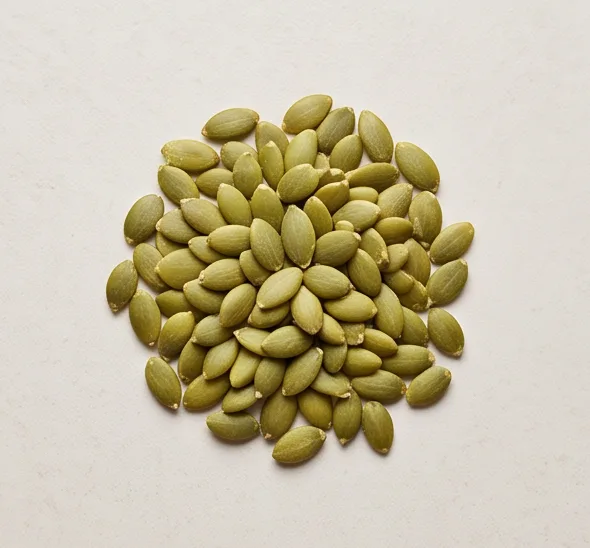
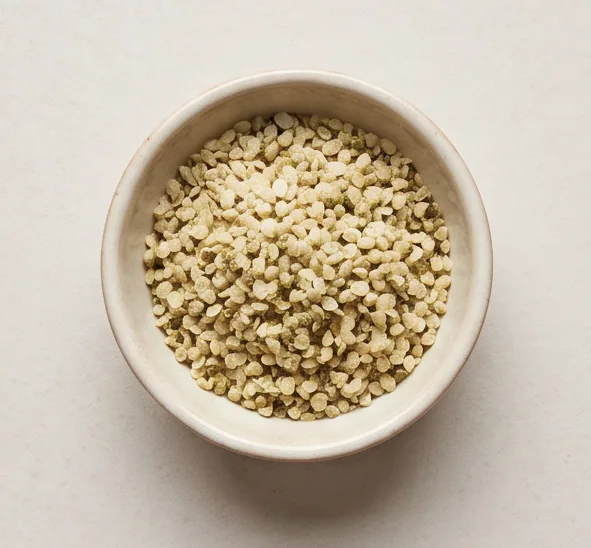
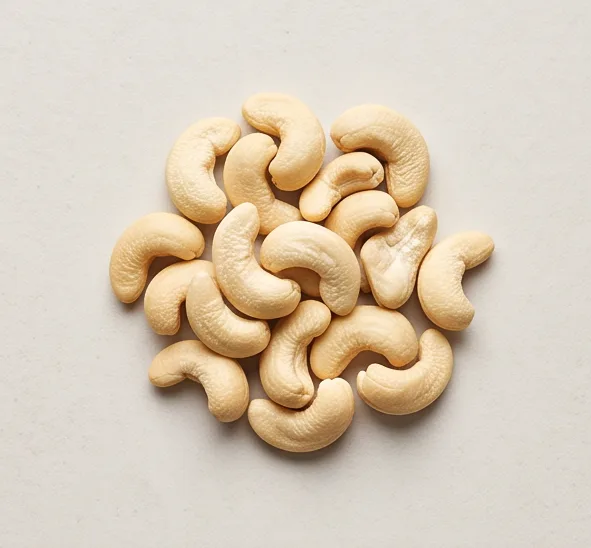
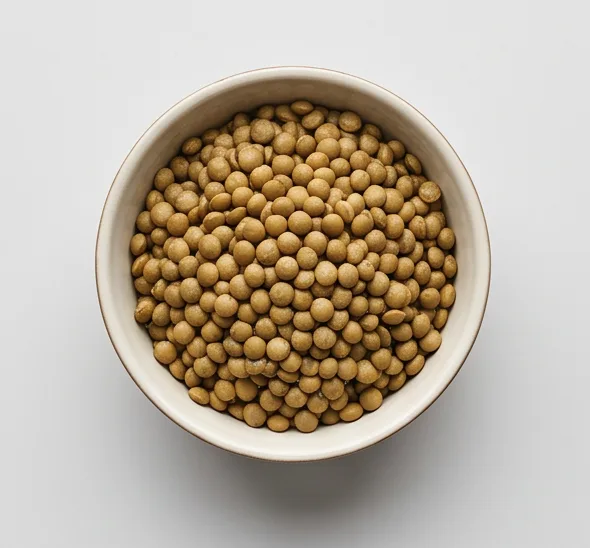
Zinc absorption from plant foods is reduced by phytates, so some bodies suggest vegans aim for up to 1.5 times the standard RDA of 11 mg for men and 8 mg for women. Pumpkin seeds, hemp seeds, cashews, lentils, chickpeas, tofu, tempeh, oats and wholegrain bread are the main sources. Soaking, sprouting and sourdough fermentation break down phytates and noticeably improve uptake.
Zinc rarely gets attention until someone notices slow-healing cuts or repeated colds. Plant-based diets are not automatically short of it, but they sit closer to the line than omnivorous ones, and the difference is absorption rather than intake. Almost every fix here is a preparation technique rather than a supplement.
Key facts
- Daily target used here
- 11 mg
- Food sources listed
- 12
- Richest source
- Oats — 3.1 mg
- Supplement
- Usually unnecessary
How much you need
US RDA with the plant-diet adjustment
US RDA with the plant-diet adjustment
US RDA
US adult UL, total intake; EFSA adult UL is 25 mg/day
Where it comes from
Sort by Zinc
Zinc per serving in plant foods, with the share of a 11 mg daily target
- Hemp seeds30 g3 mg
- Lentils1 cup cooked2.5 mg
- Pumpkin seeds30 g2.2 mg
- Cashews30 g1.6 mg
NIH ODS — Zinc fact sheet
| Food | Serving | mg | % of target |
|---|---|---|---|
| Oats | 80 g dry | 3.1 | 28% |
| Hemp seeds | 30 g | 3 | 27% |
| Fortified breakfast cereal | 40 g (illustrative; check label) | 3 | 27% |
| Lentils | 1 cup cooked | 2.5 | 23% |
| Chickpeas | 1 cup cooked | 2.5 | 23% |
| Pumpkin seeds | 30 g | 2.2 | 20% |
| Firm tofu | 150 g | 2 | 18% |
| Cooked quinoa | 1 cup | 2 | 18% |
| Cashews | 30 g | 1.6 | 15% |
| Wholemeal sourdough breadFermentation cuts phytate | 2 slices | 1.4 | 13% |
| Tahini | 2 tbsp | 1.4 | 13% |
| Tempeh | 100 g | 1.1 | 10% |
Getting it absorbed, not just eaten
Phytate affects absorption
Zinc binds tightly to phytic acid in unprocessed legumes, grains and seeds. Diets high in unsoaked wholegrains can drop absorption from around 30% to under 15%.
Soak, sprout, ferment, toast
Soaking and sprouting legumes and fermenting grains can reduce phytate and improve zinc availability. Effects depend on the food and method; lightly toasting nuts or seeds is not a dependable way to remove phytate.
Do not take iron supplements with zinc
Iron supplements containing 25 mg or more can reduce zinc absorption when taken together, especially without food. Ask a pharmacist about timing if both supplements are prescribed.
Usually unnecessary
Most plant-based eaters covering legumes, seeds and wholegrains daily are fine. If you supplement, 10–15 mg is plenty; sustained doses above 40 mg cause copper deficiency, which is harder to fix than the problem you started with.
Signs of running low
- Cuts and scratches healing slowly
- Frequent colds and infections
- Loss of taste or smell
- Hair loss; nail changes are not a reliable diagnostic sign
- Acne or persistent skin problems
- Reduced appetite
What to test
- Serum or plasma zinc
- The usual test, but it is a weak marker — levels fall with inflammation and after meals. Fast and test in the morning.
- Symptom review plus intake diary
- Often more informative than serum zinc alone.
- Check copper if supplementing long term
- Long-term high-dose zinc depletes copper.
Common mistakes
Eating only unsoaked wholegrains
Wholegrain everything, never soaked or fermented, is the classic pattern for low zinc absorption.
Long-term high-dose zinc lozenges
Zinc lozenges can cause nausea and unpleasant taste, and prolonged high doses risk copper deficiency. Avoid intranasal zinc, which can cause loss of smell.
Assuming a multivitamin covers it
Check the zinc amount on your multivitamin label; formulations vary. Count food and supplements together, and avoid routinely exceeding the relevant upper limit.
Questions people ask
Are vegans zinc deficient?
Vegetarians and vegans may have lower zinc intake or blood levels because phytate reduces absorption. Include zinc-rich foods, use suitable preparation methods, and seek assessment if intake or symptoms raise concern.
What is the best vegan zinc food?
Pumpkin and hemp seeds by density, and legumes by volume eaten. A daily handful of seeds plus a serving of beans covers most of the target.
Does cooking destroy zinc?
Zinc itself is heat-stable, though some can be lost into cooking water. Soaking, sprouting and fermentation can reduce phytate; ordinary cooking does not always remove much.
Can I take zinc and iron together?
Better not in the same dose. High-dose iron reduces zinc absorption; separate them or take each with different meals.
How much zinc is too much?
Sustained intakes above 40 mg a day risk copper deficiency, anaemia and neurological problems.
References
Other nutrient guides
Data: NIH ODS — Zinc fact sheet · Free to reuse under CC BY 4.0 with a link back.
General information, not medical advice. Talk to a clinician or registered dietitian about your own situation.
Ci gaba da bincike
Shafukan da ke da alaƙa da wannan ta hanyar musanya, sinadarai, abubuwan gina jiki, da abincin rana.