Veg.ac · 33 languages

Fún Ayé, Ẹranko, àti Ènìyàn —
lòdì sí oko ilé-iṣẹ́ àti ìwà ìkà.

Ìyípadà àgbáyé sí oúnjẹ ewéko jẹ́ ìgbésẹ̀ fún ìdájọ́ òdodo, ìlera, àti ọjọ́ iwájú wa. Ní èdè rẹ, fún àwùjọ rẹ.

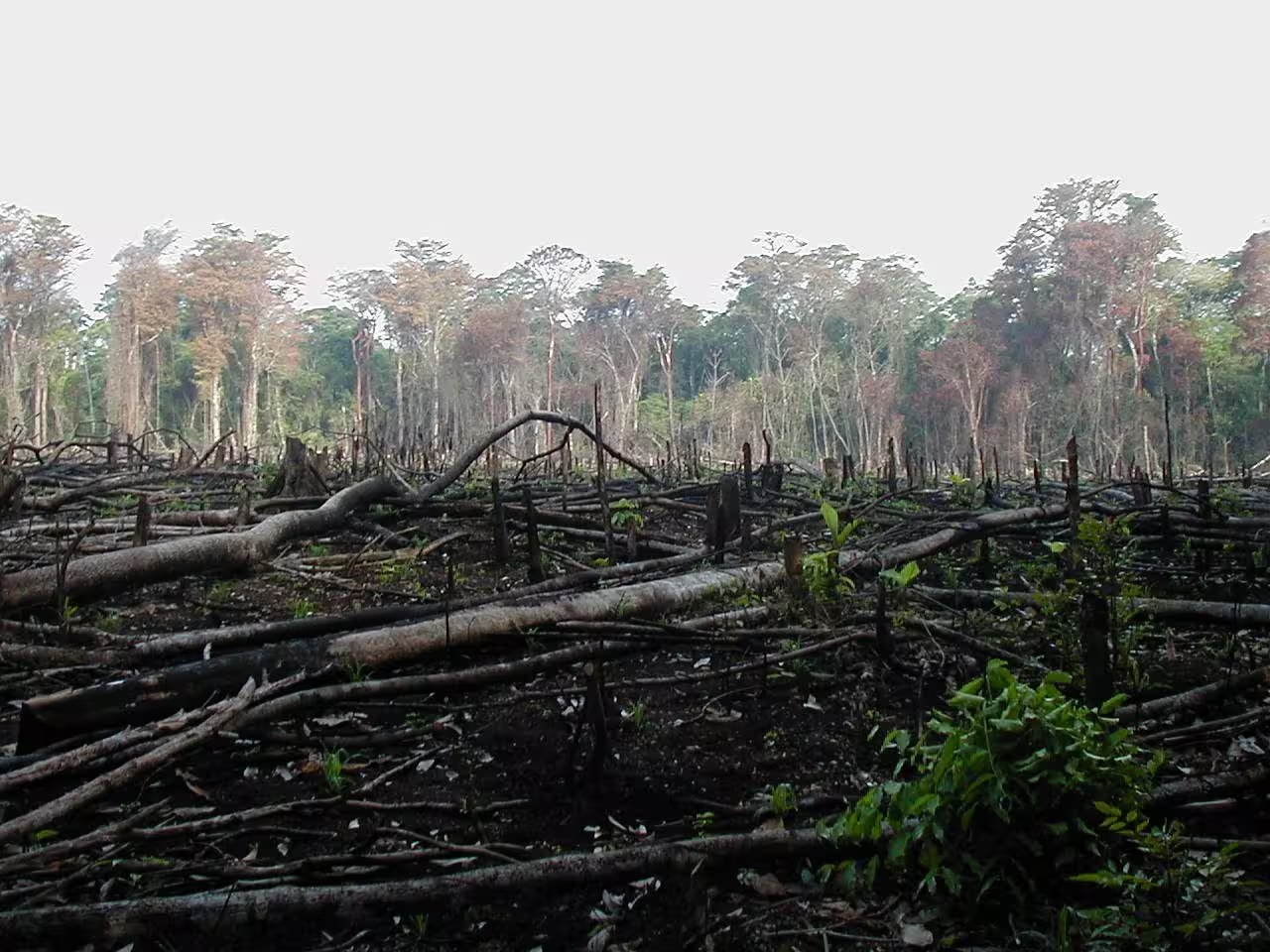
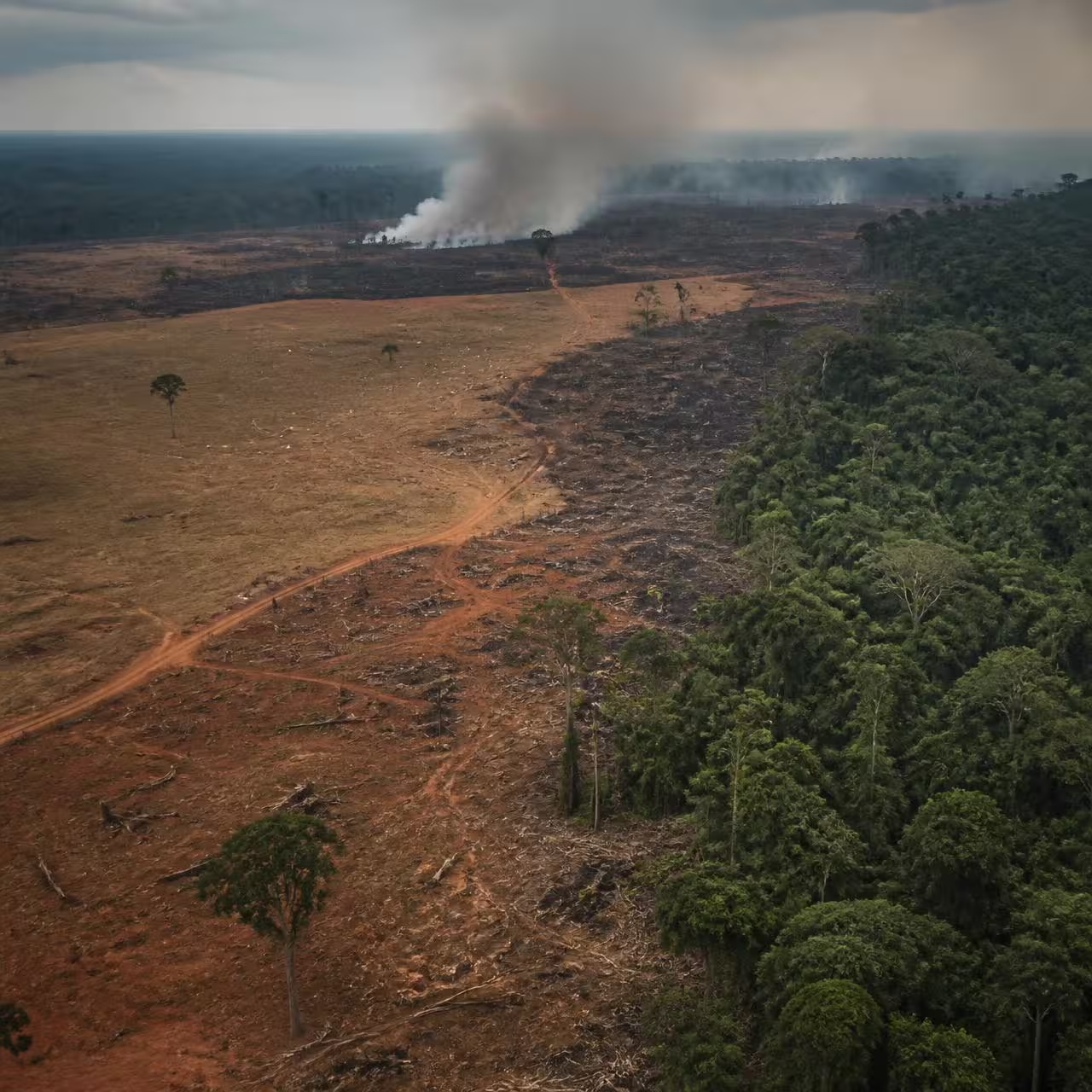
Aerial view of smoke rising over rainforest cleared for open land
PlanetAnimalsHumans
One movement, three reasons

For the Planet, the Animals, and our fellow Humans.

Three intertwined harms come from one industry. Three intertwined goods come from one daily choice.

Smoke rising from a burned Amazon forest clearing
For the Planet

A livable Earth begins on the plate.

Livestock agrifood systems account for about 12% of human-caused greenhouse emissions, according to FAO’s estimate for 2015. They also contribute to deforestation and water pollution. Eating more plants can help reduce the climate and land footprint of our food.

A mother pig nursing her piglet outside an industrial barn
For the Animals

Every life on that plate had a face.

More than eighty billion land animals are slaughtered for meat each year. Fishcount estimates 1.1–2.2 trillion wild fish were caught annually in 2000–2019, with billions more killed on farms. Many farmed animals experience painful procedures and confinement. Choosing plants is a daily act of mercy available to us.

Volunteers harvesting vegetables in a community garden
For Humans

Health, dignity, and food sovereignty.

Well-planned plant-based diets can support health, and observational studies link vegetarian diets with lower heart disease risk. Slaughterhouse workers face serious injury risks, and research raises concerns about psychological distress. Plant-based eating can also help reduce food-related environmental pressures.

Ìdúró Wa

Ìtakora Ìdájọ́

Ọ̀nà ilé-iṣẹ́ ẹran ń kó ipalára bá àwọn àwùjọ tí ó ṣe àìní jùlọ nípa ìyípadà ojú-ọjọ́ àti àìní ohun-ìní. Yíyàn ewéko jẹ́ ìgbésẹ̀ àtakò.

01.

Fún Ayé

Ìpamọ́ omi àti ààbò ilẹ̀ ní àwọn agbègbè tí ìyípadà ojú-ọjọ́ ń ṣèpalára jùlọ.

02.

Fún Àwọn Ẹranko

Pípa ìjọba ìfipá-mú kúrò àti gbígba ìbátan wa pẹ̀lú ohun gbogbo tí ó wà láàyè.

03.

Fún Àwọn Ènìyàn

Dídi ìjọba oúnjẹ mú lọ́wọ́ àti àtúngbé àwọn àṣà ewéko ìbílẹ̀ wa.

Ìwọ̀n náà

Àwọn nọ́mbà kọ́ ni àríyànjiyàn náà. Àwọn ni ẹ̀rí náà.

Àwọn ojú-ìsọfúnni méjìlá tí a fìdí rẹ̀ múlẹ̀ lẹ́yìn ẹjọ́ fún àwọn ohun ọ̀gbìn. Àwọn orísun wà ní ìsàlẹ̀ káàdì kọ̀ọ̀kan.

83B

Ẹranko ilẹ tí a pa lọ́dọọdún

Ọ̀pọ̀lọpọ̀ ni a ń tọ́ dàgbà nínú àwọn ètò ìwọ̀n-tí-ó-pọ̀; ní United States, ó ju 99% àwọn ẹran tí a ń tọ́ lọ́gbà ń gbé nínú àwọn oko ilé-iṣẹ́.

FAOSTAT, 2022; Sentience Institute

1–2.8T

Ẹranko inú òkun tí a pa lọ́dọọdún

Ọ̀pọ̀ kò sí nínú ìṣirò. Wọ́n kú nítorí àìní afẹ́fẹ́ lórí ọkọ̀ ojú omi tàbí nínú àwọn àpótí ilé-iṣẹ́.

fishcount.org.uk

15,000 L

Omi fún 1 kg ẹran màlúù

Àwọn ọjà ẹran ń gba ó fẹ́rẹ̀ẹ́ tó ìdá kan nínú mẹ́ta nínú iye omi tí àgbẹ̀ kárí ayé ń lò. Ọ̀pọ̀lọpọ̀ nínú ìwọ̀n omi tí wọ́n ń lò fún ẹran màlúù ni òjò tí ń rọ̀ sórí oko ìjẹko àti àwọn irè oko tí wọ́n ń fi bọ́ ẹran.

Mekonnen & Hoekstra, 2012

80%

Ìparun igbó Amazon láti ọwọ́ màlúù

Ìsìn ẹran tún ni ó jẹ́ òǹtàkì jùlọ tí ń fa ìparun igbó kìjikìji kárí ayé.

Yale E360

77%

Ilẹ̀ àgbẹ̀ ń jẹ́ àwọn ẹranko ní oúnjẹ

Ṣùgbọ́n ẹranko ń pèsè 18% nìkan tí kálórì àgbáyé. Ìṣirò kò ṣiṣẹ́.

Poore & Nemecek

32%

Nínú methane tí ènìyàn ń fà láti ọ̀dọ̀ àwọn ẹran ọ̀sìn

Methane ń mú ooru pọ̀ tó 80× ju CO₂ lọ ní àkókò ọdún 20, nítorí náà, dídín rẹ̀ kù jẹ́ ọ̀kan lára àwọn ọ̀nà tí ó yára jùlọ láti fa ìgbóná-ayé tó ń bọ̀ lọ́wọ́.

UNEP Global Methane Assessment, 2021; IPCC AR6

73%

Nínú àwọn oògùn apakòkòrò tí a tà ni a ń lò fún àwọn ẹran ọ̀sìn

Lílo oògùn nígbà gbogbo nínú àwọn àgbàlá tó kún fún ẹran ń mú kí àwọn kòkòrò máa kọ̀ láti kú, èyí tí ó fa ìṣirò ikú tó tó mílíọ̀nù 1.27 ní ọdún 2019.

Van Boeckel et al., Science 2019; Murray et al., Lancet 2022

86%

Nínú àwọn ẹ̀dá alààyè tí ó wà nínú ewu ìparun ni iṣẹ́-àgbẹ̀ ń halẹ̀ mọ́

Iṣẹ́-àgbẹ̀ — pàápàá jùlọ ilẹ̀ tí a ń lò fún ẹran ọ̀sìn àti oúnjẹ wọn — ni ó jẹ́ kókó ìṣòro ìpàdánù onírúurú ẹ̀dá lórí ilẹ̀; pípẹja jùlọ ni ó jẹ́ kókó ìṣòro ní òkun.

Chatham House / UNEP, 2021

1B+ t

Ọkà tí a fún àwọn ẹranko ní ọdún

Ó fẹ́rẹ̀ẹ́ tó ìdá kan nínú mẹ́ta nínú ìkórè ọkà kárí ayé ni wọ́n ń lò fún oúnjẹ ẹran. Ní àkókò kan náà, ó fẹ́rẹ̀ẹ́ tó mílíọ̀nù 730 ènìyàn ni ó dojú kọ ebi ní ọdún 2023.

FAO Food Outlook; SOFI 2024

75%

Ilẹ̀ àgbẹ̀ tí a lè dá padà fún àdánidá

Yíyípo kárí ayé sí oúnjẹ tí ó dá lórí ewébẹ̀ yóò tú ààyè kan tí ó tóbi tó US, China, EU àti Australia papọ̀ kalẹ̀ — fún àwọn igbó, fún àwọn ẹranko igbó, fún omi.

Our World in Data

8M

Ìgbé ayé tí a gbà là lọ́dún ní 2050

Ìṣirò ti yíyípo kárí ayé sí oúnjẹ oníwé-bẹ̀ (vegan) ṣírò ikú tí ó dín ní mílíọ̀nù mẹ́jọ lọ́dọọdún di ọdún 2050.

Springmann et al., PNAS 2016

200

Ẹranko tí ènìyàn kọ̀ọ̀kan ń gbà là lọ́dún

Ìṣirò lórí àwọn ẹran ilẹ̀ àti ẹja tí oúnjẹ àwọn ará American ní ìpínlẹ̀ kan ń lò ní ọdún kan. Ṣe ìṣirò rẹ̀ fún àdúgbò kan. Lẹ́yìn náà fún orílẹ̀-èdè kan.

Counting Animals
Àwọn Eranko

Ẹ̀yà mẹ́fà. Àràádọ́ta ọ̀kẹ́ àwọn ẹnì kọ̀ọ̀kan. Àpẹẹrẹ kan.

Ka nípa gbogbo ẹ̀yà →

Adìẹ

A pa adìẹ ju gbogbo ẹranko ilẹ mìíràn pa pọ̀.

Màlúù

Wàrà kì í ṣe àyípadà àlàáfíà fún ẹran màlúù — ó jẹ́ ìyá rẹ̀.

Ẹlẹ́dẹ̀

Ọ̀pọ̀ ìgbà ni a máa ń fi wọ́n wé àwọn ọmọdé kéékèèké nínú àwọn àdánwò ọpọlọ. A sì ń tọ́jú wọn gẹ́gẹ́ bí ẹyọ kan.

Ẹja

Ẹgbẹ́ ẹranko tí ó tóbi jùlọ, tí a kò kà, tí a kò dáàbò bò.

Àgùntàn àti Ewúrẹ́

Ìránṣẹ́ ní láàyè ni a kọ́ ní àyíká ara wọn.

Ẹja igbó

Ọ̀pọ̀lọpọ̀ àwọn ẹja nínú òkun ni a ń pèṣẹ́ rẹ̀ kúrò lọ́nà tí ó yára ju bí wọ́n ṣe lè tún pọ̀ sí i.

Àwọn Ilé-iṣẹ́

Ilé-iṣẹ́ mẹ́rin, tí wọ́n fi ẹ̀rọ kan náà pamọ́.

Ilé-iṣẹ́ ẹran

Lẹ́yìn àmì àbójútó ti ilé ìtajà ńlá ni ètò ìpọ́njú ẹranko tí ó tóbi jùlọ tí a fi pamọ́.

Ka síwájú →

Ilé-iṣẹ́ wàrà

Wàrà ni wàrà ẹranko-ọmú. Láti ṣe é ní ìwọ̀n ilé-iṣẹ́ ń béèrè ìbímọ tí a fi agbára àti ìpínyà ìdílé.

Ka síwájú →

Ilé-iṣẹ́ ẹyin

Àní ẹyin 'free-range' wá láti inú ètò tí a kọ́ lórí pípa déédéé.

Ka síwájú →

Ilé-iṣẹ́ ipẹja

Àwọn ẹranko tí a gbàgbé — àti orísun tí ó tóbi jùlọ ti ikú ẹranko lórí ayé.

Ka síwájú →
What we stand against

Against factory farms. Against cruelty by the billion.

Many farmed animals live in industrial confinement systems — cages, crates and crowded sheds. These systems can cause serious welfare problems. Livestock production also contributes to greenhouse emissions, water pollution and land-use change, while workers face occupational hazards.

We don't dress this up. We document it, we name it, and we offer a way out — one meal, one habit, one shop at a time.

See what they endure
Hens packed into battery cages
A young calf inside a transport trailer
An industrial trawler hauling a massive net
A rescued chick in human hands
Why this site exists

Most advocacy talks past the people who could actually be reached.

The loudest voices in plant-based advocacy tend to speak English, publish in Western contexts, and assume their audience already knows what tofu is. The result is content that reaches people who are already almost there — and misses the billions of people who eat largely plant-based already without calling it anything, and the millions more who would change if they encountered the case in their own language, through their own food traditions.

Veg.ac exists to close that gap. We publish the same honest, evidence-led case across dozens of languages, rooting each version in the plant traditions of the communities we're speaking to. This is not translation for translation's sake. It is the belief that where you are born and what language you speak should not determine whether you have access to clear information about food, animals, and the planet.

What we stand for

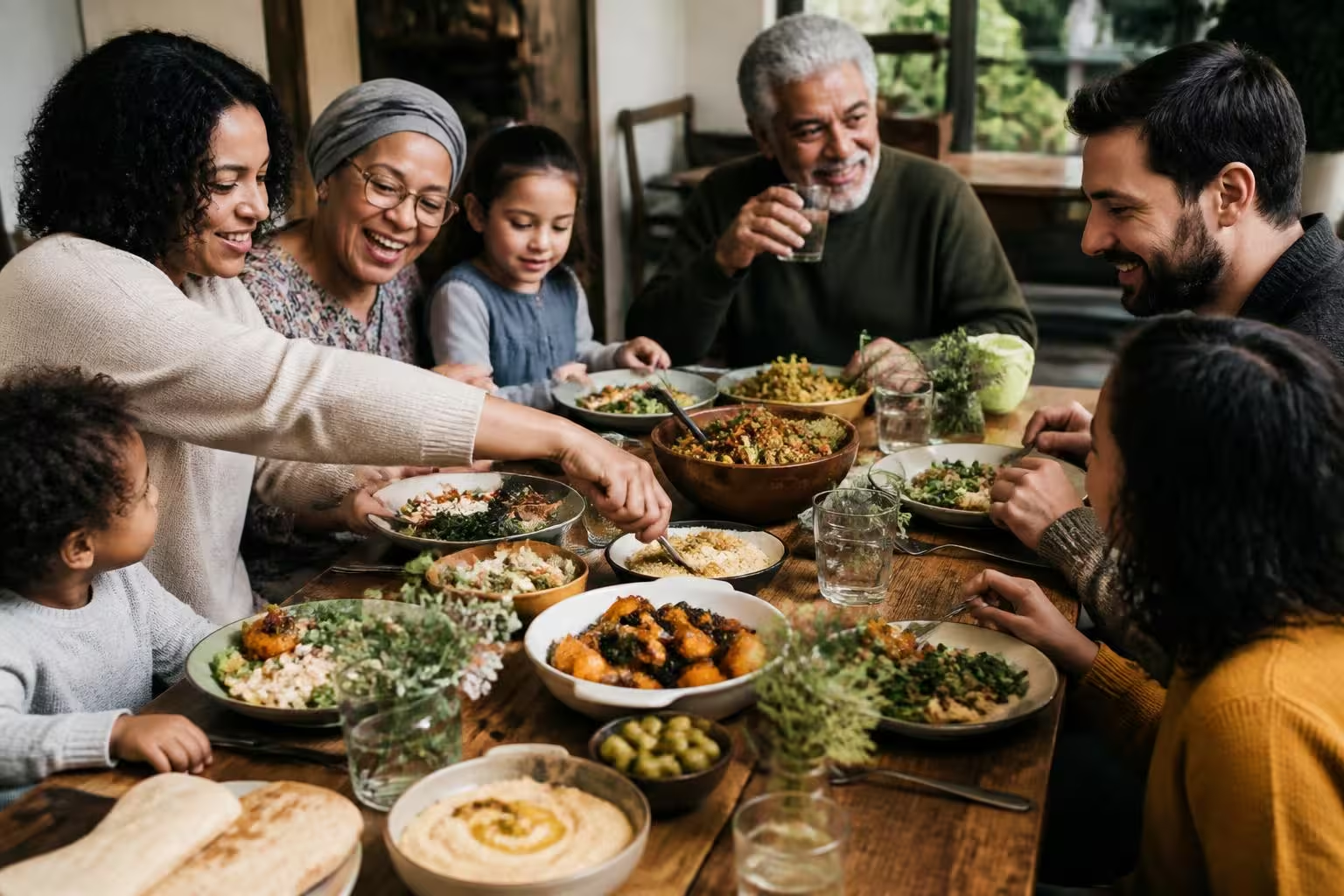
A table wide enough for everyone.

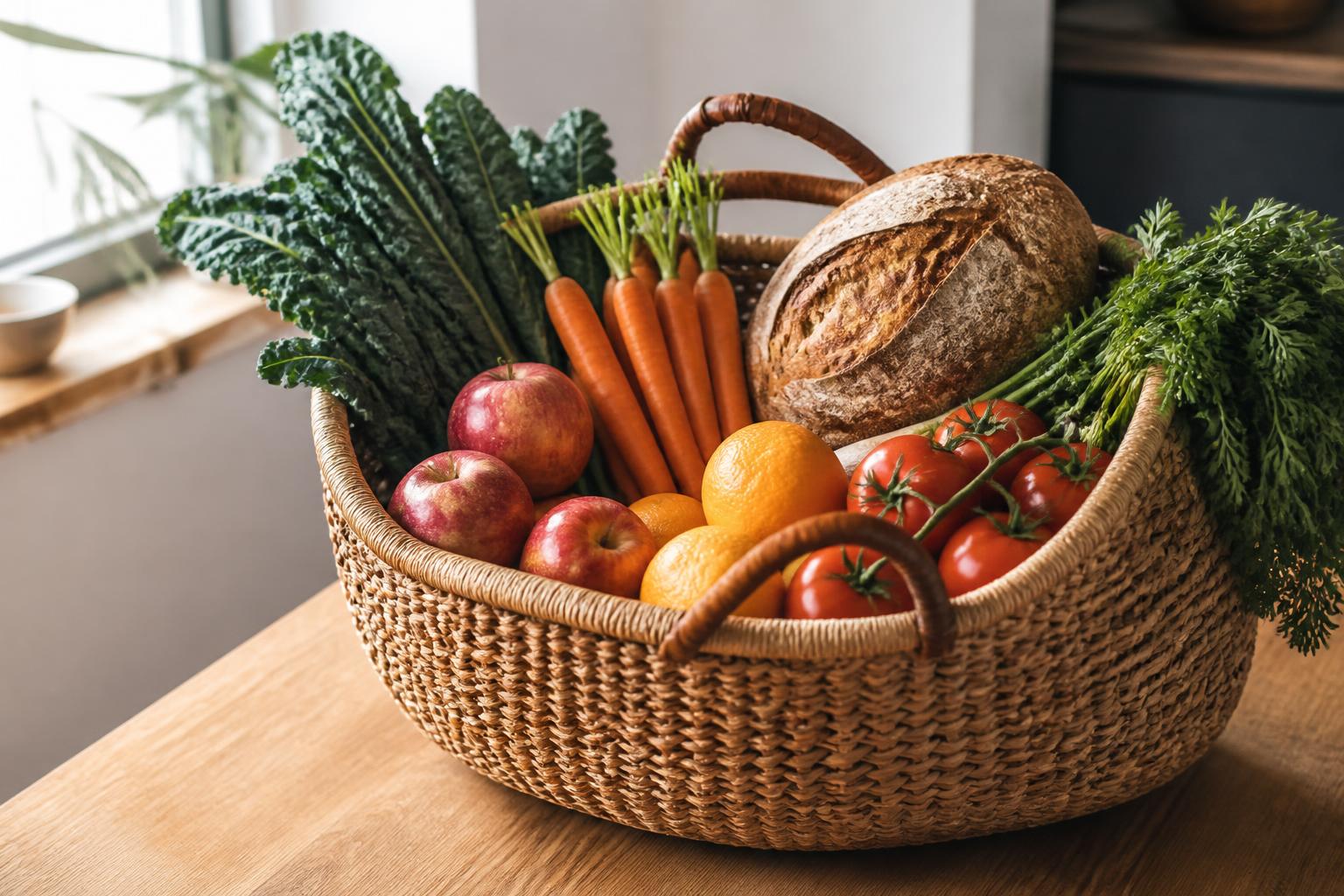
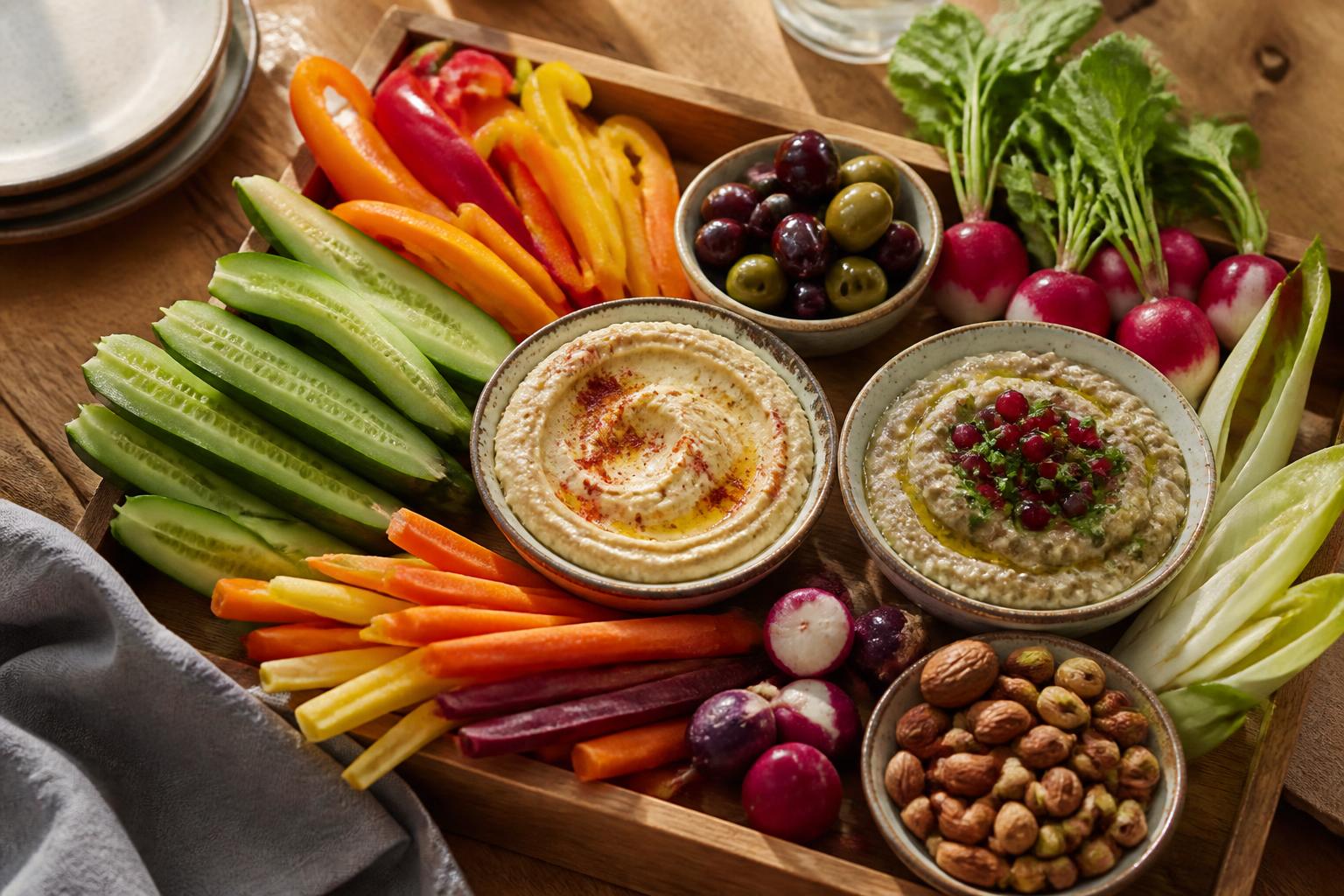
Plant-based eating isn't deprivation — it's a rich, colorful way to feed ourselves. From grain bowls in Addis to lentil stews in Lahore, abundance is already on the menu.

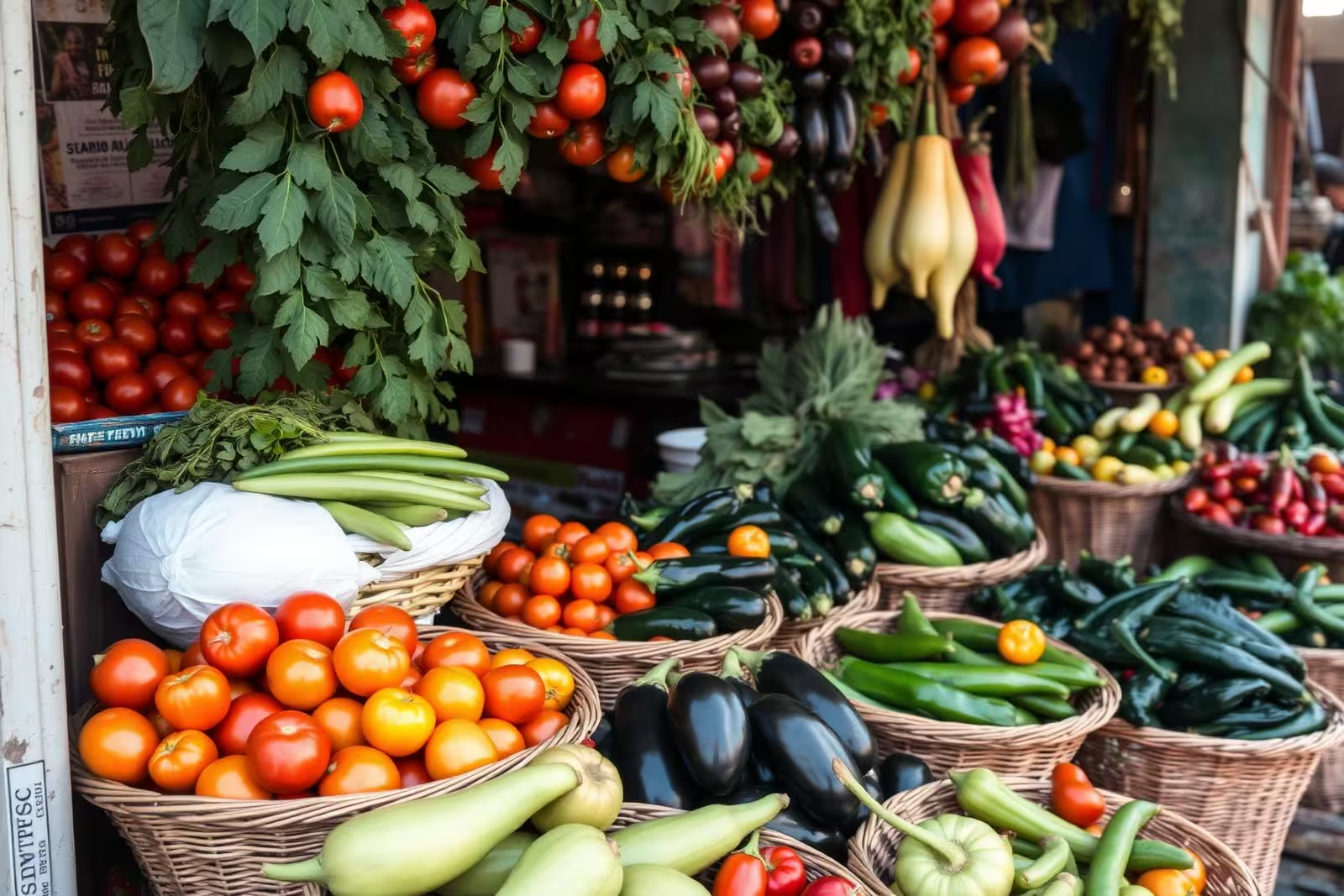
Open-air market stall overflowing with fresh produce
Glass jars filled with colorful beans, lentils, and grains
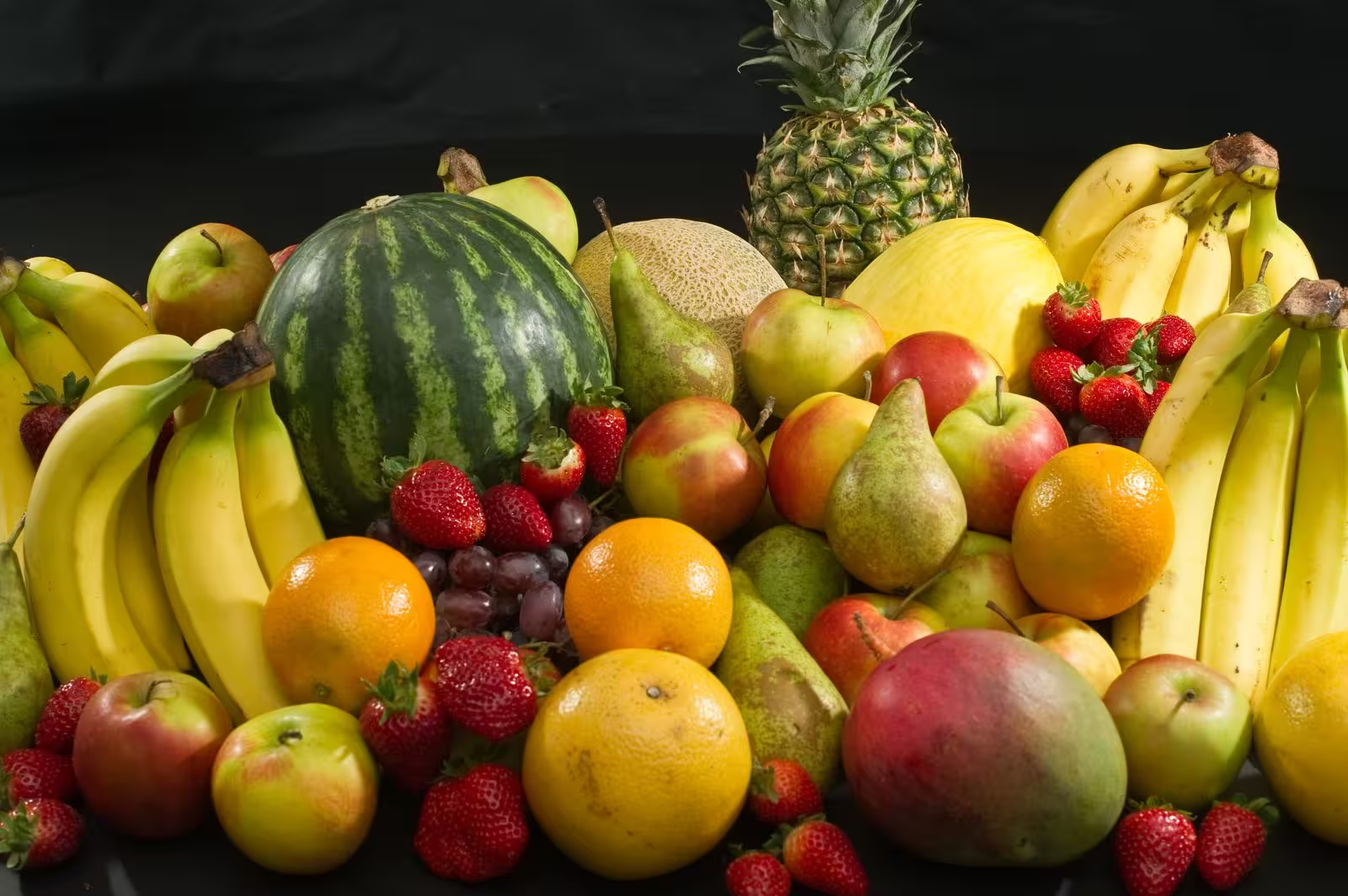
Vibrant spread of seasonal fruits
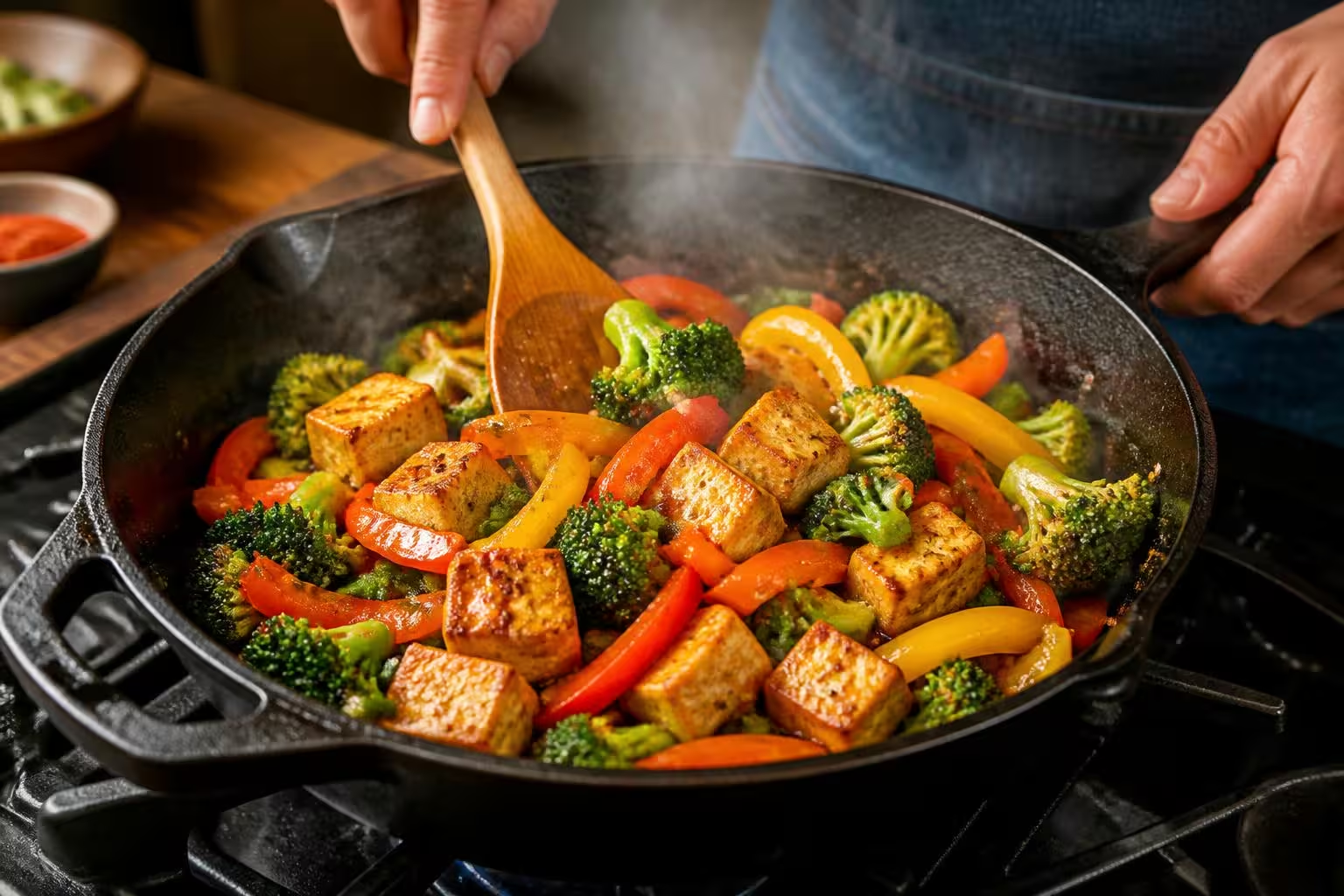
Hands tossing vegetables in a hot wok
What you will find here

A map of the site.

Níbi Tá A Dúró

Kìí Ṣe Ìgbésẹ̀ Òṣèlú

Veg.ac kìí ṣe òsì tàbí ọ̀tún. A kò so mọ́ ẹgbẹ́, èrò-ọ̀rọ̀, ìjọba, tàbí ìpolongo ajìjàgbara kankan. Ohun tí a tẹ̀jáde wá láti inú ìmọ̀-sáyẹ́nsì tí a ti fọwọ́ sí, àwọn ìwé-ìpamọ́ ìjọba àti ìròyìn àkọ́kọ́ — o sì ní òmìnira láti ṣàyẹ̀wò gbogbo orísun.

Kò Lówó Nínú Òṣèlú

Kò sí ẹgbẹ́, olùdíje, tàbí àkójọpọ̀ òṣèlú. Àwọn èèyàn láti gbogbo oríṣi ìṣèlú, ìsìn àti àṣà máa ń jẹun, ọ̀rọ̀ jíjẹun dáradára sì jẹ́ ti gbogbo wọn.

Ẹ̀rí, Kìí Ṣe Àwọn Ọ̀rọ̀ Àfiṣelédè

A ti yọ àwọn ẹ̀rí jáde, a sì ti fi ọjọ́ sí i. Níbi tí a ti ń jiyàn ẹ̀rí tàbí tí kò dájú, a máa ń sọ bẹ́ẹ̀ dípò kí á mú un pọ̀jù.

Ìpè, Kìí Ṣe Ìfipámú

A kò fẹ̀bẹ̀ fún ìfòfindè, a kò dójú tẹ́ ẹnikẹ́ni, tàbí béèrè pé kí o yí ohun tí o jẹ́ padà. A fi ohun tí ètò oúnjẹ ń ṣe hàn ọ́, a sì fi àṣàyàn náà sí ọ lọ́wọ́.

Aládàáni

Kò sí ìfúnni lówó láti ọwọ́ òṣèlú àti kò sí ìgbọ́wọ́gò láti ọwọ́ ilé-iṣẹ́ tí ó ń tọ́ka sí ohun tí ó hàn níhìn-ín.

Common questions

The things people ask before they read anything else.

These are the questions that come up in messages, at dinner tables, and in comment sections. We have tried to answer each one the way we would answer a thoughtful friend.

Your move

For Planet, Animals, and Humans. Today, on your plate.

You don't need to be perfect. You need to begin. Pick one meal, one swap, one day this week — and let the rest follow.

Key takeaways

  • Every meal is a choice with animal, health, and climate consequences.
  • Going plant-based can cost less than a mixed diet when built around affordable staples.
  • The evidence base spans nutrition science, ethics, and environmental data.
  • Small steps compound: one weekly swap is a real, measurable change.

Take action — step by step

  1. 1Pick one meal today and make it fully plant-based — breakfast is the easiest.
  2. 2Swap one weekly grocery item (milk → oat, mince → lentils, cheese → hummus).
  3. 3Follow the 7-day starter guide for a shopping list and 21 meals.
  4. 4Share this page with one person who is curious but unsure where to begin.

Share this page

Every meal is a choice for animals, health and the planet. Start here:

Share on XShare on FacebookShare on WhatsApp

Frequently asked questions

No. Replacing animal products with plant staples can reduce demand for animal farming and lower food emissions. Start with one regular swap and build from there.

Keep reading